Newsletters


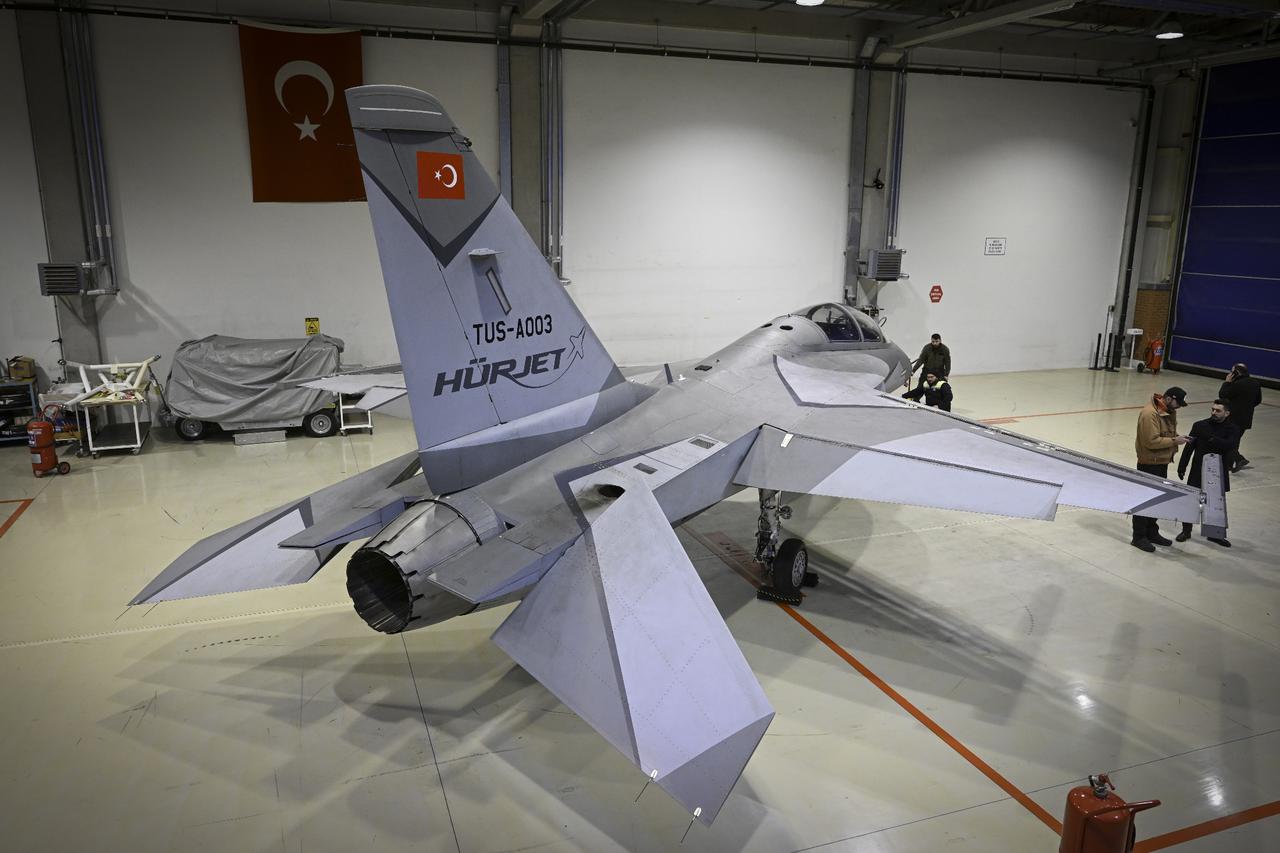


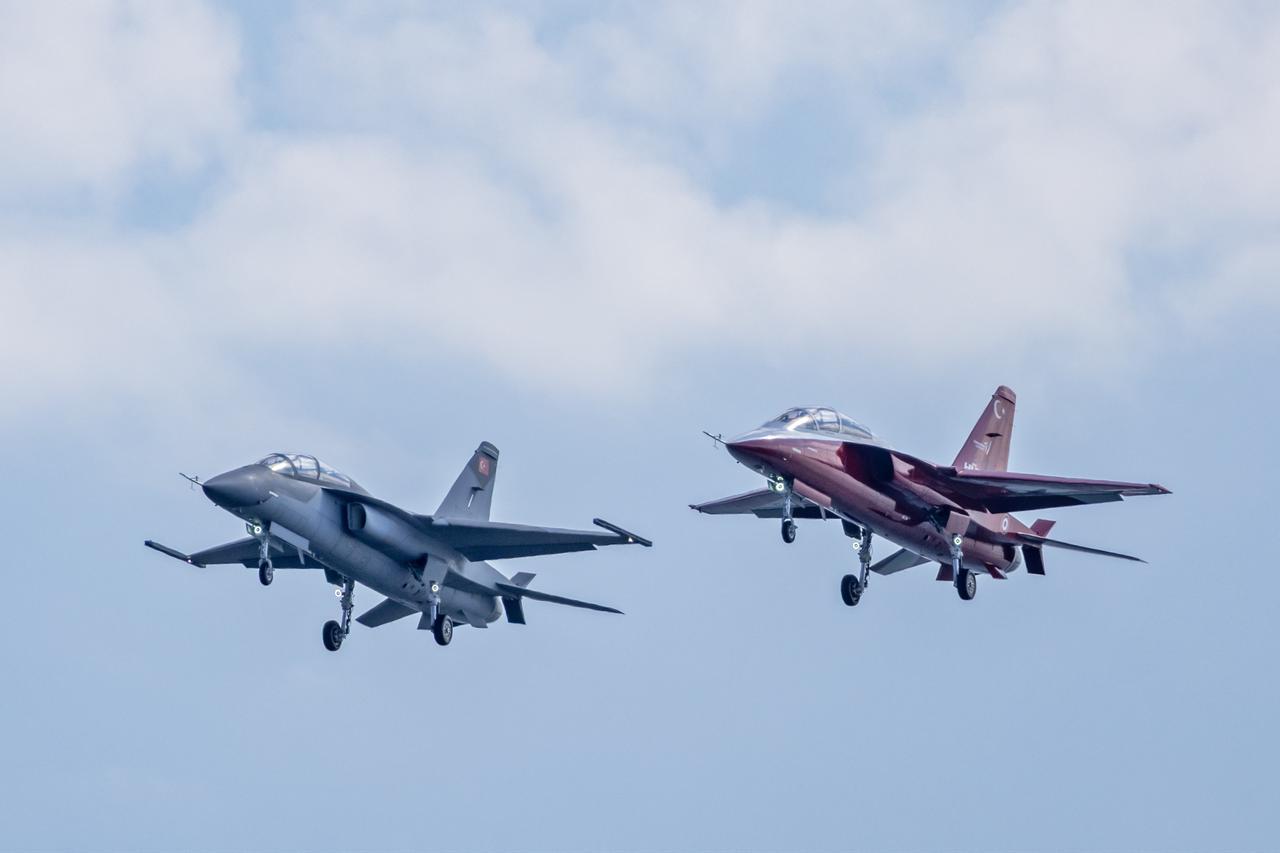
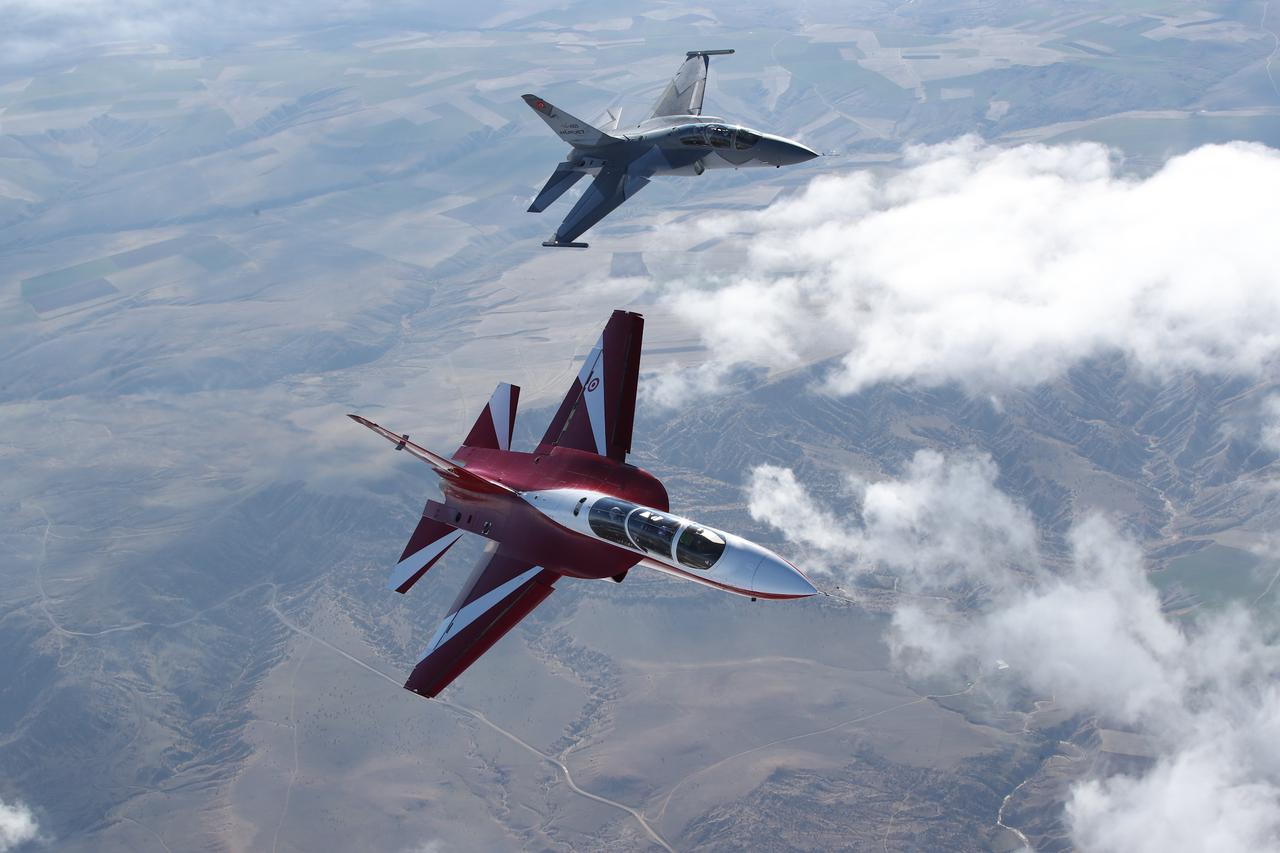
A Japanese defense media outlet has identified Türkiye’s Hurjet advanced jet trainer as a potential “dark horse” contender for the Japan Air Self-Defense Force’s (JASDF) T-4 trainer replacement program. A reporter directly asked Turkish Aerospace Industries (TAI) officials about their interest in the program. The response reportedly went beyond diplomatic courtesy.
The report, published by Japanese outlet Traffic News following the Defense Services Asia (DSA) exhibition in Kuala Lumpur in April 2026, noted that TAI officials said no official decision had been made regarding a bid for Japan's future training aircraft requirement but that the Turkish aerospace company had "strong interest" in pursuing one.

At the DSA exhibition in Malaysia, TAI secured prominent first-floor space inside the MITEC exhibition center, a telling signal, according to the Japanese report, given that ground-floor space at the venue commands the highest prices and draws the most attention.
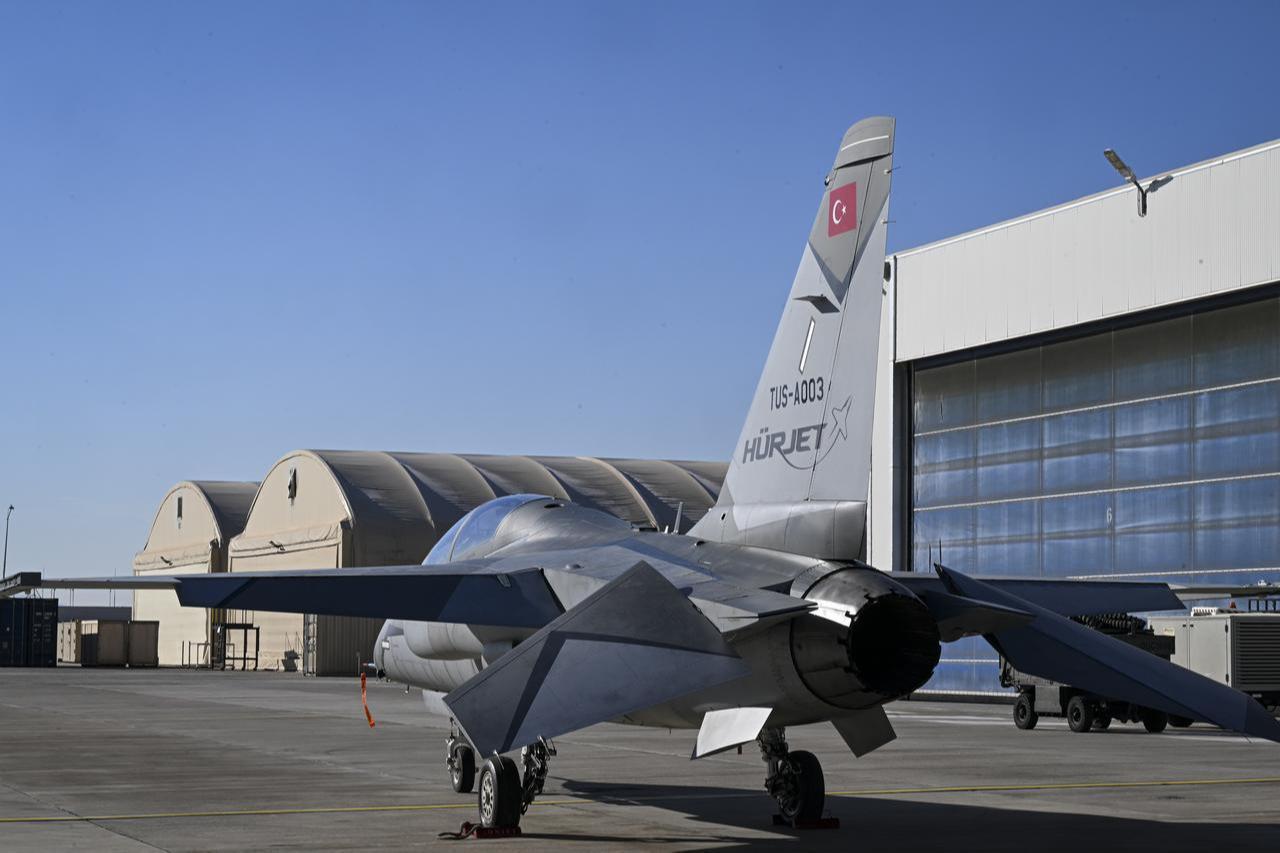
The company displayed a large-scale model of Hurjet, also known in some markets as the SAETA II, underscoring what Traffic News described as TAI's strong export ambition for the platform.
The Japanese reporter who covered the exhibition wrote that TAI's willingness to discuss the Japan angle was not merely a social courtesy, given the reporter's nationality.
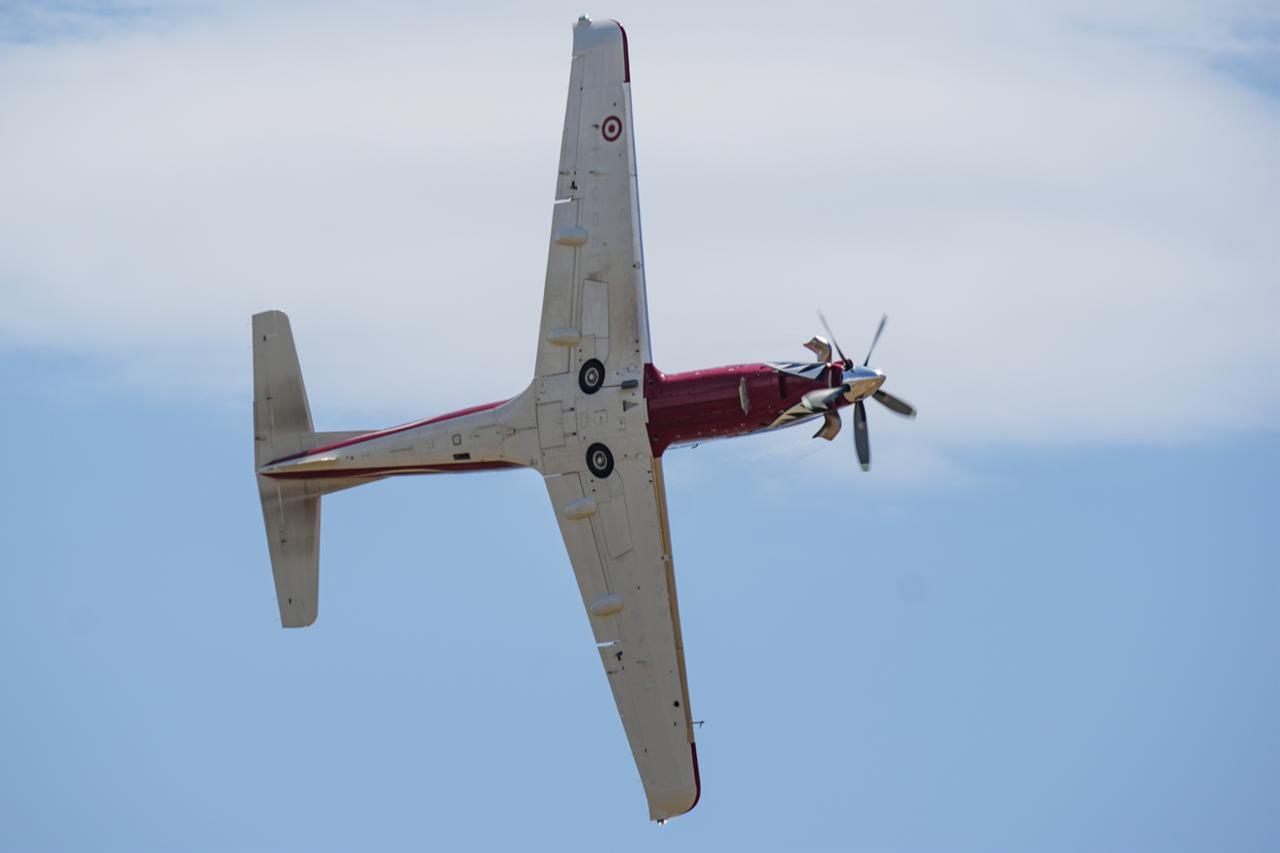
The company, the report noted, had already demonstrated genuine intent to enter the Japanese market during the JASDF's T-7 basic trainer competition, submitting a proposal centered on its Hurkus turboprop trainer, an experience that gave its interest in the T-4 replacement genuine credibility.
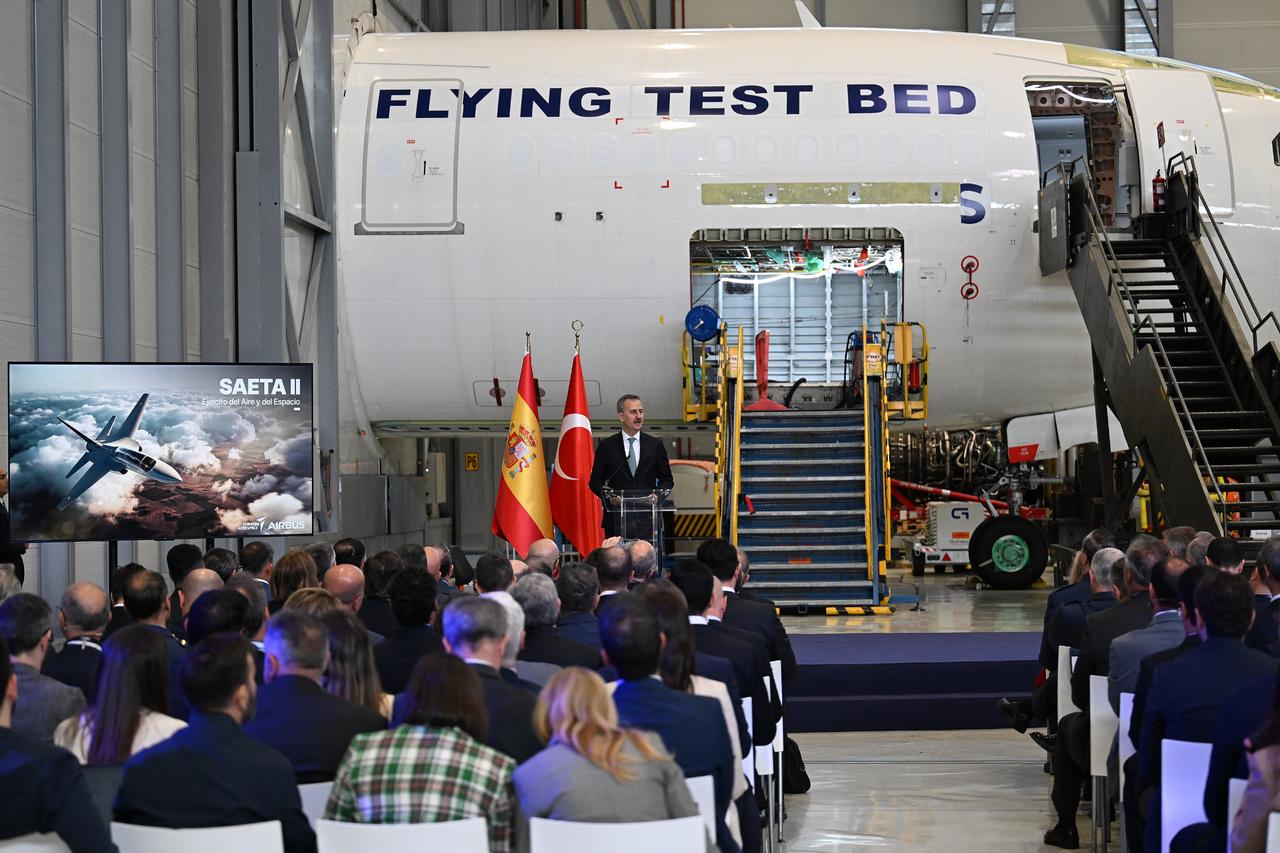
The Traffic News analysis also flagged a development that could significantly raise Hurjet's prospects in Japan: potential backing from Airbus as an industrial partner.
According to the report, if TAI pursues a T-4 replacement bid, Airbus is expected to play a supporting role, which could ease TAI's navigation of Japan's famously complex defense procurement environment.
TAI encountered difficulties in understanding the specifics of Japan's acquisition processes during the T-7 competition. With Airbus alongside it, the Traffic News report suggested, Hurjet could transform from an outside possibility into a genuinely competitive contender.
Hurjet was originally developed to meet the Turkish Air Force's (TurAF) advanced training requirements.
TAI sees significant commercial potential in the armed trainer and light-attack segments globally, where Hurjet competes against established platforms, including South Korea's FA-50.
The strengthening of the bilateral defense relationship between Türkiye and Japan provides an additional enabling condition.
On May 6, 2026, the two countries signed a document formalizing their intent to accelerate cooperation in defense equipment, a development that has added institutional weight to what had previously been a more informal set of contacts.
TAI's previous attempt to enter the Japanese market through the T-7 program gave its engineers and officials first-hand exposure to how Tokyo conducts defense acquisitions.
Traffic News made it clear that no formal candidacy process for the T-4 replacement had begun and that TAI had not yet submitted a proposal.
But the outlet's designation of Hurjet as a "dark horse" in the competition reflected a genuine change in the program's landscape: a Turkish-developed jet trainer, potentially backed by a European aerospace giant, competing for one of the world's most demanding military aviation markets.


 Set as preferred source
 Set as preferred source


 1 min read
 1 min read