Newsletters


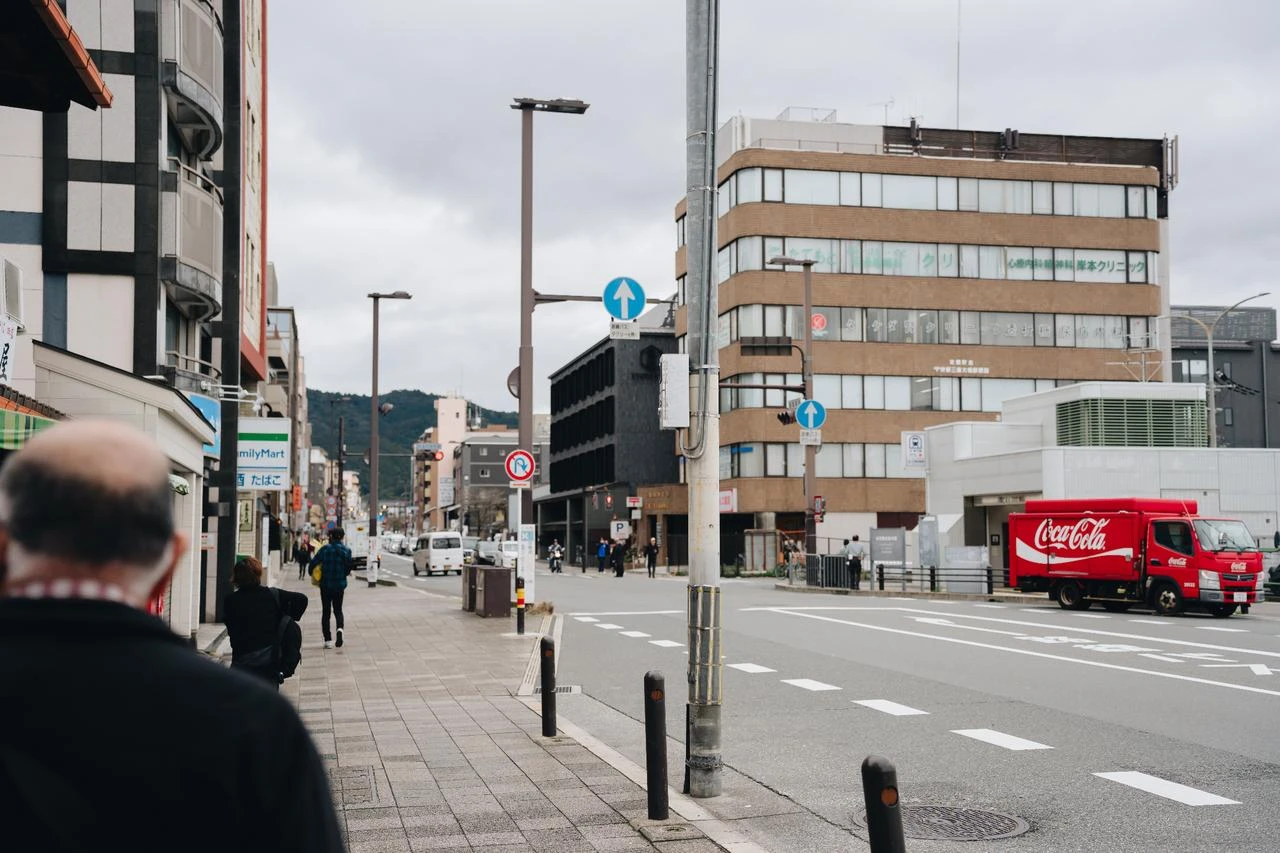


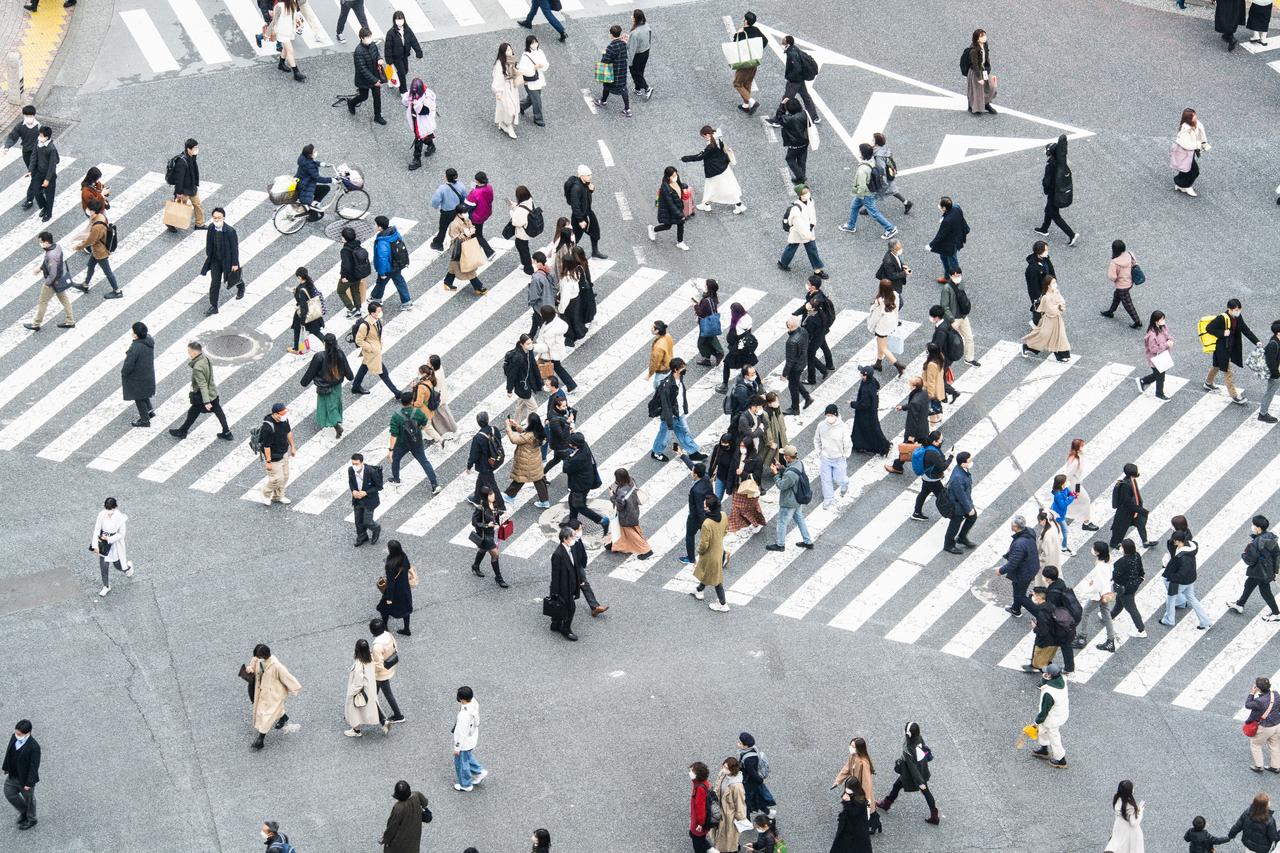
Japan's population of Japanese nationals has fallen below 120 million for the first time in more than four decades, as the country recorded its largest annual decline since comparable data collection began in 1968.
Government figures released Wednesday showed that the number of Japanese nationals stood at 119.7 million as of Jan. 1, dropping by 917,000 from the previous year.
The latest data from Japan's Internal Affairs and Communications Ministry underlined the country's continuing struggle with an aging population and a persistently low birth rate.


Around 670,000 births were recorded during the year, marking the lowest figure on record, while the number of deaths reached approximately 1.59 million.
The widening gap between births and deaths contributed to the record fall in the number of Japanese nationals.
Japan's total population, which includes both Japanese nationals and foreign residents, dropped by about 563,000 to 123.8 million.
While the overall population continued to shrink, the number of foreign residents climbed by 354,000 to a record 4.03 million.
The figure was the highest since the government began compiling comparable foreign resident data in 2013.
The increase came as Japan gradually opened up more employment opportunities for foreign workers to help fill chronic labor shortages. People of working age made up 86.17% of the country's foreign resident population.

Tokyo was the only one of Japan's 47 prefectures, the country's main regional administrative divisions, to register an increase in its Japanese population. The capital recorded a slight rise of 0.09%.
Hokkaido reported the strongest growth in its foreign resident population, followed by Okinawa and Oita.
When Japanese nationals and foreign residents were counted together, overall population growth was recorded only in Tokyo, Chiba and Osaka prefectures.


 Set as preferred source
 Set as preferred source


 1 min read
 1 min read