Newsletters


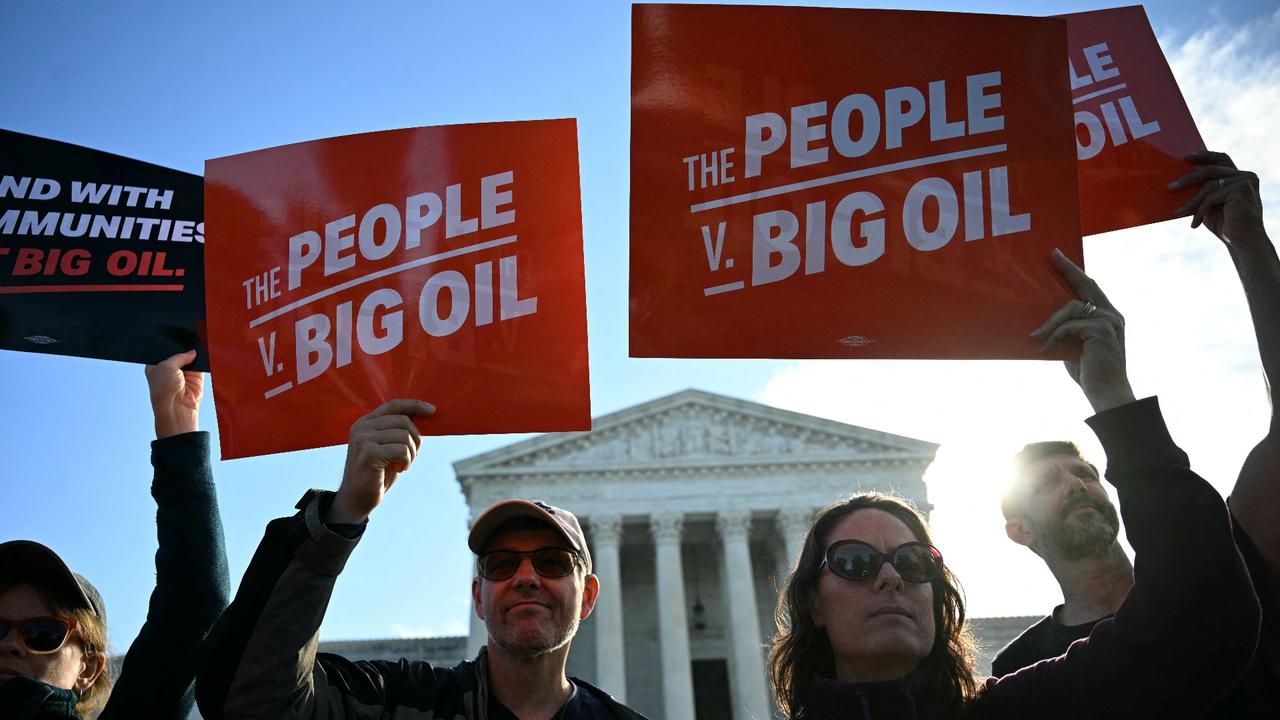
The U.S. Supreme Court on Monday weighed a pivotal climate case, with justices divided over whether it fits the familiar pattern of corporate accountability lawsuits or serves as a backdoor bid to regulate greenhouse gas emissions.
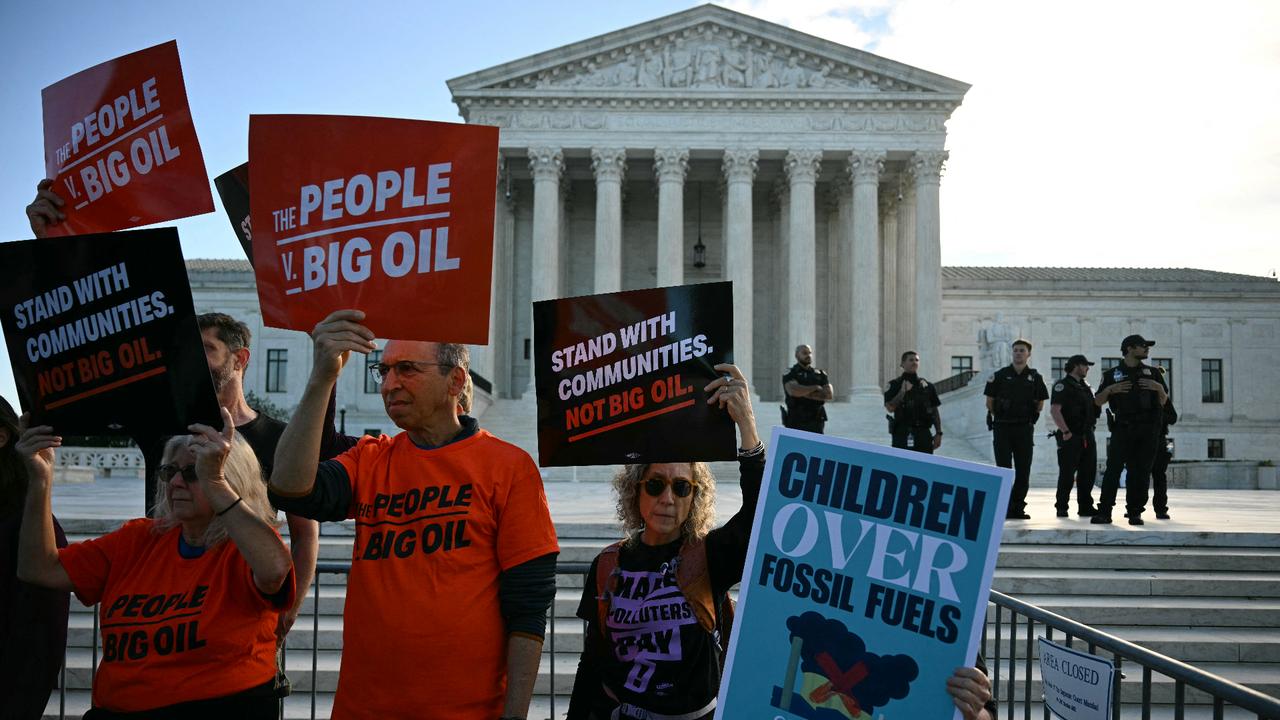
Suncor v. Boulder could end dozens of comparable suits filed by jurisdictions across the country that demand compensation from oil and gas producers for contributing to global warming and for allegedly running deception campaigns to hide product harms.
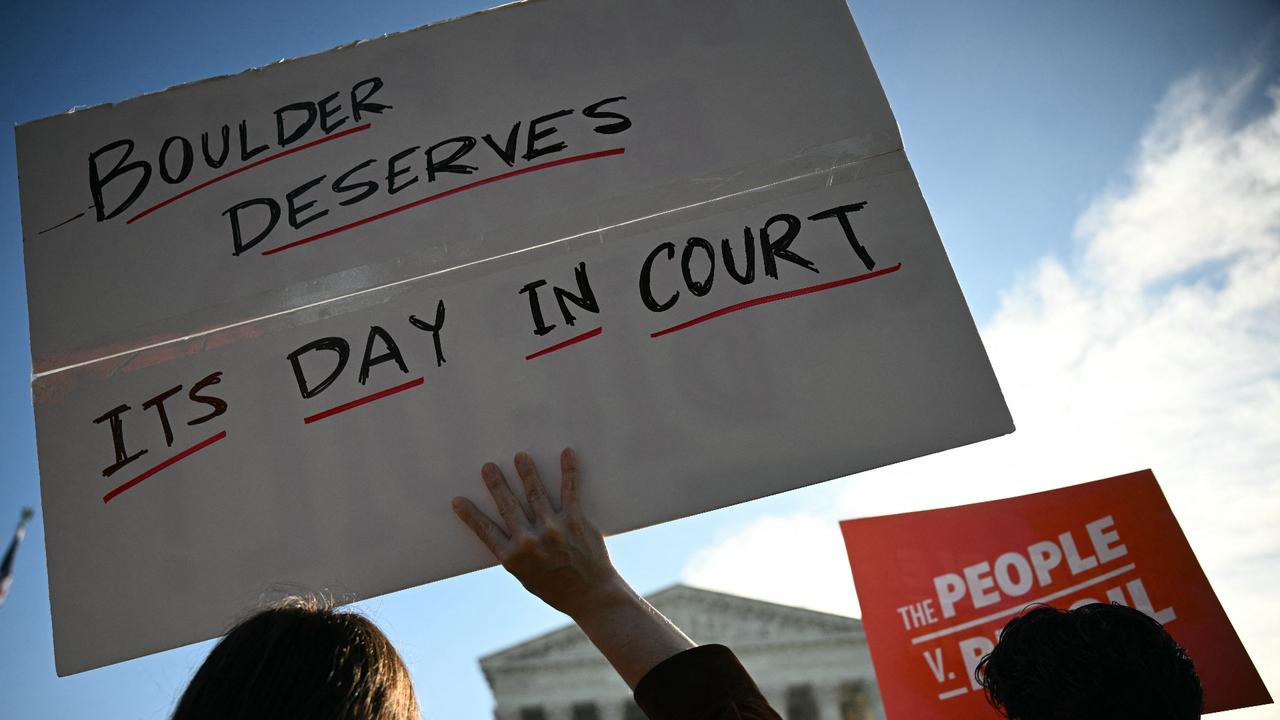
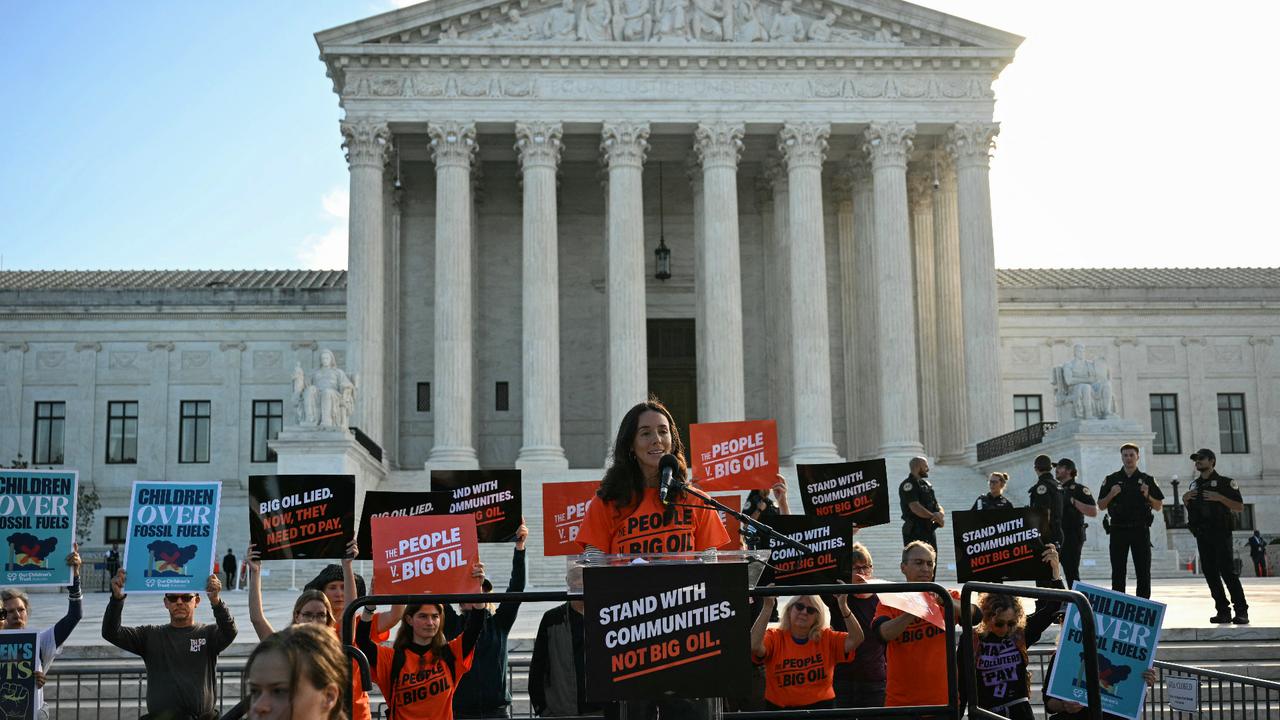
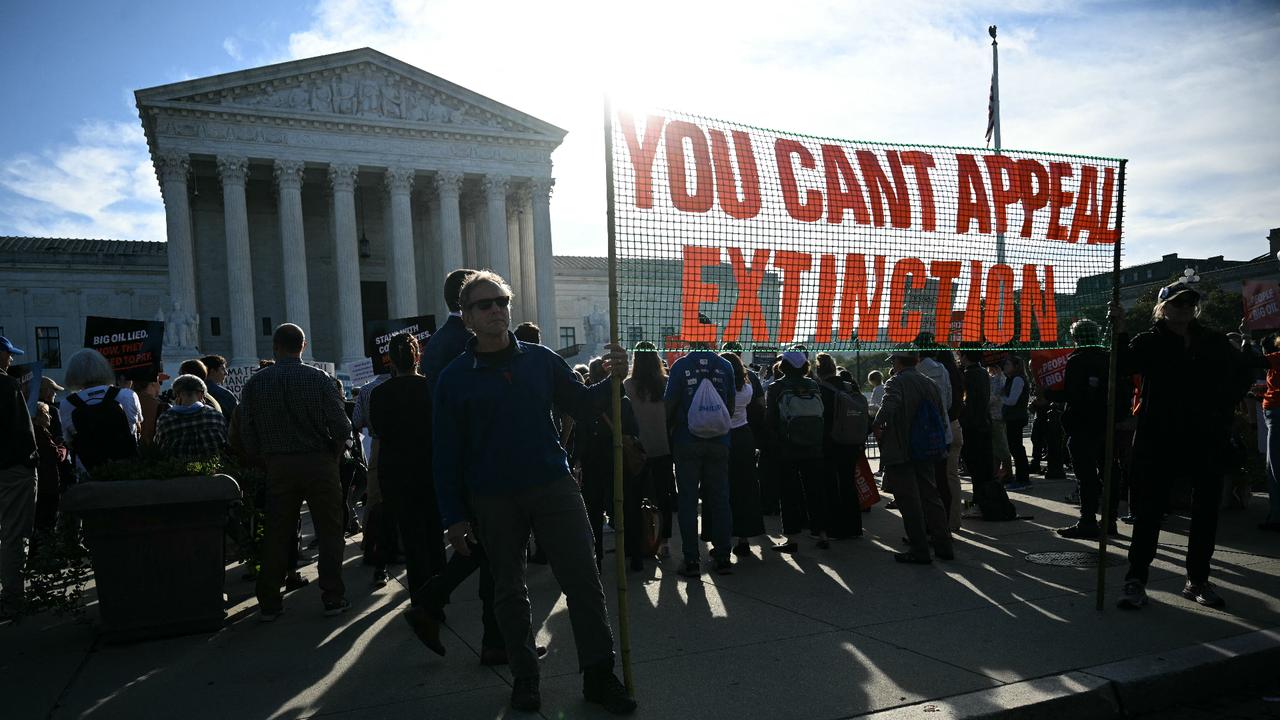
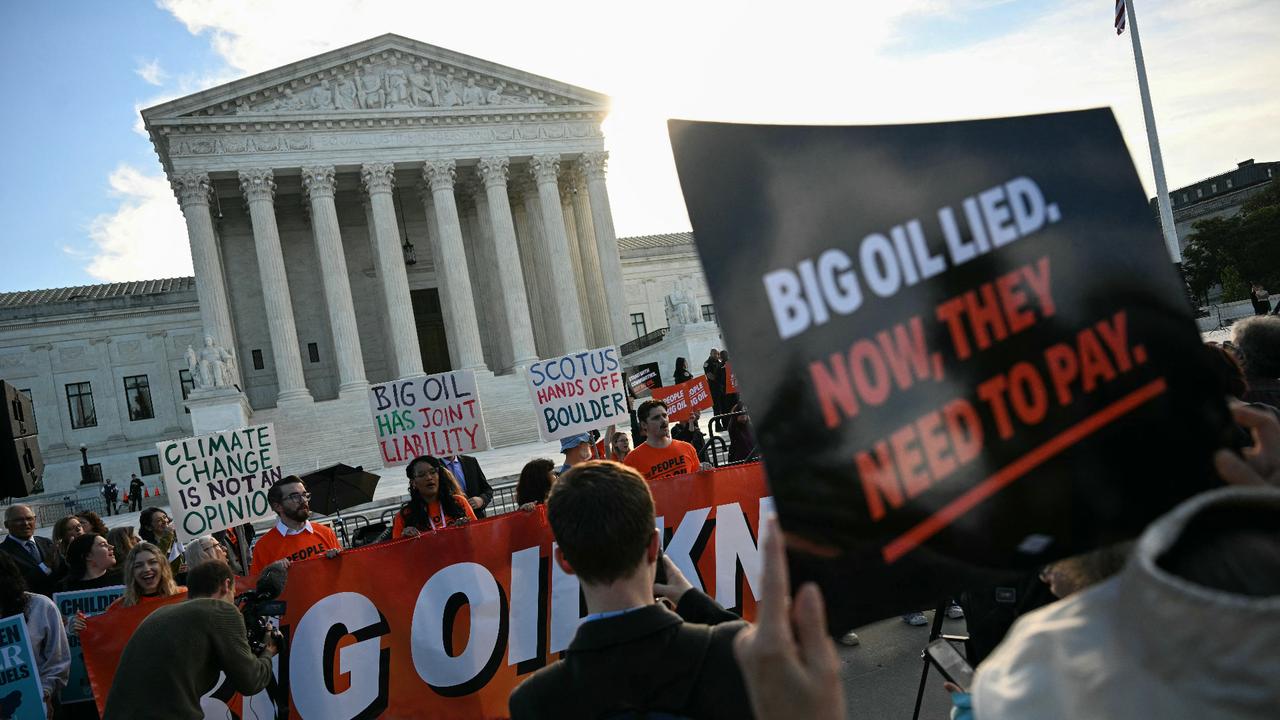
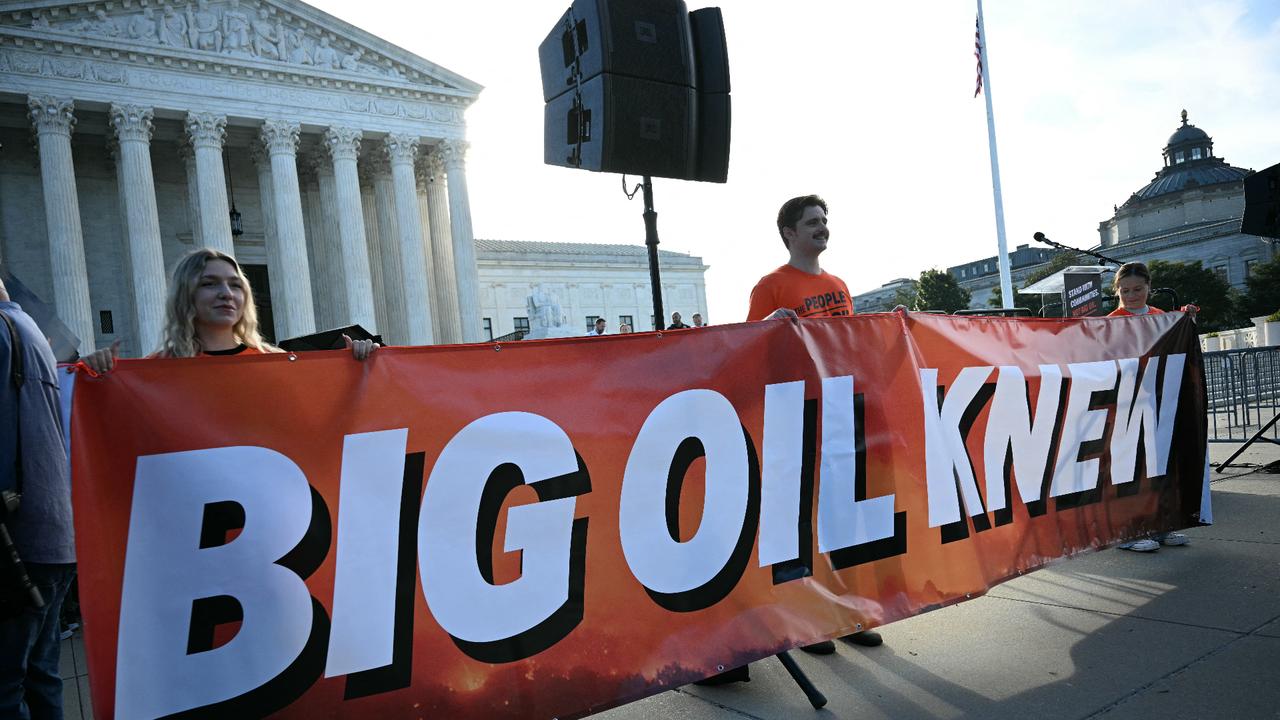
Demonstrators gathered outside the courthouse with signs, denouncing mounting costs of extreme weather and urging "Big Oil" to be held accountable for its "climate lies."
Boulder city and county in Colorado filed a damages suit against ExxonMobil and Suncor Energy in 2018, claiming the companies "knowingly caused and contributed to the alteration of the climate" while "concealing and/or misrepresenting the dangers" of oil and gas.
They contend they have suffered hundreds of millions of dollars in losses from wildfires, flooding and other weather extremes stemming from climate change.
Kannon Shanmugam, counsel for the oil giants, told justices the case "involves an unprecedented effort to use state law to regulate global conduct." Under Boulder's theory, he argued, they could "sue me on a nuisance claim for refilling my car and thereby contributing to global climate change."
Liberal Justice Elena Kagan countered by calling the dispute "chapter three" in a series of corporate accountability lawsuits, after earlier rounds against the tobacco industry and against pharmaceutical companies that pushed opioids.


 Set as preferred source

 2 min read