Newsletters


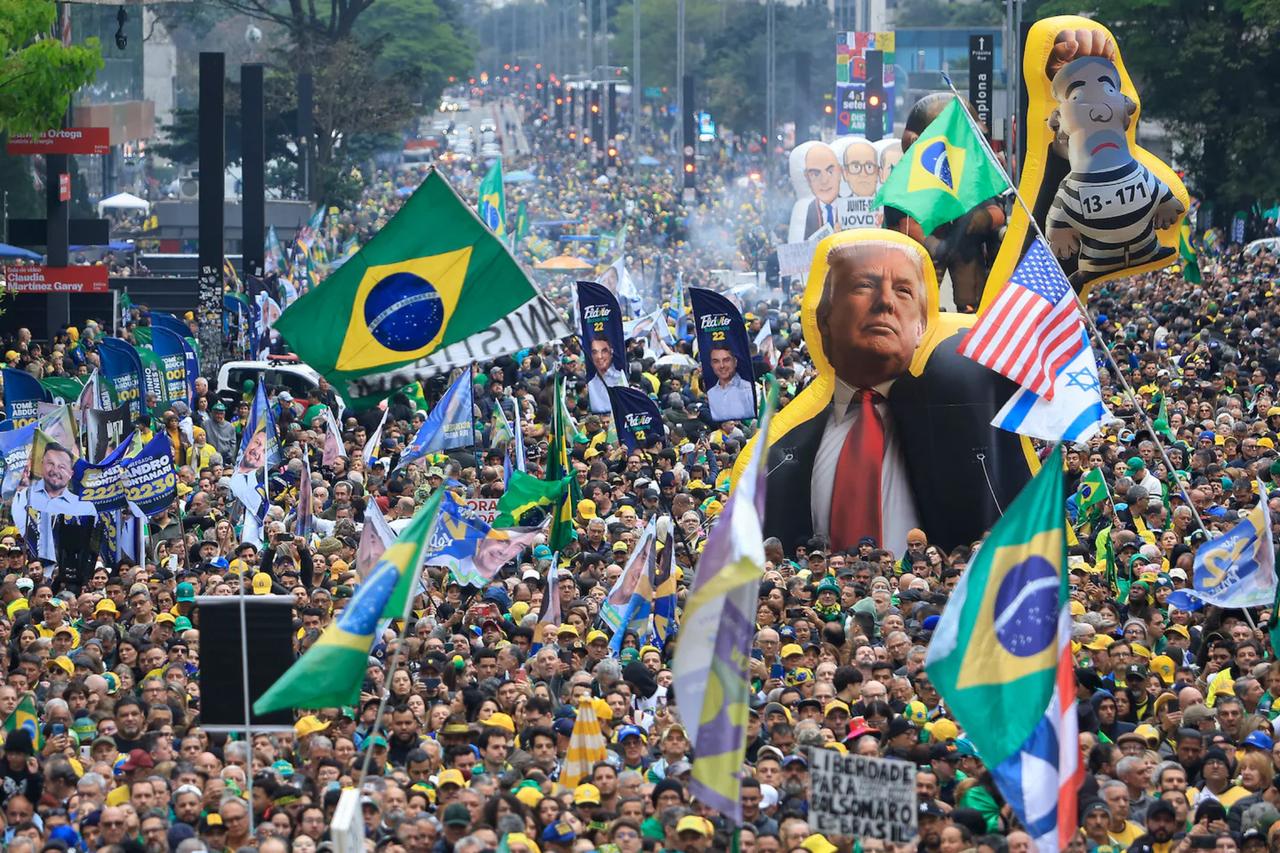


Donald Trump keeps a trophy case in South America, and one last place is still empty. Right-wing candidates aligned with Washington have won the last seven elections in the region, and Trump sometimes explicitly, sometimes subtly, endorsed the winners.
The president said this month that he "gets credit for a lot of the people elected down there." Brazil is the biggest piece left to collect. With Uruguay, it is one of the last major countries still governed by the left.
Its defender is Luiz Inacio Lula da Silva, 80. Before the vote, at the United Nations, he denounced foreign meddling without naming the United States and said Brazil is "nobody's backyard."
On Sunday night, Flavio Bolsonaro had 47% of the vote, with an upper hand for being elected in the second round in three weeks. The 45-year-old senator is the eldest son of Jair Bolsonaro, the former president serving a 27-year sentence at home for plotting to overturn the 2022 election.
The right also swept the concurrent congressional and state races. Michelle and Carlos Bolsonaro won Senate seats, and two more family members won seats in the lower house.
"This is the end of the era of the Workers' Party," Flavio told supporters. Lula, who has said this is his last run, called the result a lesson in democracy and promised to do what it takes to win.
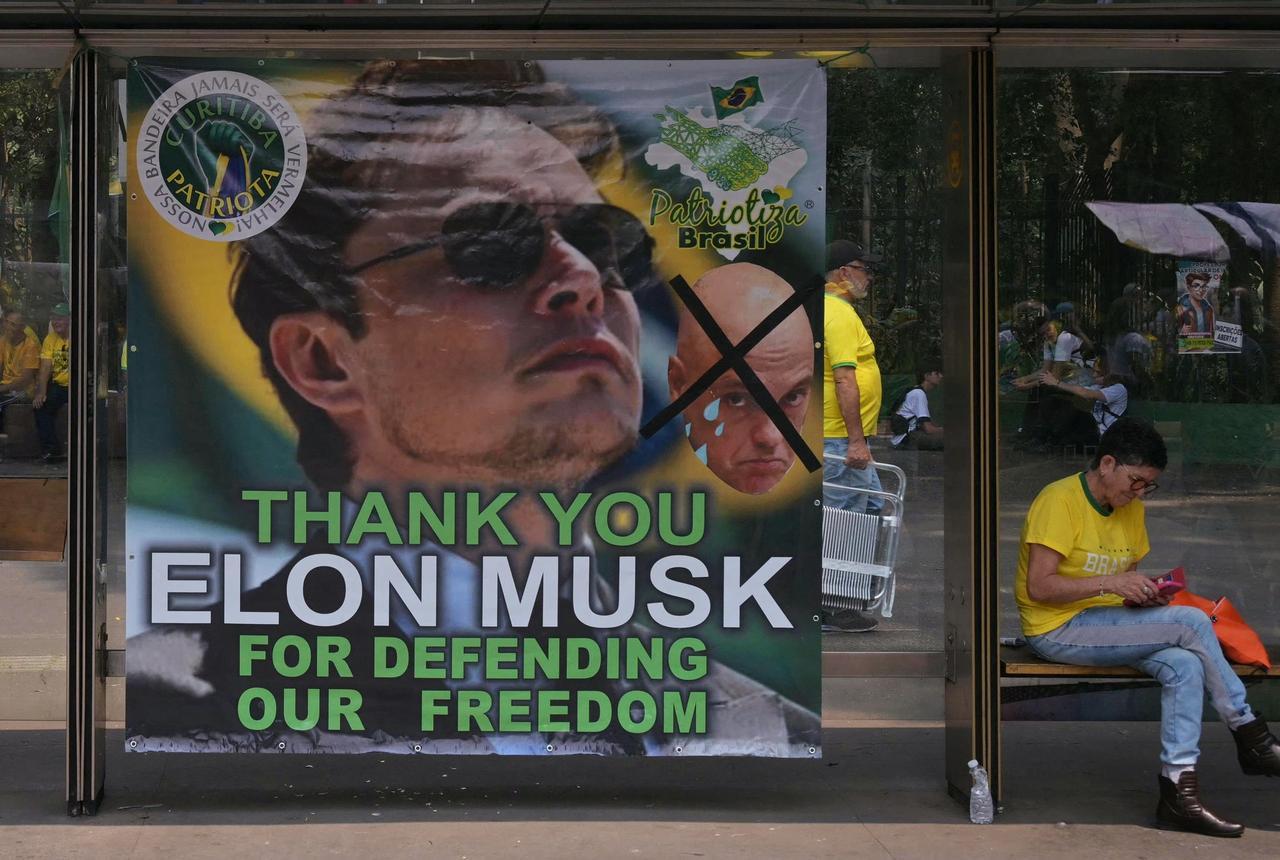

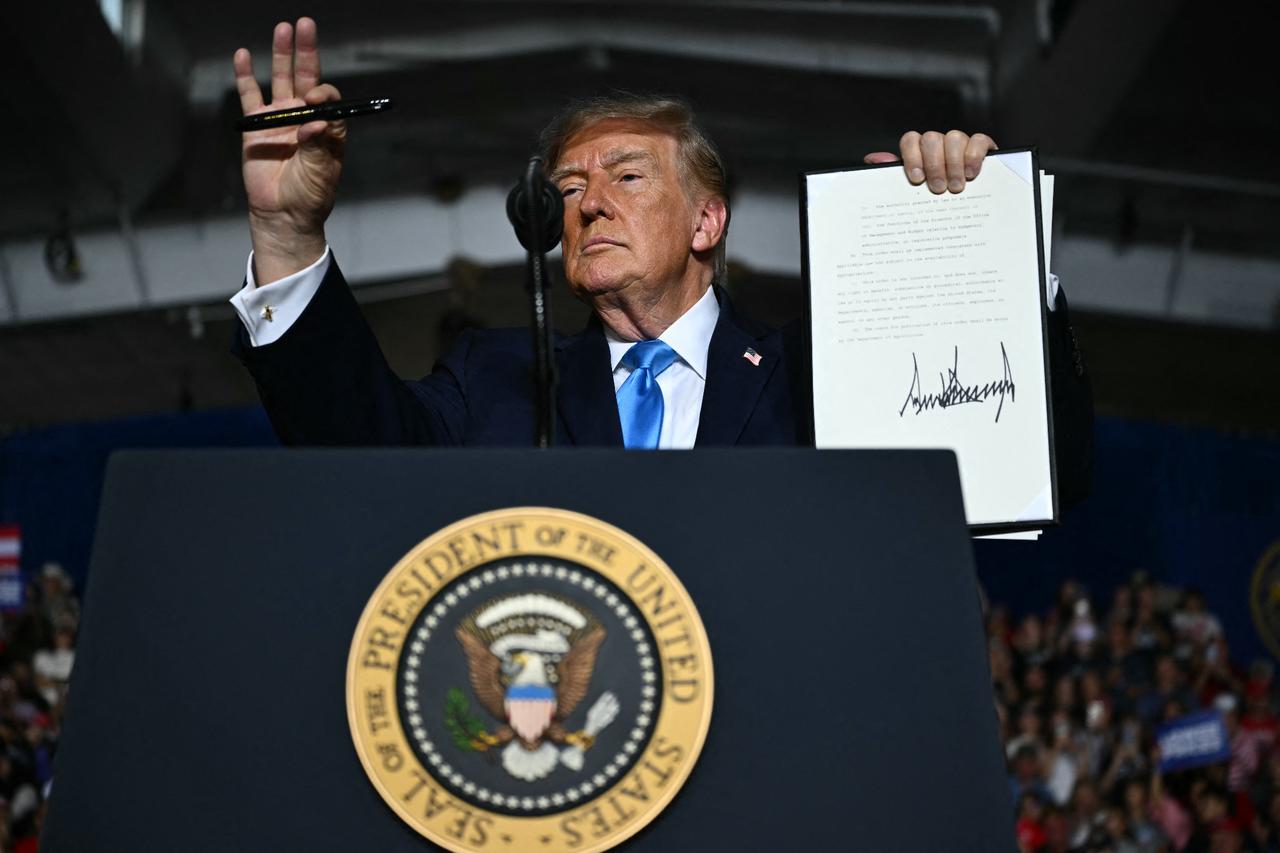
Trump has not formally endorsed anyone in Brazil’s recent elections, and his administration rejects Brazil's claim that it is interfering. Yet the record is still hard to ignore.
In late May, Flavio spent a few minutes in the Oval Office. Days later, Washington designated Brazil's two biggest drug gangs as terrorist groups, a step he had lobbied for over months, on an issue central to his campaign.
Trump posted a photo from the meeting with the caption "A smart young man who loves his Country, Brazil, very much!" Tariff threats followed. Lula's allies blamed them on Flavio's lobbying, and Flavio said he had asked Trump not to tax Brazilian products.
There is a precedent. Last year Trump used sanctions and tariff threats to try to keep Jair Bolsonaro out of prison, and it failed. This summer the administration tried to send envoys to examine Brazil's electoral integrity, and Brazilian officials blocked the visits.
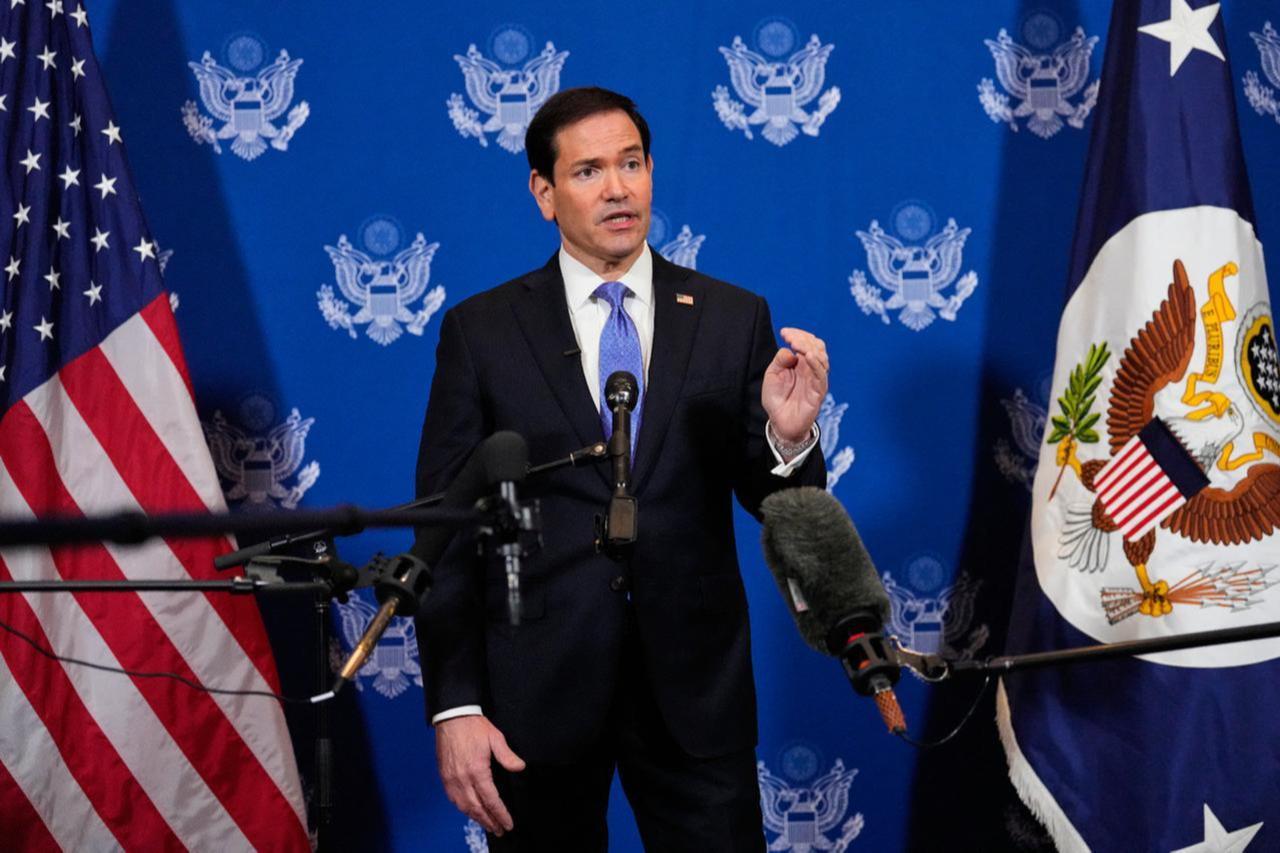
Two days before the vote, the U.S. suspended consular services across Brazil, citing security concerns. Secretary of State Marco Rubio has lumped Brazil in with Cuba and Nicaragua.
The campaign also had an online front. A leaked document by a Bolsonaro ally suggested giving the United States access to Brazil's critical minerals in exchange for support. Its author acknowledged writing it but denied that it was written for the campaign or shared with U.S. officials.
Brazil built a firewall: monitoring of foreign lobbying and disinformation, diplomats from the European Union, Canada, Japan and Australia discussing a joint response, and a late decision by the Carter Center to send observers.
Lula went on offense and called his rival a traitor for seeking Trump's help. It is a familiar play. Last year his popularity surged during the tariff fight, a phenomenon now called the anti-Trump bump.
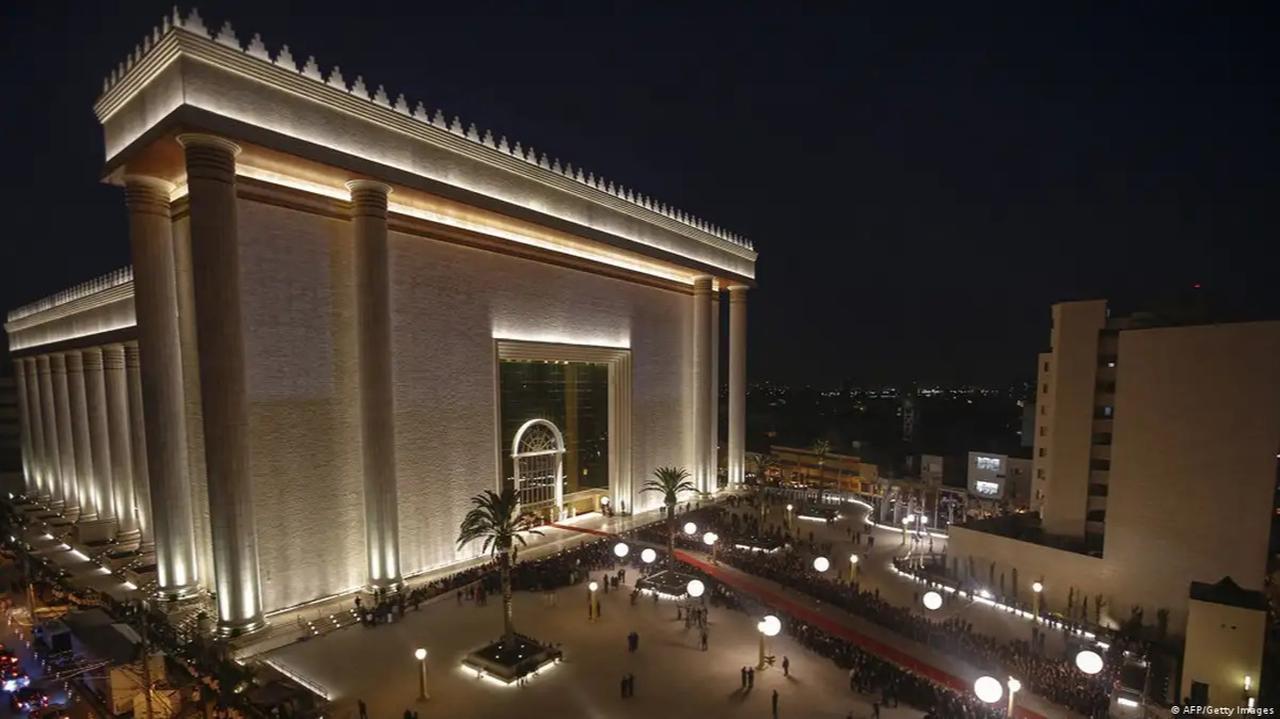
The deepest American link may be older than any tariff. Evangelicals grew from about 4% of Latin America's population in the 1970s to roughly 20% to 25% today. In Brazil, the 2022 census puts them at 27% of the country, about 47 million people.
While Brazil’s evangelical boom might look like a homegrown phenomenon led by local firebrands, it didn’t happen in a vacuum. The roots run back to American Cold War playbook strategies, like the 1980 Santa Fe Documents, and extend to today’s conservative pipelines funded by U.S. groups like the Atlas Network.
Washington directly bankrolled, trained, and teologically groomed these evangelical networks to undercut leftist Liberation Theology and sow the seeds of U.S.-friendly neoliberalism.
None of this locks evangelicals into a single political box, of course; they’ve proven to be opportunists like every other group with a track record of pragmatic alliances when it suits them, including with Lula.
That was a different era. Since 2019, the evangelical vote has swung right. Evangelicals were a base for Jair Bolsonaro in 2018, and evangelical parties backed the impeachment of Dilma Rousseff.
Flavio went to Israel in January and renewed his baptism in the Jordan River, then stepped up his appearances at evangelical churches and events.
In a counteroffensive, Brazil's first lady, Rosangela "Janja" da Silva, sang a campaign song for her husband alongside Kleber Lucas, a popular evangelical gospel singer, and surprised even the president.
The presidential couple is not evangelical. Yet their campaign has still printed a pamphlet that ties policy proposals to Bible passages, with John 10:10 cited on life as a divine gift.
The effort makes sense once you see the numbers. Brazil has the largest Catholic population in the world, and the 2022 census from the Brazilian Institute of Geography and Statistics backs that up: 57% of Brazilians identify as Catholic, more than 100 million people, and the country has the world's largest episcopal conference, with 498 bishops.
The same census counts 27% as evangelical Protestants, about 47 million. That share has cliöbed over the decades; back in the 1980s, evangelicals hovered at a modest 6.6%. Candidates go where the growth is.
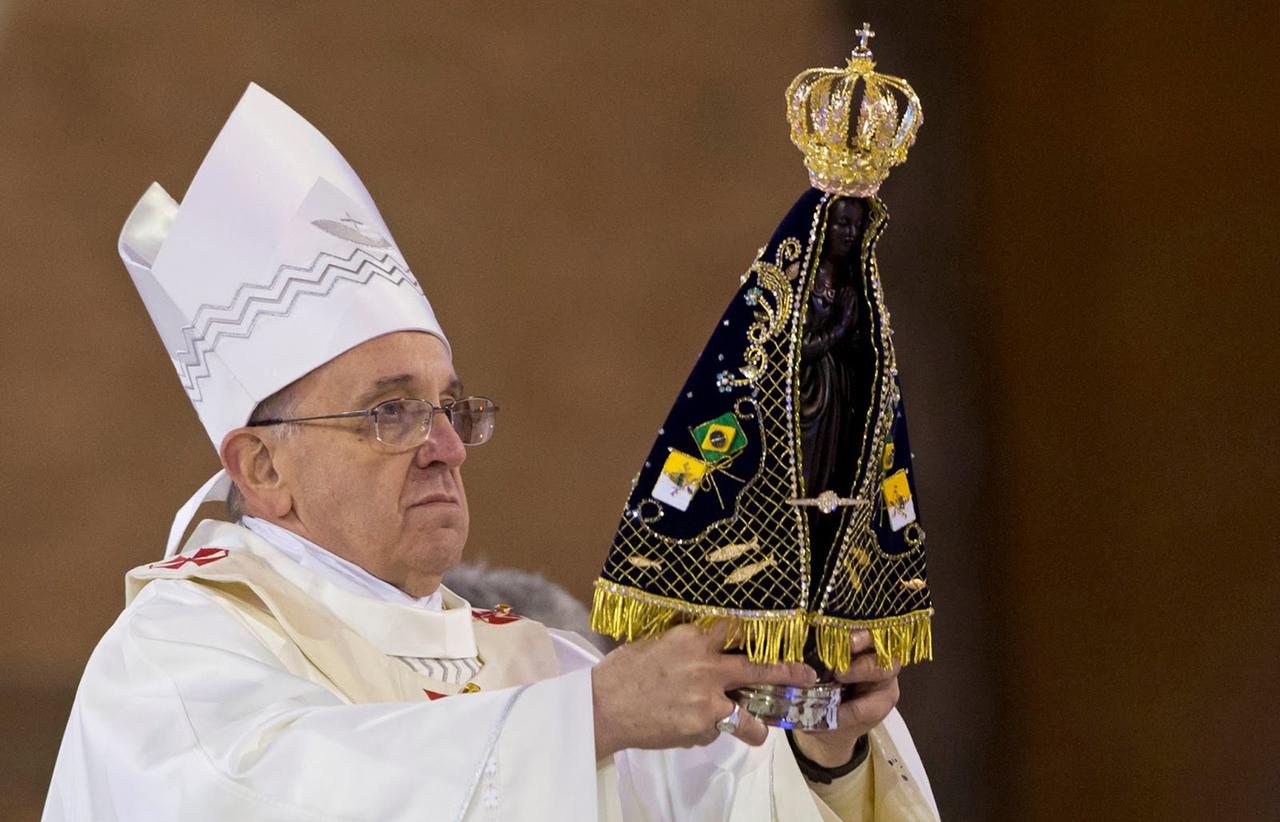
This demographic drives real political power. Look no further than the final week before election day, when the campaign found its saint. A rumor swept the internet claiming Flavio intended to strip Brazil's most famous representation of the Virgin Mary, Our Lady of Aparecida, of her title as Brazil’s patron saint.
Though there was zero evidence it was part of Bolsonaro’s agenda, and he dismissed it outright, Catholic backlash exploded across party lines, targeting the high-profile evangelical leaders around the Bolsonaro family.
The Supreme Court was dragged into the crossfire, issuing takedown orders, reversing course, and reinstating them in rapid succession. Bolsonaro pointed fingers at the National Conference of Bishops for leaking the story, forcing the bishops to spend election week denying they operate a shadow social media machine.
Why would a rumor about a statue-sized title hit so hard? Because "evangelical" in Brazil is a much bigger tent than its loudest spokesmen suggest. Regardless of Bolsonaroism’s long-term fate, evangelical political power is here to stay as a dominant force across the countries of the continent.


 Set as preferred source
 Set as preferred source


 2 min read