Newsletters


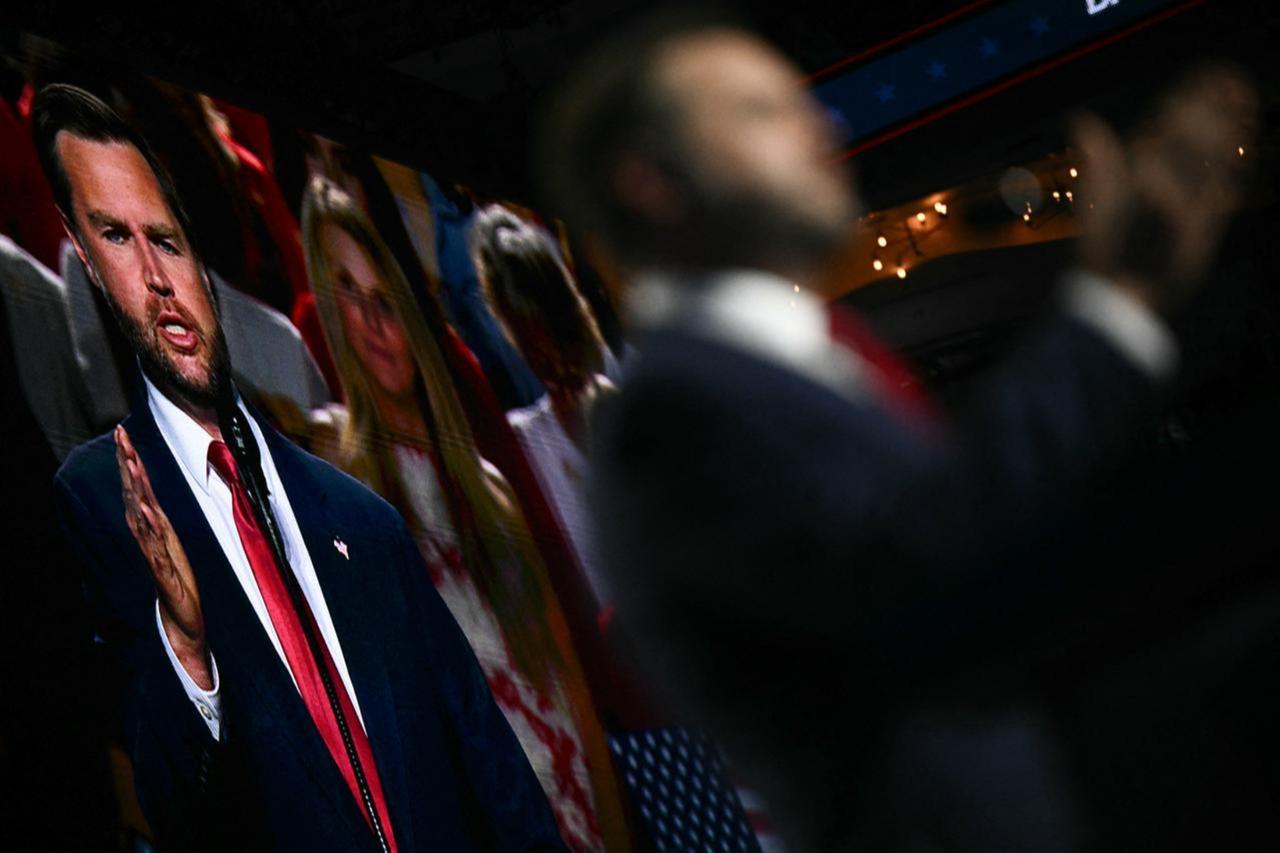


Inside the carpeted halls of an international conference in Jerusalem, supported by Yoram Hazony’s Edmund Burke Foundation, the optics suggested solidarity. Official figures, including former White House counterterrorism official Sebastian Gorka and Israeli minister Bezalel Smotrich, took the stage before an uncongested auditorium. Yet beneath the formal diplomacy, an unintended theme quickly stole the show: the deepening civil war inside National Conservatism itself.
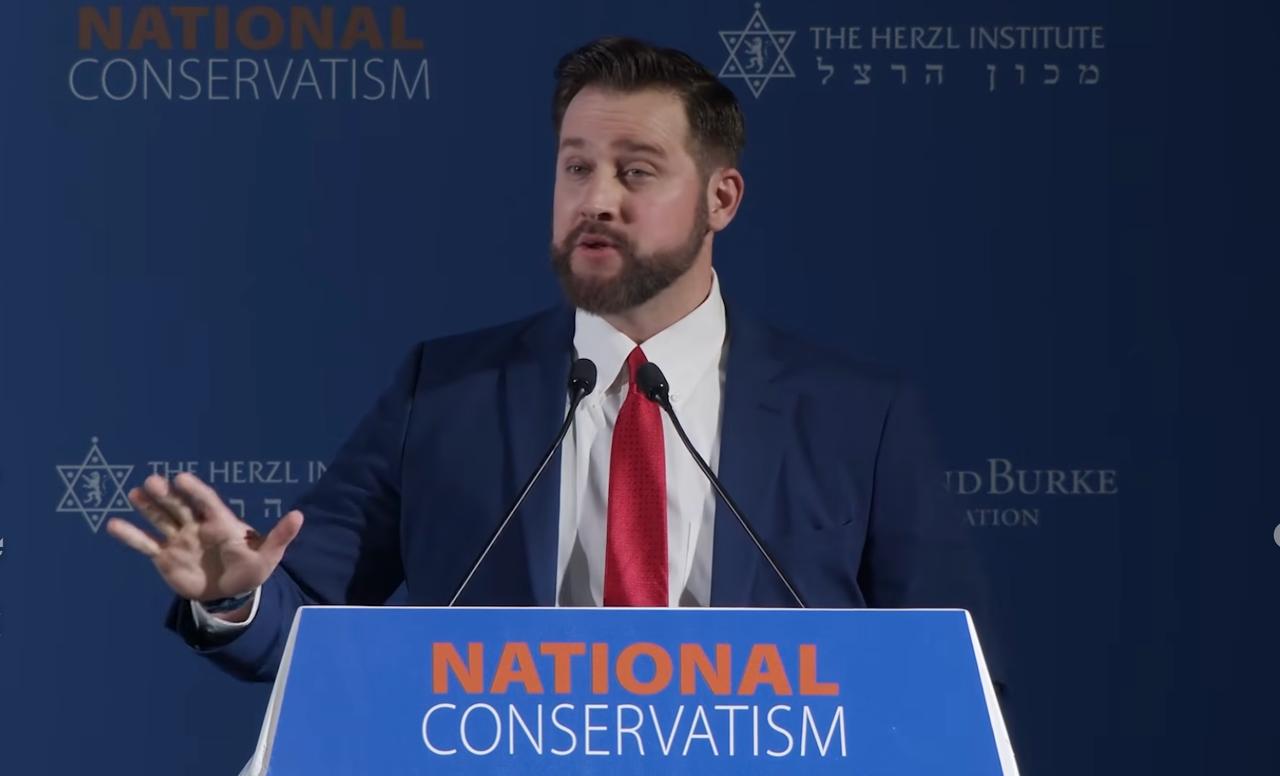
Stepping to the podium was William Wolfe, a former Trump administration official, evangelical conservative, and vocal J.D. Vance loyalist. Speaking to a room accustomed to traditional foreign policy pledges, Wolfe delivered a message that left old-school hawks shifting uncomfortably in their seats.
Pointing to a war-weary electorate back home, Wolfe voiced what a growing majority on the American Right has been saying behind closed doors. The vast conservative and Protestant base, the core of the 77 million voters who carried the Republican ticket, does the heavy lifting of winning elections.
For decades, narrow foreign-policy lobbies and Beltway donor groups managed to steer the ship. Wolfe’s message was an explicit coalitional audit: the “senior partner” role belongs to the working-class base, and domestic national interests must sit squarely at the center of American policy. The avatar of this new era? Vice President J.D. Vance.

For nearly four decades, the Republican foreign policy consensus was dictated by a tight circle of neoconservative strategists, Washington think tanks, and donor-class priorities. They treated global interventionism, democratic state-building, and permanent overseas commitments as sacrosanct.
Today, that consensus is collapsing under a full-scale mutiny. At the forefront, young conservatives, Rust Belt veterans, and populist voters are demanding an end to the old playbook.
The important point is that this discussion no longer fits the framing of a debate over defense spending; it has become a war for the soul of the American Right. On one side stands an entrenched Beltway establishment struggling to protect its globalist legacy; on the other stands an insurgent America First movement demanding secure domestic borders, strict national sovereignty, and a cold-eyed focus on American interests above all else.
The fault line tearing through the Right is rooted in decades of bitter experience. For 30 years, Washington elites operated on the high-minded rhetoric of George H.W. Bush’s 1991 vision: open borders, open markets, and borderless global cooperation. But for working-class Americans, that globalist project ended in hollowed-out manufacturing towns, unsecured borders, and trillions of dollars spent on nation-building sagas in foreign sands.
President Donald Trump secured a second term with a campaign that centered on those issues.
“We are a war-weary nation,” Wolfe reminded the summit audience. While foreign allies face immediate territorial threats, the United States enjoys a distinct providential geography, shielded by two vast oceans and blessed with abundant resources.
For the New Right, maintaining a global empire while domestic infrastructure crumbles is more than just bad policy; it is a betrayal of national duty. The populist base is no longer buying the idea that American strength is measured by how many foreign conflicts Washington can underwrite.
The 77 million voters who powered the Trump-Vance coalition consist overwhelmingly of working-class Protestants, Catholics, veterans, and secular heartland conservatives. Yet for years, foreign policy debates were dominated by narrow special interests whose priorities represent a tiny fraction of that voting base.
“Every coalition partner needs to know their place, who’s the senior partner, and who’s the junior partner?” Wolfe argued, calling on evangelical and populist voters to reclaim the steering wheel of the conservative movement. The rise of J.D. Vance, a working-class Marine veteran from Ohio who openly questions foreign blank checks, signals that the heartland base is no longer willing to play junior partner to Washington’s foreign policy establishment.
One of the other main points of the NatCon Summit in Jerusalem was political labeling and ideological vetting of populist figures. High-profile conservative media voices, most notably Tucker Carlson, and political leaders like Vice President J.D. Vance have frequently faced accusations of antisemitism or radicalism when questioning long-standing foreign alliances and defense spending.
For the insurgent base, these disputes bring a fundamental struggle over who gets to define the boundaries of acceptable debate on the Right, and they remind the old guard of a familiar tactic borrowed straight from the progressive Left: the weaponization of moral smears.
Addressing the summit, Wolfe called out this dynamic directly, urging conservatives to “stop the Nazi hunting.” He argued that this is not a moral crusade but a political power play.
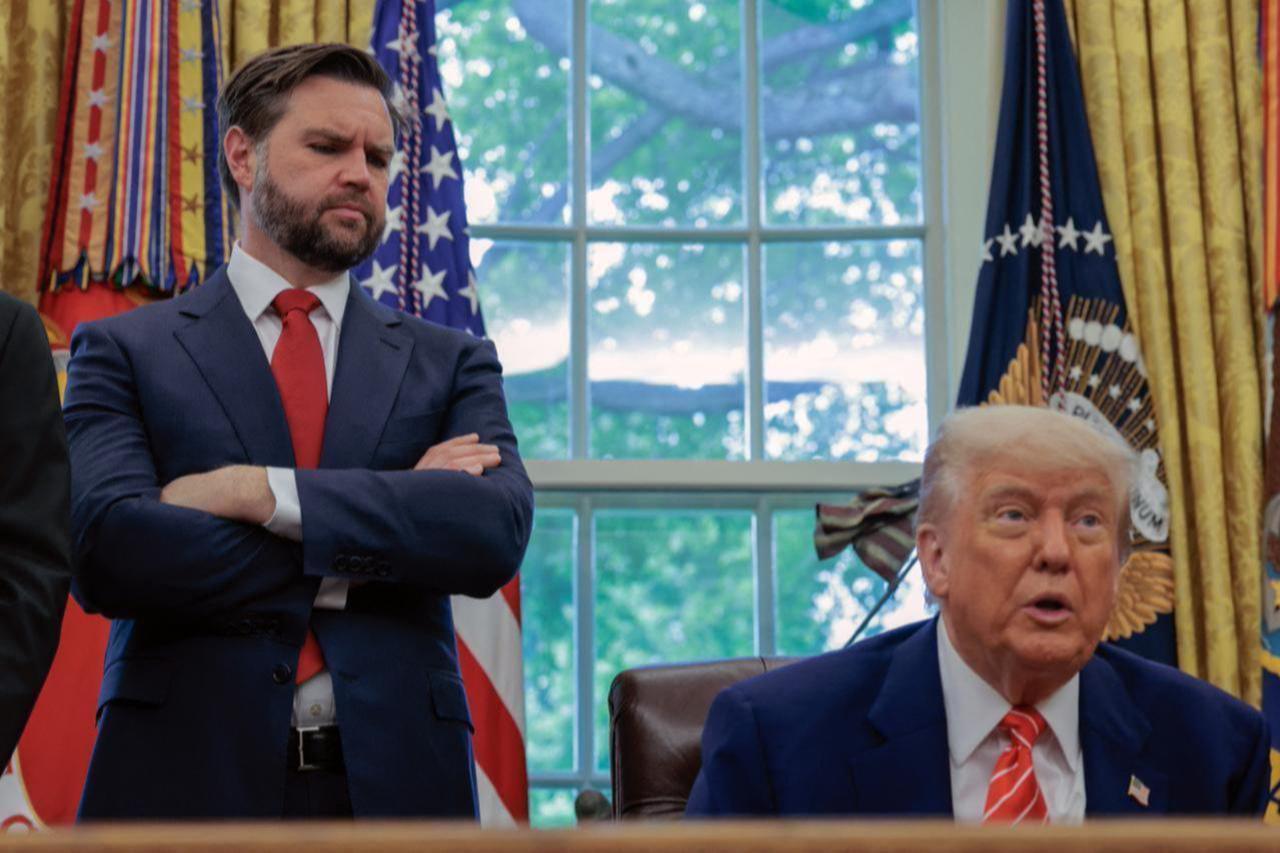
The civil war over the future of conservative foreign policy ultimately comes down to a fundamental clash of geography and priorities: K Street versus the Heartland.
In D.C. boardrooms and think tanks, traditional strategists view Middle East engagement, alliances, and a forward military posture as non-negotiable pillars of stability. But across the heartland, a new generation of populist voters, veterans, and working-class families evaluates those same commitments through a different lens, asking whether decades of blank-check foreign entanglements have delivered tangible benefits to American workers, secured the nation’s borders, or served the national interest.
Whether this rift resolves in a permanent realignment or a tense coalitional compromise, the struggle between Washington’s foreign policy establishment and heartland populism will remain the defining fault line of American conservatism ahead of 2028.


 Set as preferred source
 Set as preferred source


 2 min read