Sign in
 Newsletters


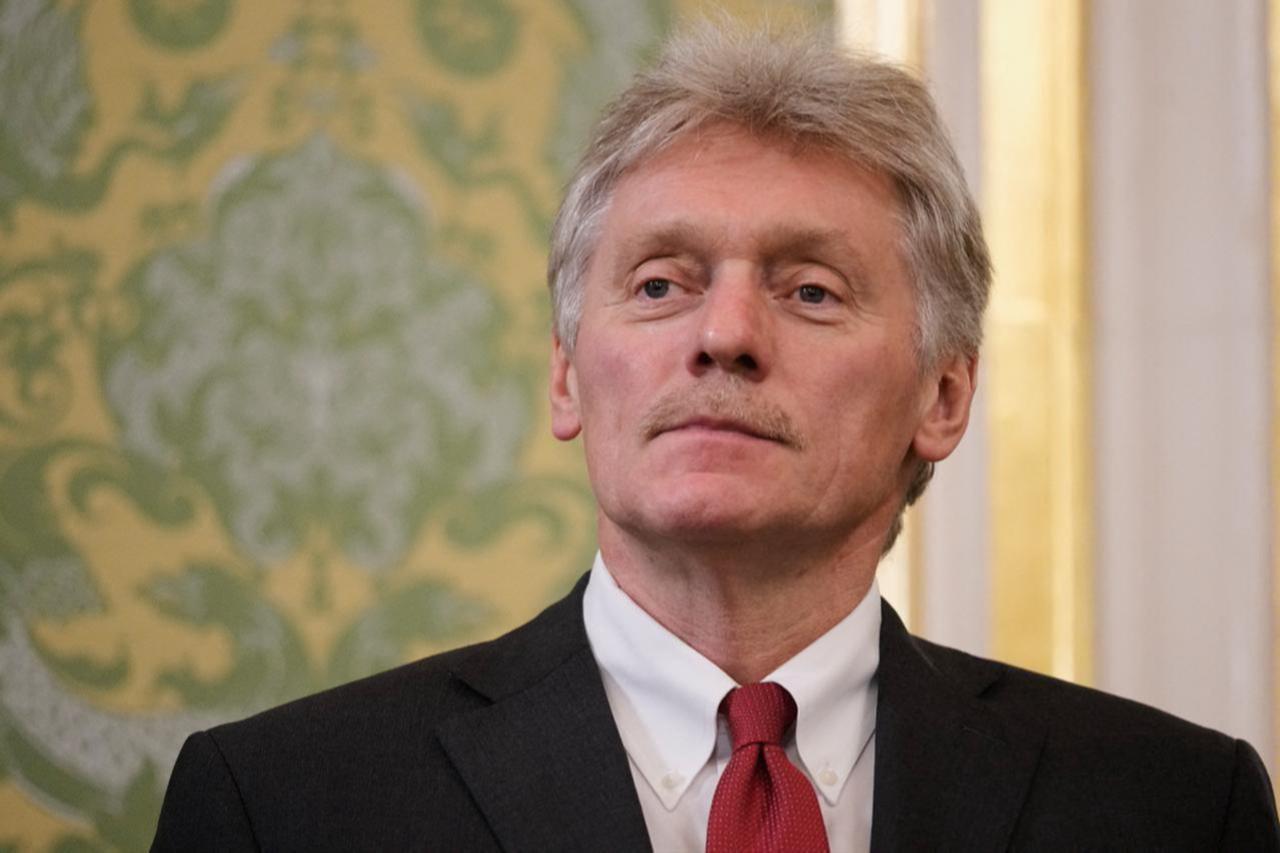


The Kremlin accused the European Union on Thursday of financing the continuation of the war in Ukraine rather than supporting peace, criticizing plans to provide substantial funding to Kyiv under the bloc's next seven-year budget.
Speaking at a news conference in Moscow, Kremlin spokesperson Dmitry Peskov argued that additional European financial assistance would encourage Ukraine to continue fighting while diverting resources from the domestic needs of EU member states.
"The EU is preparing to allocate another large sum of money for the war. This is not money for peace," Peskov said.
He claimed that taxpayers in major European economies, including Germany, France and Italy, would bear the cost of the additional funding.
Peskov argued that resources that could otherwise finance schools, hospitals, social services and higher salaries for teachers and doctors were instead being directed toward military supplies.
"The consequences for the peace process are not very good. The Kyiv regime, encouraged and incited by Europeans, is less inclined toward a peace process and more disposed toward continuing the war to the detriment of the interests primarily of Ukrainian citizens," he said.
His remarks came as EU leaders discussed the bloc's proposed 2028-2034 budget and additional financial assistance for Ukraine, including funding intended to support Kyiv's economic and military needs.
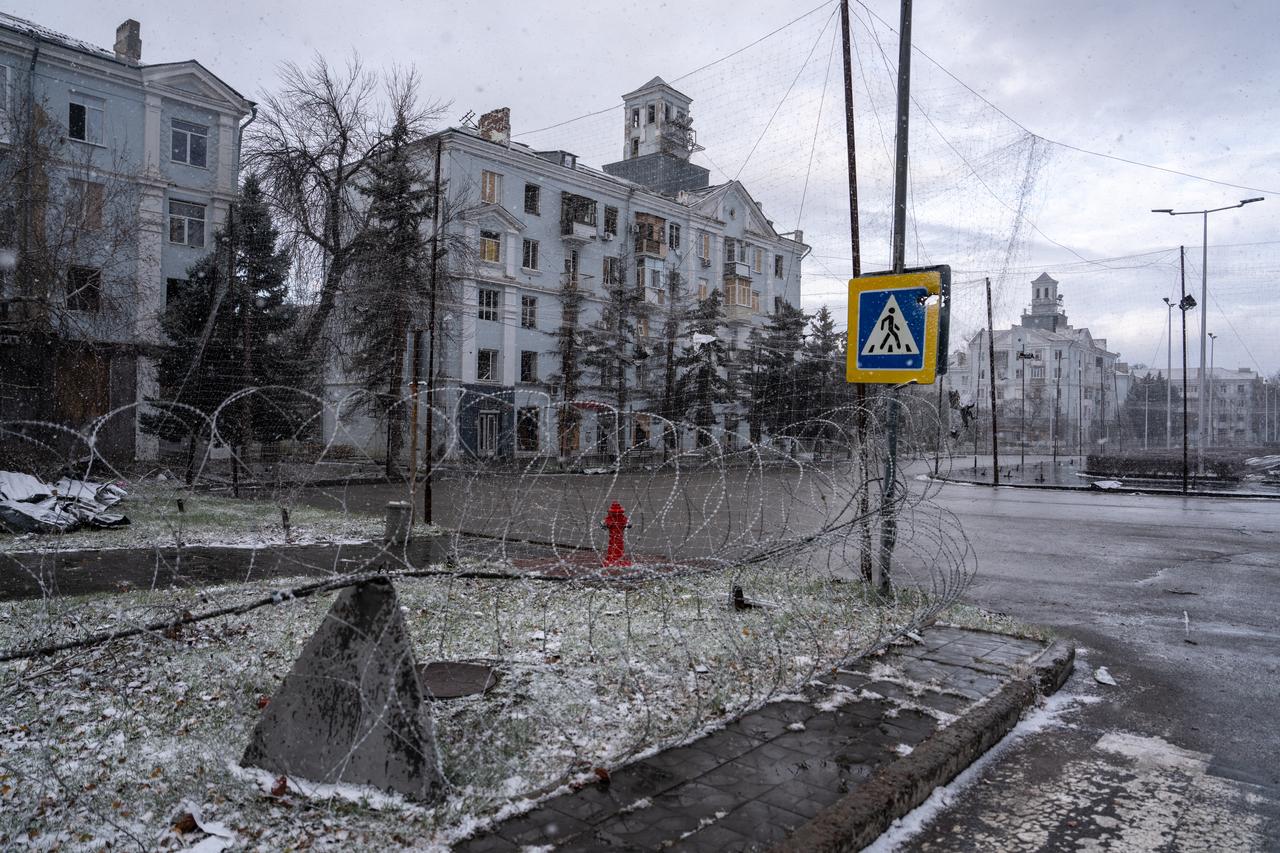

Separately, Peskov said Russian and Ukrainian officials were continuing preparations for a large-scale prisoner exchange agreed in principle during negotiations in Abu Dhabi earlier this month.
He said intelligence services from both countries were working with mediators and their respective human rights ombudsmen to prepare lists of prisoners eligible for exchange.
"We expect this work to be completed soon. Then this indeed large-scale exchange will be able to take place," Peskov said.
The Kremlin spokesperson declined to provide details about the number of prisoners involved or a possible date for the exchange.
The negotiations follow recent diplomatic efforts aimed at addressing humanitarian issues and exploring possible steps toward ending the conflict.
Peskov also addressed concerns raised by the United States about the possibility of the war expanding beyond Ukraine.
He said Moscow interpreted those warnings as referring to what he described as Kyiv's attempts to broaden the geographical scope of the conflict.
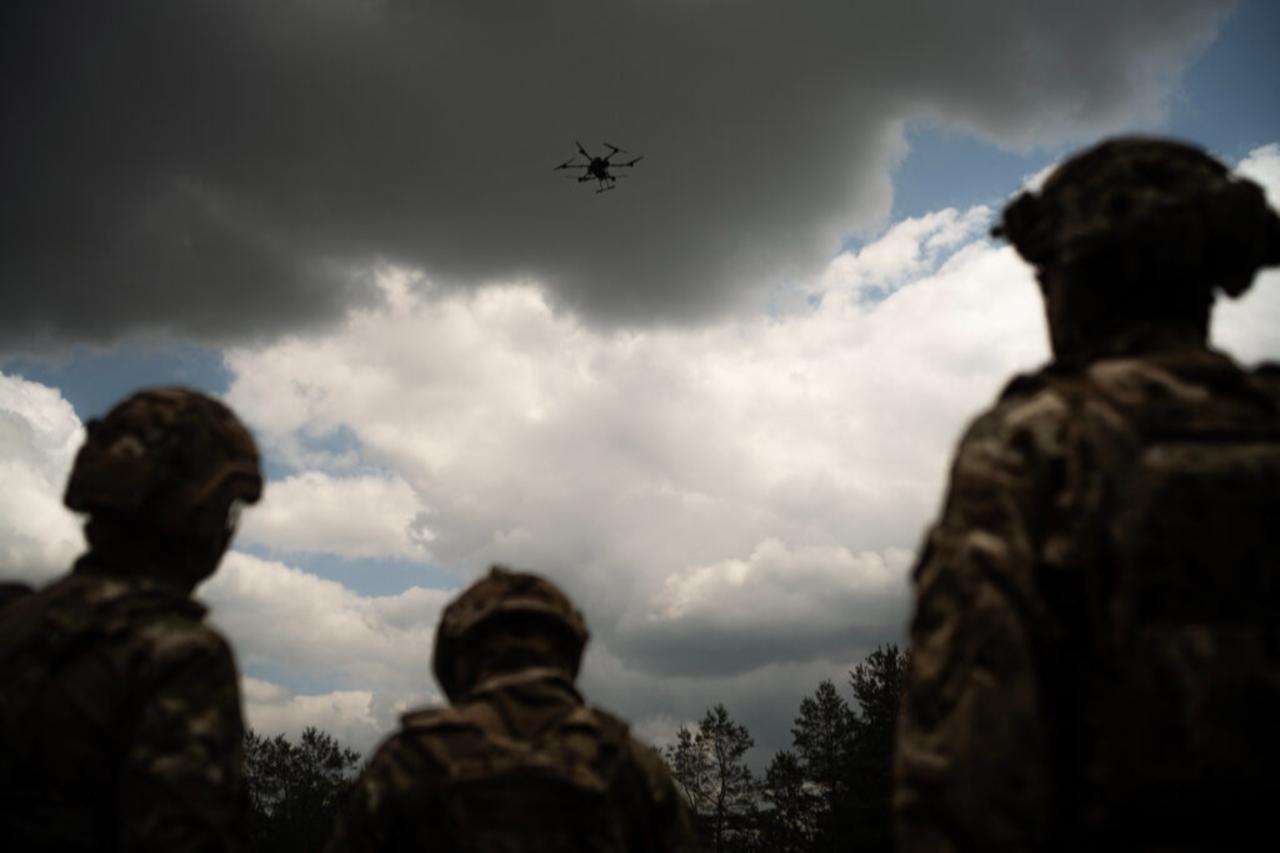
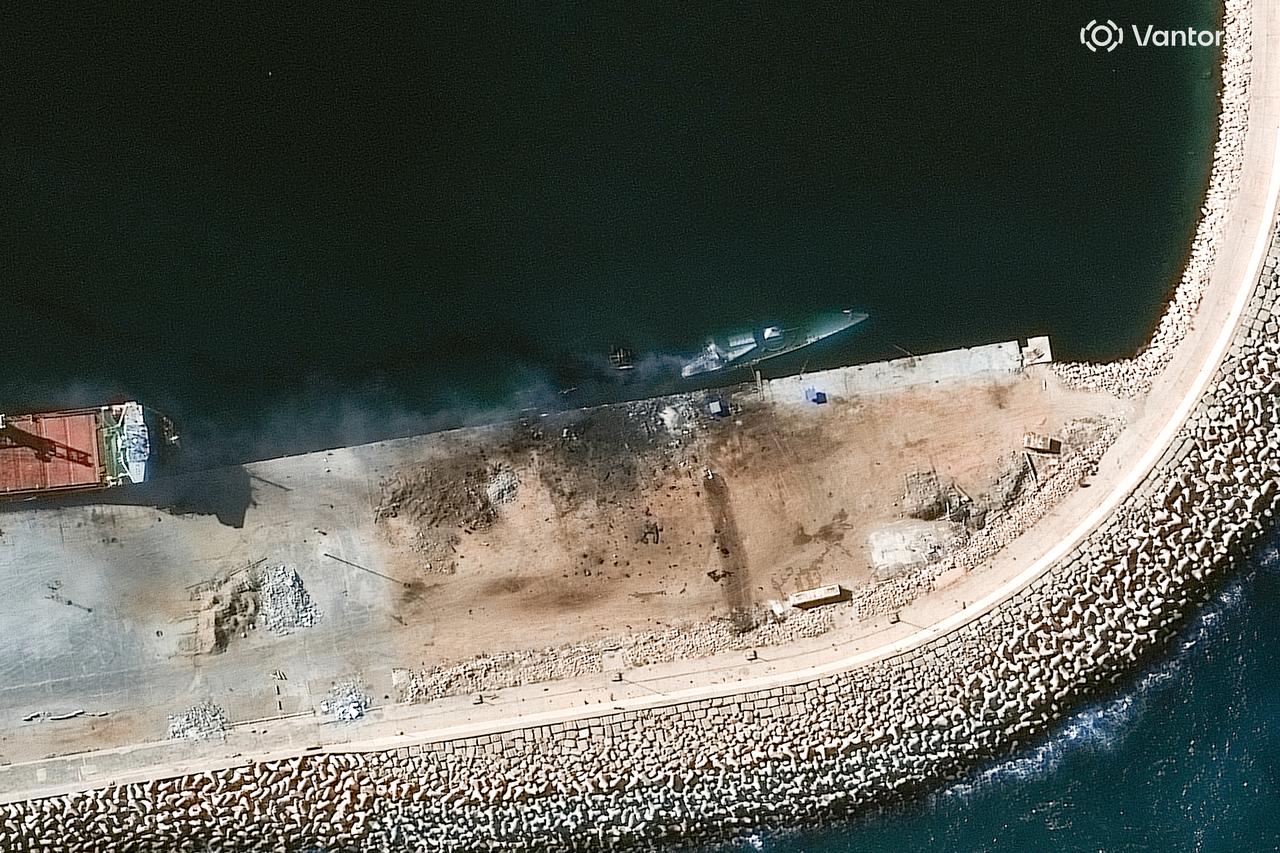
The Kremlin spokesperson accused Ukraine of conducting "terrorist activity" in the Mediterranean and Baltic seas, claiming such operations could threaten coastal countries and potentially NATO as a whole.
"Nobody would want the geographical scope of the conflict to expand, and these actions by the Kyiv regime are potentially very dangerous," Peskov said.
He did not provide specific evidence supporting the allegations in the remarks cited.
Asked whether Russian President Vladimir Putin would personally attend the G20 summit scheduled for Dec. 14-15 in Miami, Peskov said no decision had been made.
He noted that Putin's December agenda was expected to be particularly busy, including regional visits, infrastructure project openings, presidential council meetings and engagements with public organizations.
The Kremlin has not announced whether Putin will travel to the United States for the summit.


 Set as preferred source
 Set as preferred source


 1 min read
 1 min read