Sign in
 Newsletters




The Kremlin said Thursday that Ukraine is trying to spread the war to the Mediterranean and Baltic seas, calling it "potentially very dangerous" after recent Ukrainian attacks on Russian ships.
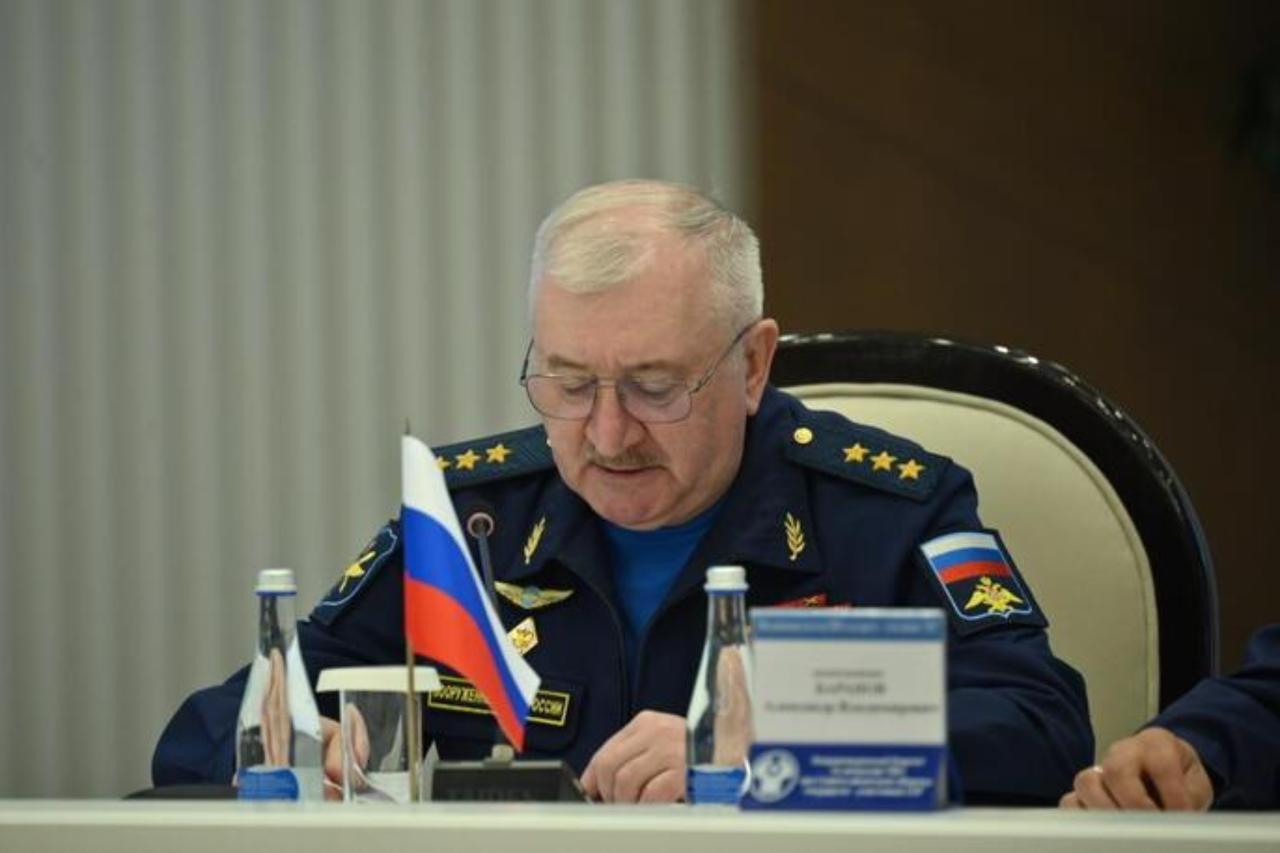
Kremlin spokesman Dmitry Peskov made the remarks in response to a joint statement by U.S. President Donald Trump and NATO Secretary-General Mark Rutte urging Russia to avoid actions that widen the war.
Peskov told reporters on a conference call that no one wanted the conflict to expand, but he said Ukraine, not Russia, was trying to widen it.
"As regards the escalation of the conflict in Ukraine, this appears to refer to attempts by the Kyiv regime to expand the geographical scope of this conflict," Peskov said, adding, "We are witnessing terrorist activity by the Kyiv regime in the Mediterranean and the Baltic."
"This cannot fail to cause concern amongst coastal states, and most likely within the Alliance as a whole, the North Atlantic Treaty Organization," he added.
"Of course, nobody would want the conflict to spread geographically, and these are potentially very dangerous actions on the part of the Kyiv regime," Peskov said.

Trump and Rutte issued the joint statement Wednesday after meeting in Florida. They said Russia should avoid actions that expand its full-scale war in Ukraine, which it launched in 2022.
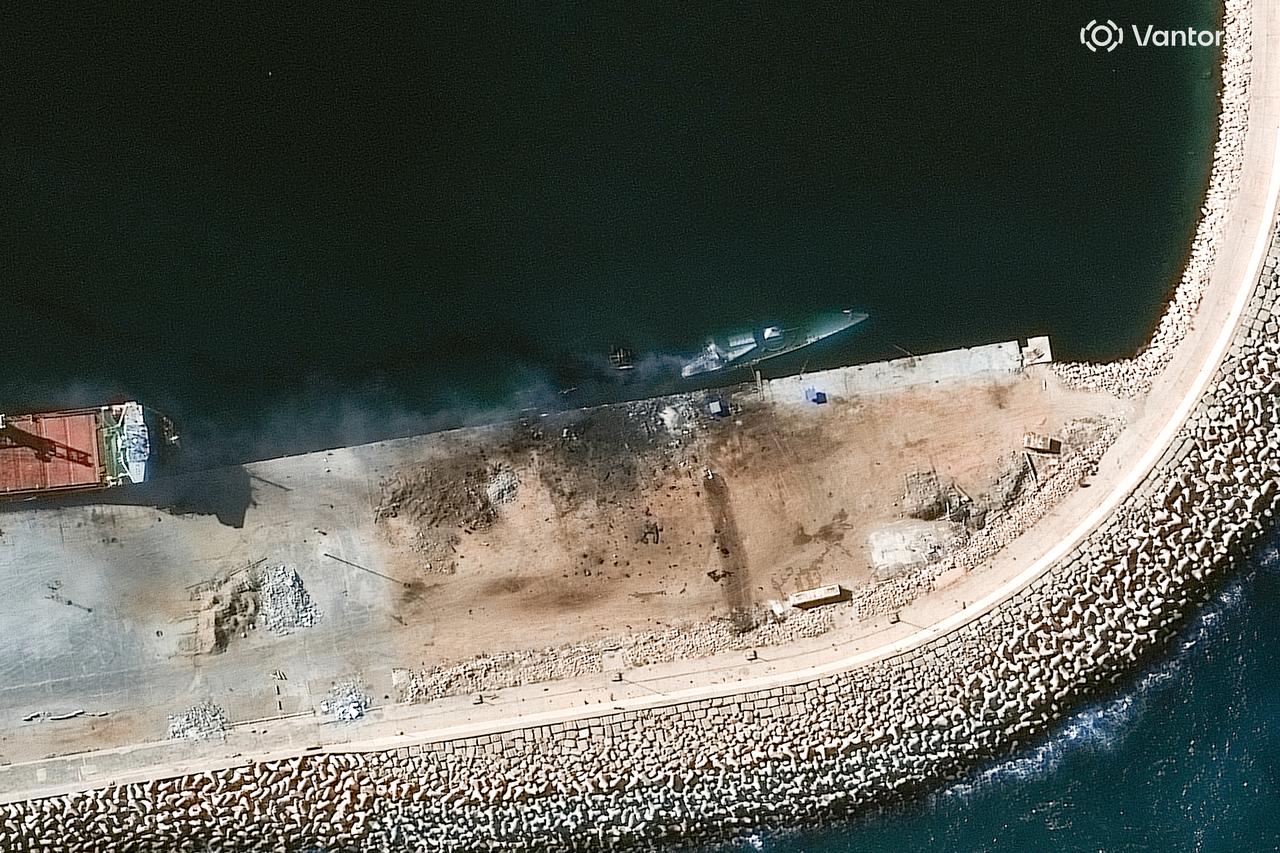
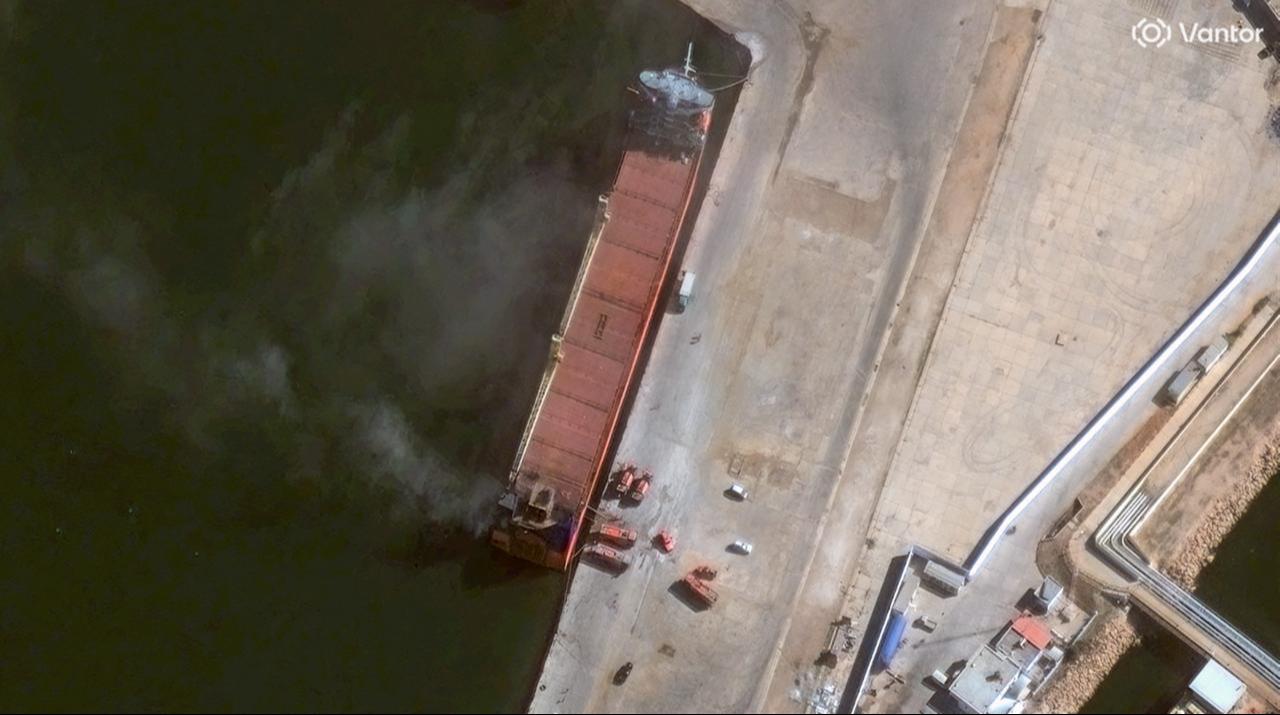
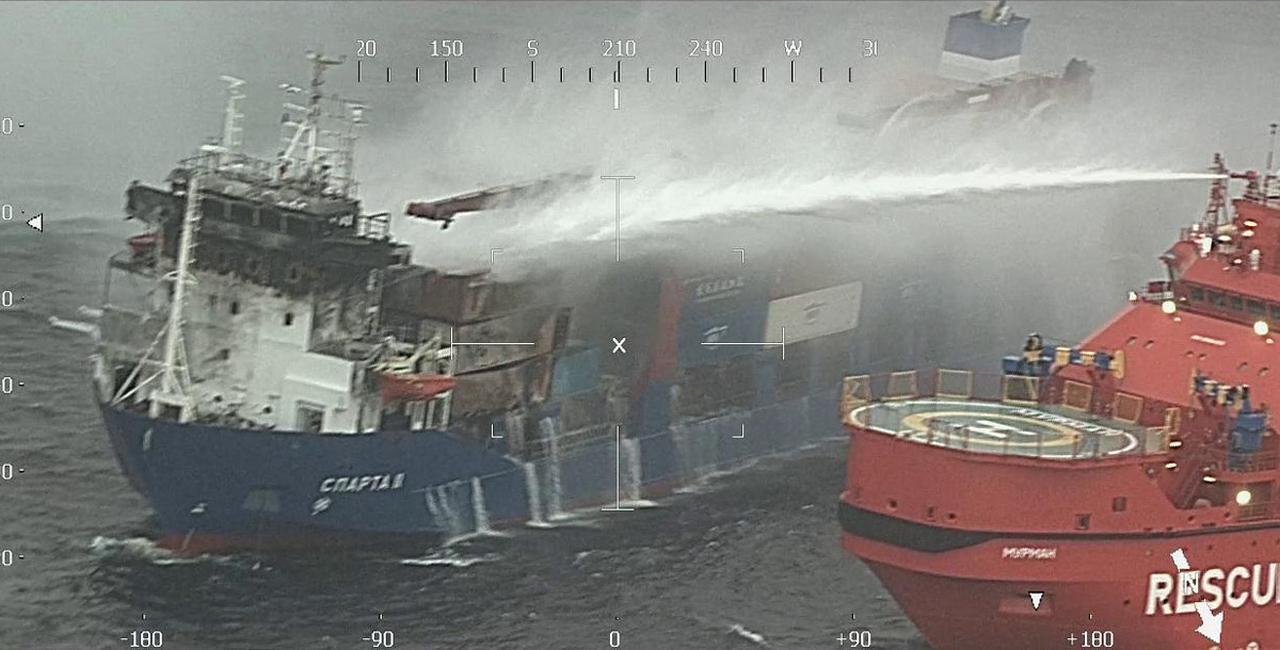
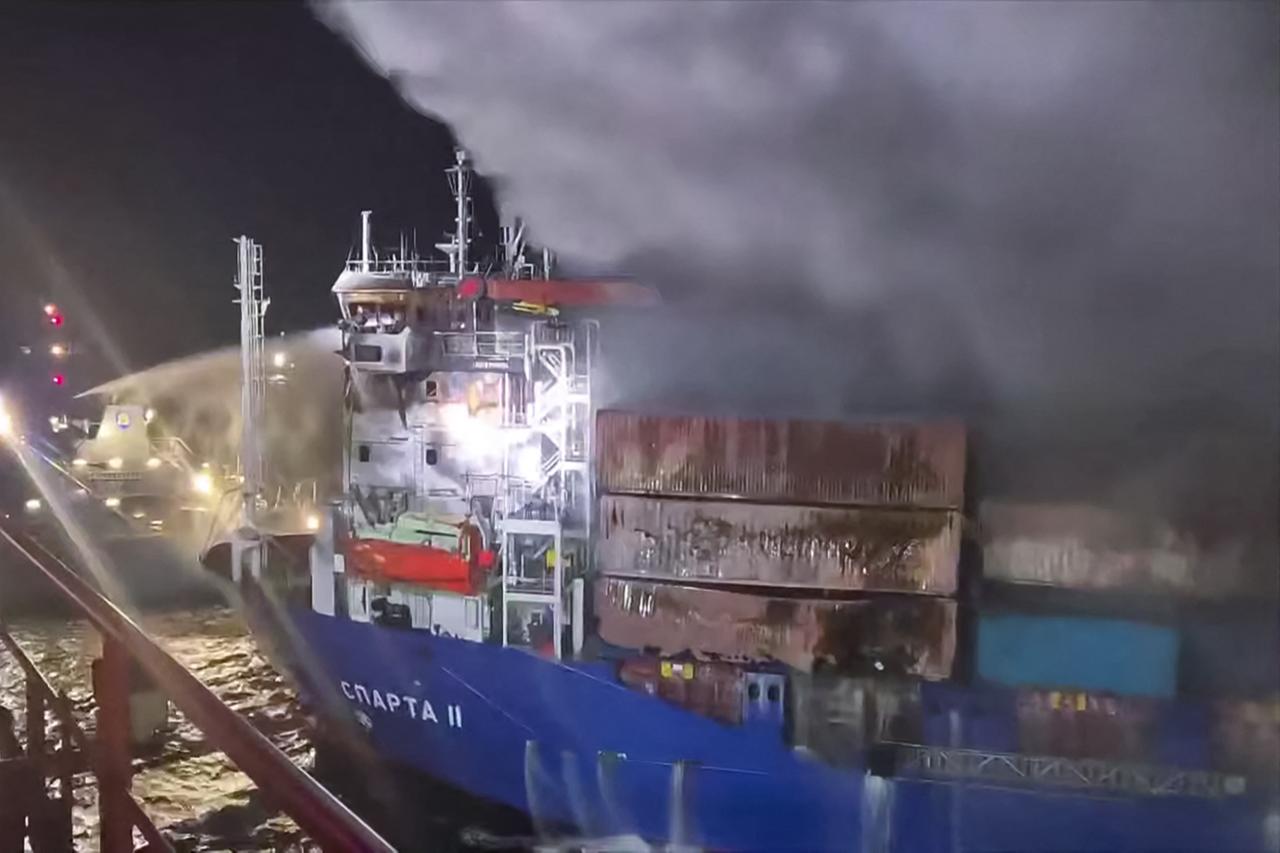
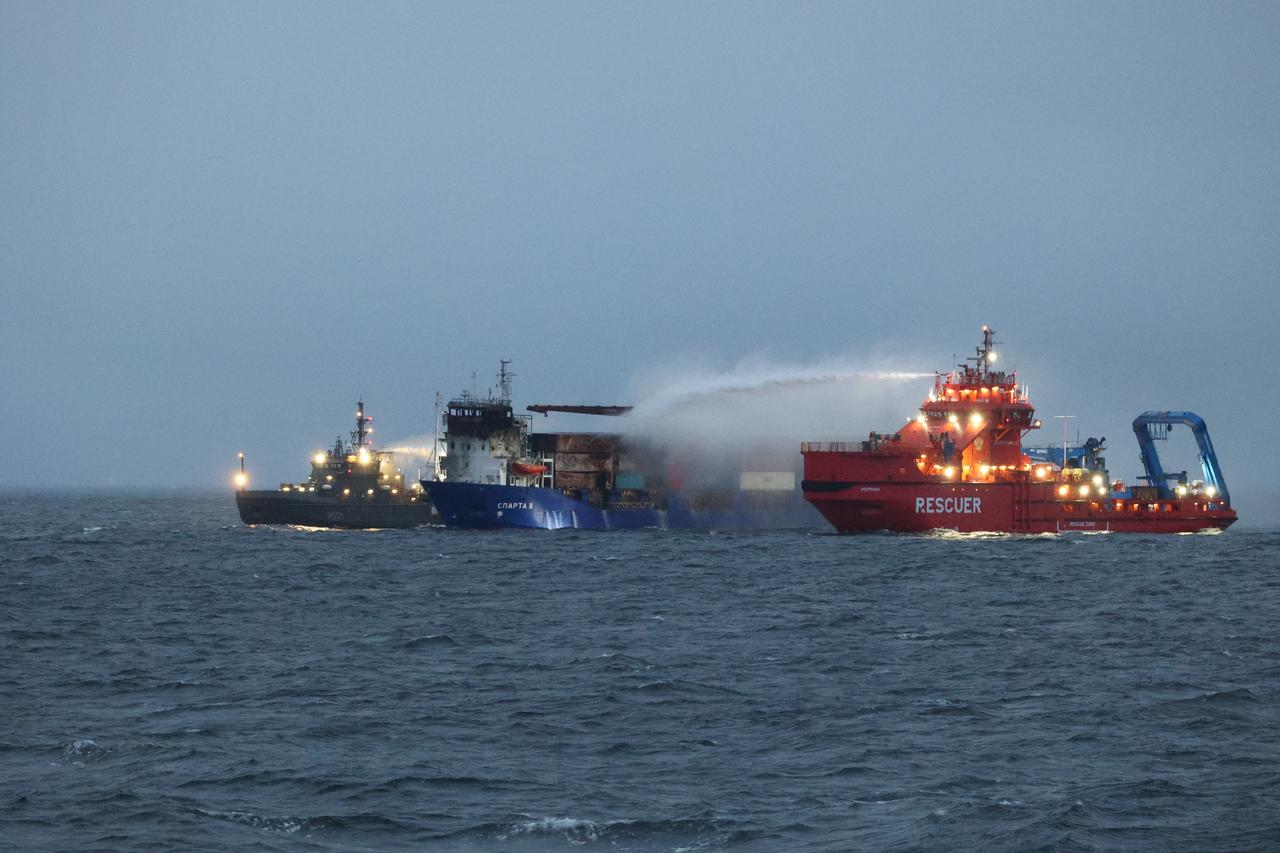
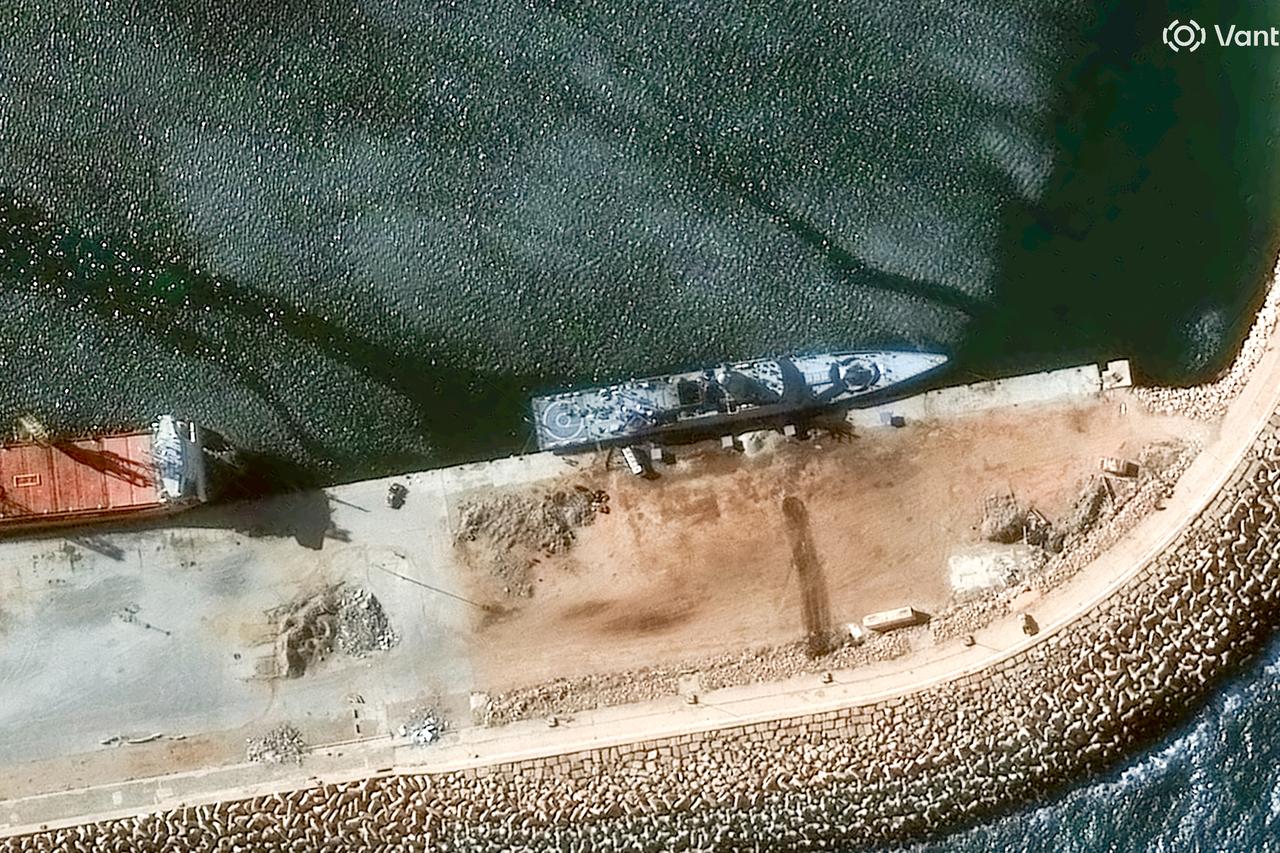
Ukraine said it sank a Russian naval corvette in a Libyan port with maritime drones Sunday. The day before, Ukraine carried out a drone strike on a Russian military-linked cargo ship, the Sparta II, in the Gulf of Finland.
Libyan authorities condemned Ukraine's actions.
Italy told Kyiv it was wrong to attack Russian ships in Libyan waters and warned it not to spread the war to new areas.
Norway urged Ukraine to be cautious in any Baltic Sea operations. Norwegian Defense Minister Tore Sandvik said Oslo is in dialogue with Kyiv on the importance of maintaining stability in northern Europe and in areas near the Scandinavian countries' borders.
German Defense Minister Boris Pistorius warned Kyiv against expanding the conflict to the Baltic Sea region and said Ukraine's authorities bear "special responsibility." He said Berlin would not reduce its support for Kyiv.
German Foreign Minister Johann Wadephul pledged full solidarity with Ukraine but warned the war must not spread to the Baltic Sea.
Wadephul also condemned attacks on merchant ships in the Black Sea, saying "we cannot accept" them. Speaking at a news conference in Berlin with Romanian Foreign Minister Dan Neculaescu, he called for "concrete steps," such as a ceasefire in the area.
He said Russia should prove its willingness to negotiate through such steps.
Attacks by both sides on shipping in the Black Sea have increased since the summer. Ships from many countries have been hit, especially from Türkiye.
The corvette sunk in Libya belonged to Russia's Black Sea Fleet but could not return to the Black Sea because Türkiye has closed the Bosporus and Dardanelles to warships.
Elisabeth Braw, a security expert at the Atlantic Council, told Deutsche Welle (DW) that Ukraine's targets are not chosen at random.
"We are not talking here about some randomly selected shadow fleet freighters that simply transport oil," Braw said.
"Ukraine knows very precisely which ships fulfill which functions for the Russian army," Braw said, adding, "And it is able to target them, wherever and in whatever waters they are. And that is something Ukraine could not yet do at the start of the war."
Joachim Weber, a security expert at the University of Bonn's CASSIS, told tagesschau.de that Zelenskyy, disappointed with the U.S. stance, barely takes Washington into account anymore. He said the attacks signal that "the last inhibitions are falling" and that Kyiv is ready to expand the conflict geographically to increase pressure on Moscow despite the risks.
Weber warned that the war could become omnipresent as Russia increasingly gives its shadow fleet military escorts.
"The probability that at some point an exchange of fire will occur by accident between the armed forces, coast guards or whoever then rises enormously," Weber said.
Braw said violations of maritime law are also rising in other conflicts, "for example in the South China Sea, in the Strait of Hormuz or in the Red Sea."
About 90% of global trade travels by sea.
She warned that actors worldwide "could come to the conclusion that it is not to their advantage to follow the rules of international maritime law."
"It may be more lucrative for them to violate maritime law to gain a short-term advantage," Braw said, noting, "So I fear that other countries could also come up with the idea of breaking maritime law too. And that would make the world's oceans significantly less safe, for everyone."


 Set as preferred source
 Set as preferred source


 1 min read
 1 min read