Newsletters


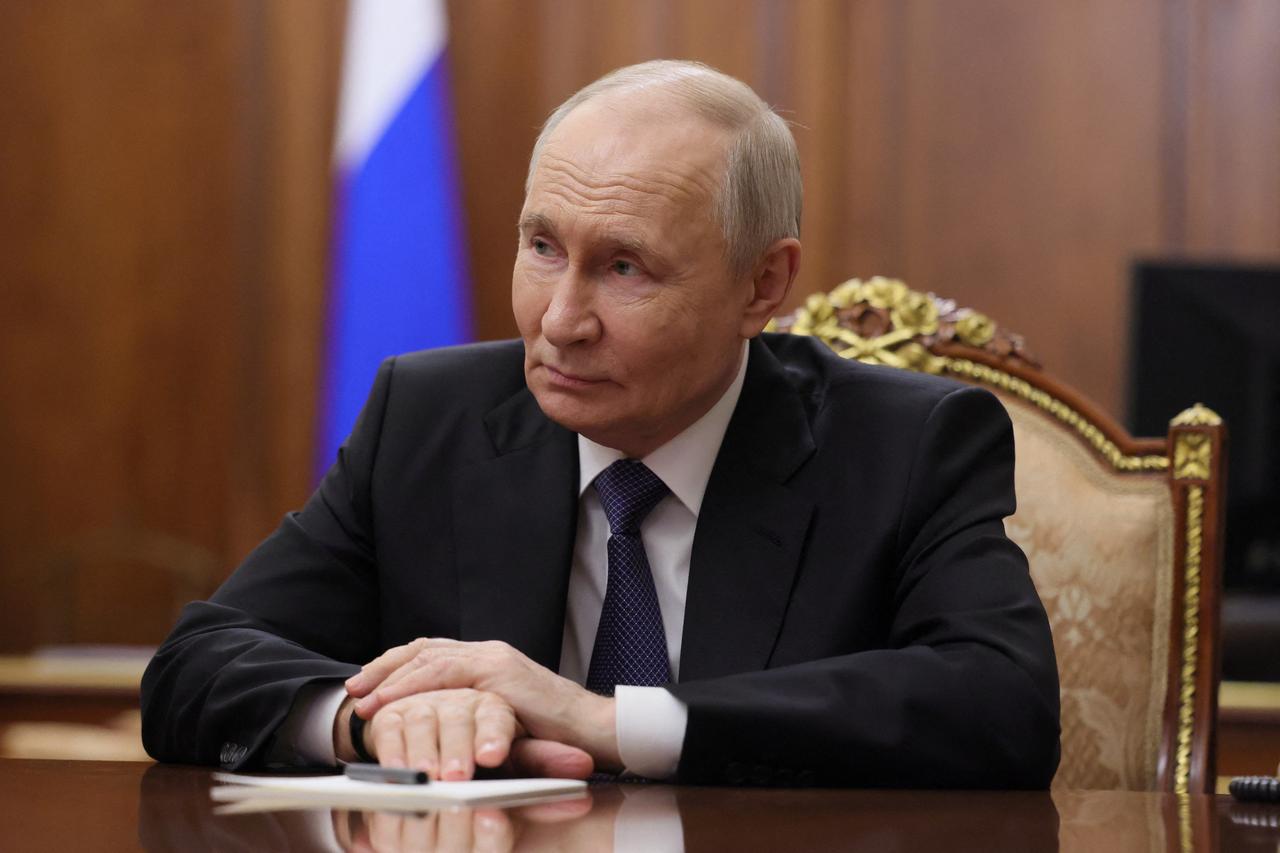


The Kremlin on Thursday denied reports that Russia proposed alternatives to the Joint Comprehensive Plan of Action (JCPOA) on Iran’s nuclear program during a phone call between Russian President Vladimir Putin and U.S. President Donald Trump.
“No, that is not true,” Kremlin spokesman Dmitry Peskov told journalists when asked whether Moscow had proposed creating a new mechanism similar to the JCPOA to resolve disagreements over Tehran’s nuclear program.
Putin and Trump held a phone call Wednesday, with the discussion focused mainly on the situation around Iran and the Gulf, among other issues.
After the call, Russian presidential aide Yury Ushakov said Moscow remained committed to supporting diplomatic efforts for a peaceful resolution to the crisis.
“Russia is firmly committed to providing every possible assistance to diplomatic efforts to find a peaceful resolution to the crisis and has suggested several proposals aimed at resolving the differences surrounding the Iranian nuclear program,” Ushakov told reporters.
He said Russia would continue active contacts with Iranian representatives, leaders of Gulf states, Israel and the U.S. negotiating team.
Peskov also responded to what he called “expert opinions” suggesting the Putin-Trump call had significantly defused the global situation.
He said he had not heard such assessments and added that one phone call could not suddenly improve the global situation.
“Unfortunately, the concentration of conflicts is so great and the consequences of a whole series of conflicts for the international situation, for the international economy, are so serious that, of course, it is very difficult to stop these trends in one moment,” Peskov said.
Peskov also addressed a ceasefire proposed by Putin during his phone call with Trump on the occasion of Russia’s Victory Day celebrations on May 9.
He said no decision had yet been made on the exact timing.
“For now, we're assuming we're talking about Victory Day, but the hours when this ceasefire will begin and end will be announced and decided by the supreme commander-in-chief,” Peskov said, referring to Putin.
He said Russia had not yet received a response from Ukraine on the proposal.
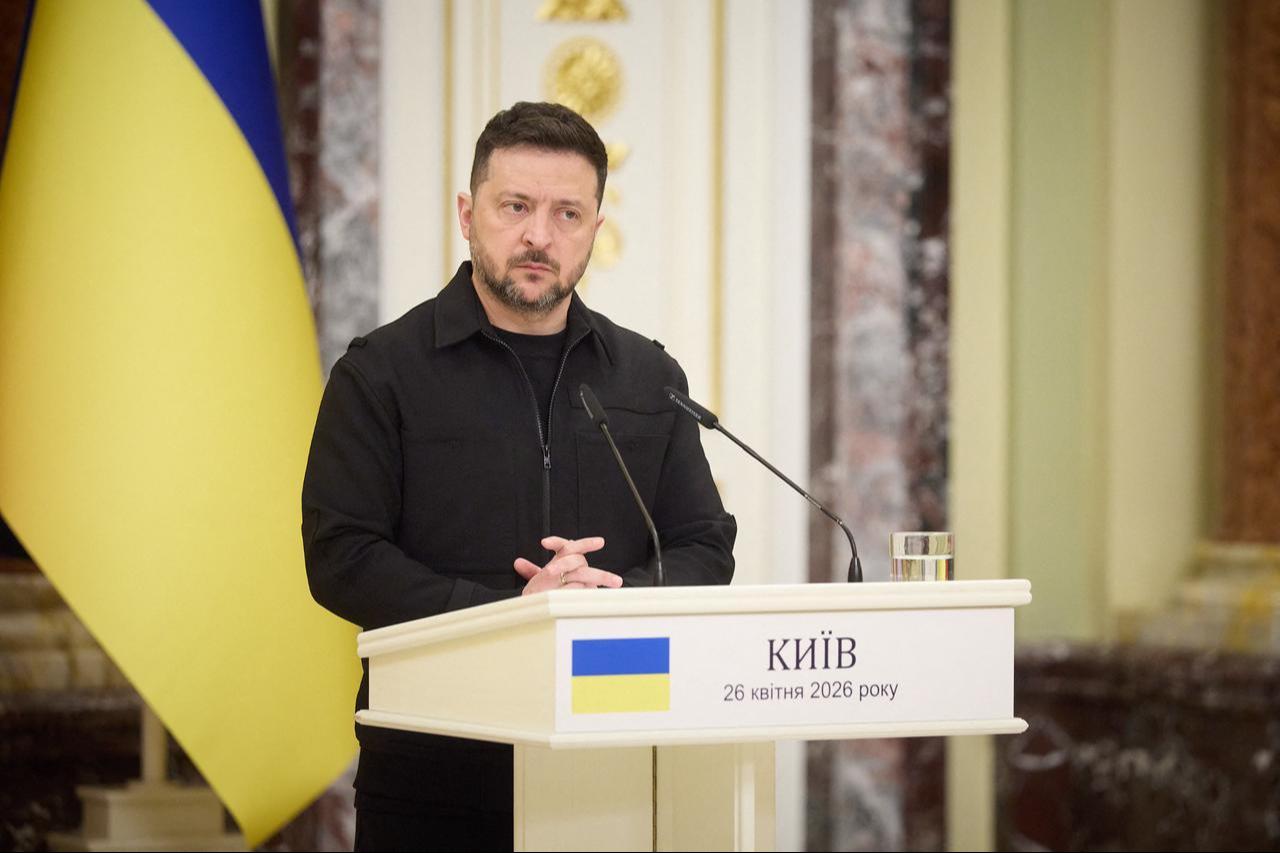

Ukrainian President Volodymyr Zelenskyy said Thursday on X, the U.S. social media platform, that he had instructed Ukrainian representatives to contact Trump’s team to clarify details of the proposed ceasefire.
He said Kyiv was continuing diplomatic efforts to end the four-year war.
“We will clarify what exactly this is about—a few hours of security for a parade in Moscow, or something more. Our proposal is a long-term ceasefire, reliable and guaranteed security for people, and a lasting peace,” Zelenskyy said.
Peskov later told Russian state news agency Tass that Putin had not invited Trump to the Victory Day parade scheduled for May 9 in Moscow.
He also said separately that there were currently no discussions about Azerbaijan as a possible venue for Russia-Ukraine peace negotiations, after Zelenskyy said during a visit to Baku last week that Ukraine was ready to hold such talks in the South Caucasus nation.


 Set as preferred source
 Set as preferred source


 1 min read
 1 min read