Newsletters




U.S. military commanders are preparing to hand President Donald Trump a plan for a "short and powerful" wave of strikes targeting Iran, according to a report.
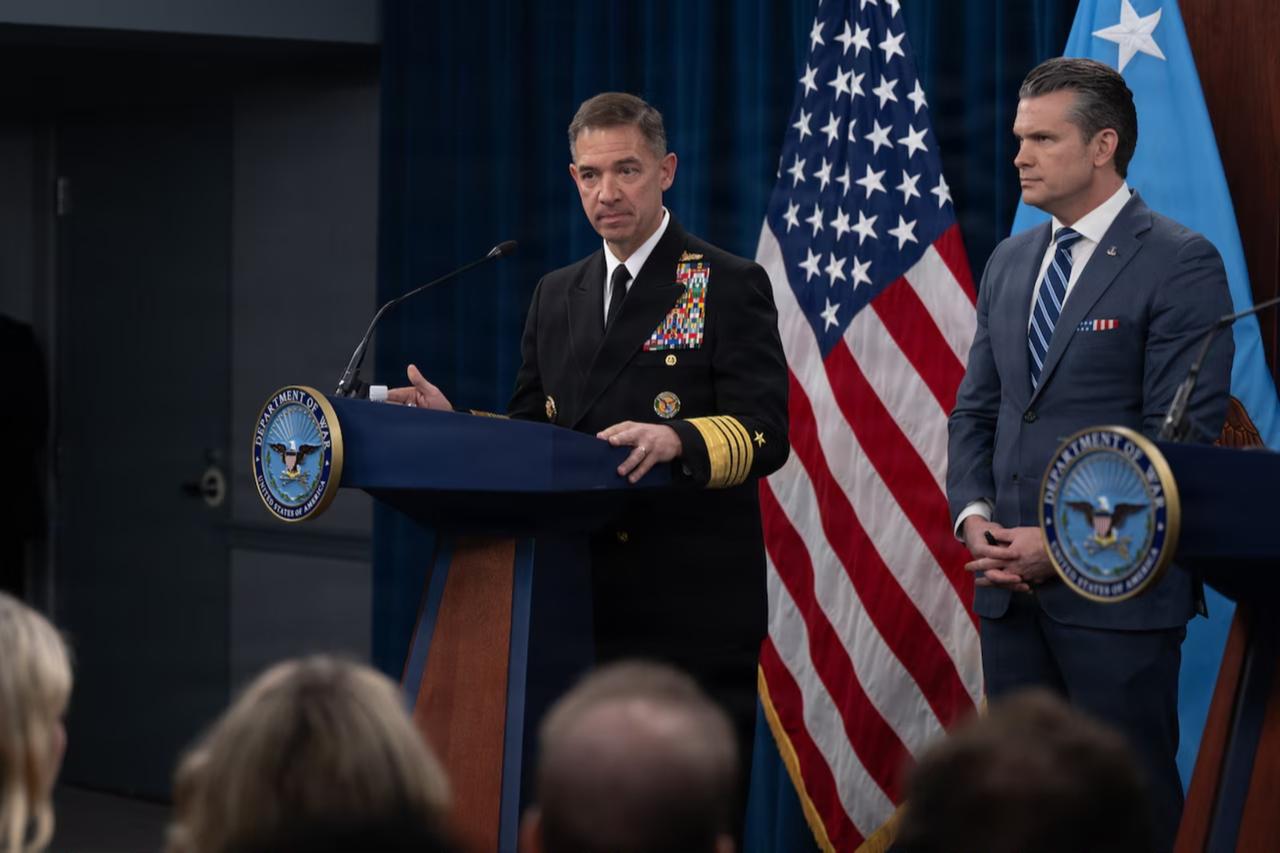
The proposal is expected to be presented during a Thursday briefing led by CENTCOM Commander Adm. Brad Cooper, with Joint Chiefs Chairman Gen. Dan Caine also set to join.
The draft plan focuses on a fast, high-impact strike campaign likely aimed at Iranian infrastructure, with the goal of breaking the deadlock over the nuclear issue. Officials see the option as a way to push Tehran back to the table with more flexibility, people familiar with the planning told Axios.
Other scenarios expected to come up include taking control of parts of the Strait of Hormuz to reopen commercial shipping routes, a move that could involve ground forces. Another option that has circulated in prior discussions involves a special forces operation to secure Iran’s stockpile of highly enriched uranium.
Trump on Wednesday accused Iran of dragging its feet on a non-nuclear deal, and warned the longer it drags on, the worse it will get for Tehran. "They don’t know how to sign a nonnuclear deal. They better get smart soon!" he wrote.
Plans for a second round of indirect talks in Islamabad remain stalled after Trump canceled a U.S. delegation visit, choosing to wait for a new Iranian proposal. Tehran has since offered a plan to lift the blockade, reopen the Strait of Hormuz and extend a ceasefire, pushing nuclear talks to a later stage.
Trump reportedly waved off the plan, doubling down on Washington’s demand for immediate nuclear action and pushing aides to ramp up the blockade to cut Iran’s oil income and compel a full halt to its nuclear program.
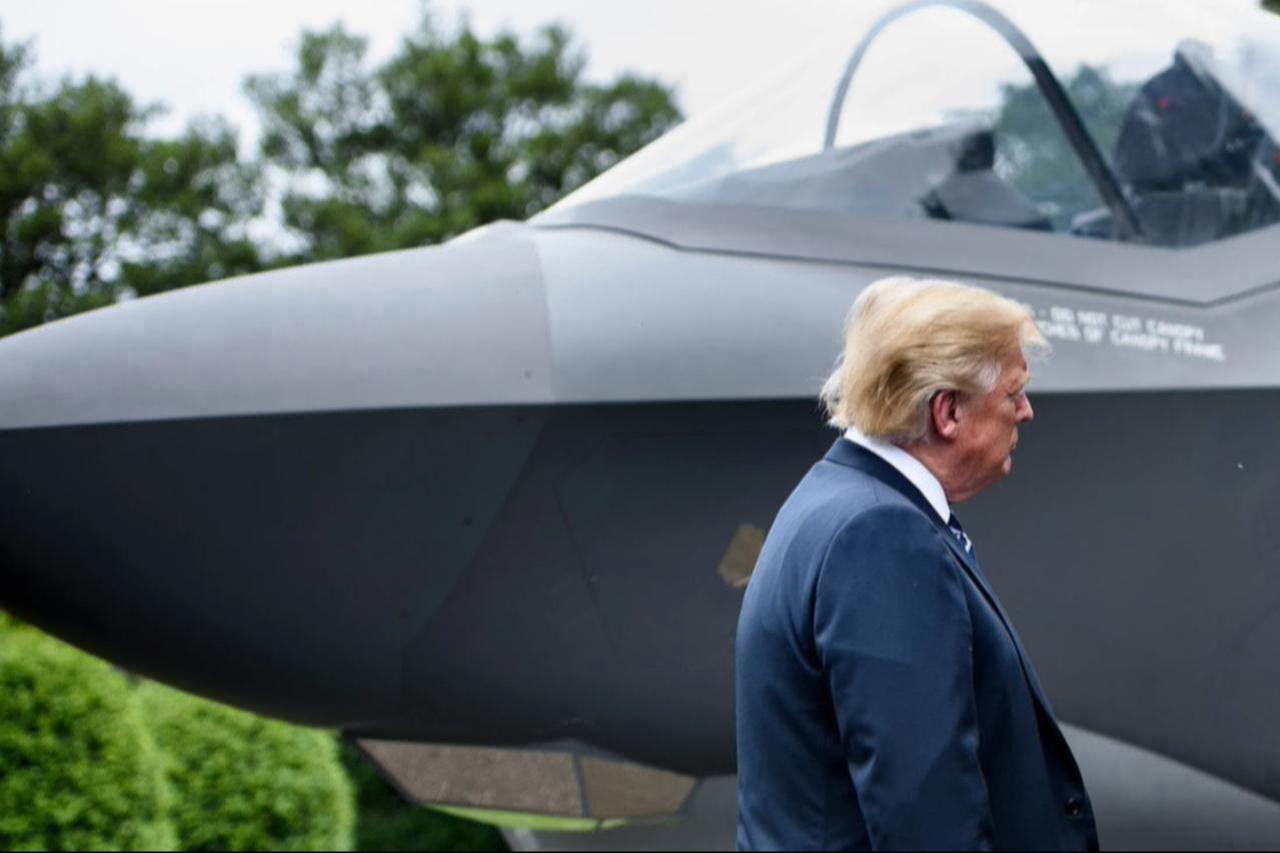

Trump told Axios the blockade is "somewhat more effective than the bombing," signaling it could be extended following a meeting with oil executives at the White House on Wednesday.
He still sees the blockade as his main source of leverage for now, though he remains open to military action if Tehran does not give in. U.S. planners are also weighing the risk of Iranian retaliation against American forces in the region, the report said.
Meanwhile, U.S. Central Command (CENTCOM) said it has redirected a 42nd vessel attempting to bypass the blockade on Iranian ports. It added that 41 tankers carrying a combined 69 million barrels of oil remain unable to be sold, with the stranded cargo valued at more than $6 billion.
Following the report, Brent crude jumped as much as 7.1% to $126.41 per barrel in Asian trading, while West Texas Intermediate rose 3.4% to $110.31 before trimming gains.
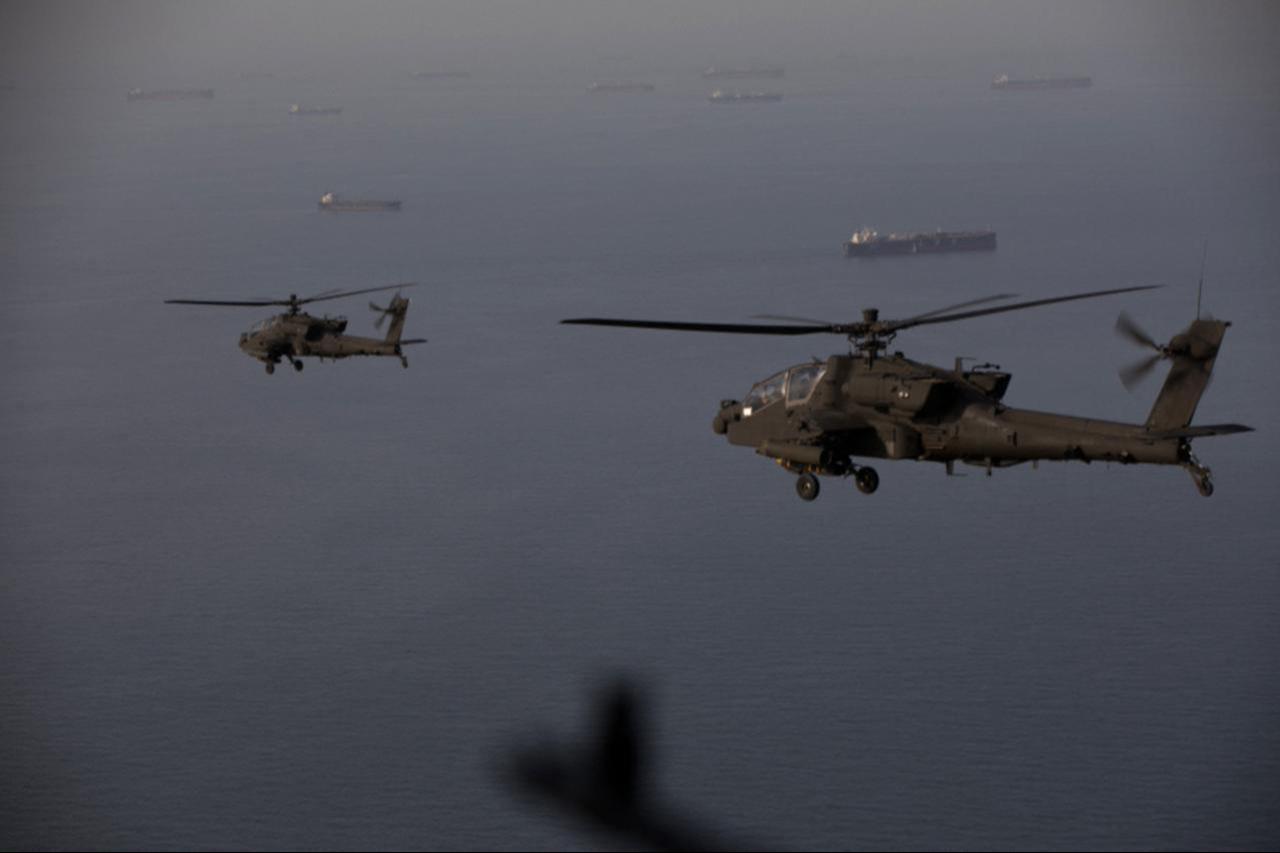
On another front in the conflict, Trump told Axios he pressed Israeli Prime Minister Benjamin Netanyahu to keep operations in Lebanon "surgical" and avoid sliding back into full-scale war.
"I told Netanyahu he has got to do it more surgically. Not knock down buildings. He can't do it. It is too terrible and makes Israel look bad," Trump said in a phone interview.
He added that he views Lebanon as a country that can recover, but blamed Iran and Hezbollah for its current state.
"Iran ruined Lebanon. Their proxy (Hezbollah) ruined Lebanon. When Iran gets taken out, Hezbollah automatically gets taken out," he said.
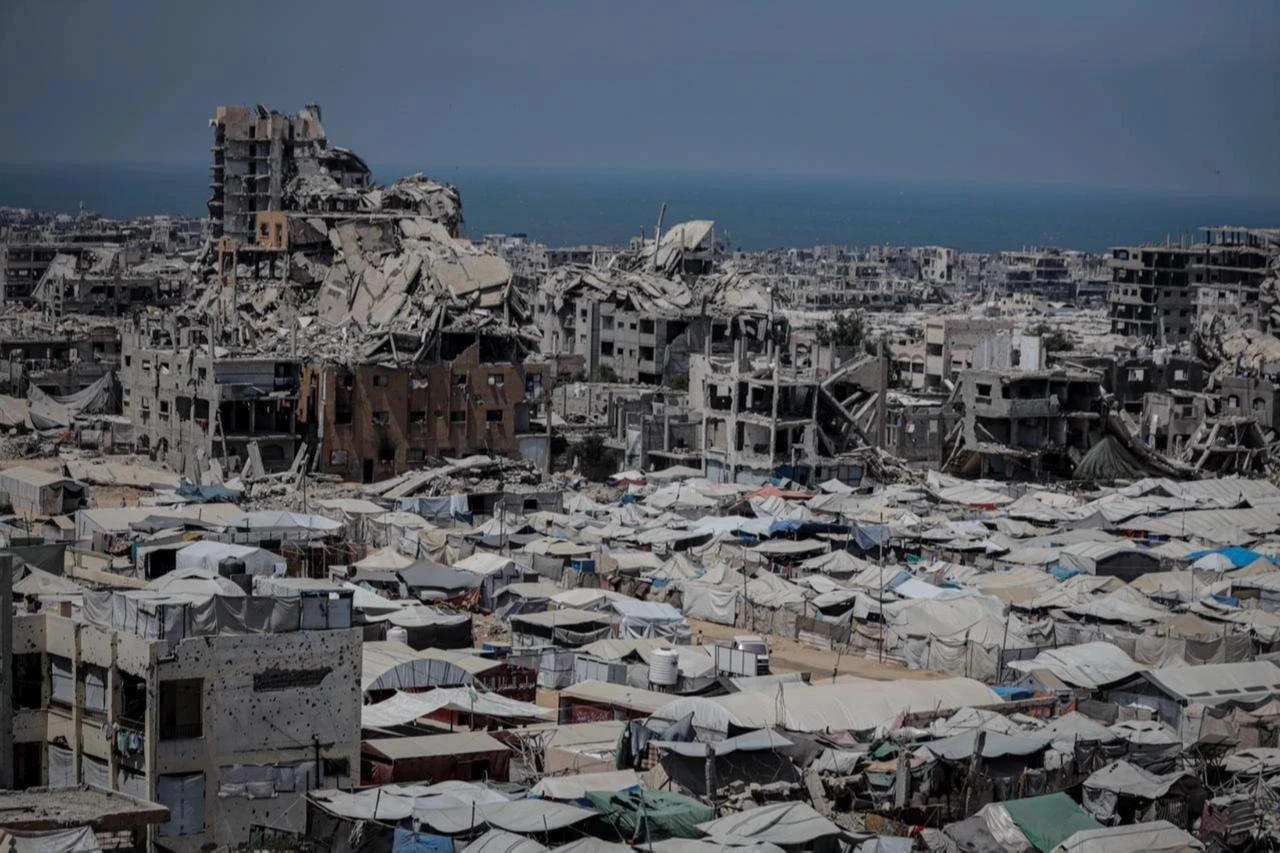
A ceasefire that began on April 17 and was later extended until May 17 continues to be repeatedly breached, with Israeli strikes hitting dozens of villages in southern Lebanon and causing casualties and widespread damage to homes.
Official Lebanese figures show that Israeli attacks since March 2 have killed at least 2,534 people, wounded 7,863, and displaced more than 1.6 million.


 Set as preferred source
 Set as preferred source


 1 min read
 1 min read