Newsletters


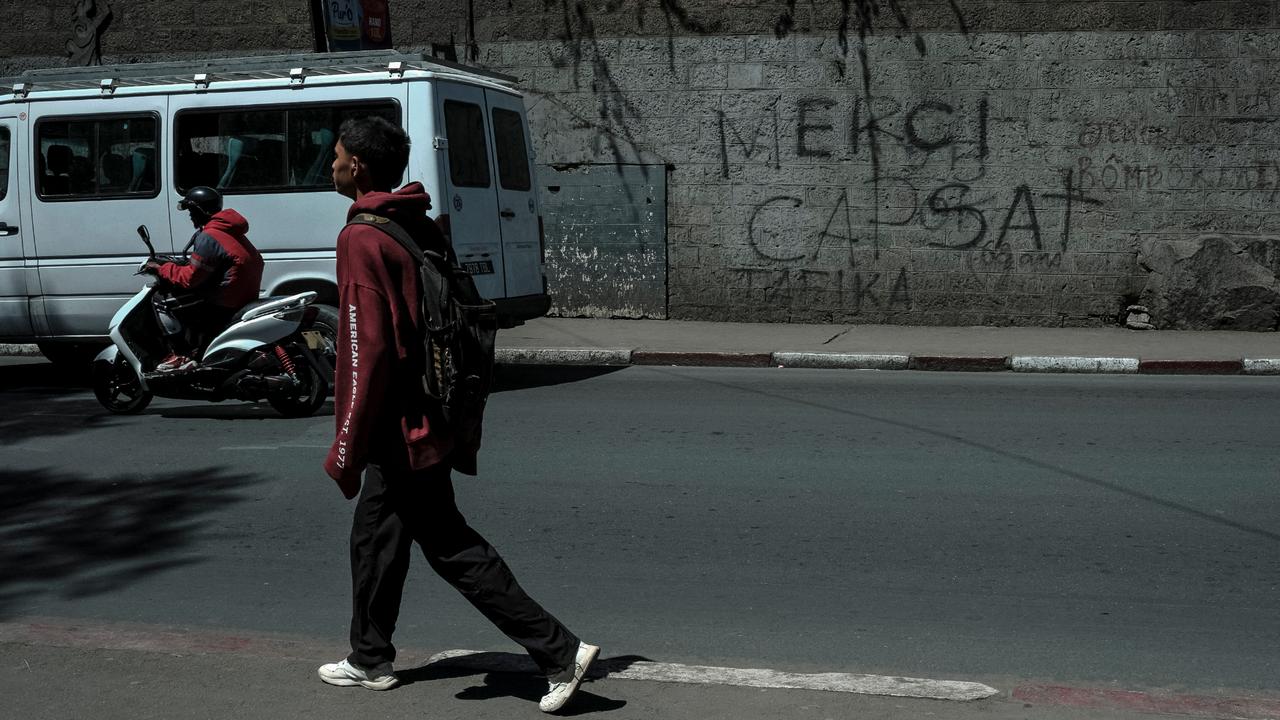
Graffiti lining Antananarivo's traffic-choked roads, reading "Thank you, Capsat," stands as a reminder of the decisive role the army unit played in protests that brought down Madagascar's government a year ago.
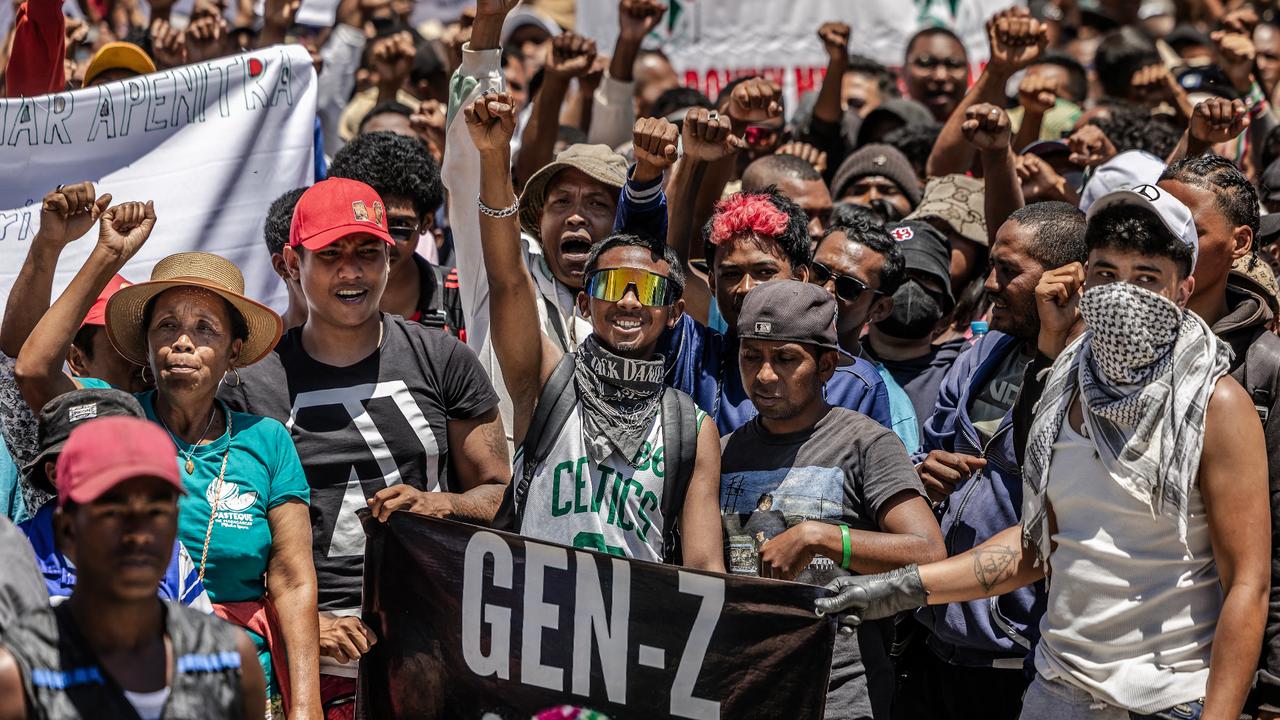
Capsat soldiers' defection to the side of weekslong Gen Z-led demonstrations that began on Sept. 25 dealt the final blow to then-president Andry Rajoelina, who fled the following day aboard a French military plane.
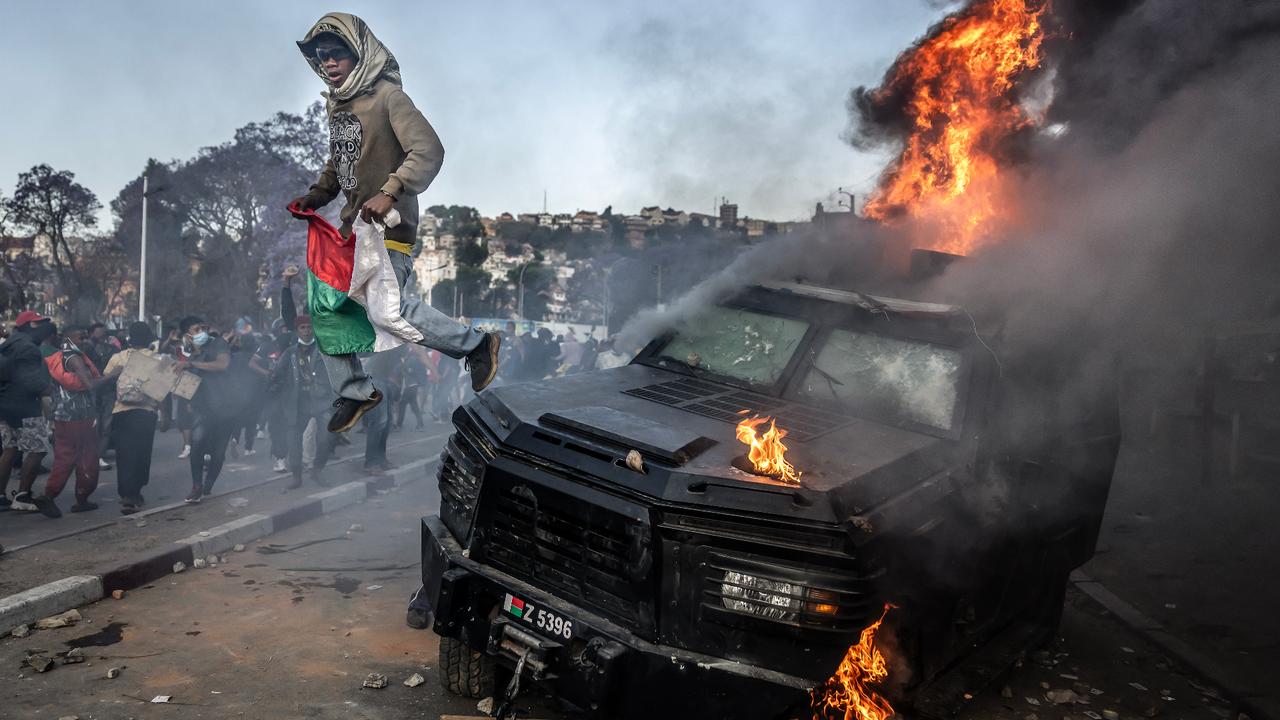
The United Nations reported at least 22 people were killed in the first days of the protests, some at the hands of security forces and others in violence sparked by criminal gangs and looters.
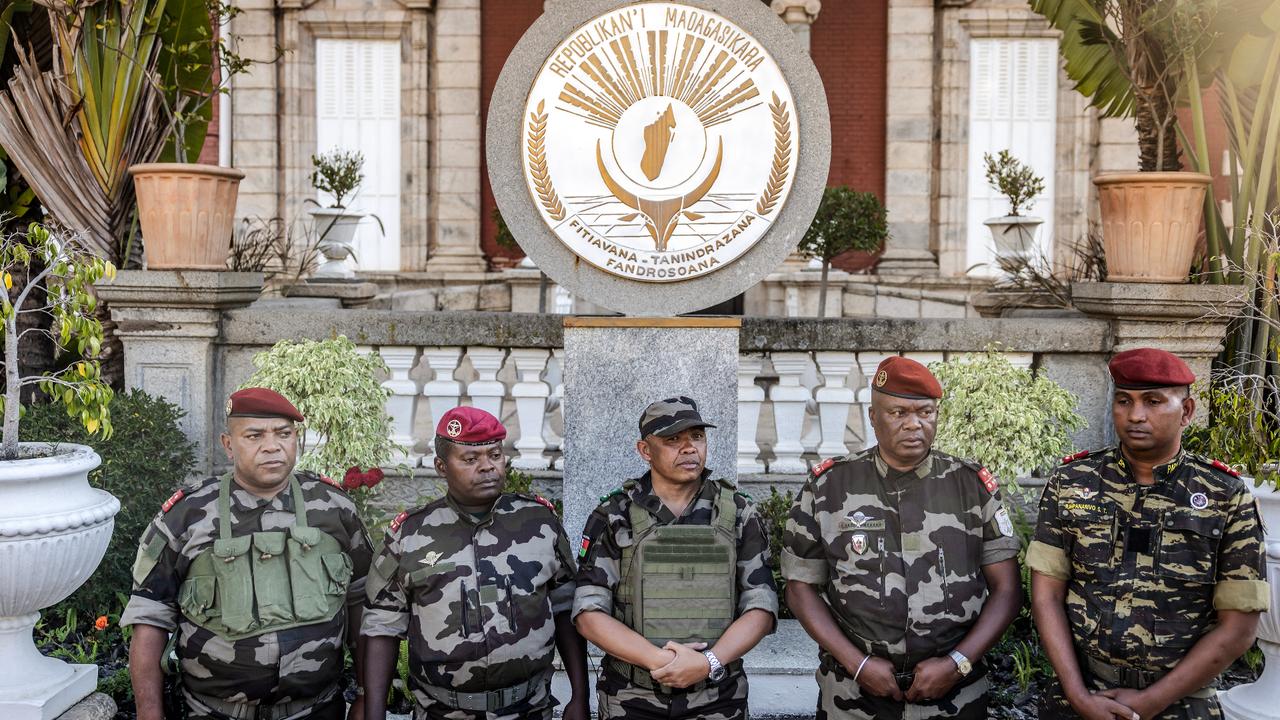
With Rajoelina gone, the military installed Capsat commander Colonel Michael Randrianirina as "President of the Refoundation of the Republic of Madagascar," promising elections within 2 years.
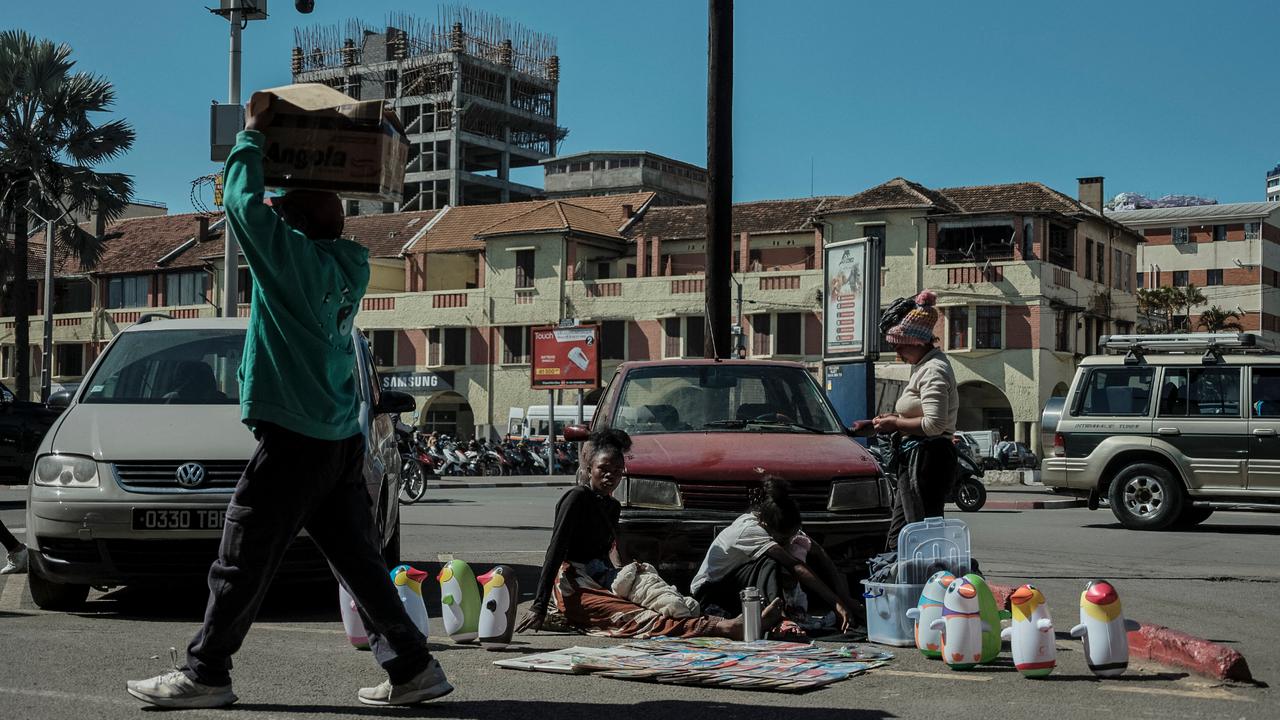
A year on, activists who led the protests, sparked by chronic water and electricity cuts, say little evidence of any "Refoundation" exists.
"The basic demands still haven't been met," said Mihary Rakotondravelo, a prominent Gen Z figure, noting he'd faced a power cut before speaking with Agence France-Presse (AFP).
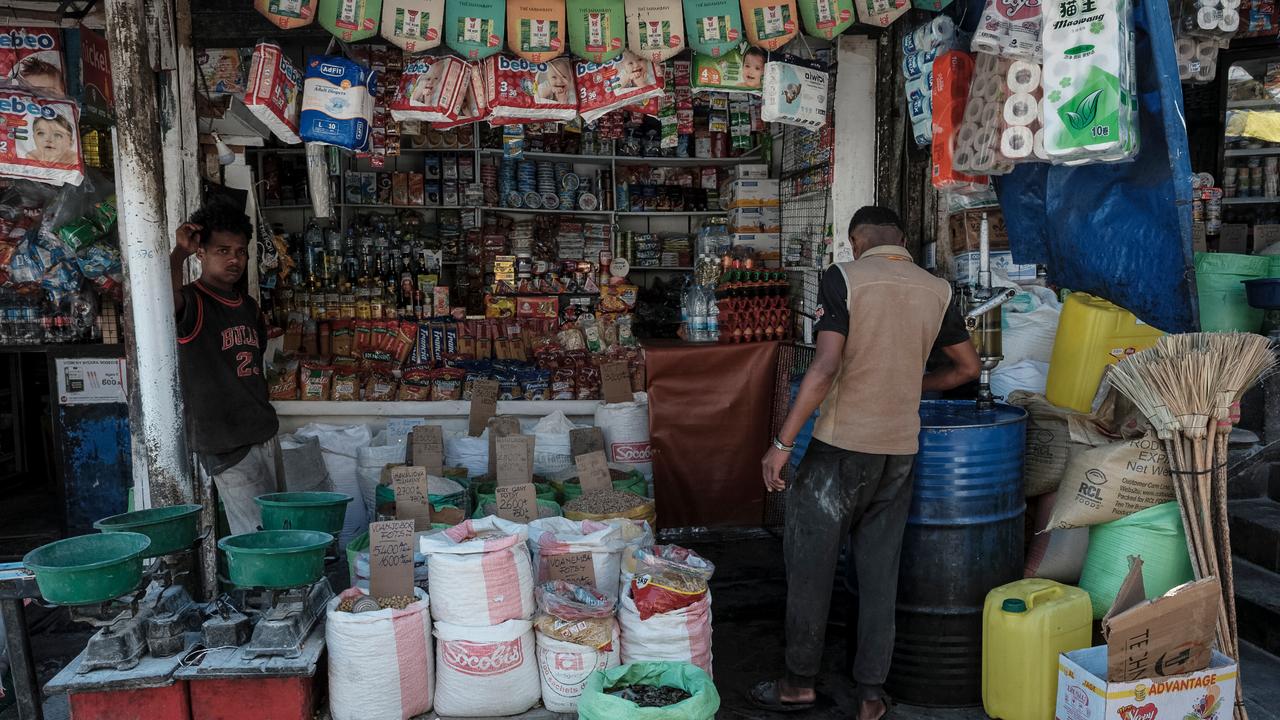
"And water, even though I live right in the city centre... you have to stay up quite late to get any," he said.
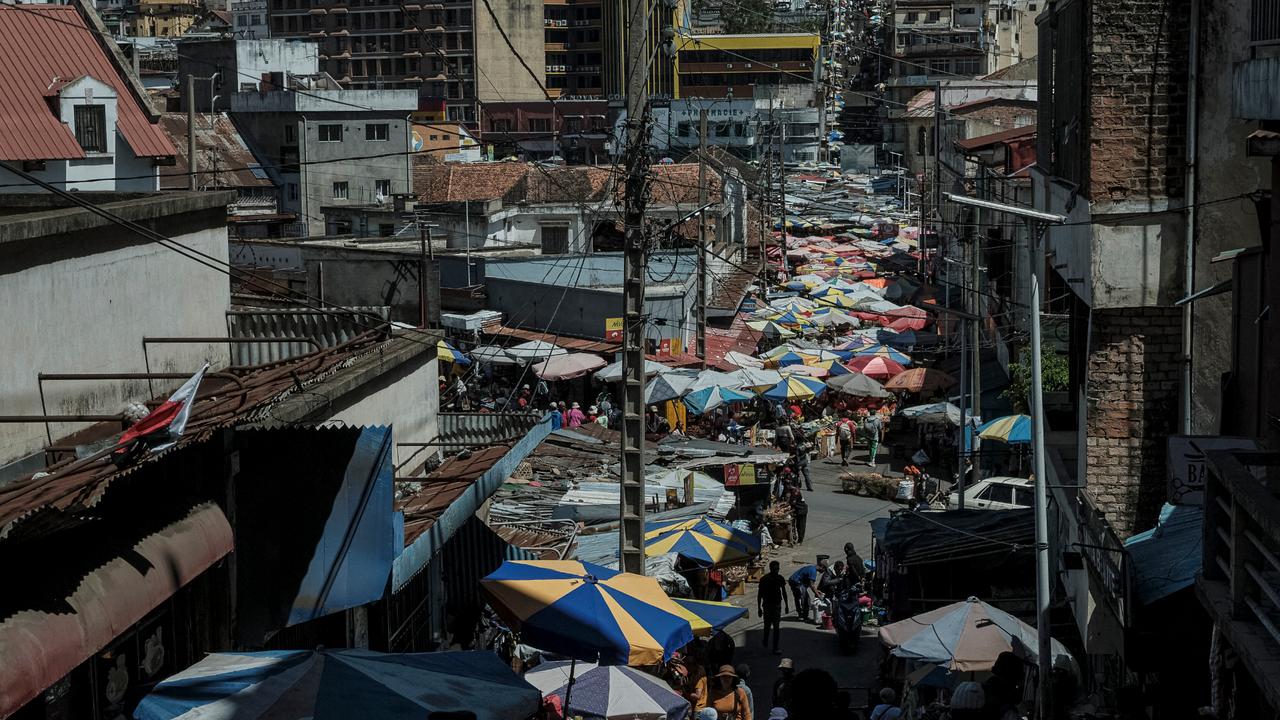
Rakotondravelo's group holds a seat on national consultation committees involved in the bogged-down process of drafting a new constitution, which the military government has committed to finalize ahead of presidential elections promised for late 2027.
Officials plan to present the proposals in May before putting them to a referendum, according to a timeline announced after the 16-nation regional group SADC called in August for a "return to constitutional normalcy."
Having stripped Rajoelina of his Malagasy nationality, the new leadership has also launched legal proceedings against his inner circle.
The trial against a key ally, wealthy businessman Mamy Ravatomanga, is set to begin Tuesday, over the 2025 transfer of Boeing aircraft to Iran in violation of U.S. sanctions.
On Sept. 1, a court handed a former top security official, General Richard Ravalomanana, 10 years' hard labour for his role in last year's bloody crackdown.
The Gen Z movement welcomed the sentencing, having grown increasingly wary of the government after authorities arrested several people in April involved in scattered protests over the slow pace of reforms.
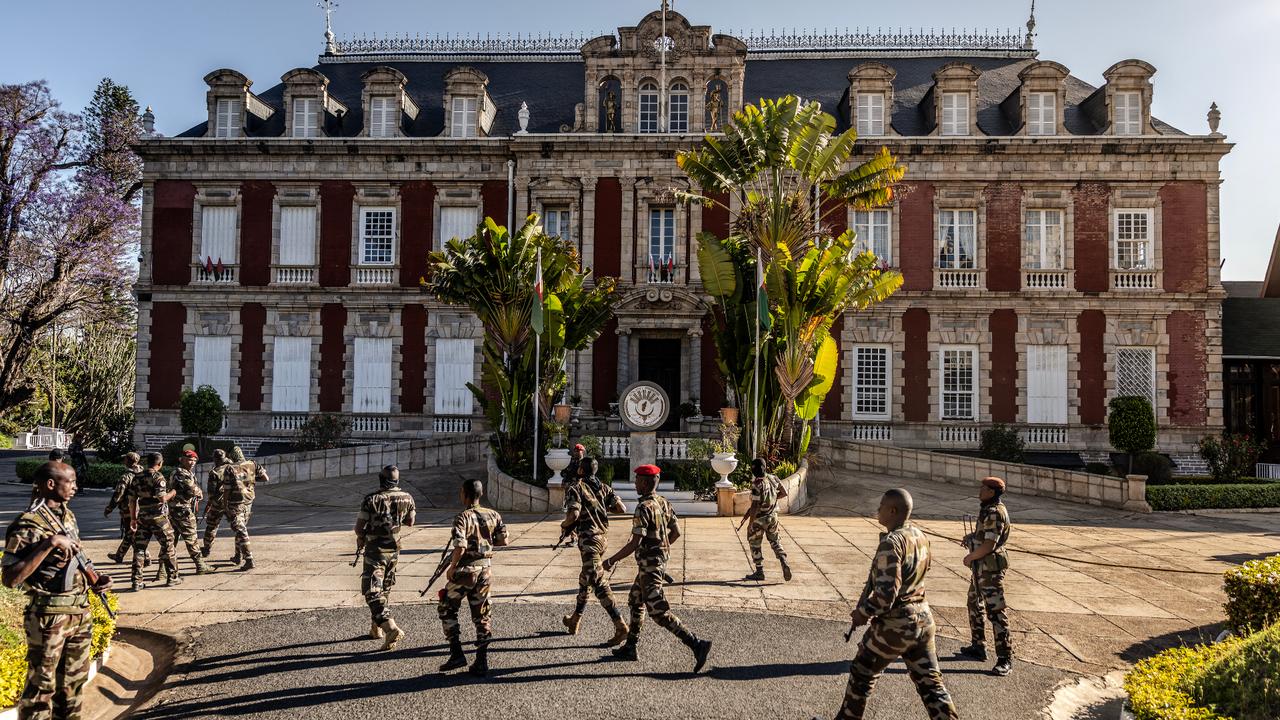
While maintaining ties with former colonial ruler France, the new government has also built relations with Russia, receiving several arms shipments from Moscow in a highly publicised military partnership that includes training by Africa Corps, the successor to the Wagner mercenary group.
Meanwhile, the ruling colonel asked France to persuade the International Monetary Fund to release $180 million in blocked funds, according to Bruno Fuchs, chairman of the French National Assembly's foreign affairs committee.
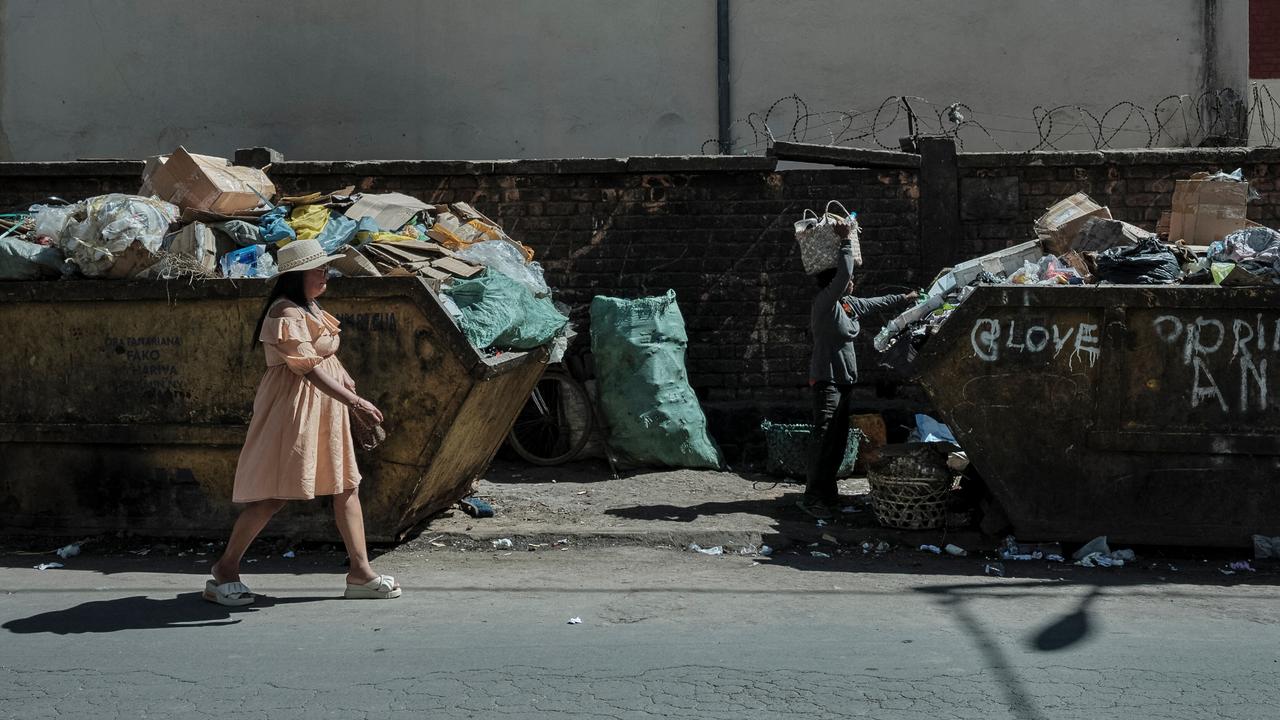
The funds were apparently frozen after the government used subsidies to shield consumers from fuel price increases that would have been devastating in a country where around 80% of the population lives on less than $2.15 a day, according to World Bank data.


 Set as preferred source

 3 min read