Newsletters


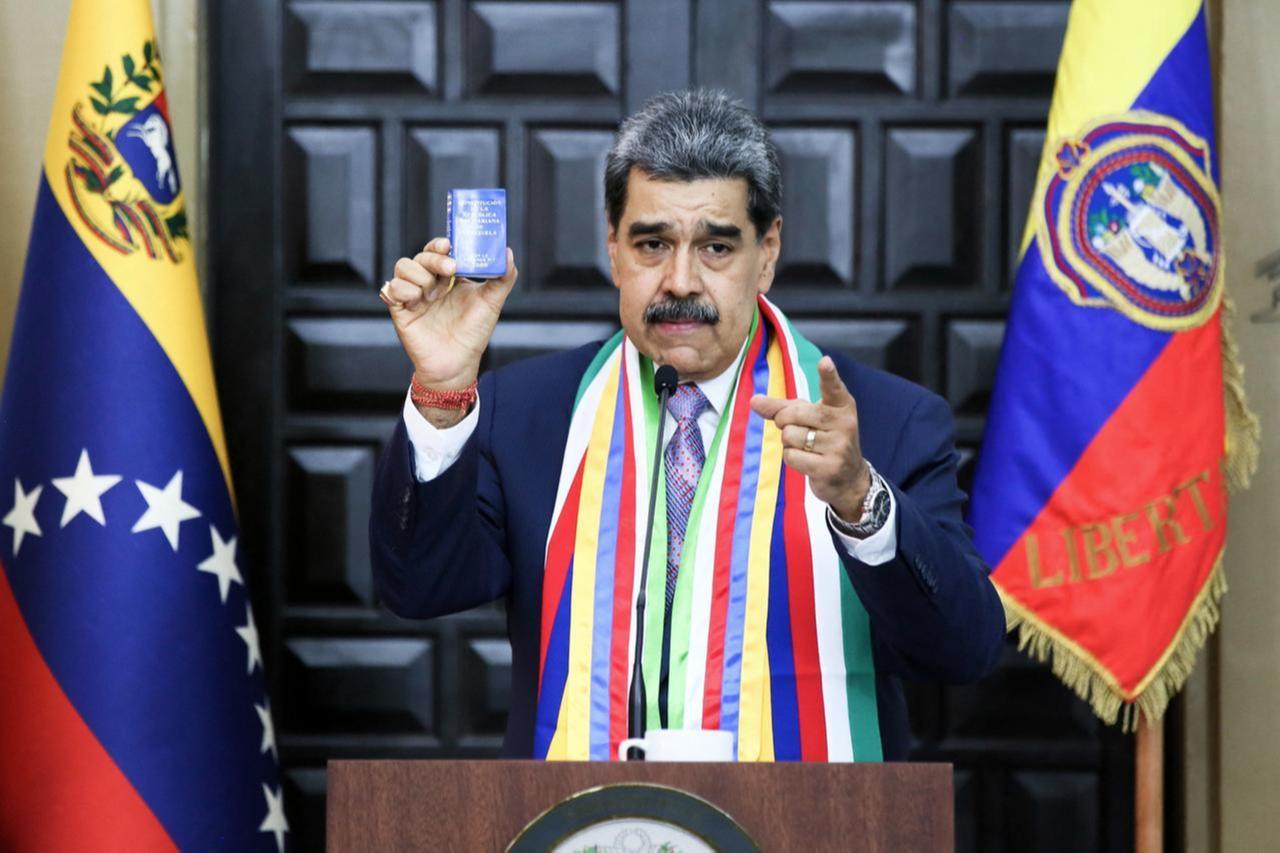


Venezuelan President Nicolas Maduro said Thursday he remains open to cooperation with Washington on drug trafficking, oil and migration, but declined to confirm or deny what U.S. President Donald Trump described as an American attack on a Venezuelan docking facility.
"Wherever they want and whenever they want," Maduro said during a state television interview when asked about potential dialogue with the United States. The comments came after weeks of escalating American military pressure in the Caribbean, including naval deployments and maritime strikes that have killed more than 100 people since September.
Maduro's government has neither confirmed nor denied Trump's Monday announcement that U.S. forces struck and destroyed a docking area allegedly used by Venezuelan drug trafficking operations. When pressed directly on whether the attack occurred, Maduro said "this could be something we talk about in a few days."
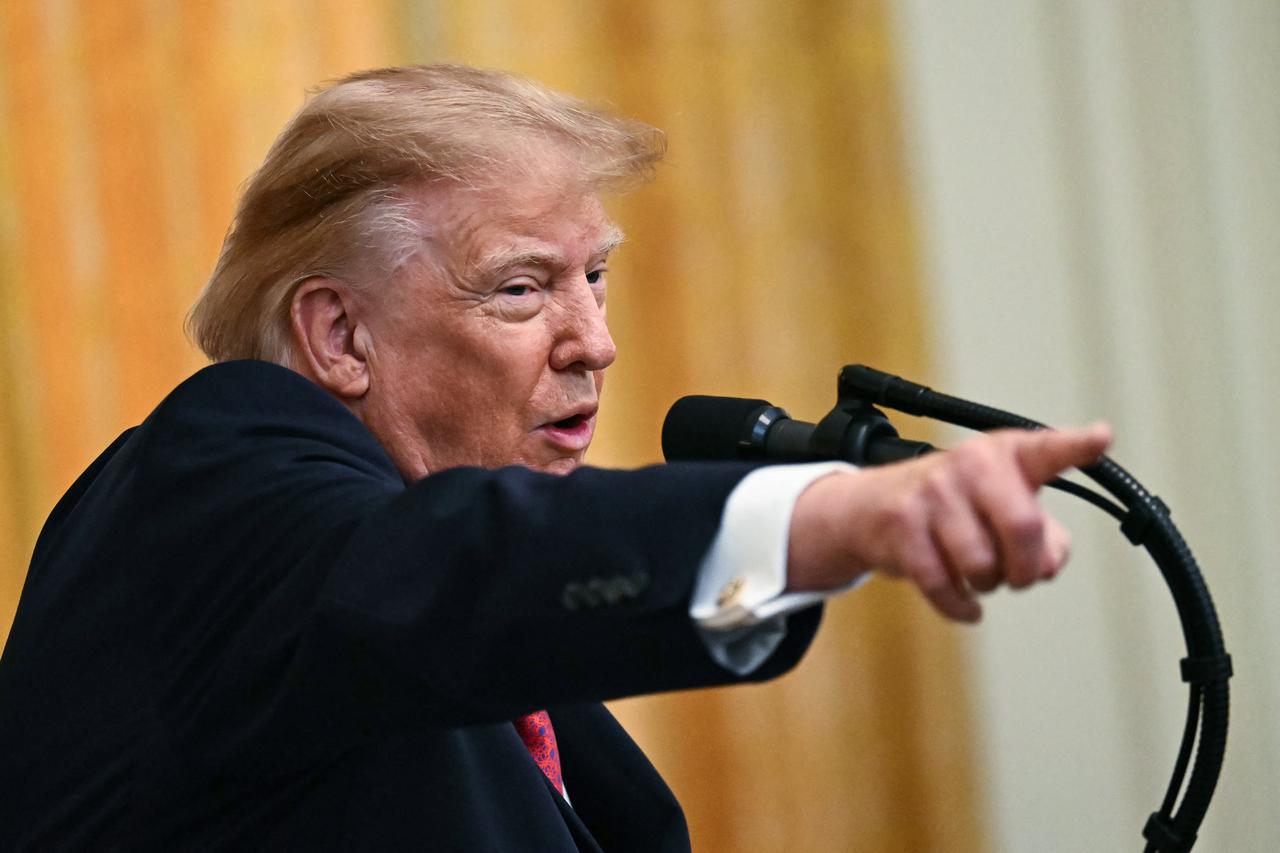
The strike, if confirmed, would mark the first known land attack in the U.S. military campaign against Latin American drug trafficking networks. Trump announced the operation at his Mar-a-Lago resort in Florida but provided few details, declining to specify whether military or CIA forces conducted it or reveal the precise location beyond noting it was "along the shore."

Colombian President Gustavo Petro fueled speculation about the strike's location, claiming "Trump bombed a factory in Maracaibo" where workers "mix coca paste to make cocaine." The comment led social media users to connect the alleged attack to a fire at Primazol, a wholesale chemical distributor in Maracaibo.
Carlos Eduardo Siu, Primazol's chief executive, rejected those rumors. "President Petro, not here—we neither package nor manufacture any kind of narcotics," he said.
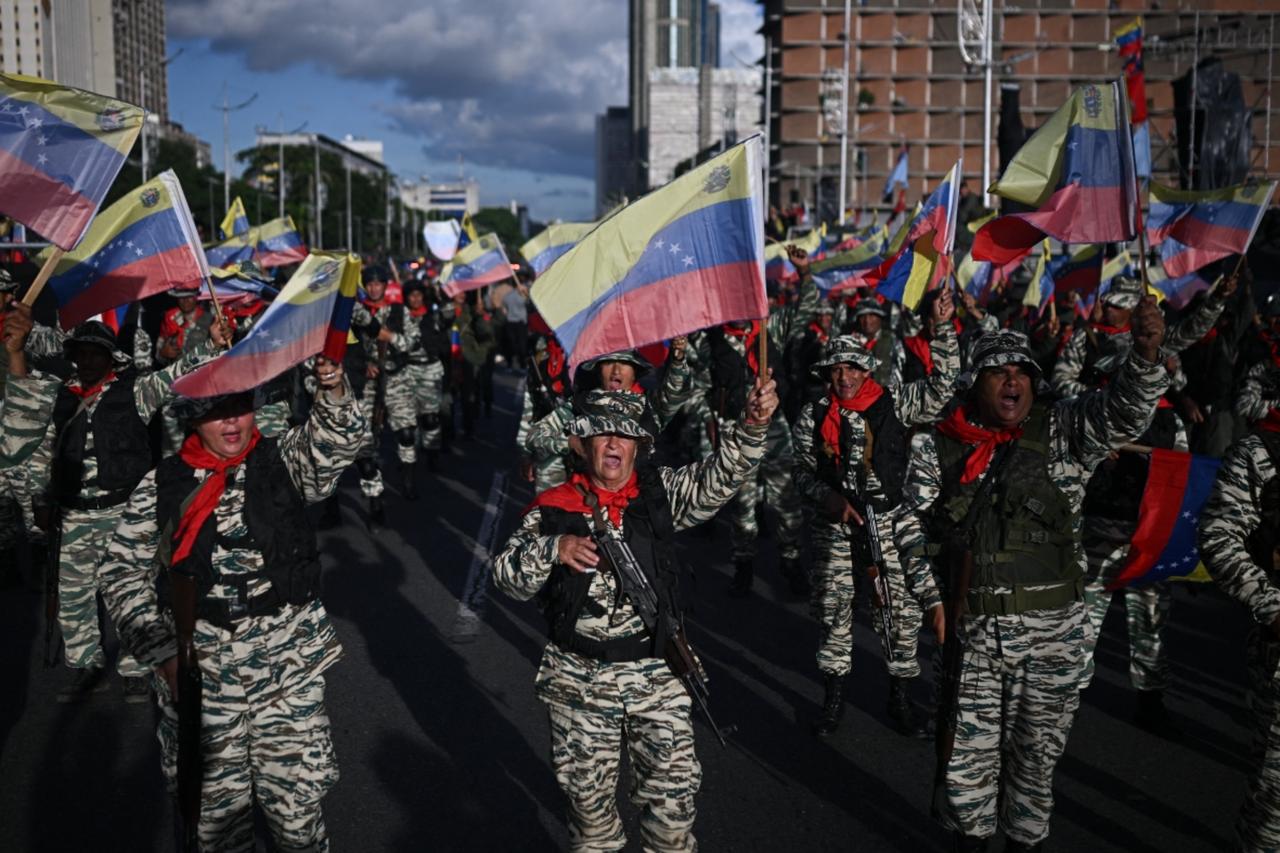
In the interview, Maduro maintained that Venezuela has successfully defended itself during the U.S. maritime campaign. "Our people are safe and in peace," he said, adding that the country's defense system combining popular, military and political forces has guaranteed territorial integrity.
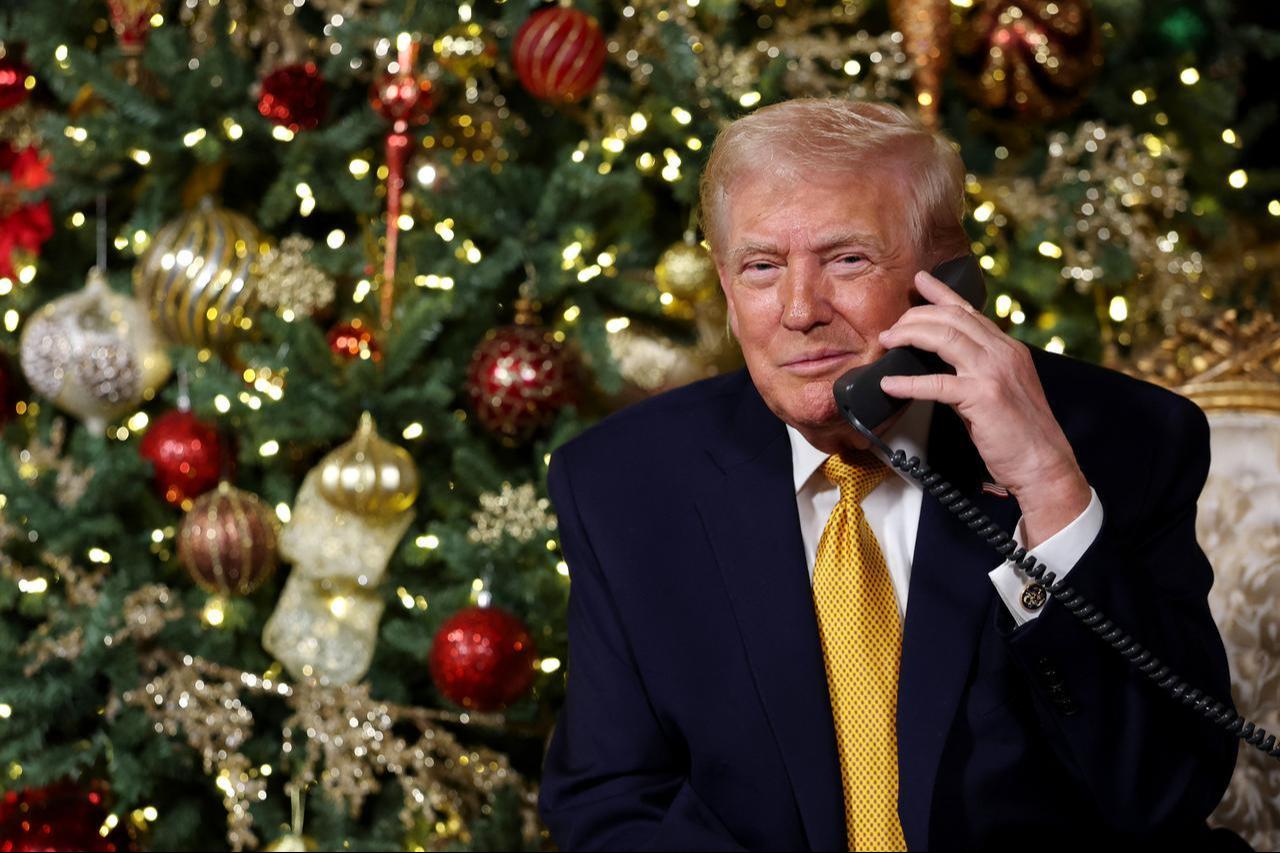
Maduro described his last conversation with Trump—a November 12 phone call—as cordial and respectful, even "pleasant." However, he acknowledged that subsequent developments have soured the relationship. "Since then the evolution has not been pleasant. Let's wait," he said.
The Venezuelan leader emphasized his willingness to engage in serious negotiations. "If they want to talk seriously about an agreement to fight drug trafficking, we are ready," Maduro said. He also expressed openness to discussions on Venezuelan oil exports and economic development agreements.
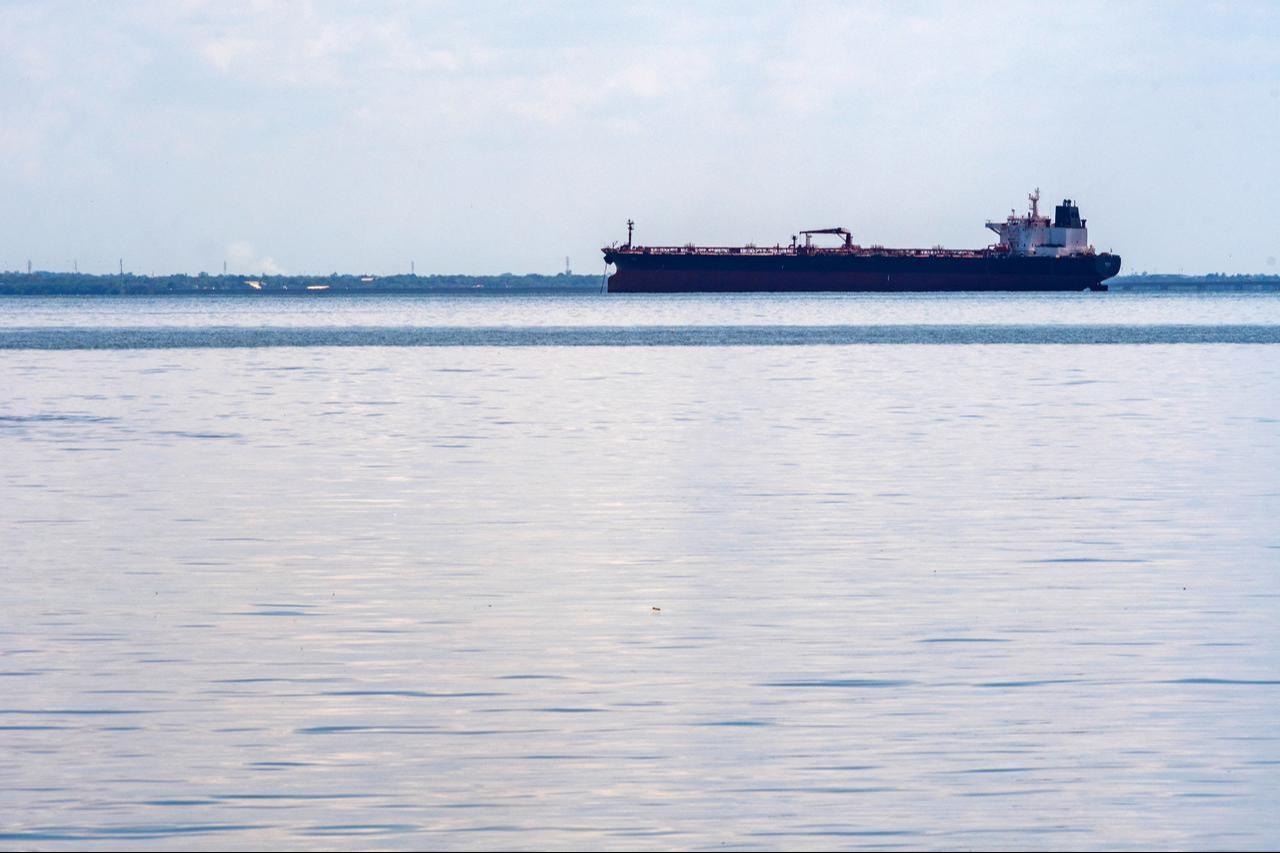
The Trump administration has accused Maduro of leading a drug cartel and intensified pressure on Caracas through informal airspace closures, additional sanctions and orders to seize tankers carrying Venezuelan oil. Washington says it targets drug smugglers in its maritime operations, though it has provided no evidence that destroyed boats were involved in trafficking.
Maduro denies any involvement in narcotics trade, arguing the U.S. seeks regime change because Venezuela holds the world's largest known oil reserves. He pointed to a migration agreement reached January 31 that he said worked effectively until U.S. authorities stopped sending migrants to Venezuela three weeks ago.
The U.S. maritime strikes have sparked debate about their legality under international law. American forces have conducted at least 30 attacks on boats in the Caribbean Sea and eastern Pacific Ocean since September, killing at least 107 people according to U.S. military information.
International law experts and human rights groups contend the operations likely constitute extrajudicial killings, a characterization Washington rejects. The administration has not released evidence demonstrating the targeted vessels engaged in drug trafficking.
Maduro argued that U.S. actions violate the United Nations Charter, which prohibits threatening other countries with force. "They're violating international law boldly," he said, calling such threats an international felony under legal principles established after World War II.
The Venezuelan president said his government has created what he described as a successful counter-narcotics model, noting that authorities neutralized their 40th foreign aircraft from Colombian drug trafficking operations on Thursday. He characterized Venezuela as a victim of Colombian trafficking rather than a producer, stating that all cocaine moved through the region originates in Colombia.


 Set as preferred source
 Set as preferred source


 2 min read
 1 min read