Newsletters


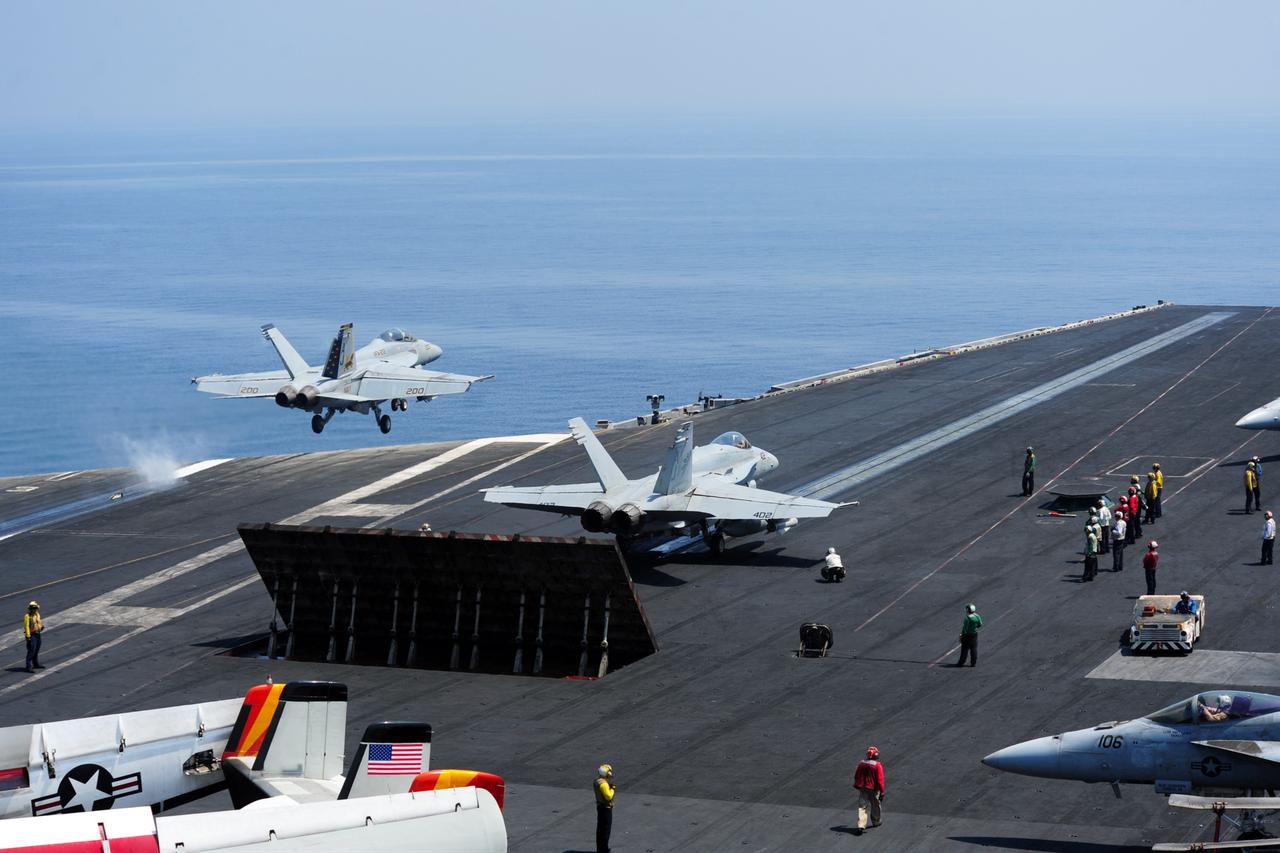


Public messaging from the White House has emphasized restraint, non-intervention, and a rejection of regime change wars that defined earlier eras of U.S. foreign policy. Yet developments in the Caribbean point to a far more complicated reality.
Throughout his campaign, the president advocated a fundamentally new approach to foreign policy, promising it as a salvation from the previous months, an approach opposed by a large segment of the American public and one that much of the international community had grown weary of.
Military signaling, public threats, and heightened pressure on Caracas sit uneasily alongside official strategy documents that stress sovereignty and non-interference. This contradiction has fueled speculation that Venezuela represents an exception driven by crude interests.
The evidence, however, suggests a different conclusion that is contrary to widespread belief. Washington’s Venezuela policy is not primarily about oil, but about politics, power projection, and regional influence.
Donald Trump’s foreign policy has been anchored in a clear narrative: no more Iraqs, no more Afghanistans, and no costly efforts to remake foreign societies. The administration’s national security strategy explicitly states that the United States seeks peaceful commercial relations without imposing democratic or social change on other nations.
This framework marked a sharp rhetorical break from interventionist traditions and resonated strongly with domestic audiences weary of endless wars. It also became a defining ideological boundary for the administration, repeatedly emphasized in speeches and official documents like the National Security Strategy paper.
Yet in the Caribbean basin, that boundary appears increasingly flexible. Most recently, President Trump provided economic relief to Argentina ahead of its midterm elections, openly backed a candidate, and revoked the visa of Colombia’s leader.
The buildup of pressure on Venezuela, combined with persistent references to military options, stands in tension with the very principles Washington claims to uphold. The disparity raises a fundamental question about whether stated doctrine or political calculation is driving policy.
This has led many analysts and members of the public to believe that the exception stems from Caracas’ control over some of the world’s largest crude oil reserves. However, although a factor, oil is less decisive than internal divisions within the administration. The evidence lies in Washington's overarching strategy toward the rest of the Western Hemisphere that has no oil.
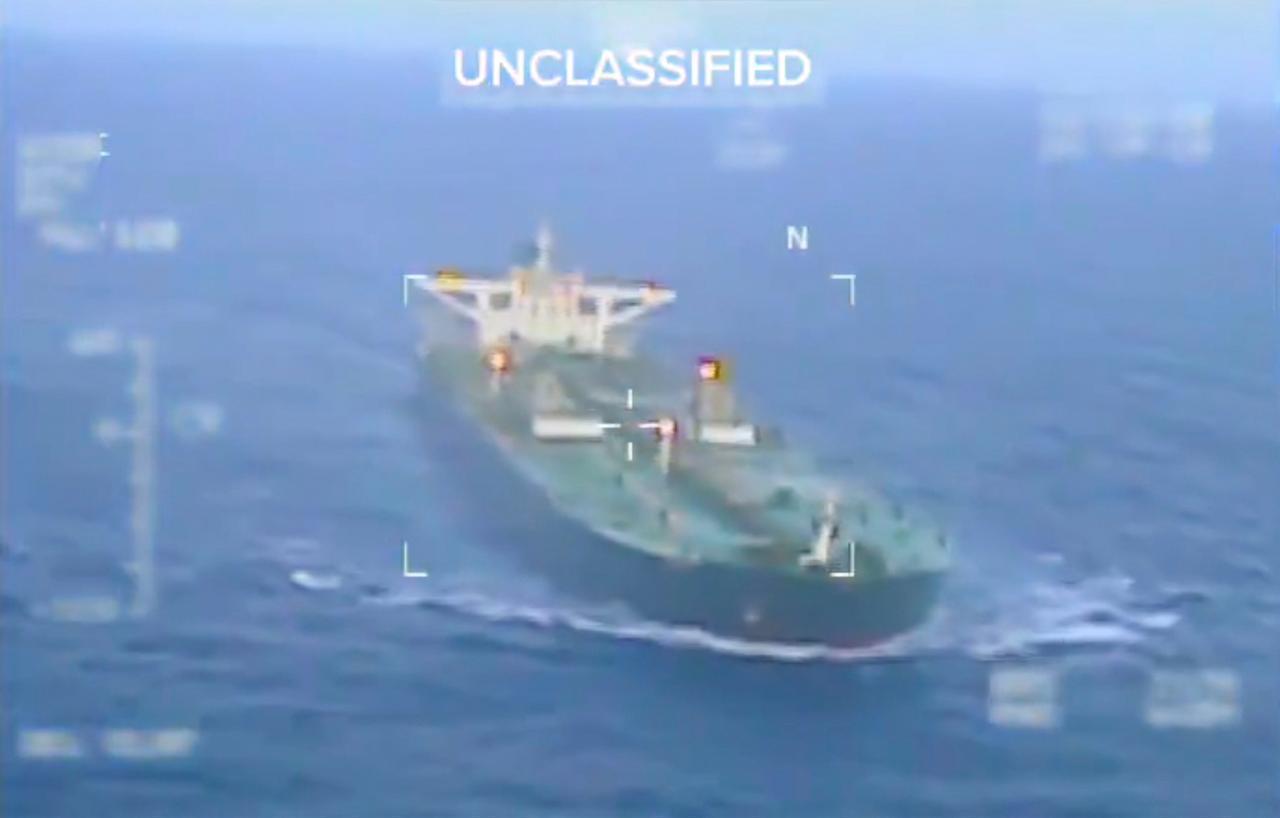

A common explanation for Washington’s posture toward Caracas is energy. Venezuela sits atop some of the world’s largest proven oil reserves, making it an easy target for accusations of resource-driven intervention.
Yet this argument collapses under closer scrutiny. The United States does not face an urgent need for Venezuelan oil, nor would a destabilizing conflict necessarily serve American energy interests.
U.S. companies like Chevron already operate in Venezuela under limited licenses, and expanded access could be achieved through regulatory decisions rather than military action, as Caracas also feels more isolated day by day amid the ongoing pressure campaign.
If oil were the primary objective, escalation would be an inefficient and risky strategy. The persistence of aggressive rhetoric, therefore, points to motivations that extend well beyond hydrocarbons.
Another justification often cited is the fight against drug trafficking. Venezuela has long been accused of serving as a transit hub for narcotics bound for the United States, fueling arguments that intervention would enhance regional security.
However, if narcotics interdiction were the central goal, other countries would logically rank higher on Washington’s list of priorities. Major trafficking routes run through Colombia, Mexico, and parts of Central America, where enforcement challenges are far more acute.
This does not mean that drugs are irrelevant to U.S. thinking, but they do not adequately explain the intensity of focus on Venezuela. Like oil, narcotics function more as supporting arguments than as the core driver of policy.

At its core, the confrontation with Caracas is best understood as a political issue within Washington itself.
Leading the cause, influential figures inside the administration, like Marco Rubio, have framed Venezuela as a test case for reasserting U.S. dominance in the Western Hemisphere and rolling back and even putting the hammer on leftist regimes such as Cuba.
Domestic politics also loom large, particularly the symbolism of a hard line on leftist regimes for electoral messaging and Hispanic voters. Weakening governments friendly to Beijing, while appealing to key domestic constituencies, has become part of the strategic calculus.
Only in this context, Venezuela seems more of an opportunity than an exception in the new non-interventionist push.
Even if nothing ultimately happens inside Venezuela, Washington has already achieved something tangible: an expanded sphere of influence across the Caribbean. Under the banner of pressure on Caracas, the United States has rebuilt a network of access, facilities, and partnerships that significantly enhance its regional posture.
Thus far, the Dominican Republic has emerged as the most explicit pillar of this strategy. Santo Domingo has authorized the use of key air bases and international airports for U.S. logistical, transport, and resupply operations, amounting to full operational access.
For the Dominican leadership, the incentives are in closer alignment with Washington, which strengthens its role as a preferred U.S. partner amid relations setbacks with Colombia, and it also brings security assistance against drug trafficking, and secures political backing on the sensitive issue of Haiti and migration.
For the time being, the United States is increasing air projection capacity in its neighborhood, seemingly with the least of its tools it could employ.


 Set as preferred source
 Set as preferred source


 7 min read