Newsletters


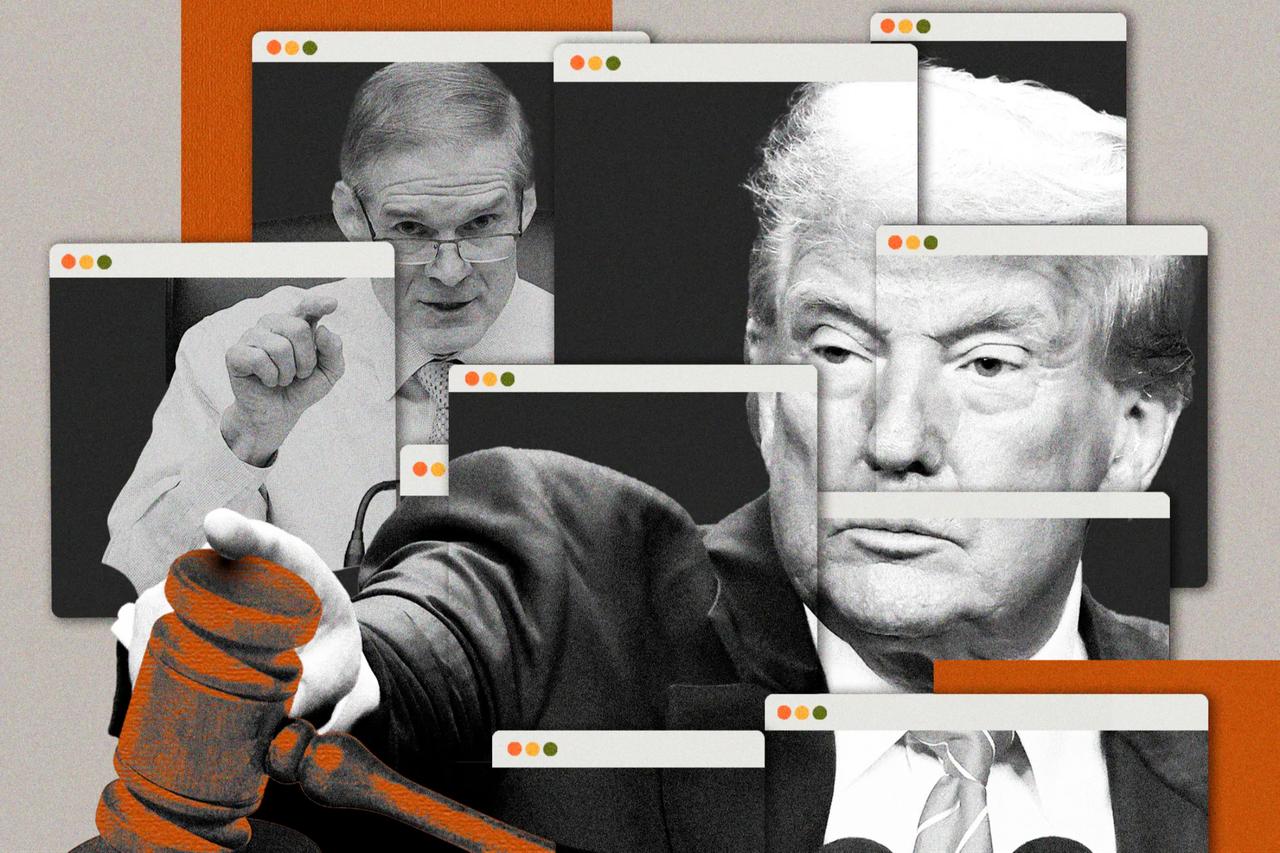


A political storm is gathering over Europe’s digital rulebook, and it is blowing in from Washington.
What began as a regulatory dispute over online speech has hardened into something closer to a transatlantic power struggle, where visas, warning letters, and diplomatic pressure replace quiet policy debate.
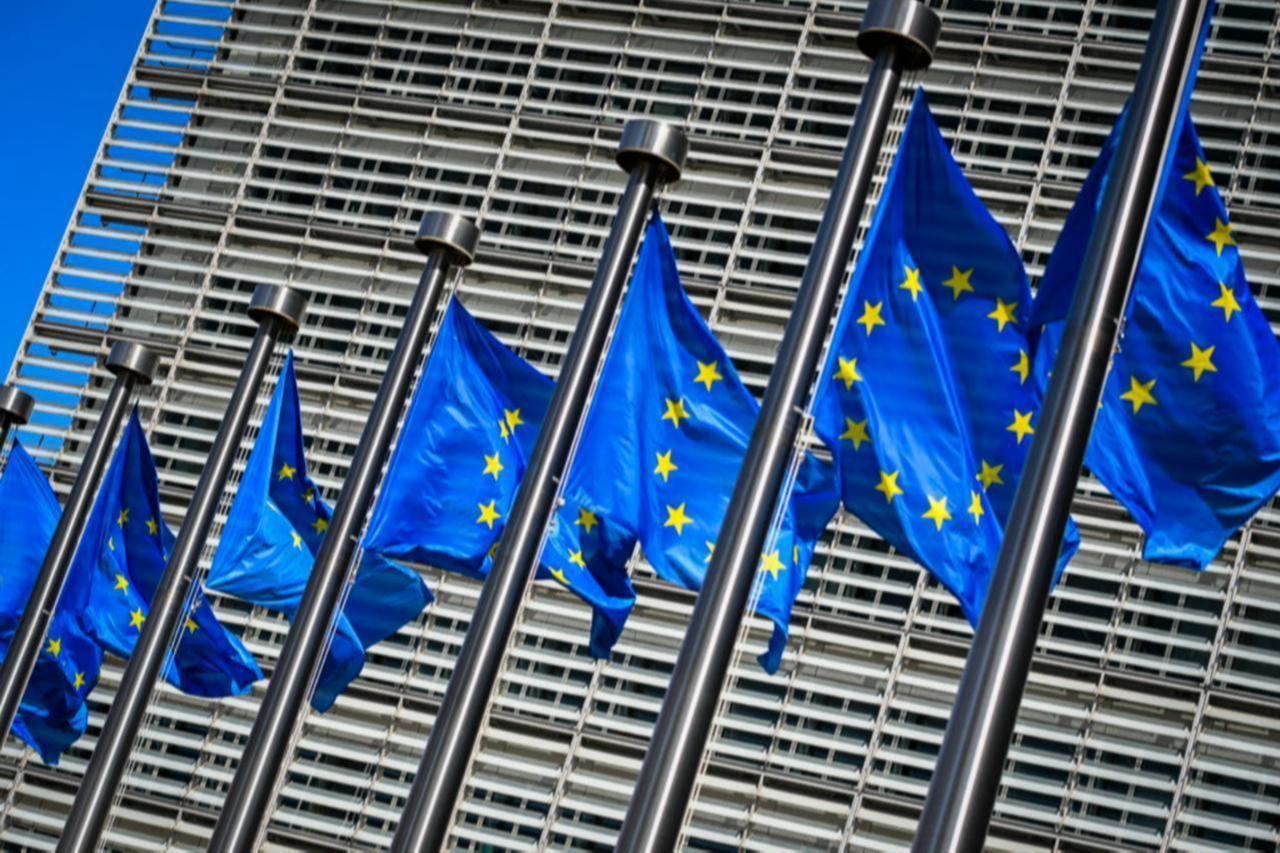
At the center of the clash stands the European Union’s Digital Services Act, Brussels’s flagship attempt to rein in Big Tech.
A new investigation by the Dutch investigative outlet Follow the Money reconstructs how allies of U.S. President Donald Trump have escalated efforts to challenge the law, targeting not only European officials but also the researchers and civil society groups who help enforce it.

According to Follow the Money, the campaign against the DSA has expanded beyond rhetoric into coordinated political and diplomatic action.
Trump-aligned lawmakers and officials have sought to weaken the law through public criticism, direct engagement with European regulators, and what several NGOs describe as intimidation tactics targeting researchers and advocacy organizations.
The Digital Services Act (DSA), in force since 2022, obliges the largest online platforms to moderate illegal content, improve transparency, and grant vetted researchers access to certain data. Companies that fail to comply face substantial financial penalties.
For Brussels, the DSA represents a cornerstone of its effort to limit the influence of major platforms such as Meta and X within the European market.
Trump allies, however, frame the legislation differently. They argue that the DSA risks restricting free expression and unfairly burdening American technology firms.
In January, Republican Congressman Jim Jordan, chair of the U.S. House Judiciary Committee, wrote to EU digital commissioner Henna Virkkunen, asserting that “the establishment of a global censorship law appears to be the DSA’s very purpose.”
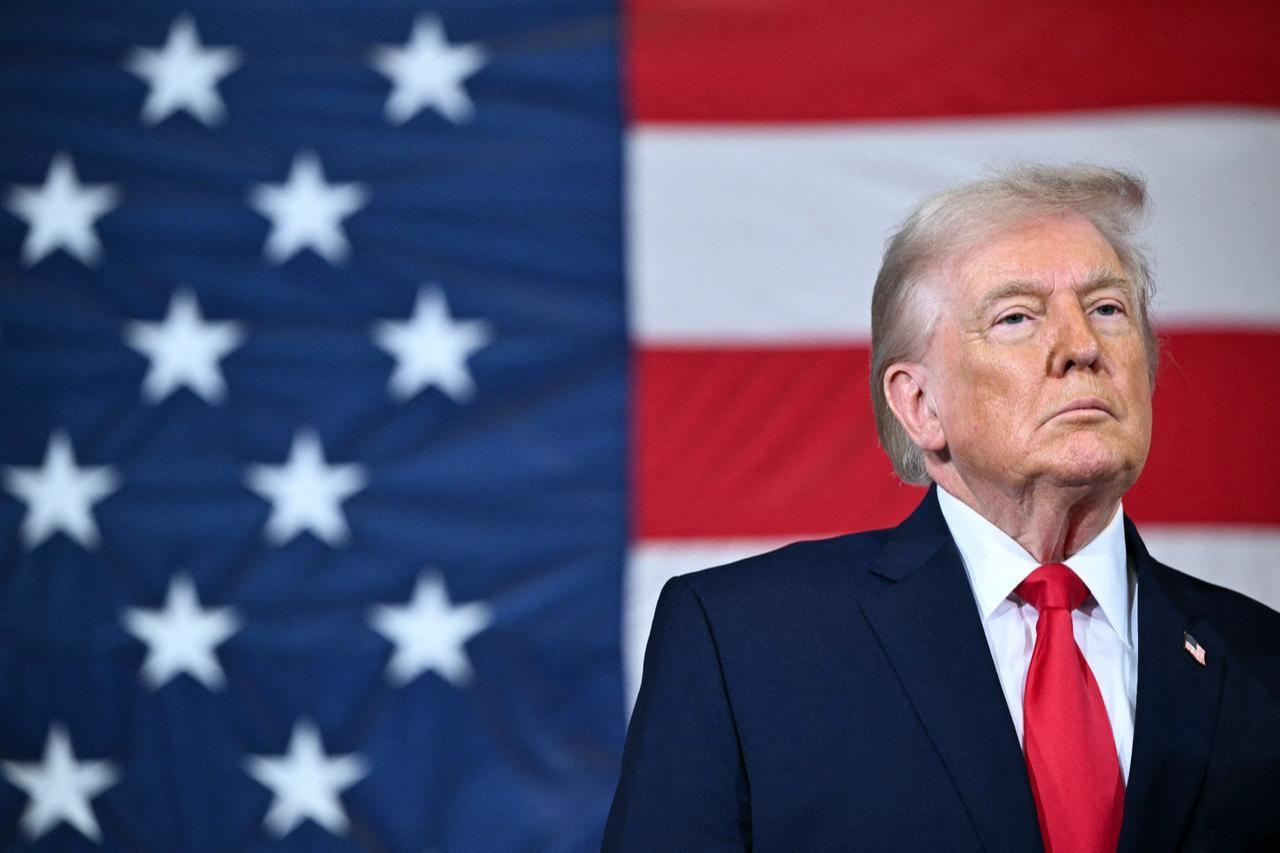
Weeks later, President Trump warned that he would “defend American companies and innovators from overseas extortion,” escalating the rhetoric around Europe’s regulatory push.
The dispute escalated just before Christmas last year when the United States imposed visa bans on five individuals, including former European Commissioner Thierry Breton, who oversaw the development of the DSA.
They were accused of collaborating in what U.S. officials described as “censorship of American speech.”
French President Emmanuel Macron condemned the move on X, saying the measures amounted to “intimidation and coercion aimed at undermining European digital sovereignty.”
Follow the Money reports that the pressure has not stopped there.
Several NGOs operating in both the EU and the United States received letters from Jordan’s committee in the second half of 2025 requesting cooperation and internal documents, according to three people familiar with the matter. Leaders of two of the targeted NGOs declined to comment when contacted by the outlet.
In Germany, the digital rights group Digitale Gesellschaft said it was invited to the U.S. embassy in Berlin for a discussion on “freedom of speech in Germany, especially in the digital space.” The organization declined.
“We assume that the only purpose of such a meeting would be to selectively take statements out of context, twist the meaning of what we say, or even make up things to suit their political agenda,” Konstantin Macher of Digitale Gesellschaft told Follow the Money.
At the same time, U.S. Secretary of State Marco Rubio instructed American diplomats to lobby against what he described as “undue” restrictions on freedom of expression in Europe.
According to Reuters, Rubio told embassies to build support to “repeal and/or amend the DSA or related EU or national laws restricting expression online.”
Academics and digital rights advocates say the campaign could weaken the enforcement of the DSA by intimidating the very groups that supply evidence to regulators.
Renee DiResta, formerly head of the Stanford Internet Observatory, warned that Europe must respond more forcefully. “Policymakers and politicians have to push back much more aggressively than they do now. As long as Europeans do not defend themselves, these attacks are going to continue,” she said.
Jan Penfrat of European Digital Rights described the visa bans as “a real problem,” particularly for organizations with U.S. staff or partnerships. He added, “Trump’s threats are also a serious warning shot and sober reminder about just how much power the U.S. has to hurt anyone the Trump regime dislikes, globally.”
The DSA relies heavily on research from academics and NGOs when assessing whether platforms have complied with their obligations.
In December 2025, the European Commission announced a €120 million ($141.36 million) penalty against Elon Musk’s X, citing evidence from academic studies regarding misleading verification practices and limited researcher access to data.
“If NGOs and independent researchers are deterred, the law is dead,” said Anna Lena von Hodenberg, founder of HateAid and one of the individuals affected by the visa measures.
Rachel Griffin, a postdoctoral researcher at the University of Duisburg-Essen working on civil society involvement in the DSA, said public attacks could make it harder for organizations to secure funding and dedicate resources to oversight work.
“Public attacks on NGOs who conduct research and advocacy on the DSA will make it even harder for organisations to attract funding and dedicate resources to this kind of work,” she said.
European regulators have begun discussing how to respond.
National authorities addressed the visa sanctions and Jordan’s latest report at a meeting in early February, though participants said no concrete conclusions were reached.
A subsequent press statement did not directly mention the United States but affirmed that regulators “reject any measures that undermine that essential role of civil society and trusted flaggers.”
In Germany, the Federal Network Agency reportedly sought guidance from the foreign ministry on how to shield domestic NGOs from potential foreign sanctions.
At a recent DSA conference at the University of Amsterdam, legal scholar Martin Husovec argued that Europe may need to consider countermeasures, including invoking the EU’s Blocking Statute, which restricts compliance with certain foreign sanctions.
“If foreign governments want to intimidate non-state watchdogs, the state must step in to protect them. European legislatures must act,” he said.
For its part, the European Commission has sought to reassure civil society groups. Prabhat Agarwal, a senior official responsible for implementing the DSA, told an audience in Amsterdam, “Don’t let yourself be scared: we at the Commission stand by European civil society organisations that have been threatened, and we stand by our team as well. This is something we need to defend.”
Still, some observers remain unconvinced.
Alexandre Alaphilippe, executive director of EU Disinfo Lab, described the situation as “a stress test for the EU on how it is effectively protecting the European civic space.”
“If we measure the result of this test based on effective support and actions being taken to counter these actions and pass the message publicly, at this stage, the EU has not passed this test,” he said.
The storm gathering over Europe’s tech rulebook is not about to pass quietly. Whether Brussels stands firm or bends under pressure will shape how far its authority over global platforms extends.


 Set as preferred source
 Set as preferred source


 2 min read