Newsletters


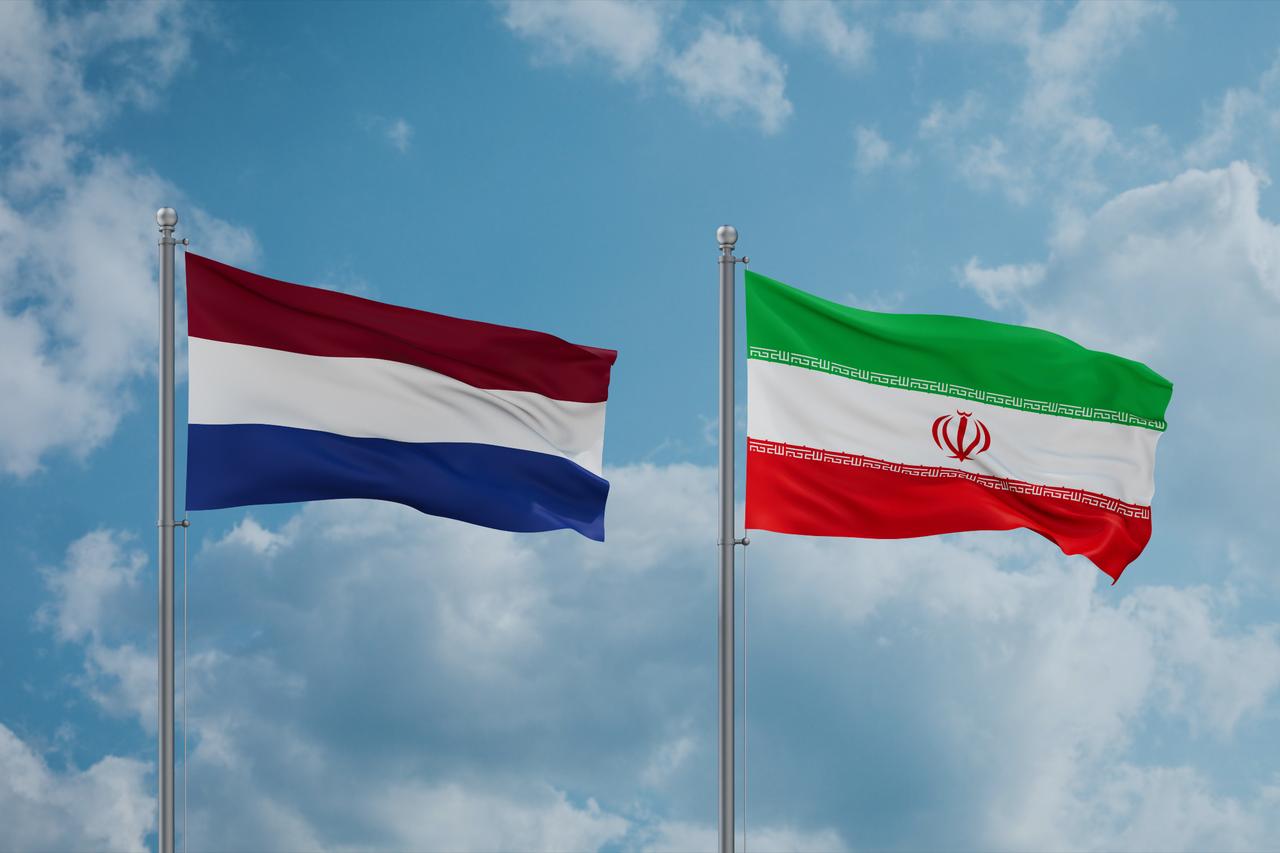


The Netherlands summoned Iran's ambassador in The Hague on Tuesday after Iranian authorities confiscated the luggage of a Dutch diplomat at Tehran's Imam Khomeini International Airport on Jan. 28, escalating a diplomatic confrontation that touches on satellite technology, protest crackdowns and the limits of diplomatic immunity.
The Dutch Foreign Ministry confirmed the incident and called it "unacceptable," demanding the immediate return of the seized baggage. The ministry said it had made repeated requests for the goods to be released but that Iran's decision to leak footage of the airport encounter online had forced a more public response.
"Iran caused a diplomatic incident on January 28, 2026, by forcing a Dutch diplomat to hand over his diplomatic luggage at the airport of Tehran," the ministry said in a statement. It added that the leaking of the footage had "broken the silence" on the matter and provided further grounds for summoning the ambassador.
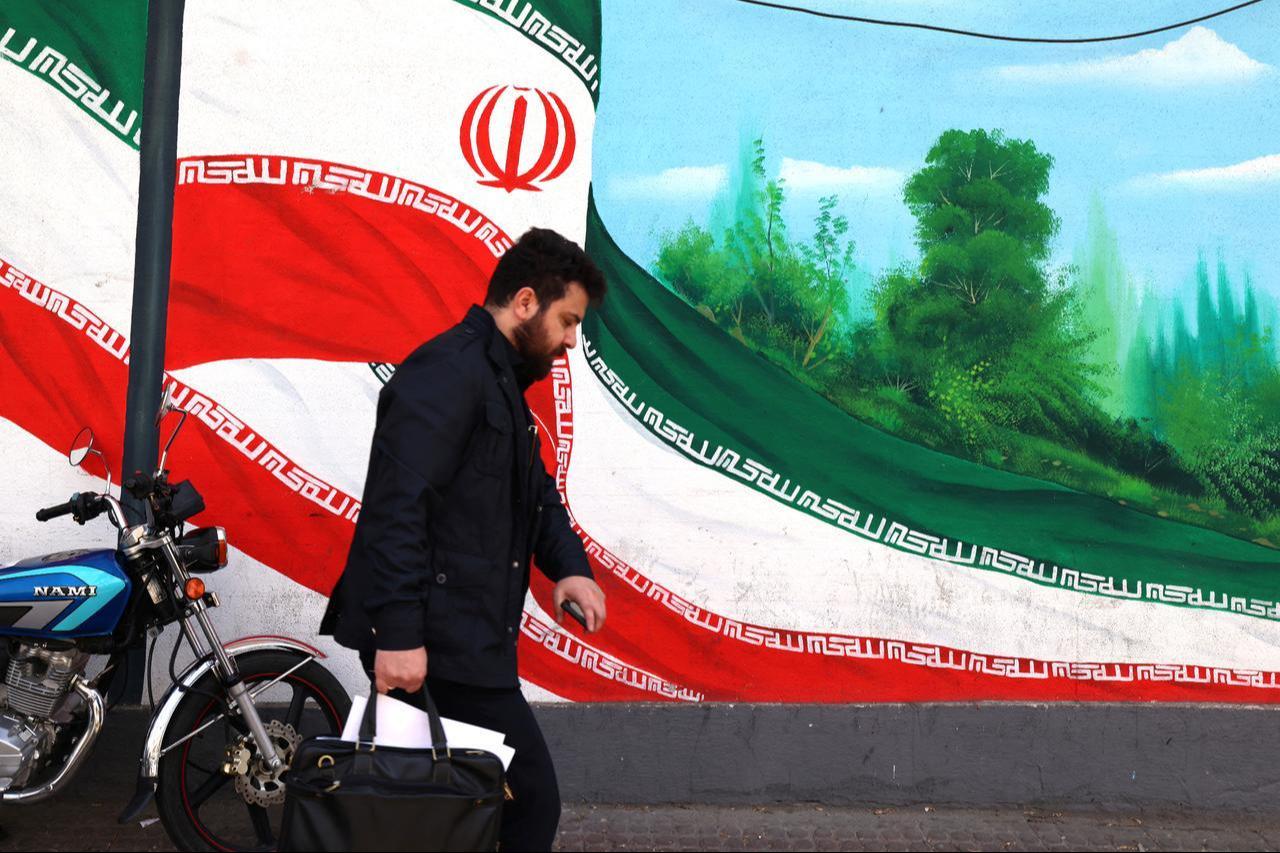

According to Iranian state media, the Dutch diplomat refused to put his luggage through the airport's X-ray scanner, citing diplomatic immunity. Airport security personnel then confiscated the bag. Iranian outlets reported that the suitcase contained a portable Starlink satellite modem, multiple satellite phones and other communication equipment. The Dutch Foreign Ministry declined to comment on the reported contents of the baggage, but accused Iran of violating the Vienna Convention on Diplomatic Relations.
Starlink, the satellite internet service operated by SpaceX, is banned in Iran. Tehran classifies the possession and use of satellite internet equipment as a national security threat. The issue has taken on heightened significance since Jan. 2026, when Iranian authorities imposed one of the most severe internet blackouts ever recorded in an effort to suppress nationwide anti-government protests that erupted in late Dec. 2025 over the country's deteriorating economy. During the shutdown, Starlink terminals became one of the few remaining channels for Iranians to communicate with the outside world, and the government launched aggressive campaigns to jam satellite signals and confiscate Starlink dishes from homes.
Iran has also taken its opposition to Starlink to international forums. Iranian diplomats told a United Nations scientific meeting in Vienna in February that the unauthorized operation of Starlink in the country violated national sovereignty, and Tehran has raised the matter with the International Telecommunication Union in Geneva.
The 1961 Vienna Convention on Diplomatic Relations, ratified by both the Netherlands and Iran, provides the legal framework governing the treatment of diplomatic communications and property. Article 27 of the convention states that diplomatic bags "shall not be opened or detained," a provision broadly interpreted as shielding the contents of official diplomatic shipments from inspection by the host country.
In practice, however, the boundaries of this protection are not always clear-cut. States have at times demanded the inspection of personal luggage when there are credible grounds to suspect prohibited items, particularly when a diplomat declines standard screening. If a diplomat refuses to allow inspection, the receiving state may deny entry to the luggage, though it may not open it without the sending state's consent.
The Dutch Foreign Ministry framed the incident as a clear breach of the convention, while Iranian media presented the seizure as a justified security measure following the diplomat's refusal to comply with standard airport screening.
 1 min read
The confrontation adds another chapter to what has become one of Western Europe's most fraught bilateral relationships with Tehran. Diplomatic ties have been repeatedly strained over the past 15 years. In 2011, the Netherlands froze official relations with Iran after the execution of Zahra Bahrami, a dual Dutch-Iranian citizen, on drug charges that human rights organizations condemned as politically motivated.
In 2018, the Dutch intelligence service AIVD expelled two Iranian embassy staff members from the Netherlands. The following year, two further Iranian diplomats were expelled after the Netherlands publicly accused Tehran of involvement in the assassinations of Iranian dissidents on Dutch soil. Iran reciprocated with its own expulsions each time.
More recently, the AIVD's 2025 annual report attributed an assassination attempt on an Iranian activist in the Dutch city of Haarlem to Iranian state networks, deepening the pattern of mutual recrimination. The Dutch Embassy in Tehran has been operating under heightened security protocols since the January 2026 unrest in Iran.
Neither government has indicated whether the incident will lead to further diplomatic measures. Iran has not yet issued a formal public response to the summoning of its ambassador in The Hague.


 Set as preferred source
 Set as preferred source


 1 min read