Newsletters


Sensitive F-35 fighter jet technology was unexpectedly diverted to Hong Kong this summer, prompting a congressional inquiry and concerns that China could gain access to components of the highly classified weapons system, Politico reported.
A shipment of F-35 parts being sent from Australia to the U.S. for repairs was rerouted while crossing the Pacific, according to three people familiar with the matter cited by Politico.
The Pentagon confirmed that some components had disappeared.
The parts were being transported by an intermediary on behalf of F-35 manufacturer Lockheed Martin but ultimately arrived in Hong Kong instead of the U.S. It remains unclear why the equipment was rerouted or who currently possesses it, according to the report.
The incident, not previously reported before Politico's story, triggered an ongoing series of briefings for congressional staff serving on key national security committees.
State Department and Pentagon officials began briefing staff in June, with additional briefings expected in the coming weeks.
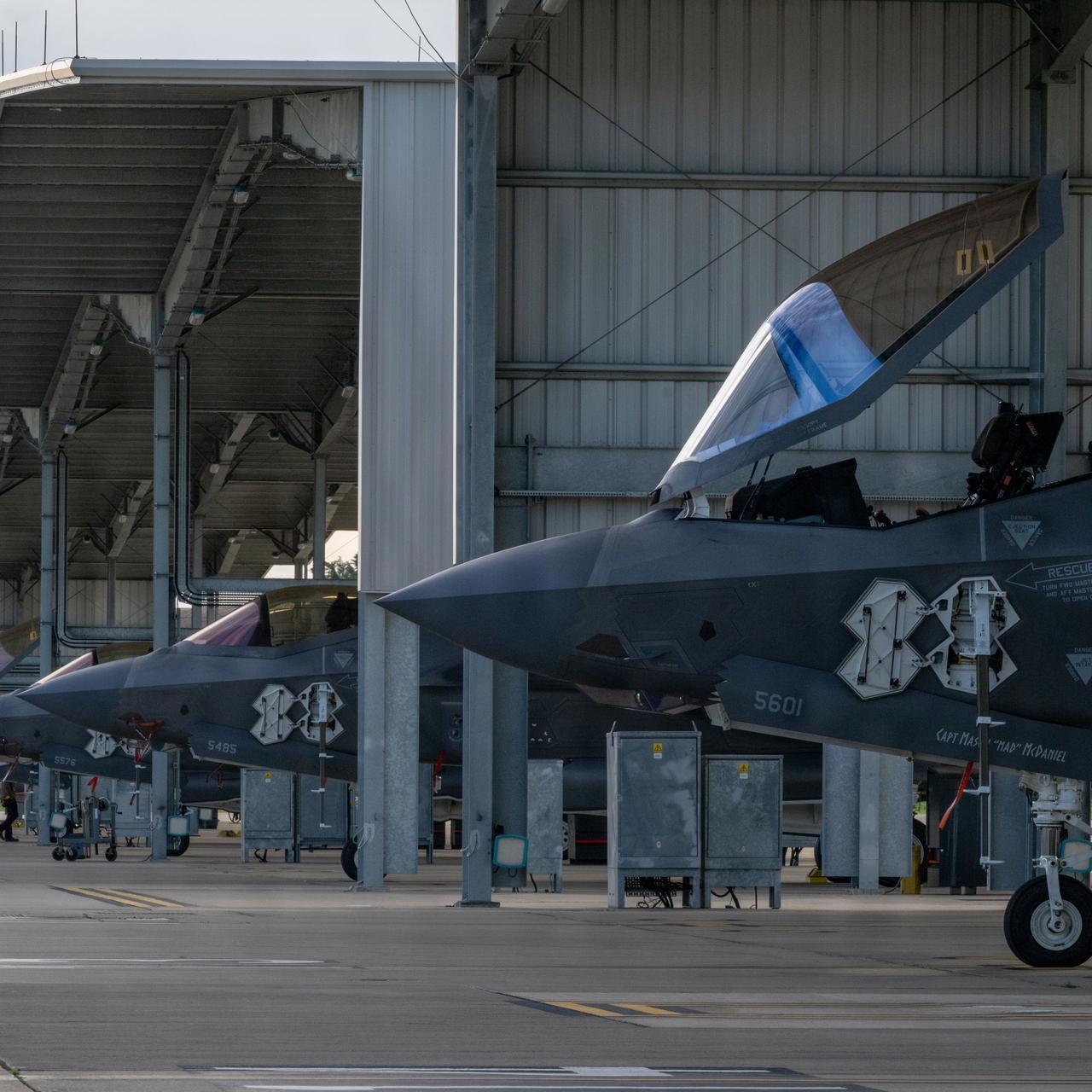

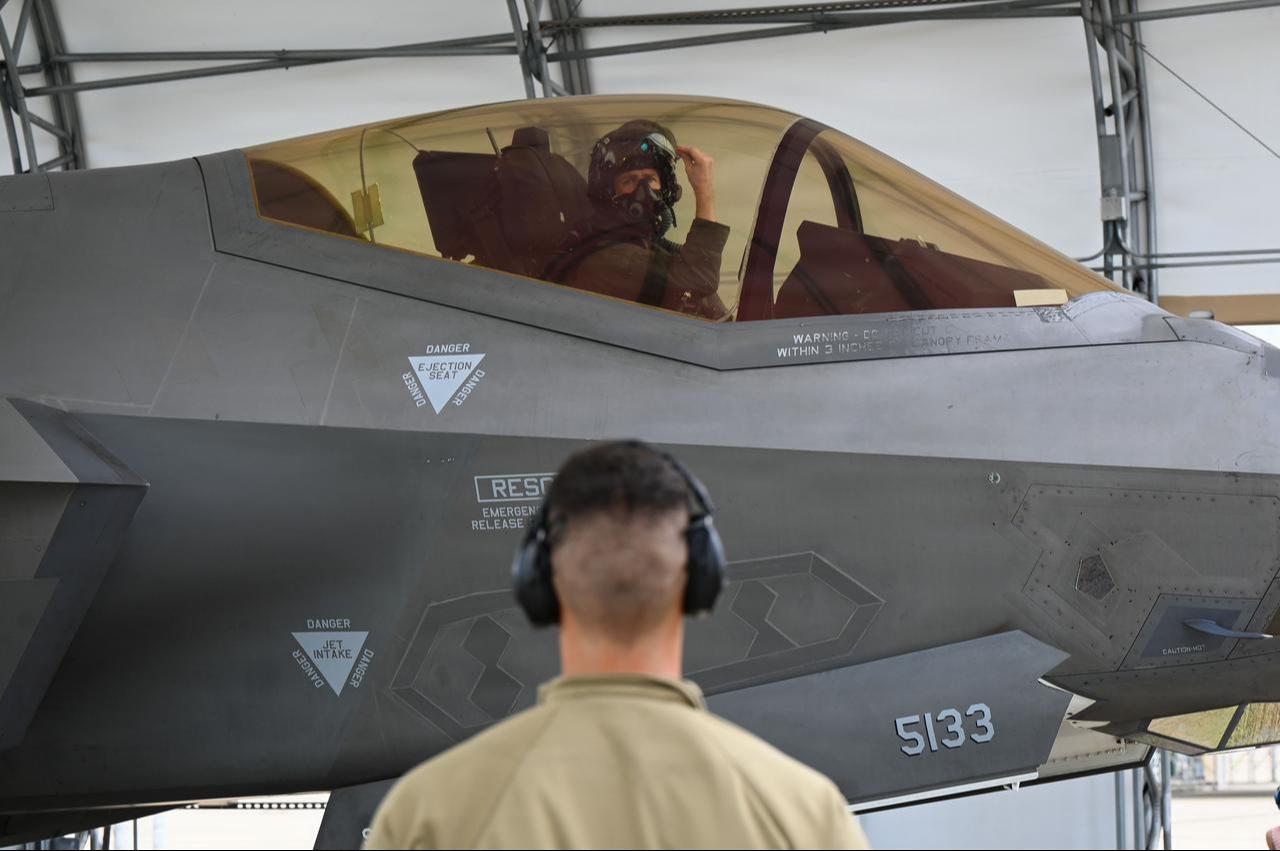
Among the shipment's contents was an F-35 canopy, the cockpit covering that incorporates stealth technology available only to the U.S. and its allies.
If obtained by an adversary, the component could potentially be studied and reverse-engineered.
The canopy is an acrylic bubble coated with a thin layer of transparent radar-absorbent material that helps conceal the aircraft from enemy radar, a coating that degrades over time and periodically requires repair or replacement across the more than 1,300 F-35s produced for the U.S. and its allies.
The Pentagon's F-35 Joint Program Office said in a statement it was "aware of a shipment issue of unserviceable F-35 Lightning II components," adding that it is working with U.S. authorities and industry partners "to retrieve these components, investigate the incident, and place safeguards to avoid a future occurrence."
Lockheed Martin said it could not discuss the status of shipments for security reasons but follows all US regulations for shipping aircraft components.
"Our teams handle every shipment with the utmost diligence and safeguards to ensure the integrity of the F-35 program and the security of our allied partners," the company said.
Because Hong Kong is a special administrative region of China, the diversion potentially placed the equipment within Beijing's sphere of influence, a concern amplified by China's tightened political control over the city and increasingly strict national security laws in recent years, according to Politico.
China has previously conducted espionage targeting classified Pentagon programs, including the F-35, according to the report.
"It's no secret that China has been aggressively trying to get F-35 data through electronic espionage, among other means," said J.J. Gertler, a former House Armed Services Committee staff member and Congressional Research Service military aviation analyst.
"But even if they already had specifications or other data about the part, possessing a real one can give them even more to go on and can verify or refine whatever they already had learned," he added.
The F-35 program, which includes the U.S. and allied nations such as the U.K., Australia, Denmark, Norway and Poland, relies on a shared global pool of spare parts owned by the Defense Department until installed on an aircraft, transported via commercial shipping providers managed by Lockheed Martin.
While Australia hosts maintenance depots for the jet, none are currently capable of repairing canopies, according to Politico.
Though the Pentagon has increased oversight of the F-35 supply chain in recent years, it does not independently track spare parts in the shared pool, Lockheed does.
A 2023 Government Accountability Office report found more than 1 million F-35 spare parts had gone missing over the preceding five years, concluding the department could not review losses worth tens of millions of dollars because Lockheed controls the relevant information.
"The F-35 Joint Program Office does not track or enter these spare parts into an accountable property system of record that would enable it to capture and store real-time changes to property records," the GAO report said.
"The prime contractors maintain this information," the report noted.
Parts shortages frequently ground the aircraft; a 2026 GAO report found that while F-35 sustainment costs have continued rising, the program's performance has not met goals and "has trended down."
The program remains on track to become the world's costliest weapons system, with the Pentagon projecting nearly $2 trillion in total lifetime spending.


 Set as preferred source
 Set as preferred source


 1 min read

 1 min read