Newsletters





U.S. Senate race in Mississippi remained too close to call Wednesday, with Democratic challenger Scott Colom leading Republican Sen. Cindy Hyde-Smith by just 43 votes out of more than 900,000 cast, even as Democrats secured control of the chamber.
With nearly all precincts reporting, each candidate held 48.9 percent of the vote. About 97 percent of the vote had been counted. The Associated Press had not called the race as of Wednesday morning Eastern time.
Mississippi has not elected a Democrat statewide in more than 40 years. A Colom victory would make him the first Democrat elected to the U.S. Senate from the state in nearly four decades and its first Black senator since Reconstruction.
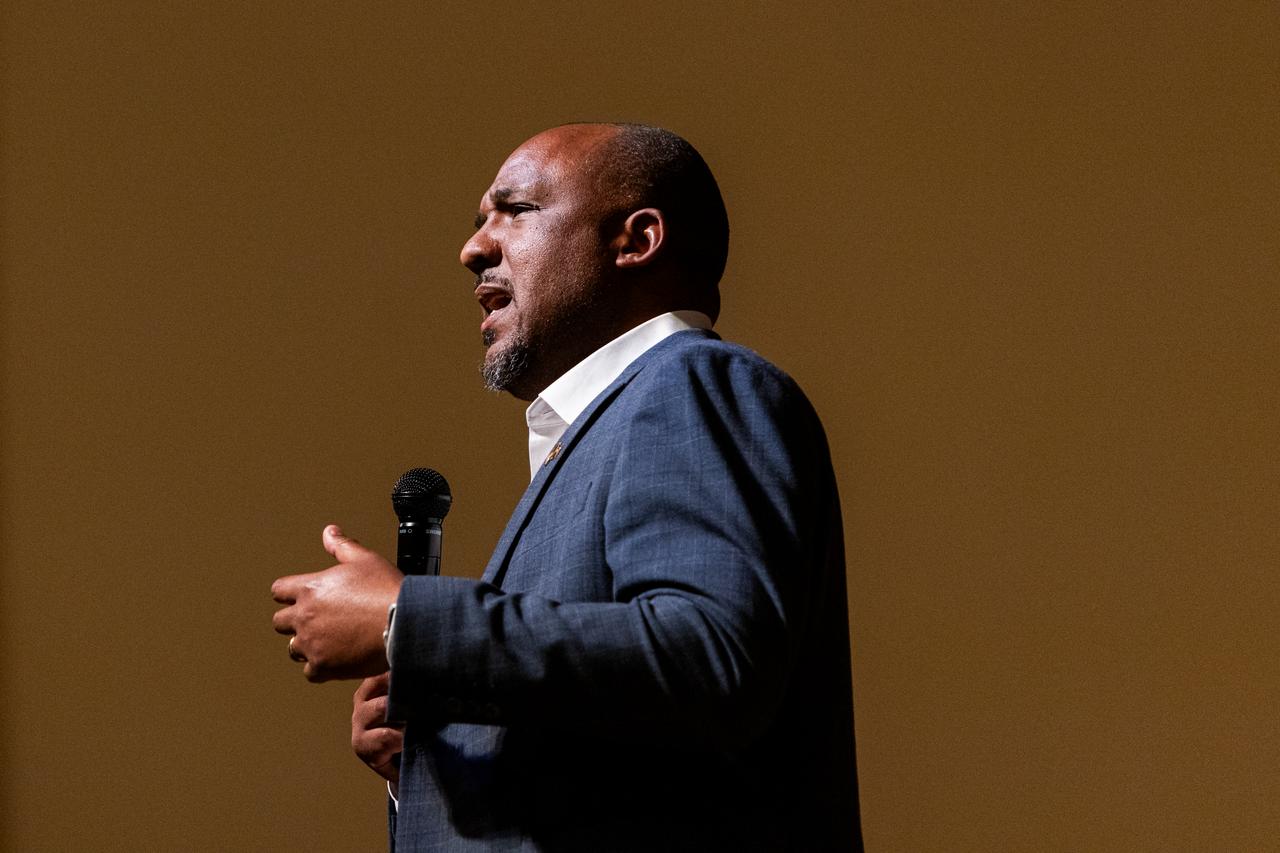

Neither candidate has claimed victory, though both struck confident tones in election night speeches. Hyde-Smith said she would “continue” as the state’s senator. Colom said that “deep down” in his “soul” he believed he would win.
Hyde-Smith, a Republican, is the incumbent. Colom, the Democratic nominee, had been seen as having a chance of pulling off an upset in a state that Donald Trump carried by a wide margin in 2024.
The outcome may turn on ballots still to be counted. Mississippi will accept all mail-in ballots postmarked by Nov. 3 and received within five days of the election. Provisional ballots, which go to voters whose eligibility is in question, can be counted for up to five business days after Election Day.
State law does not provide for automatic recounts, and it remains unclear whether, or how, a recount could be started if the margin stays this narrow.
Mississippi is not the only Senate contest that could take time to resolve. In Alaska, Democrat Mary Peltola held a lead of several hundred votes over Republican Sen. Dan Sullivan, with about three-quarters of ballots counted. Peltola had 48.2 percent of ballots counted so far, to Sullivan’s 47.9 percent.
Alaska accepts absentee ballots up to 15 days after Election Day. The state uses ranked-choice voting when no candidate reaches 50 percent in the first round, and it will not begin tabulating voters’ preferences for two weeks. A final result in Alaska may not come until closer to Thanksgiving.


 Set as preferred source
 Set as preferred source


 1 min read


 1 min read