Newsletters


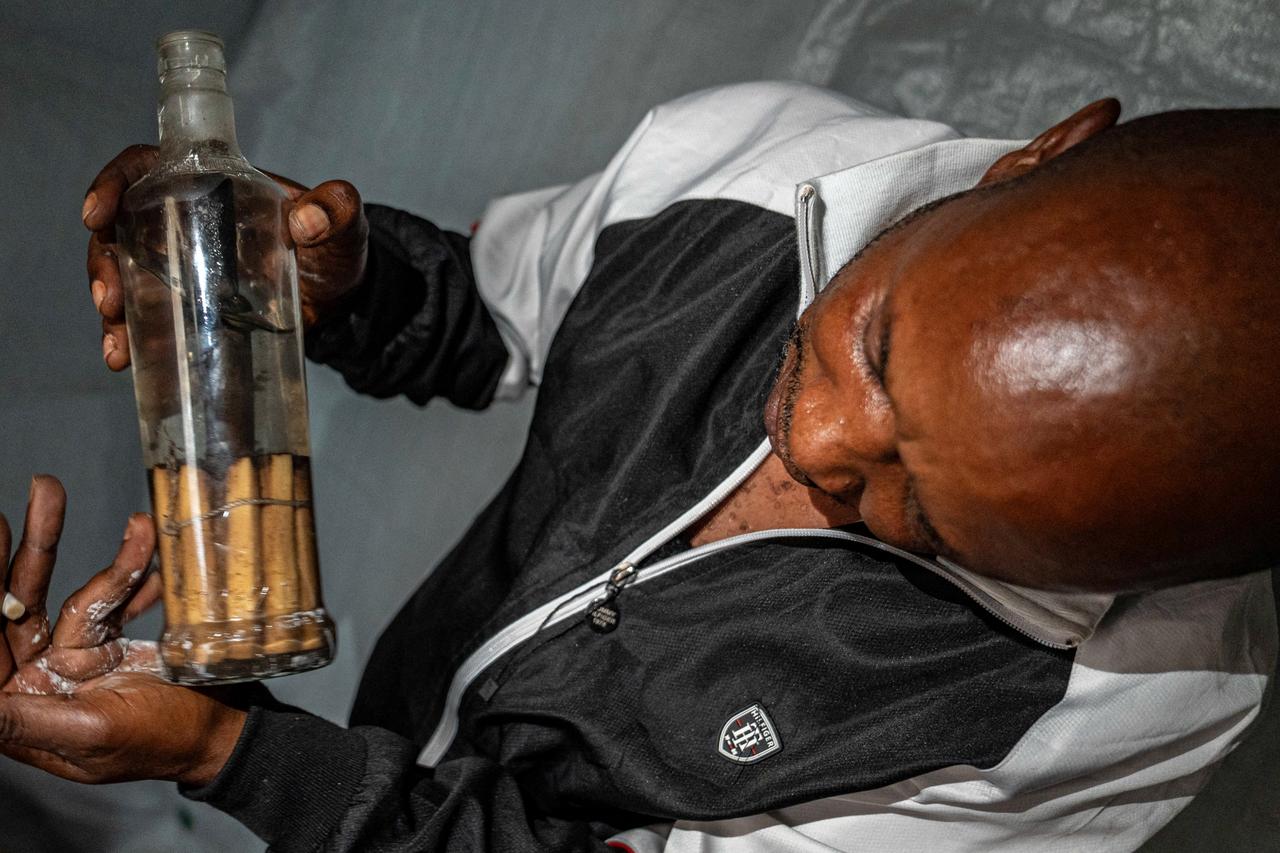


Traditional healers in the Ituri province have become central to the response to the 17th Ebola outbreak in the Democratic Republic of the Congo (DRC), as community mistrust of health workers continues to hinder containment.
The outbreak was declared on May 15 in Bunia, the provincial capital. The latest figures from the World Health Organization (WHO) show that 359 people have been confirmed infected, and 61 have died.
Despite its mineral wealth, eastern DRC's Ituri region remains impoverished and plagued by decades of conflict and inadequate state services. Health infrastructure is severely lacking, and deeply rooted local beliefs often lead residents to attribute illnesses to intentional poisoning rather than medical infections.
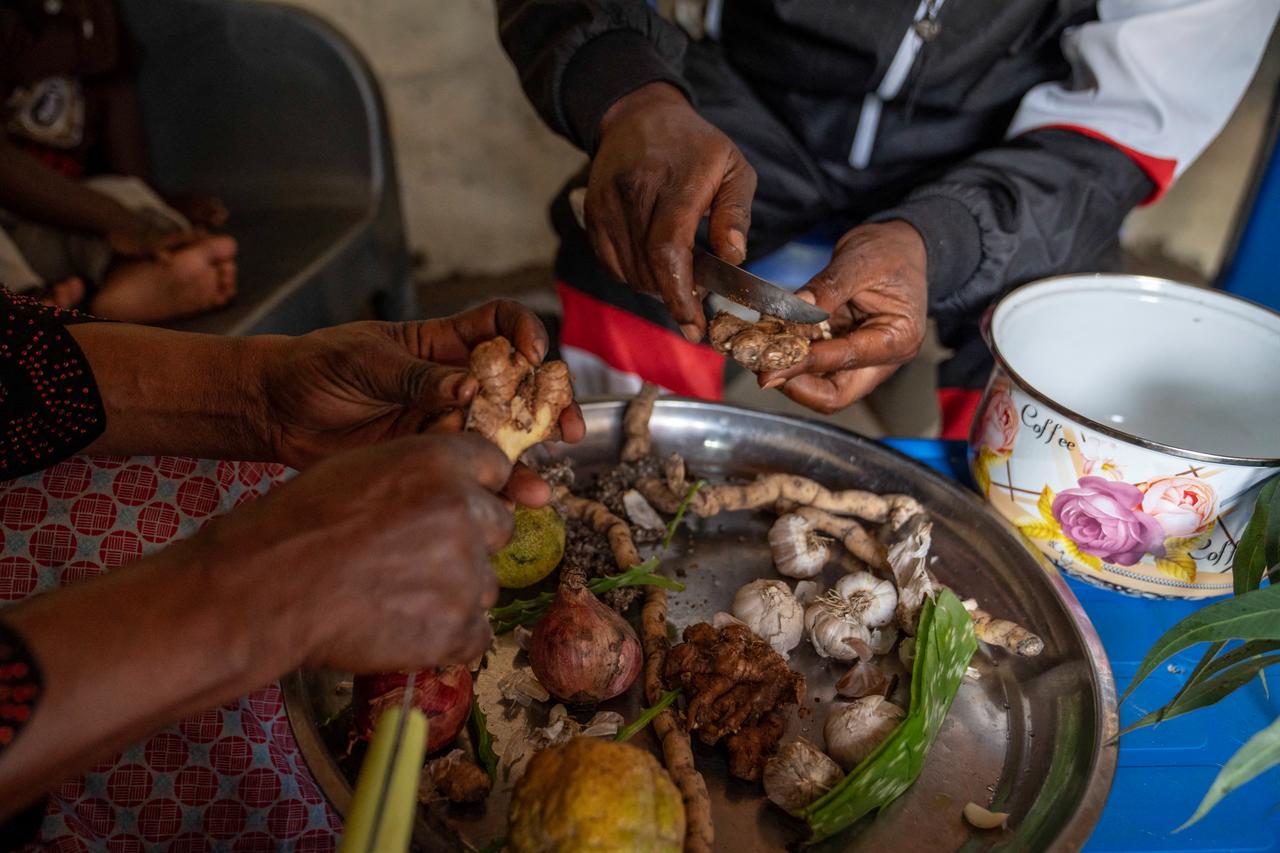

Consequently, local traditional healers, known as "tradipractitioners," wield substantial community influence. Although government regulations and licensing policies exist on paper, the DRC does not formally recognize tradipractitioners as an official profession.
Mariam Kabika, a healer in Bunia, collects eucalyptus, avocado, mango, and papaya leaves to prepare treatments for Ebola patients. She and her husband, Dauda Tshimanga, claim to have developed a cure using boiled plant inhalations, administered three times daily for three days. No patient has used this treatment during the current outbreak, though Tshimanga said they treated patients in previous outbreaks.
"Traditional medicine has not yet been brought in for the treatment and response to this disease, but we are ready to contribute," Tshimanga said.
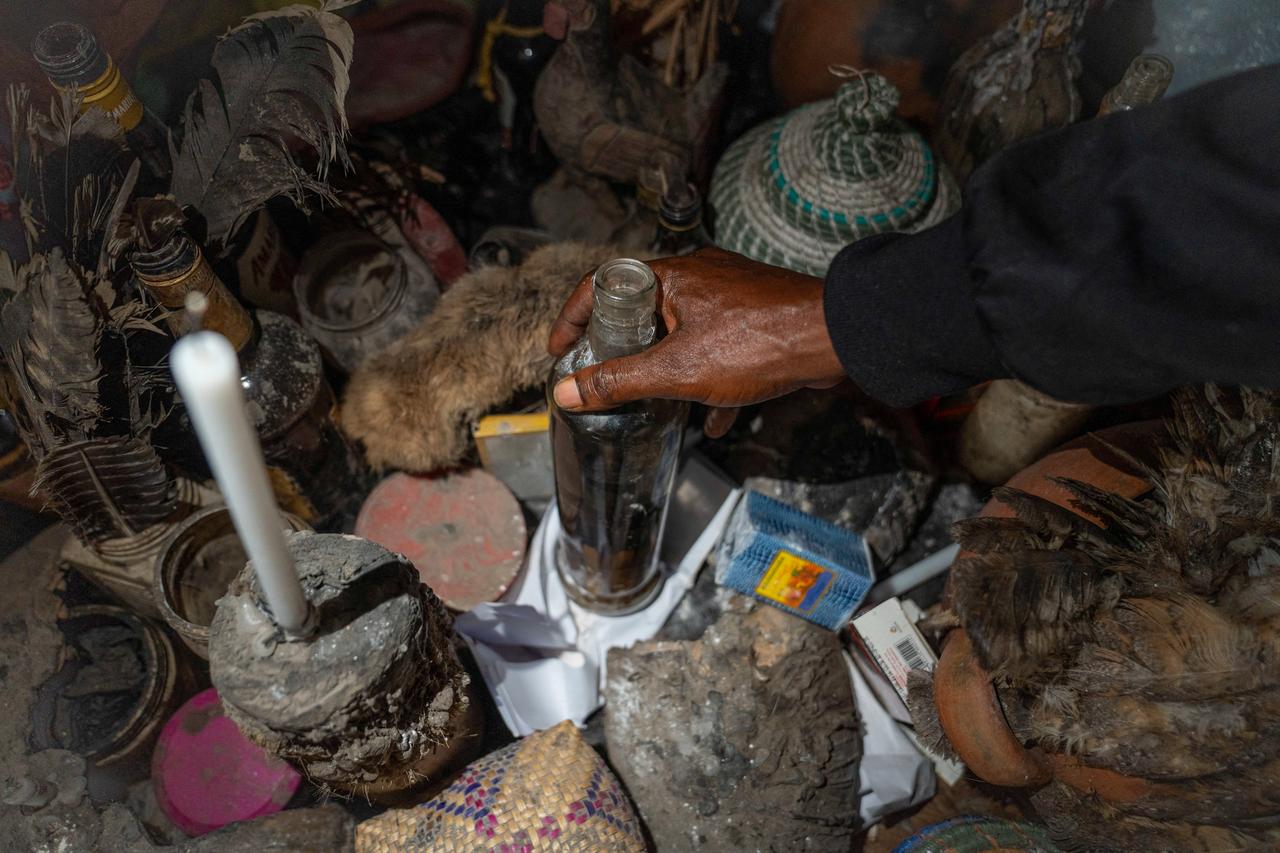
Doctors in Bunia have expressed concern that traditional practitioners may delay medical care. Willy Beiza, a local physician, said some Ebola patients believe they have been poisoned and seek treatment from healers who provide remedies without proper dosage or supervision. As a result, patients often arrive at health facilities "in critical condition," he said.
WHO Director-General Tedros Adhanom Ghebreyesus, following a recent visit to Bunia, told reporters in Geneva that community mistrust remains high, with some local leaders denying the existence of the disease.
The WHO has acknowledged that an effective response requires engaging communities and incorporating traditional practices. In a previous outbreak, traditional authorities used isolation rituals to quarantine suspected cases and prohibited washing bodies and collecting dead animals.
The current response remains limited. The WHO reports that only about 45% of contacts have been followed up. The organization is encouraging traditional practitioners to refer patients to health centers and is providing them with protective equipment.
The Bundibugyo strain of Ebola, responsible for the current outbreak, has no approved vaccine or treatment.


 Set as preferred source
 Set as preferred source



 4 min read