Newsletters


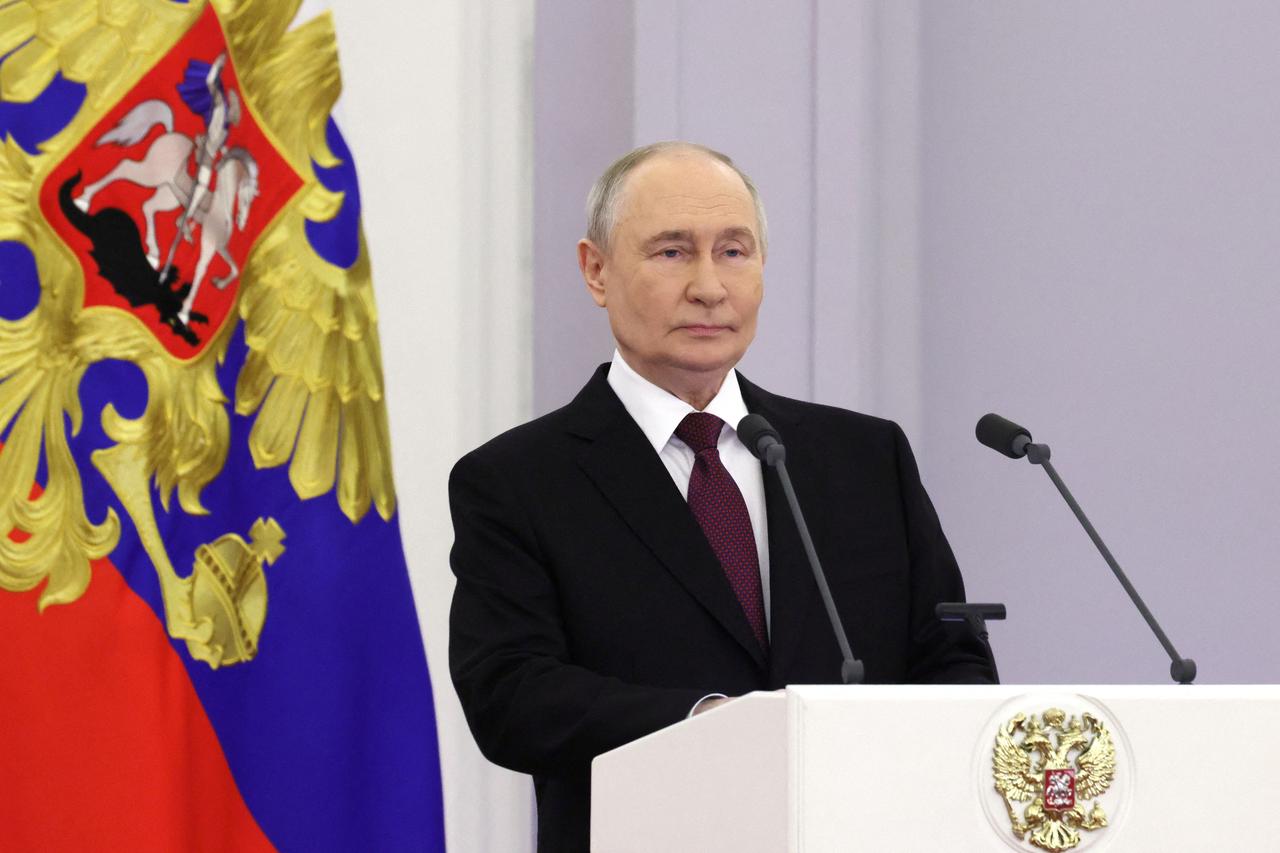


The Kremlin said Sunday it does not rule out a return to three-way negotiations with Ukraine and the United States in October, as Moscow and Kyiv both signaled openness to reviving talks on ending the more than 4-year-long war.
"We do not rule out such a possibility; we are talking about the foreseeable future. That is, of course, presumably October. October cannot be ruled out," Kremlin spokesperson Dmitry Peskov told reporters, according to Russia's RIA Novosti and TASS news agencies.
In a separate interview with the Russian daily Izvestia, Peskov said the possibility of a trilateral meeting had been discussed during recent contacts.
"As for the trilateral meeting, this has been discussed. We hope it will take place in the foreseeable future. In this regard, we are on the same page as (U.S. envoy) Mr. (Jared) Kushner," he said.
Peskov said no new proposals were currently on the table.
"As for whether there are any new proposals, there are none at the moment. But that is precisely what the trilateral meeting will be for, to look for some new options," he said.
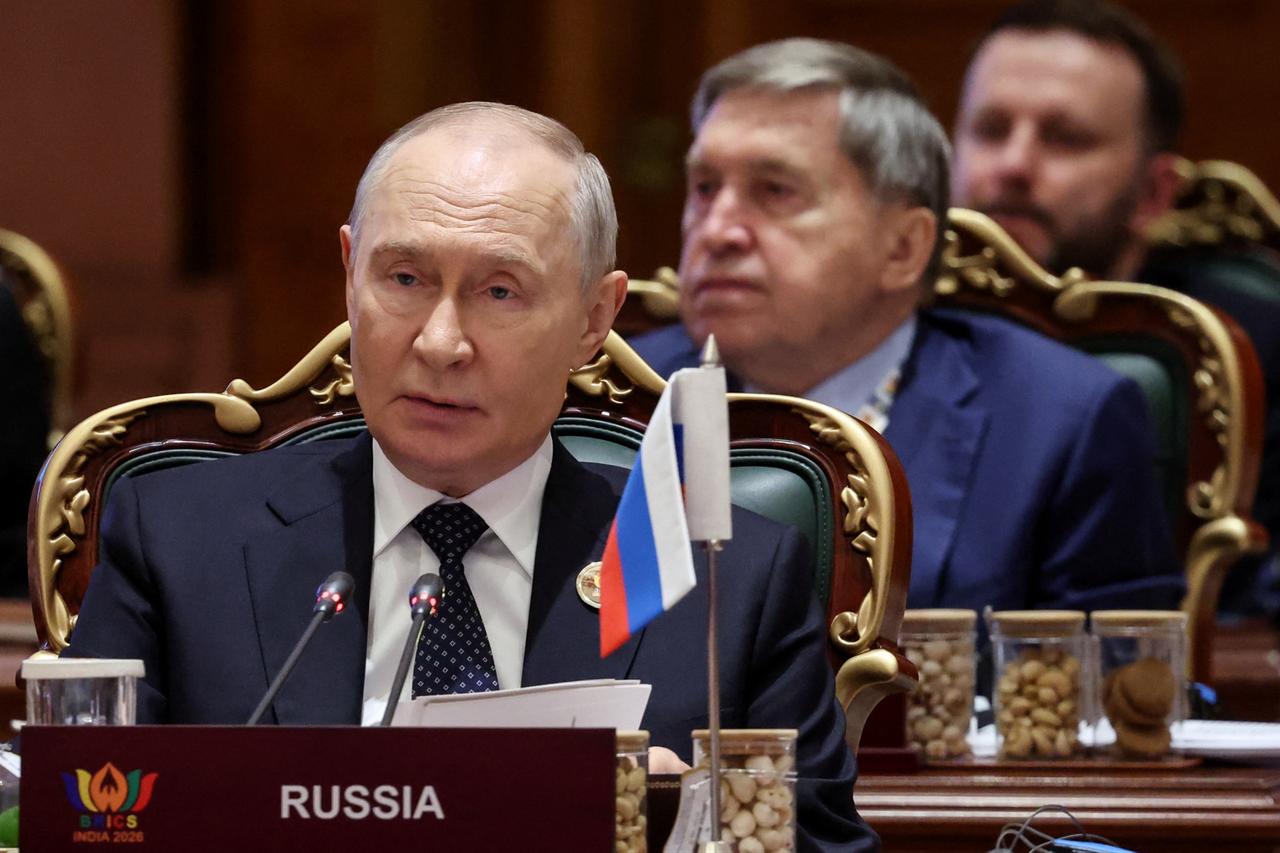
Peskov dismissed as "impossible" Ukrainian President Volodymyr Zelenskyy's stated willingness to meet Russian President Vladimir Putin at the G20 summit in Miami in December, telling Agence France-Presse (AFP) in New Delhi on Saturday that Moscow's position remains that any Putin-Zelenskyy meeting could only take place in the Russian capital.
Putin has repeatedly rejected offers for a face-to-face meeting with Zelenskyy aimed at ending the conflict.
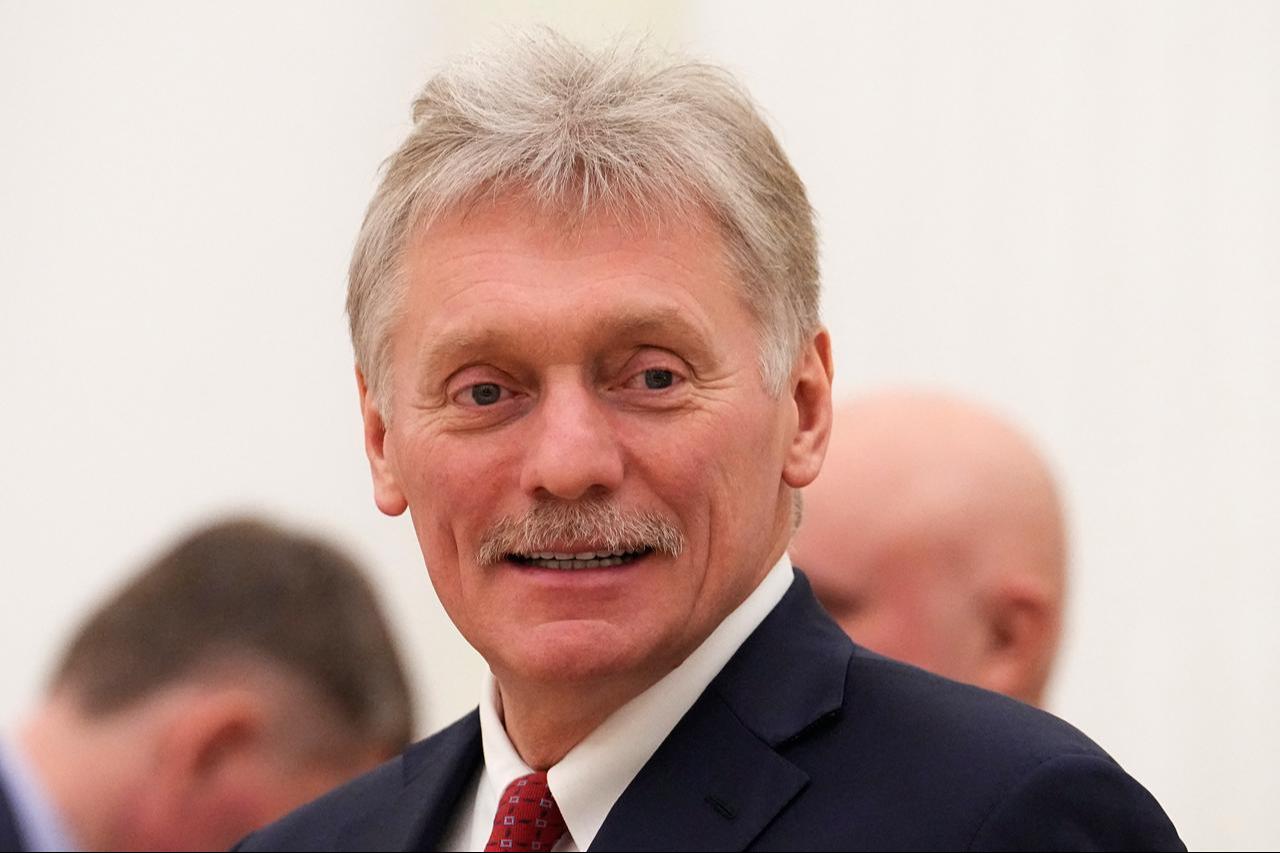

Kremlin foreign policy aide Yuri Ushakov told Russia's Channel One that Abu Dhabi has been discussed as one possible venue for the trilateral talks, alongside offers from Türkiye and other countries.
"The Turks are offering their services, as are some other countries," Ushakov said, adding that Abu Dhabi remains "a fully suitable venue" for Moscow. Ushakov said Abu Dhabi Crown Prince Khaled bin Mohamed bin Zayed Al Nahyan confirmed to Putin during their meeting that the UAE is ready to provide a venue for talks on Ukraine, "as it did before."
Ushakov said the current state of negotiations lacks a "coordinated package" to serve as their basis.
"At present, there is the idea that we need to reach an agreement on the territorial issue. But there are also many other questions," he said.
The comments followed visits by U.S. envoys Steve Witkoff and Jared Kushner to Moscow and Kyiv last week as part of efforts to revive Ukraine negotiations.
Witkoff and Kushner met Putin in Moscow on Sept. 5, with the Kremlin describing the talks as "substantive, constructive and useful."
The following day, the envoys traveled to Kyiv for talks with Zelenskyy.
Kushner said the visits gave the U.S. a clearer picture of what could lead to a lasting resolution of the conflict and that new ideas had emerged for discussion at a future trilateral meeting.
Putin and U.S. President Donald Trump spoke by phone on Sept. 8.
Russia, the U.S., and Ukraine held three earlier rounds of talks in Abu Dhabi and Geneva at the start of the year, though previous negotiating rounds have failed, with U.S.-led efforts subsequently stalled as Trump's attention shifted to the separate U.S.-Israeli war with Iran.
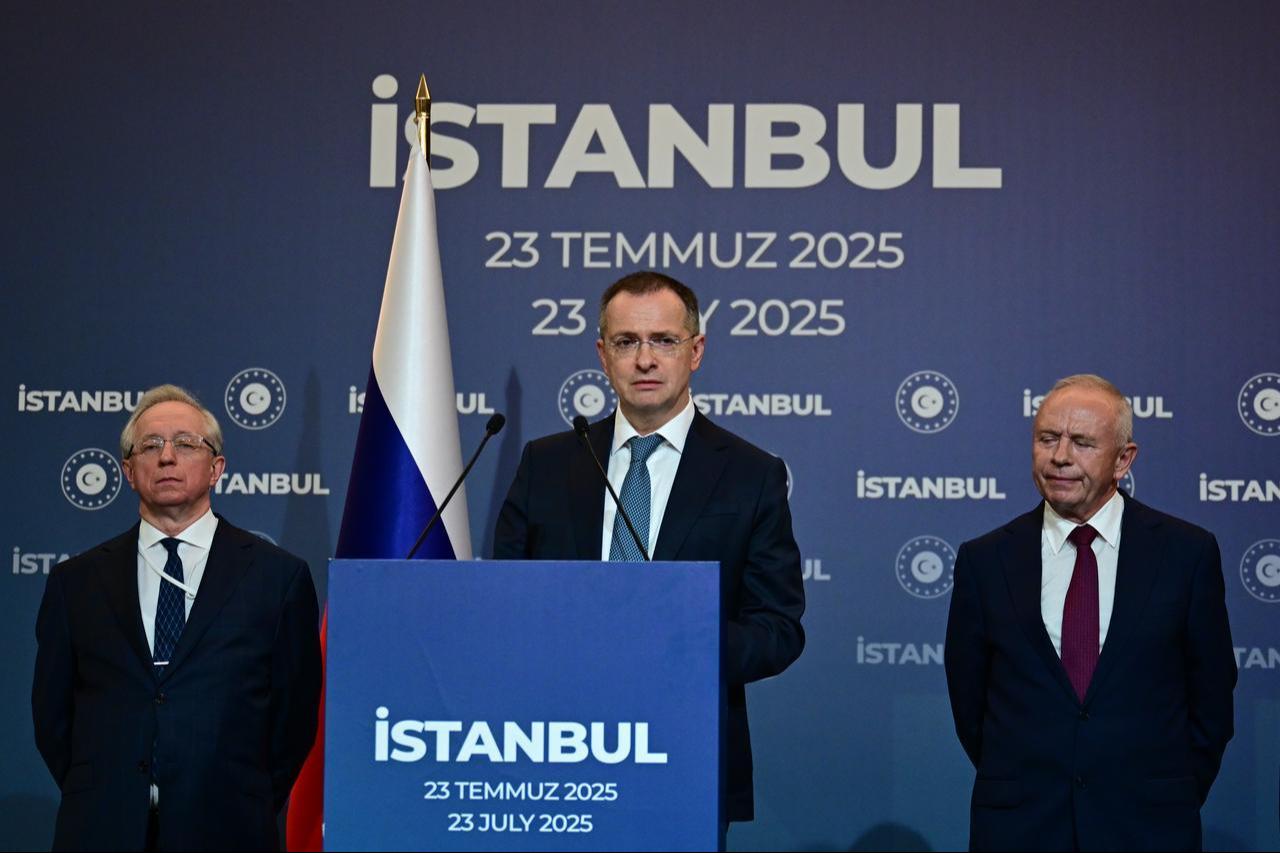
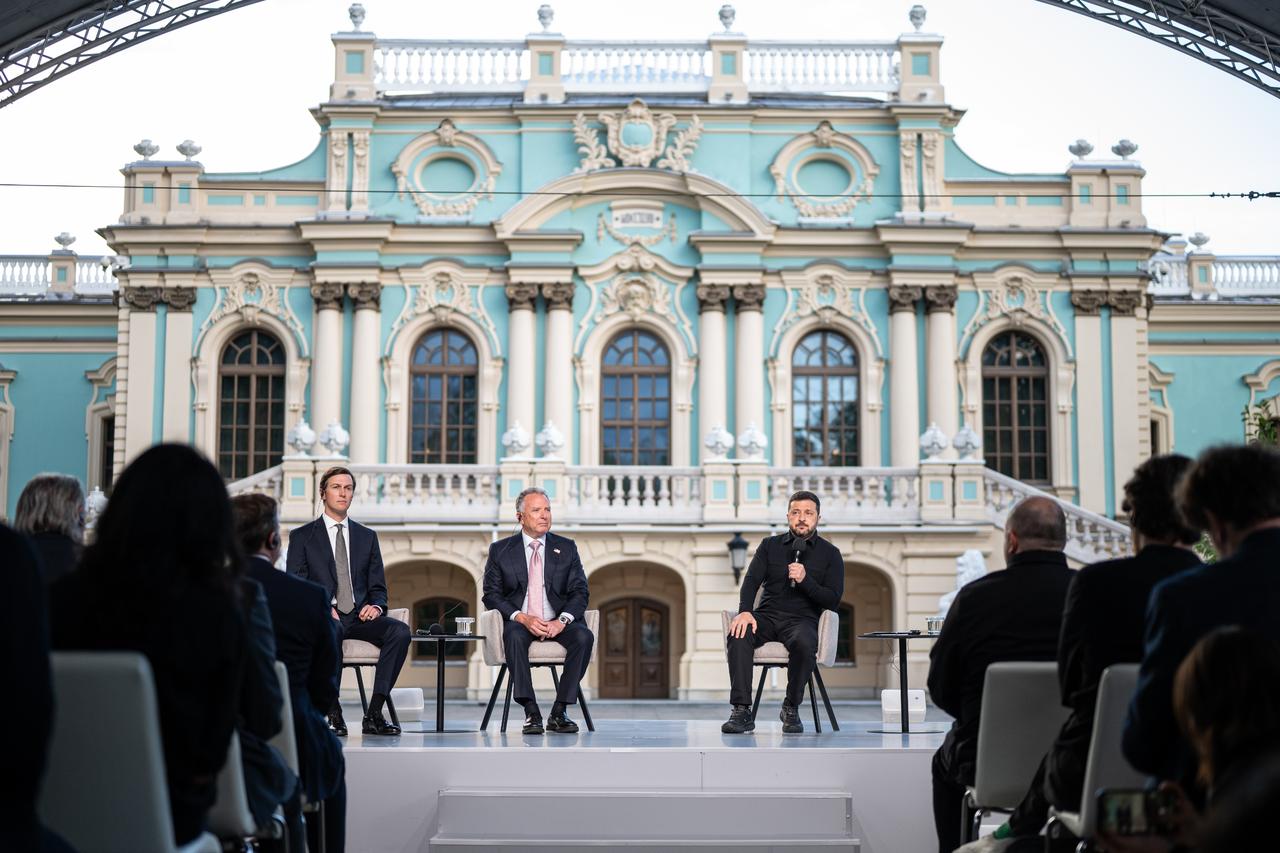
Ukraine's Presidential Office head, Kyrylo Budanov, said a new round of trilateral peace talks could take place in early October, focused on a gradual reduction in aerial strikes. Speaking on the sidelines of the Yalta European Strategy (YES) forum in Kyiv, Budanov met with national security advisers from Germany, France, Italy and the UK to coordinate positions ahead of potential talks, according to Ukraine's presidential office.
"It is important that the U.S. and Europe take part in the talks," Budanov said.
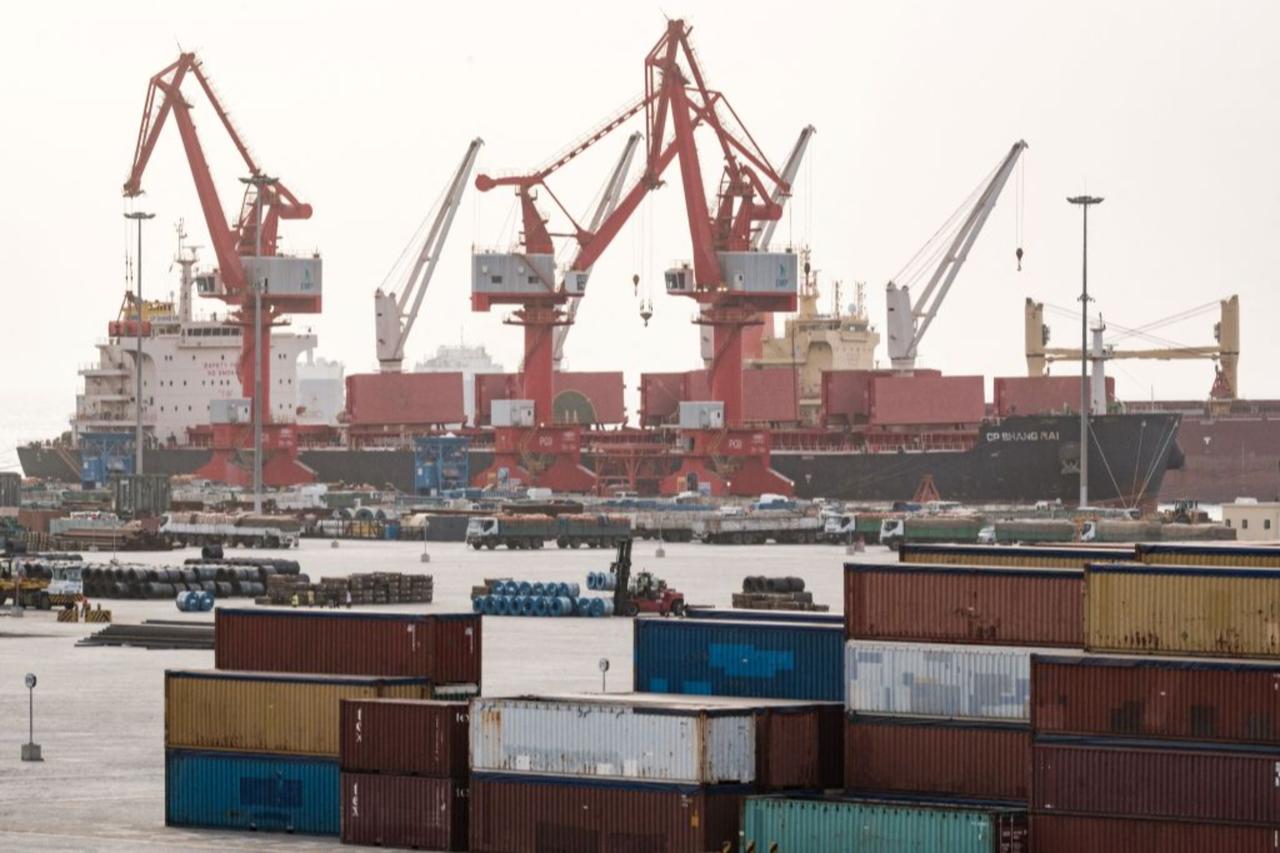
"The main issue will be Black Sea shipping, reducing the number of strikes on civilian targets, critical infrastructure, and so on. Everyone has exchanged views on this. The Russians are well aware of it too and are also thinking about what to do about it. We are waiting," he added.
Budanov said it is important not to waste time and to work on building a new European security architecture in which Ukraine and its armed forces would play an integral part, an idea Zelensky has repeatedly raised in calling for cooperation with European partners
Both Moscow and Kyiv have escalated long-range strikes on each other in recent months, resulting in the highest civilian death toll since the war's early days.


 Set as preferred source
 Set as preferred source


 1 min read
 1 min read