Newsletters


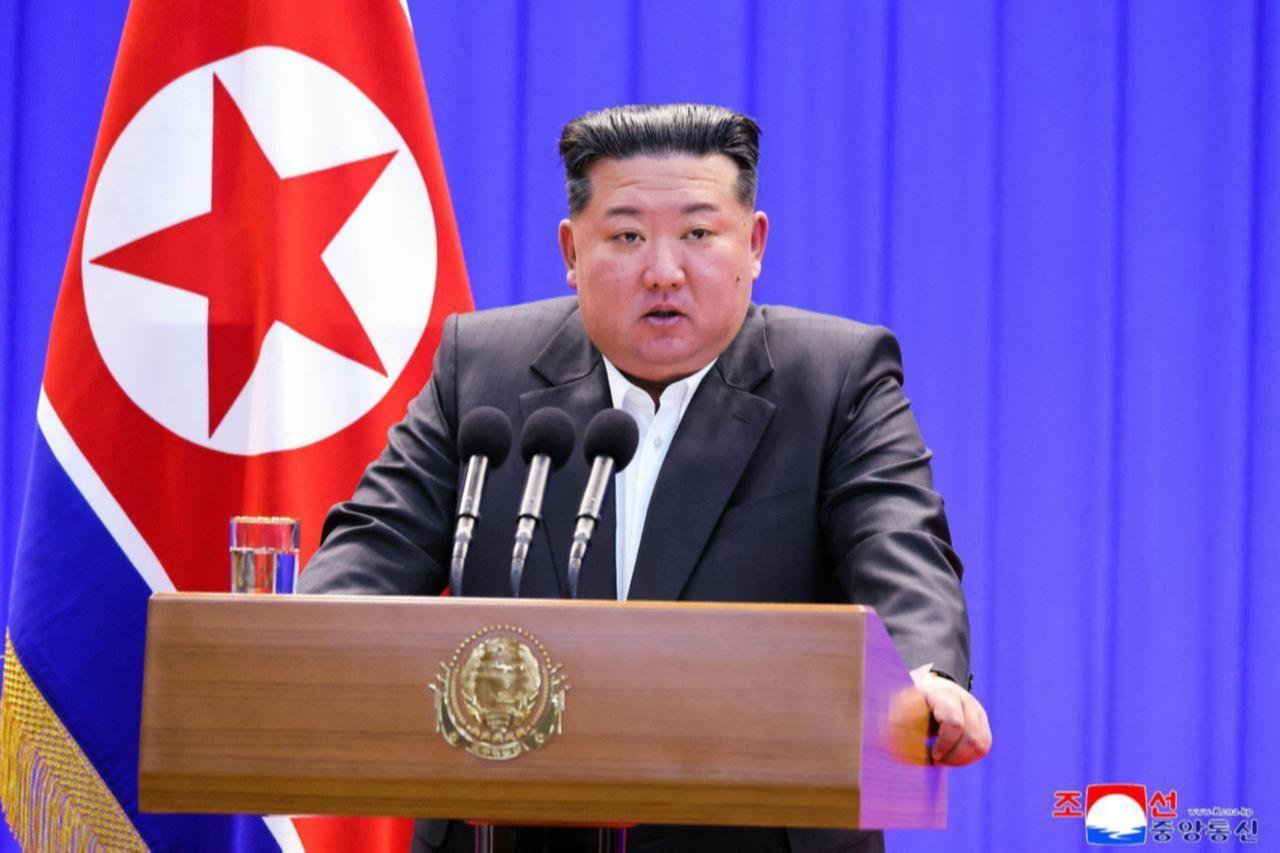


North Korea has warned it will deliver a "terrible response" if South Korea repeats drone incursions into its airspace, state media reported Friday, as Seoul's widening investigation into the flights reached deep into the country's military and intelligence establishment.
The warning from Pyongyang, carried by the Korean Central News Agency, comes as a South Korean military-police task force investigating the alleged incursions this week raided the Defense Intelligence Command and the National Intelligence Service (NIS), executing search warrants at 18 locations including suspects' homes. Six people have been booked so far: three active-duty service members, one NIS employee and three civilians, a Korean National Police Agency officer told NK News.
Investigators reportedly suspect a colonel assigned to the Defense Intelligence Command directed officers to recruit a civilian drone operator and his coworkers for covert operations against North Korea. The civilian, identified by the surname Oh, initially claimed he carried out the flights independently to monitor radiation levels near a uranium facility. South Korean media reported that Oh was a director at a drone manufacturing firm who had previously worked at the presidential office during the Yoon Suk Yeol administration. CCTV footage reportedly showed one of the booked military officers was with Oh during a drone launch, though police declined to comment on the report.
The three civilians face charges including violating the Aviation Safety Act and "benefiting the enemy in general," which can carry sentences ranging from three years to life in prison. The aviation charge, by contrast, carries a maximum fine of roughly 5 million won ($3,437). Under current South Korean law, objects weighing less than two kilograms can be flown without government approval, though a recent amendment banning all unmanned aircraft launches regardless of weight has not yet taken effect.
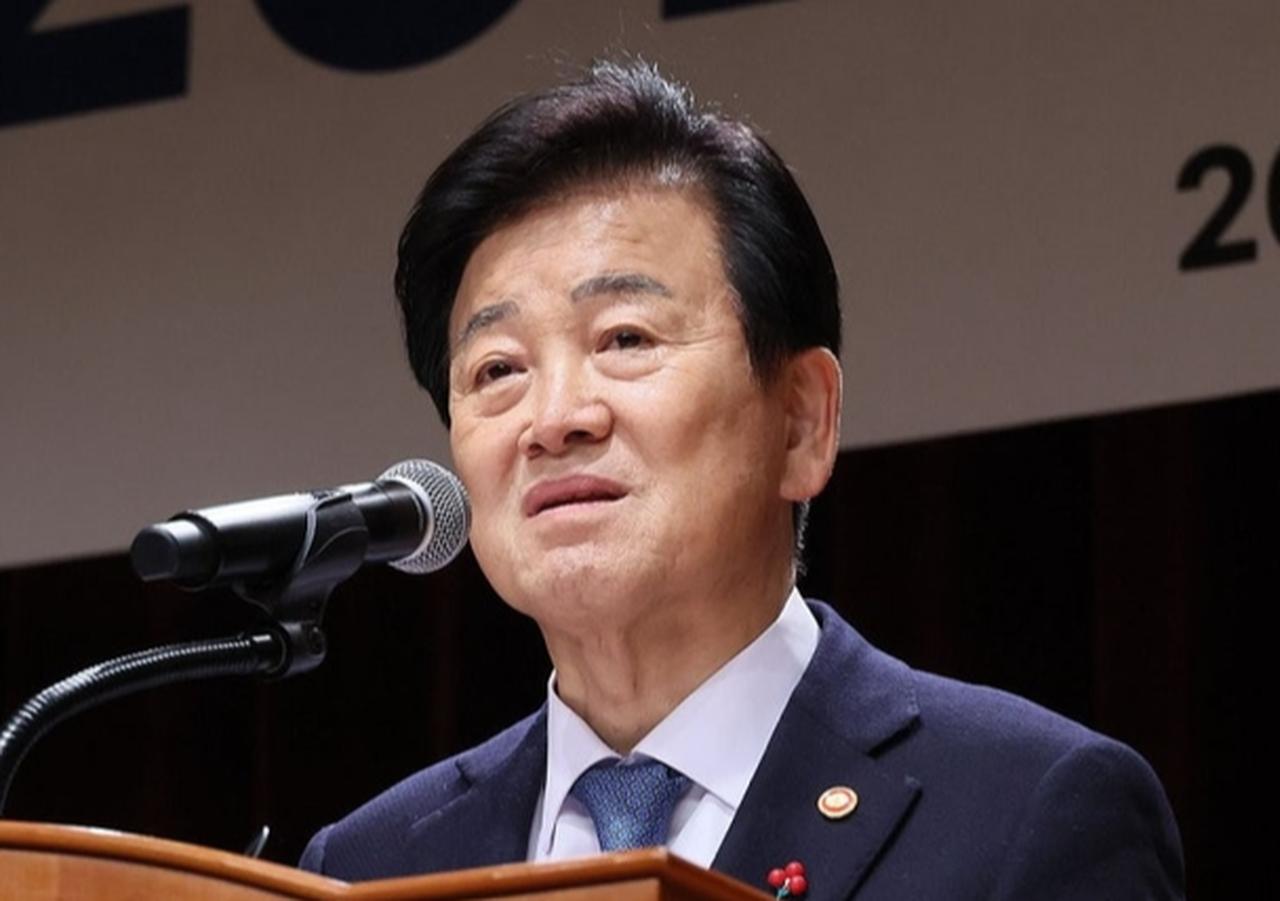

The scandal has reverberated into diplomacy. In a speech at Myeongdong Cathedral in Seoul on Tuesday, Unification Minister Chung Dong-young offered the strongest expression of contrition by a South Korean official to date.
"The Lee Jae Myung administration pursues mutual recognition and peaceful coexistence between the two Koreas," Chung said. "Taking this opportunity, I would like to express deep regret to the North regarding the reckless drone infiltration that recently occurred."
President Lee had previously said he wished he could apologize to North Korea for drone incursions allegedly carried out under the former Yoon administration but has not made a comparable statement about the more recent civilian flights.
Analysts offered mixed assessments. Cha Du-hyeogn, vice president at the Asan Institute for Policy Studies, called the speech premature given Pyongyang's disinterest in dialogue, asking, "Civilians were in charge of this. Does the government need to control everything civilians say or do?" Kim Seong-ryeol, a North Korean defector who teaches diplomatic studies at Busan University of Foreign Studies, suggested Chung may be seeking to promote engagement without coordinating with Lee's office, though he did not rule out that the president had granted the minister wide latitude on unification policy.
North Korea's military had previously condemned the drone flights as "serial outrageous encroachment upon our sovereignty," warning that South Korean "military warmongers will be surely forced to pay a dear price." The North said it used electronic warfare to bring down one drone equipped with two cameras over a border town and forced a second to crash in September after it collected video data on key sites.
The Lee government, which took office in June 2025, has pushed aggressively to reopen dialogue with Pyongyang. Lee recently asked Chinese President Xi Jinping to mediate between the two Koreas during a summit, with Xi reportedly counseling patience. But North Korea has steadfastly refused to engage, having shunned substantive talks with both Seoul and Washington since leader Kim Jong Un's nuclear diplomacy with then-President Donald Trump collapsed in 2019 over disagreements on sanctions relief. Pyongyang has since accelerated its weapons development and declared a hostile "two-state" framework on the Korean Peninsula, effectively severing its political relationship with the South.
Cross-border drone incidents have been a recurring flashpoint. In October 2024, North Korea accused the South of flying drones over Pyongyang to drop propaganda leaflets, and tensions spiked sharply before subsiding without major incident. South Korea has made its own accusations: in December 2022, Seoul said it fired warning shots and scrambled fighter jets after detecting what it called the first North Korean drone flights across the border in five years.


 Set as preferred source
 Set as preferred source


 1 min read

 1 min read