Newsletters


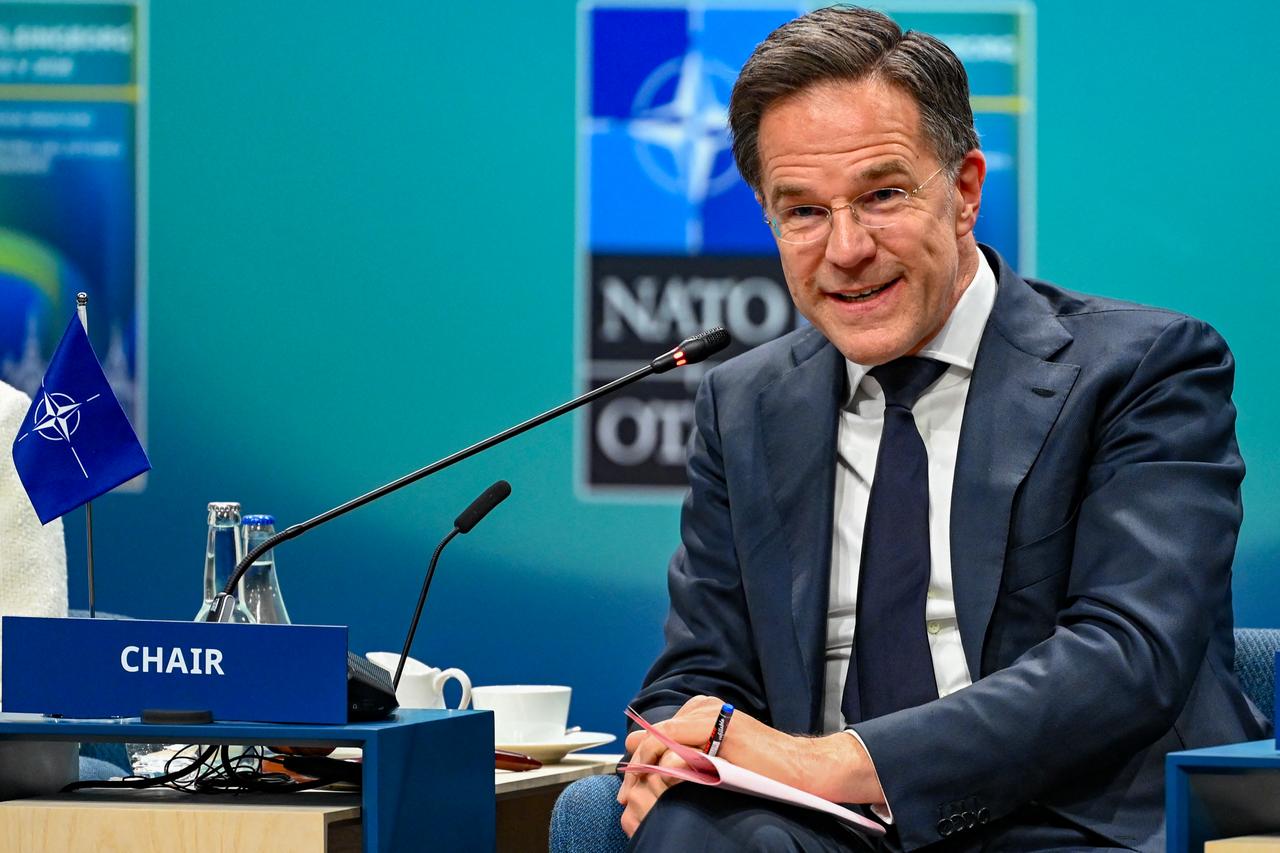


NATO Secretary-General Mark Rutte on Friday pointed to Türkiye’s defense industry as a model for the alliance while urging members to ramp up military production, as U.S. Secretary of State Marco Rubio signaled coming cuts to the American troop presence in Europe.
Speaking after a meeting of NATO foreign ministers in Helsingborg, Sweden, Rutte framed the upcoming July 7-8 summit in Ankara as a key moment for the alliance’s defense strategy, with higher spending and industrial output expected to dominate the agenda.
"We need to produce more," Rutte told reporters, describing Türkiye’s defense sector as "a great example of how to organize a defense industrial base." He highlighted the country’s network of more than 3,000 defense companies and their growing role inside NATO.
The NATO chief also confirmed that Ukrainian President Volodymyr Zelenskyy will attend the Ankara summit.
Foreign ministers spent much of the meeting discussing how to reinforce collective defense as allies move toward NATO’s 5% defense spending target, Rutte noted. He recalled that members made a "historic commitment" at last year’s summit in The Hague and argued that spending increases are already starting to show results.
"Defense investments from European allies and Canada were up by 20%. This trend will continue," he remarked. Still, NATO’s industrial output remains below what allies now require, according to Rutte.
"We need to produce faster and at greater scale on both sides of the Atlantic," he said, adding that ministers agreed to push for tighter cooperation across the alliance to expand defense manufacturing capacity.
Rutte also underlined that European allies and Canada are taking on a larger share of collective security responsibilities while remaining tied to Washington through the transatlantic alliance.
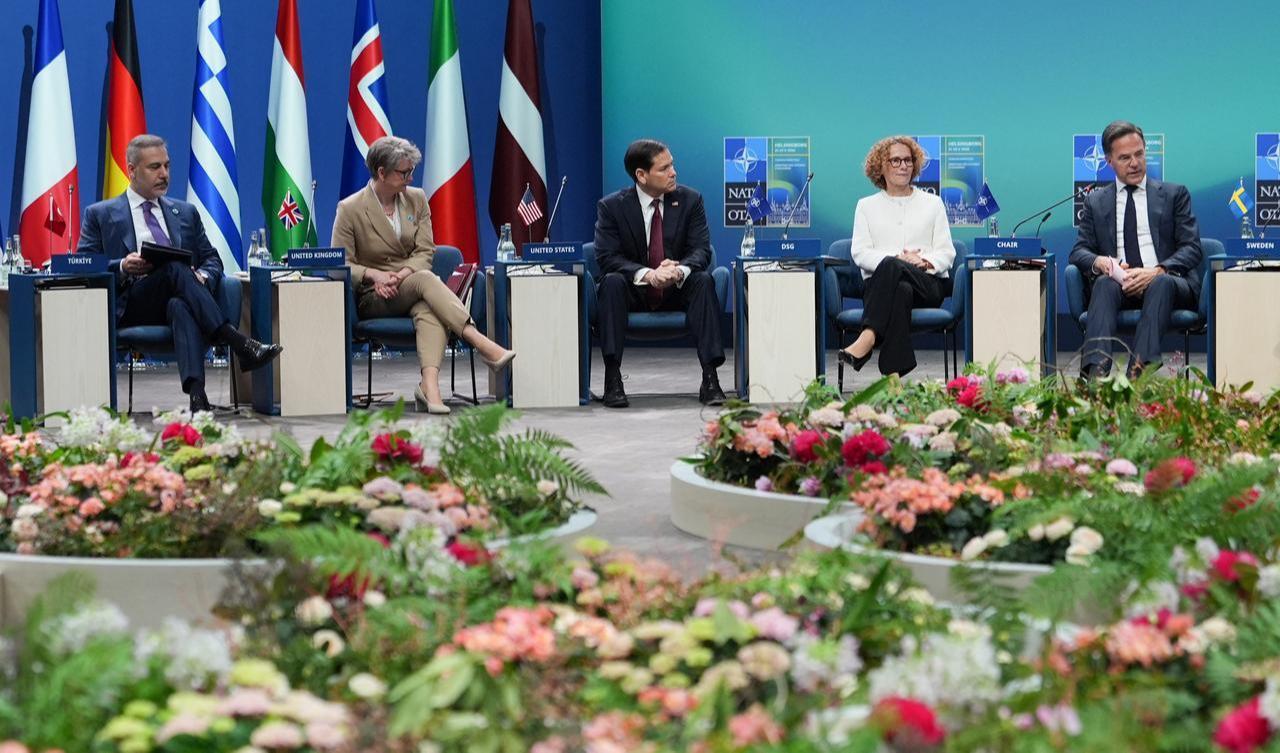

At the same gathering, U.S. Secretary of State Marco Rubio told NATO allies to brace for changes to the American military footprint in Europe as Washington turns more attention toward other regions.
His remarks followed a series of mixed signals from President Donald Trump over troop deployments across the continent. Trump recently announced plans to send 5,000 troops to Poland after earlier scrapping the deployment, while Washington previously moved to pull 5,000 troops out of Germany following tensions with Chancellor Friedrich Merz.
Rubio maintained that the planned adjustments had already been discussed with NATO members.
“It is well understood in the alliance that the United States troop presence in Europe is going to be adjusted,” he noted, while acknowledging that some allies may be uneasy about the changes.
He also hinted that Washington could cut the number of forces earmarked for NATO emergency operations.
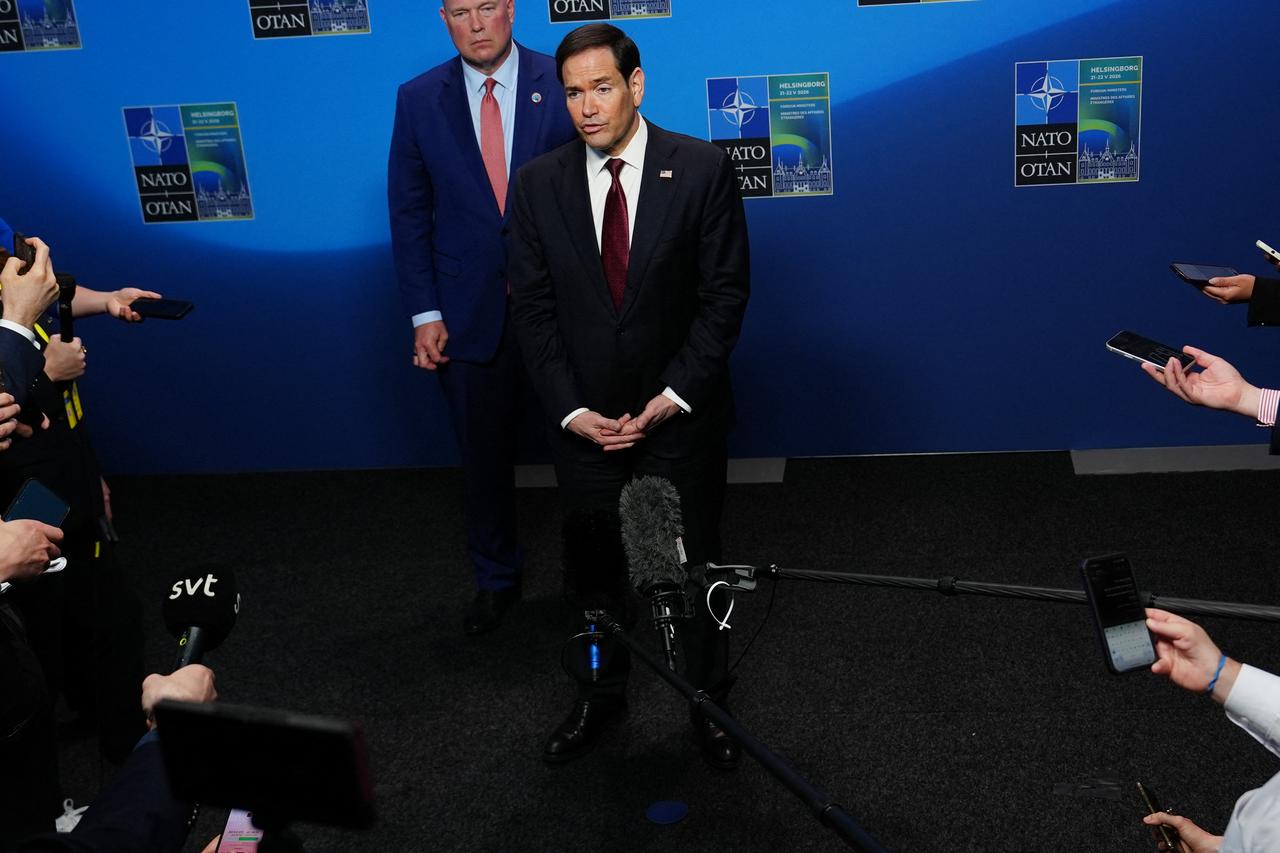
Several European ministers also indicated that a gradual U.S. pullback was increasingly expected as Washington pivots toward the Middle East and the Indo-Pacific while Europe builds up its own defenses.
"It is confusing indeed, and not always easy to navigate," Swedish Foreign Minister Maria Malmer Stenergard said during the meeting.
"What is important is that it happens in a structured manner, so that Europe is able to build up when the U.S. reduces its presence," Norwegian Foreign Minister Espen Barth Eide remarked, while French Foreign Minister Jean-Noel Barrot described the moment as a chance "to Europeanise NATO."
Amid tensions over Trump’s Iran campaign, diplomats hope the Ankara summit will shift focus back to defense spending and Europe’s growing role within NATO.


 Set as preferred source
 Set as preferred source


 2 min read
 1 min read