Newsletters


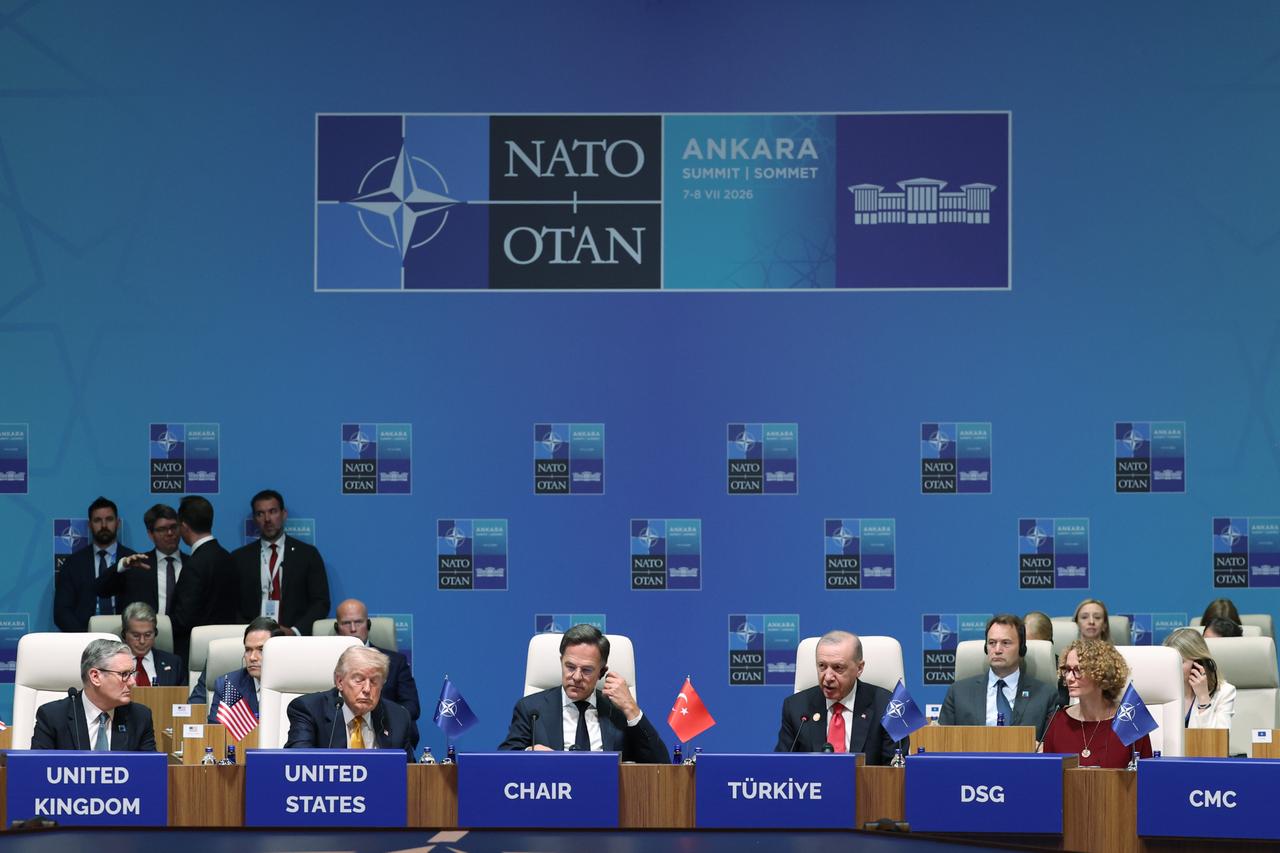


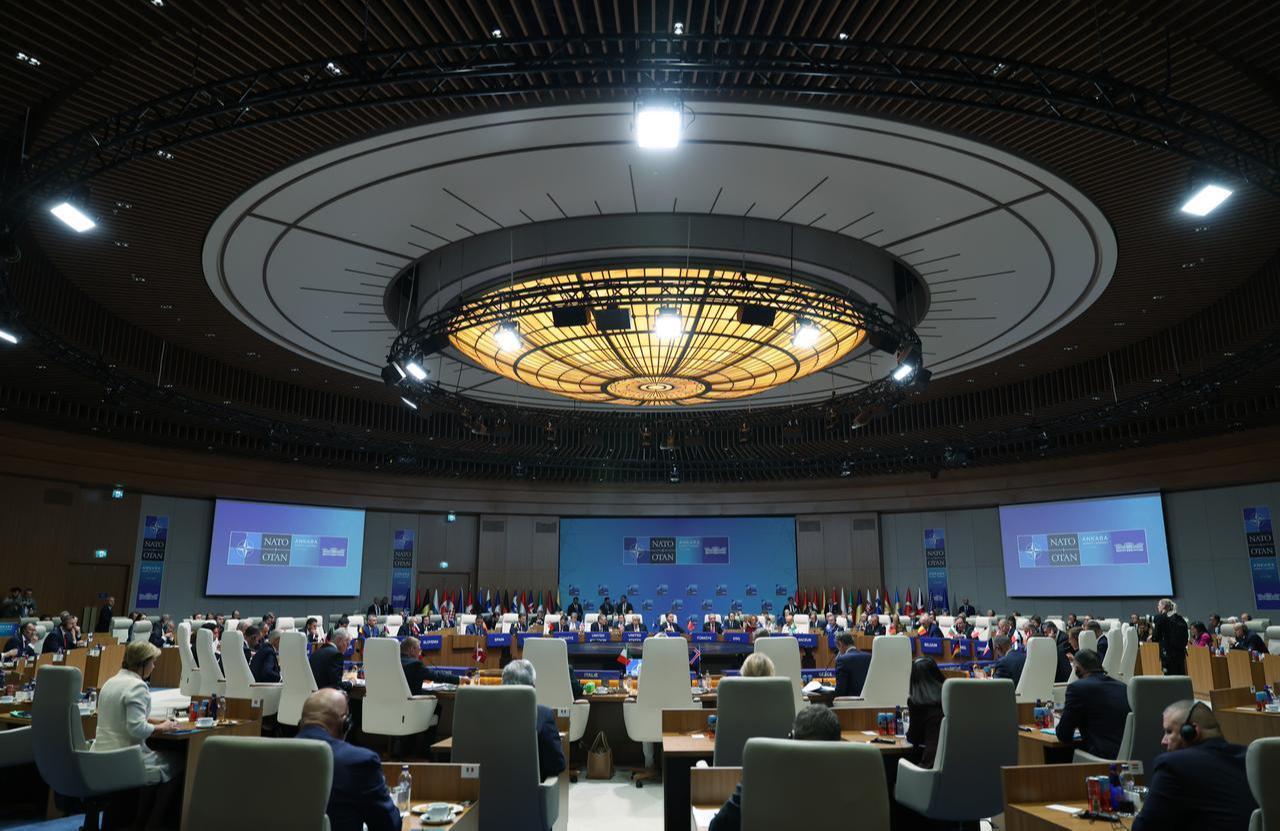
Russia stated on Wednesday that NATO remains focused on confronting Moscow and continuing its support for Ukraine following the alliance's summit in Ankara. This response followed remarks from NATO Secretary-General Mark Rutte, who suggested that internal disputes among allies should serve as a lesson for Russian President Vladimir Putin.
Russian Foreign Ministry spokeswoman Maria Zakharova commented on Telegram that the July 7–8 summit failed to become the "historic" event that Rutte had envisioned.
"As much as NATO Secretary-General Mark Rutte tried to present it as 'historic' in the alliance's history, nothing of the sort happened," Zakharova stated.
She argued that NATO had once again designated Russia as a long-term threat to Euro-Atlantic security, adding that confrontation with Moscow has now become "existential and systemic" for the alliance.
Zakharova said NATO remained focused on strengthening its military capabilities and supporting Ukraine.
"The general line remains unchanged, the militarization of the European continent, concentration on building up defense potential, preparation for armed conflict with Russia, and, of course, assistance to Ukraine," she said.
She said NATO members had pledged €70 billion ($80 billion) in military assistance to Ukraine this year and intended to maintain a similar level of support in 2027, and argued the alliance was boosting military spending at the expense of domestic priorities.
"Allies are ready to spend billions of dollars supporting the regime in Kyiv while reducing spending on growing socio-economic problems and causing irreparable damage to the well-being of Europe's population," she said.
Zakharova said NATO countries' combined defense spending was expected to reach about $1.8 trillion in 2026, citing Rutte's own remarks that industry could not keep pace with the level of funding.
"If NATO strategists had stopped to reflect, perhaps they would not have made such irresponsible decisions that could lead to catastrophe not only for the alliance but for the entire world," she stated in a separate comment published on the Foreign Ministry's website.

Zakharova also said disagreements between the United States and its European allies persisted despite efforts to project unity during the summit.
"Cracks" between Washington and its NATO partners "have not gone anywhere," she said, adding that Americans "do not hide their disappointment with the North Atlantic bloc."
She noted that the dispute over Greenland was "not being resolved according to the American scenario," adding that Washington felt resentment over allies failing to provide sufficient backing when the United States needed support.
Zakharova criticized Rutte for his remarks, branding Russia a "long-term threat" in the summit's final declaration, framing the designation as part of a decades-long pattern of Western hostility toward Russia.
She argued that NATO's eastward expansion following the collapse of the Soviet Union had undermined European stability, and asserted that Russia's refusal to yield to external pressure on its core interests explained why the alliance now characterizes Moscow as a threat.
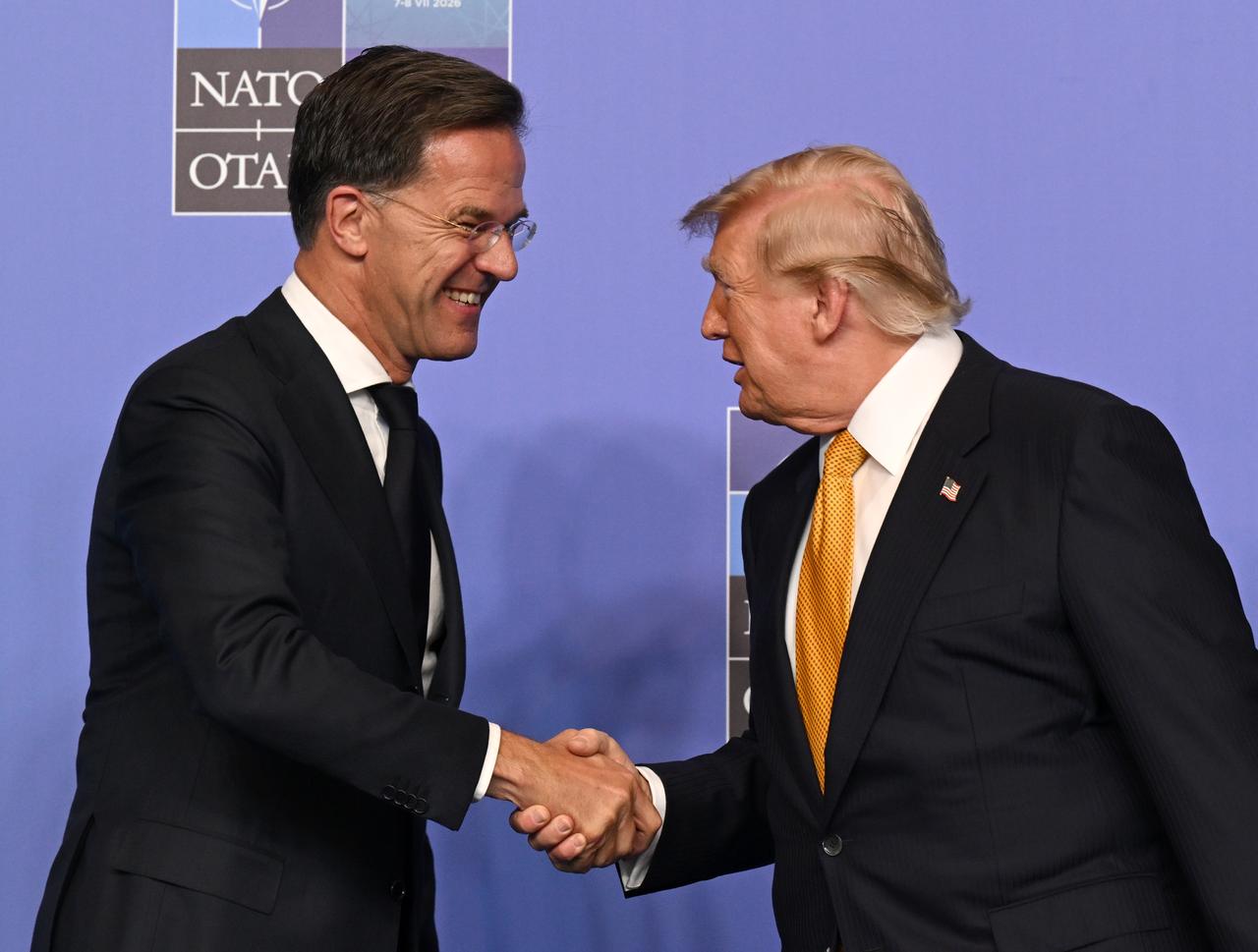
Rutte, in an interview with Reuters, said disputes between U.S. President Donald Trump and other NATO leaders demonstrated the alliance's democratic strength and should serve as a lesson for Putin.
"I would say to Putin: You should have some more discussions yourself, out in the open," Rutte told Reuters.
Rutte also said he saw no need to change how he deals with Trump, despite accusations that he lavishes praise on the U.S. president without pushing back on his criticism of allies. "They knew what they got when they hired me, and I'm who I am," he said.
"If people are doing good stuff, I will say so. If I do not agree, I will also say so, but then probably not out in the open, and try to maintain the unity of the alliance," Rutte added.
Trump rattled the summit by publicly threatening to cut trade ties with Spain, reviving disputes over the Iran war and renewing claims on Greenland, before later recommitting to the alliance and saying there was "a lot of love" and unity among its 32 leaders.
Asked what message the infighting sent to Putin and whether it undermined NATO's deterrence, Rutte said allies had shown they could disagree and then reunite.
"What he (Putin) has seen now is sometimes allies disagreeing a bit, having a bit of a quarrel, and then coming together and reuniting," Rutte said, describing that dynamic as "what distinguishes democracies" from Russia, China and Iran.


 Set as preferred source
 Set as preferred source


 4 min read