Newsletters


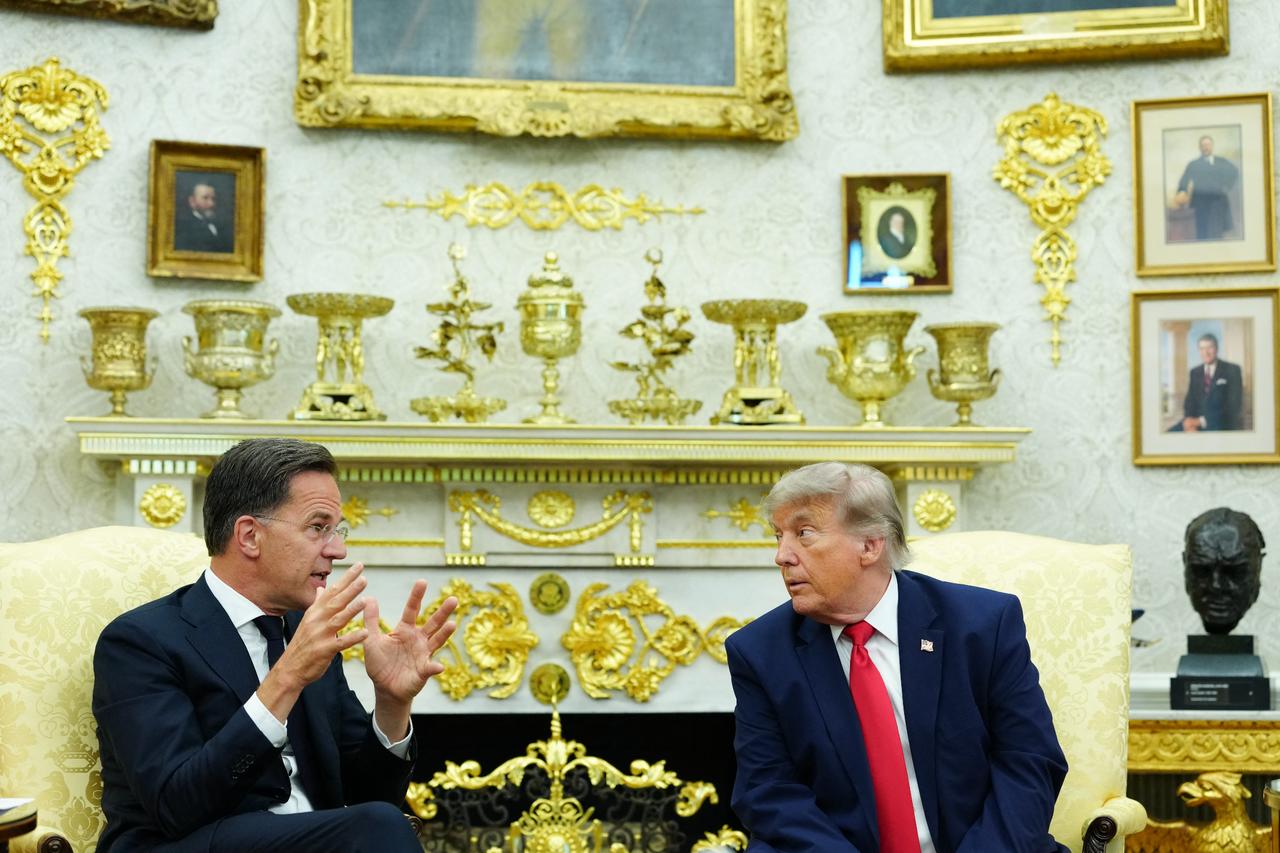


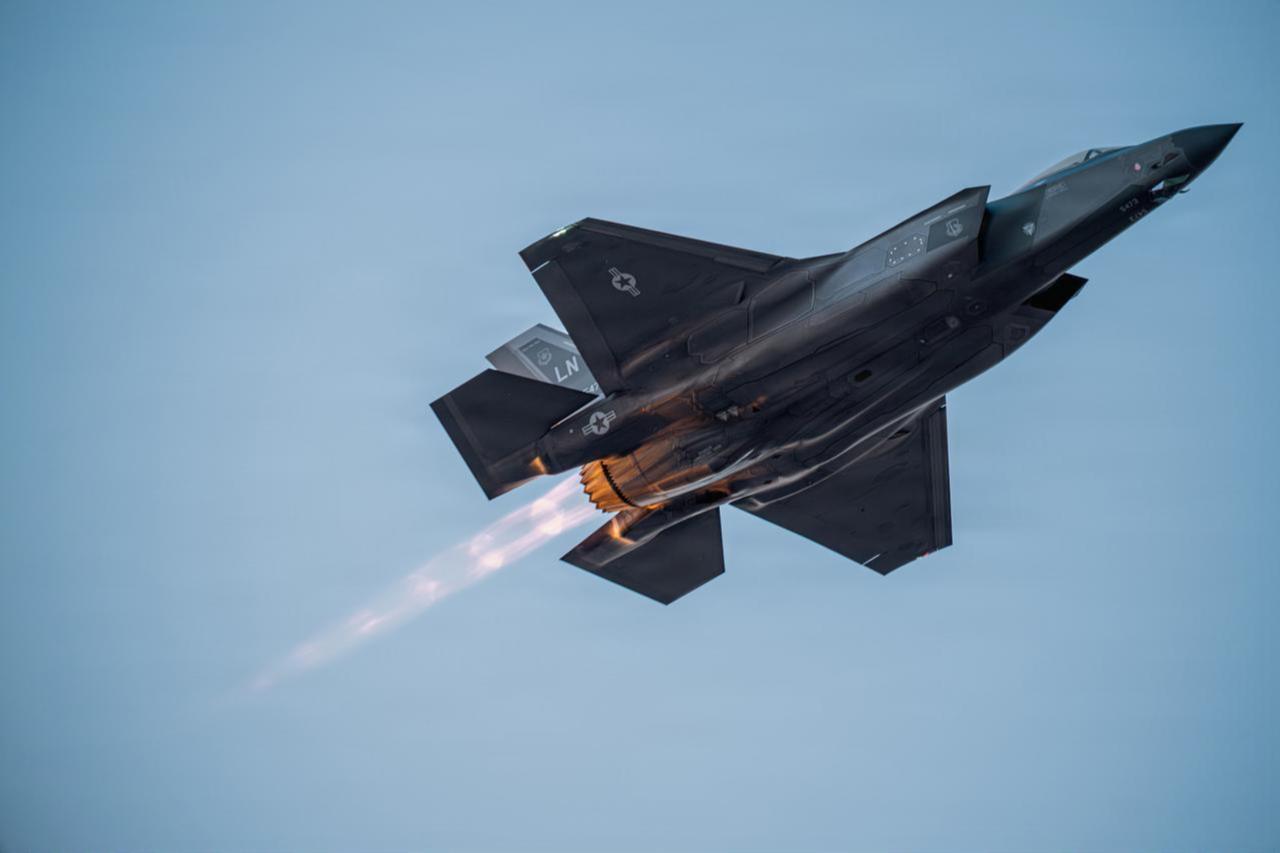
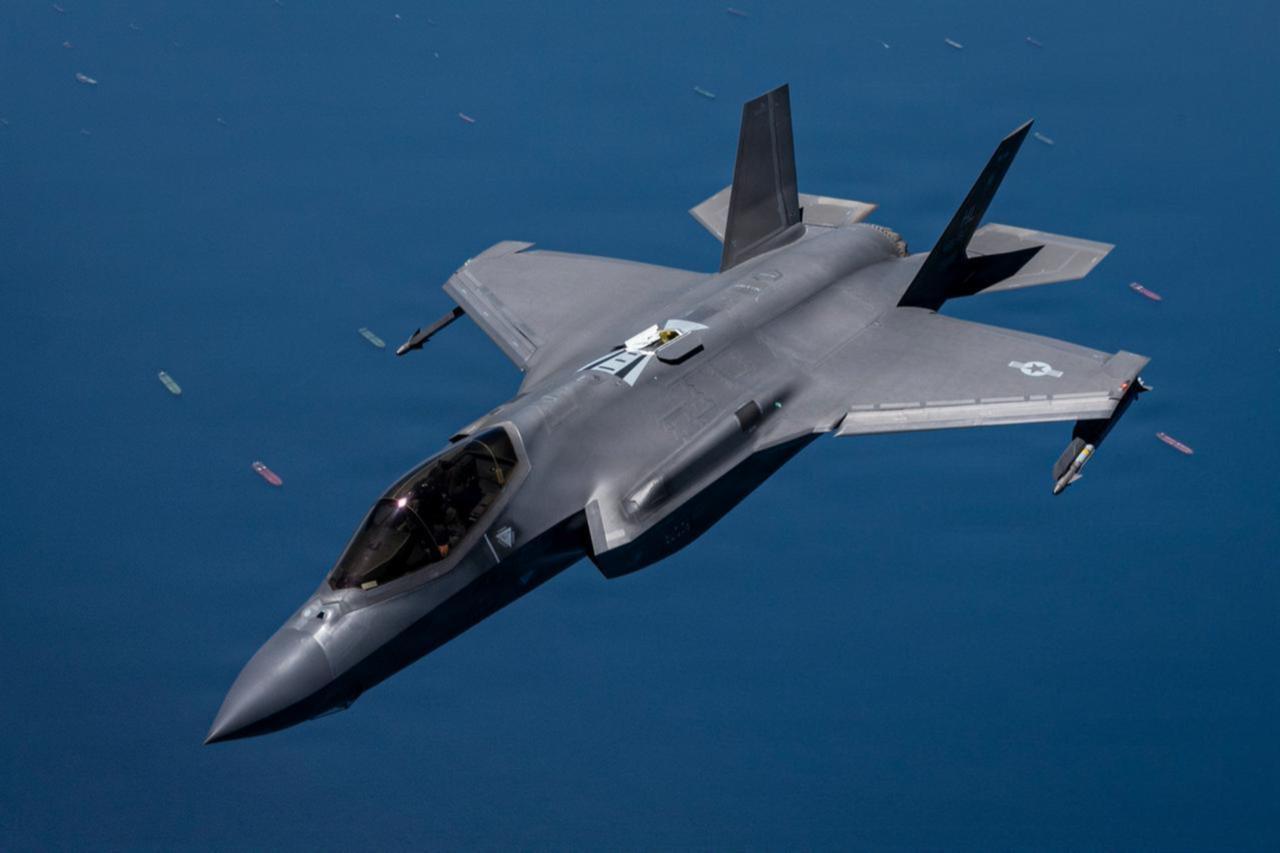
President Donald Trump said Wednesday he would not have attended the upcoming NATO summit were it not for his relationship with Turkish President Recep Tayyip Erdogan, and suggested he plans to bring a significant offer for Türkiye, potentially including F-35 fighter jets.
"I am going to the summit out of respect for President Erdogan," Trump said during an Oval Office meeting with NATO Secretary-General Mark Rutte. "Except for the fact that it was being held in Turkey by President Erdogan, I don't think I would have gone to it."
When asked by a reporter whether he was traveling to Türkiye with a "big gift bag," in reference to Ankara's long-standing request for F-35 aircraft, Trump replied, "Yeah. I think so. I'm going to probably do something that's gonna make him very happy."
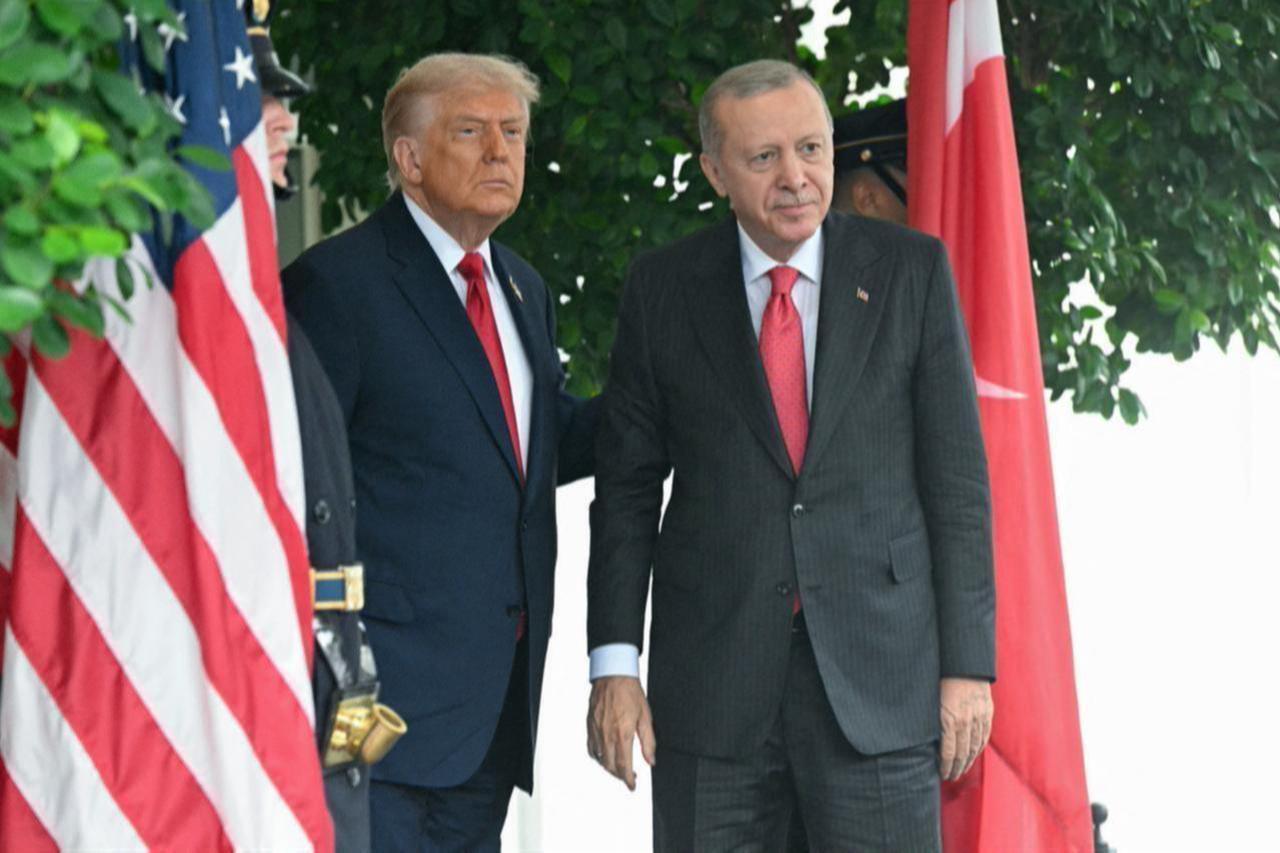

Trump offered an unusually warm assessment of the Turkish president, calling him a respected figure who "loves Türkiye" and crediting him with acting responsibly during the recent U.S.-Iran conflict. "He's been a friend of mine," Trump said, adding that Erdogan had been "a prime candidate to go into the war with Iran, maybe on the Iran side," but pulled back after Trump asked him to stay out. "He stayed out," Trump said.
Türkiye's bid to acquire F-35 stealth fighters has been a long-running point of tension between Ankara and Washington. The country was removed from the F-35 program in 2019 after it purchased the Russian-made S-400 air defense system, a move that triggered U.S. sanctions under the Countering America's Adversaries Through Sanctions Act. Any resumption of F-35 discussions would mark a significant diplomatic shift.
The Oval Office meeting also featured an unusual visual display from Rutte, who arrived with charts on easels and prepared talking points built around large figures, in an apparent effort to appeal to a president who has repeatedly expressed frustration with the alliance's burden-sharing arrangements.
Rutte pointed to a chart he called "the Trump trillion," illustrating increased defense spending by European and Canadian members, and highlighted a separate chart showing that European companies' investments support 195,000 American jobs.
 2 min read
Despite the flattery, Rutte gently challenged Trump after the president listed grievances with several NATO members, singling out Italy, Germany, France, the United Kingdom and Spain, which he called a "horror show," for falling short on defense contributions. Trump said he had been "disappointed" with those allies, and during the recent Iran conflict renewed threats to withdraw from the alliance altogether.
Rutte acknowledged Trump's characterization of the situation as "a mixed bag" but argued that European support was essential to the military campaign. "It would have been very difficult to do Iran without having Europe as a power projection platform for the United States," he said, noting that between 4,000 and 5,000 U.S. aircraft took off from bases in Europe before the ceasefire with Iran was reached.
"I know there have been isolated cases about which you are really disappointed, but generally speaking, your European allies have been there with you," Rutte told Trump.


 Set as preferred source
 Set as preferred source


 1 min read