Newsletters


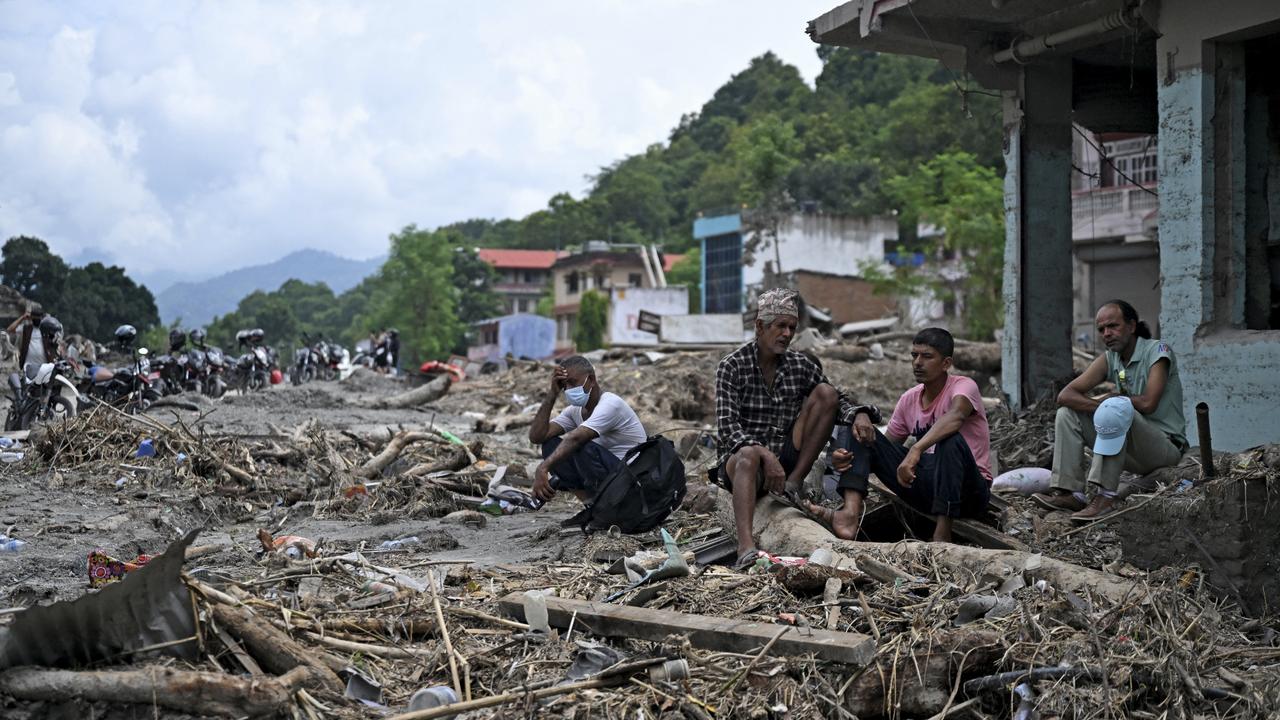
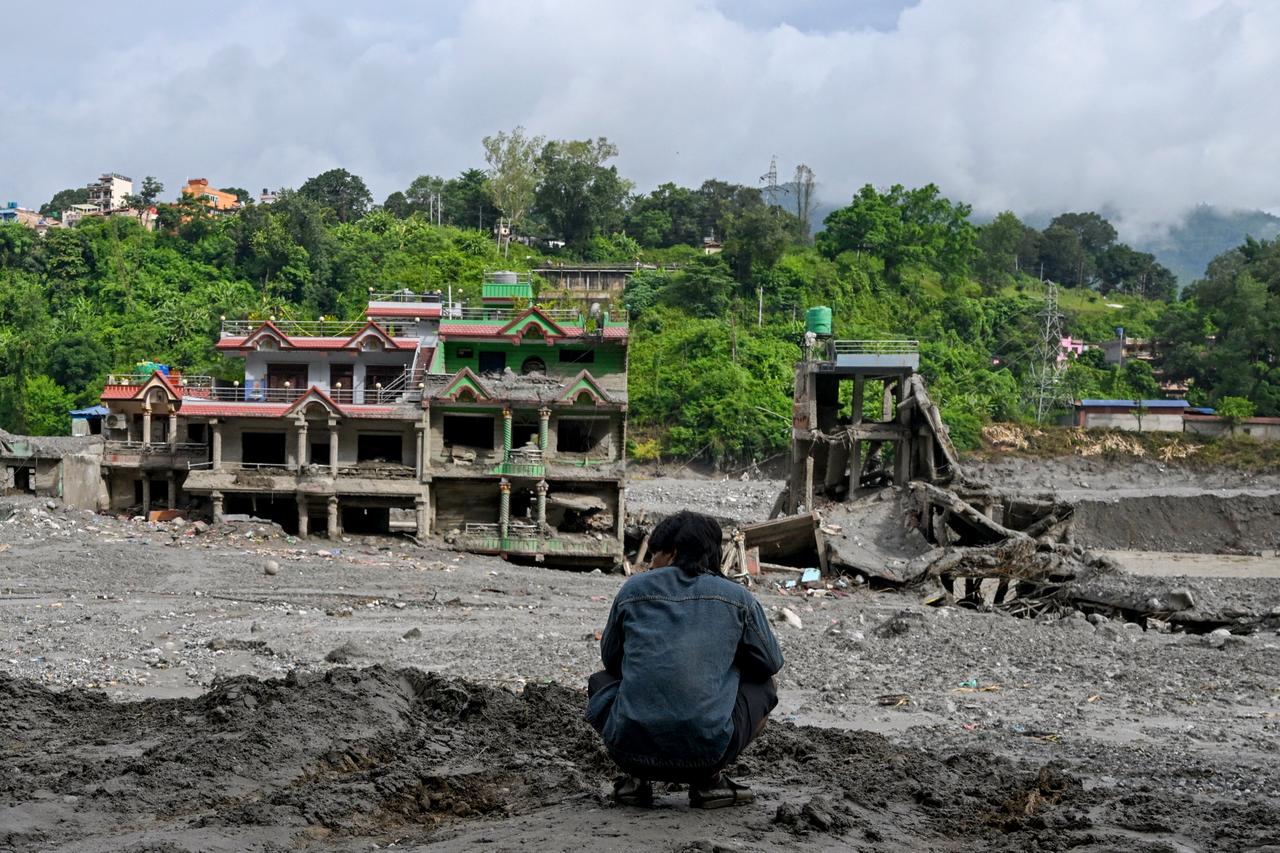
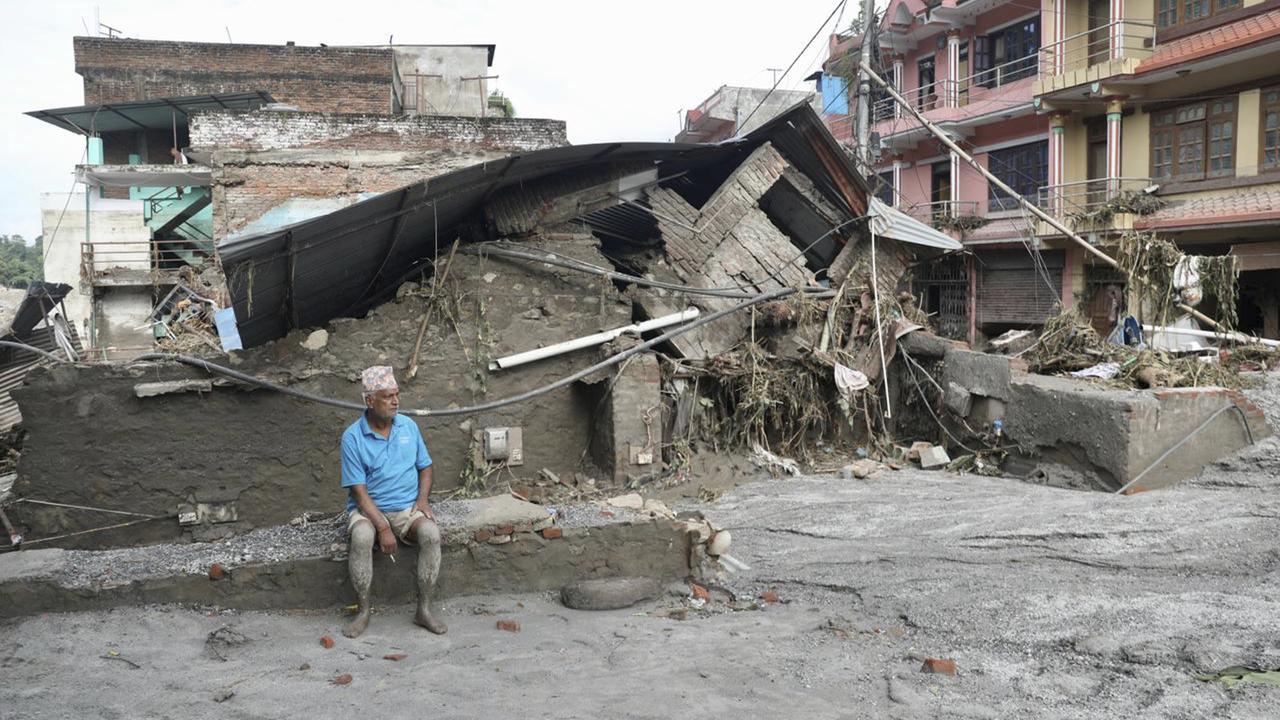
Nepali families held symbolic funeral ceremonies to "liberate the souls" of loved ones missing since deadly flash floods swept away their villages and homes across the Himalayan region a week ago.
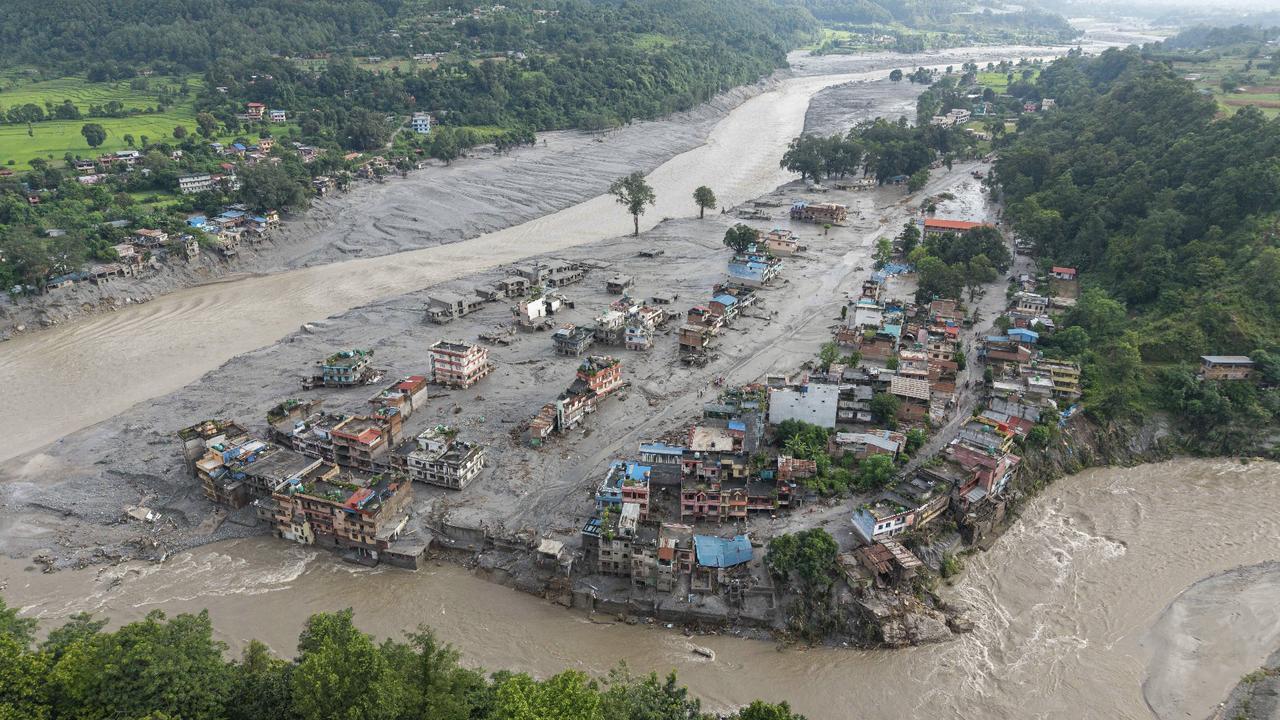
Emergency crews have pulled more than 1,000 bodies from the wreckage, with nearly 4,500 people still missing after the massive wave of freezing water, rocks and debris triggered by a high-altitude glacial collapse tore down the China-Nepal border on Aug. 26.
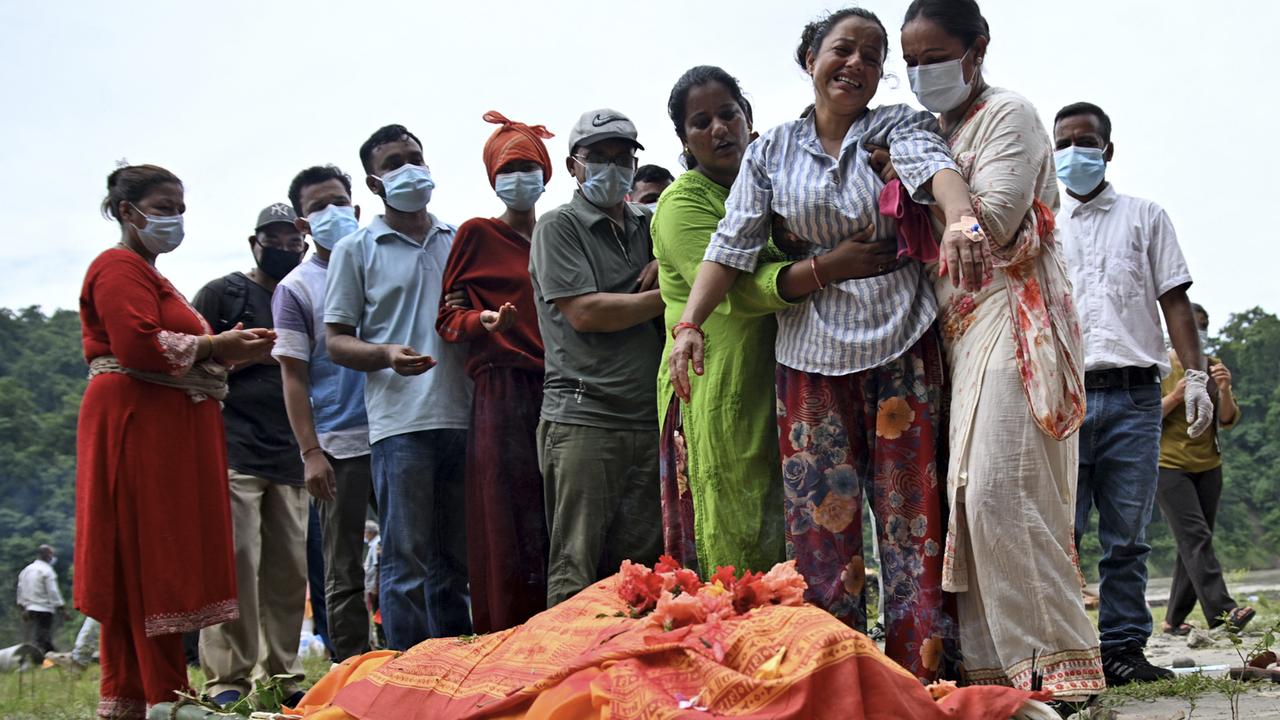
Following days of searching shelters and mortuaries, relatives of some of the missing gave up hope and began performing last rites.
"We had to do this to set his soul free so that he is at peace and happy wherever he is," said Dolma Newar Tamang, flanked by her sobbing son, at a funeral for her husband.

Her husband had been traveling to China when disaster struck. "I saw the news and called him," she told Agence France-Presse (AFP). "I called repeatedly, but he never picked up."
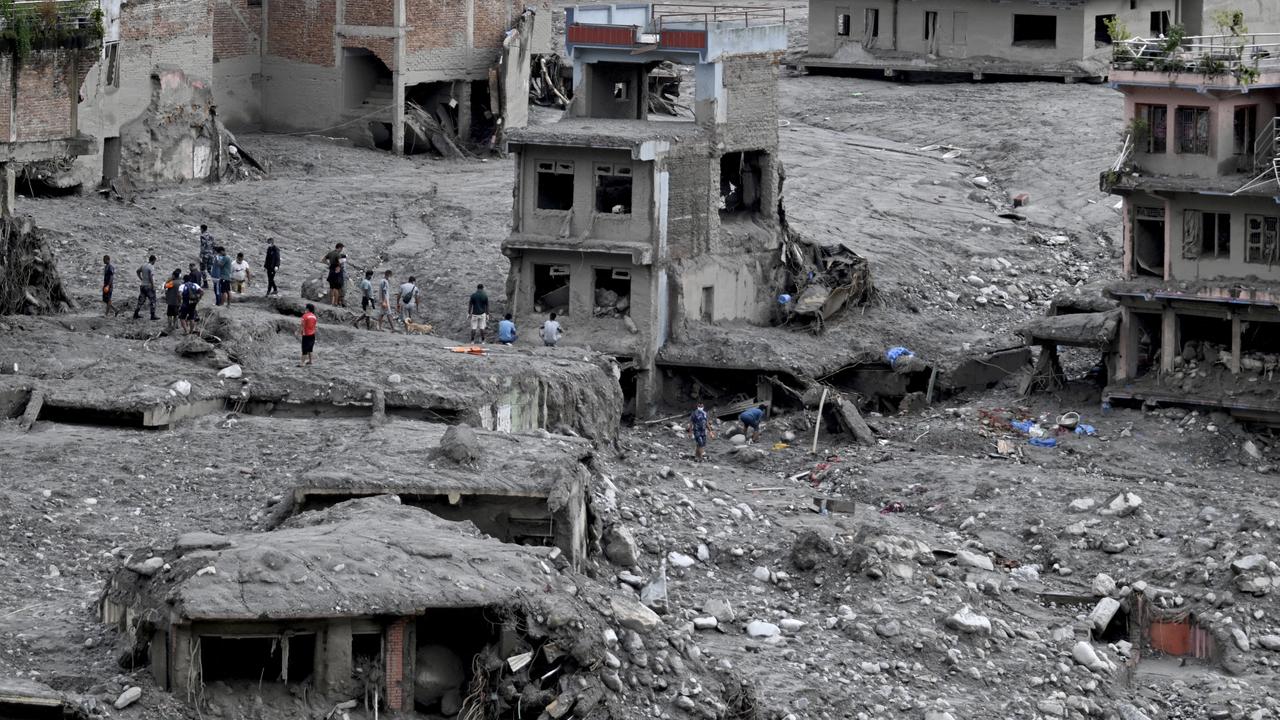
One week after the disaster, Nepali rescuers remained hopeful about finding survivors, especially in the tunnels of multiple hydropower plants across the region.
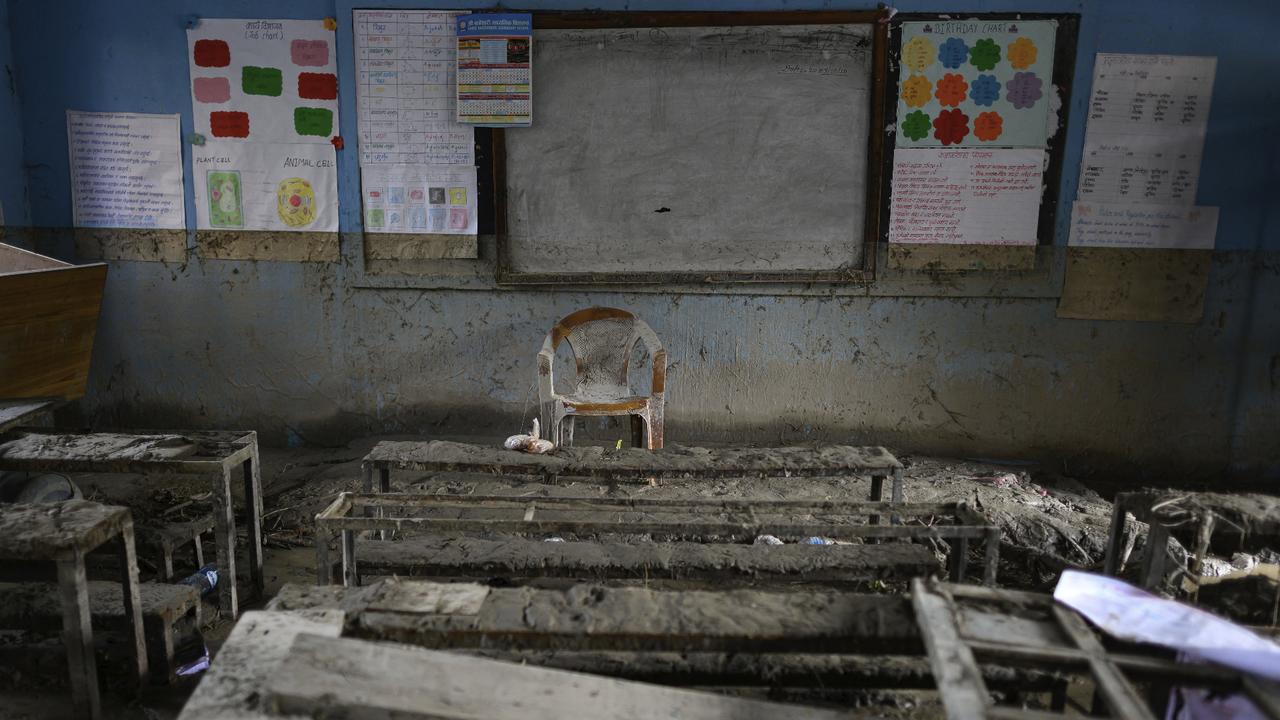
So far, rescuers have recovered only bodies from tunnels blocked by sludge, though crews continue digging, drilling and blasting through debris in hopes of reaching survivors.
Nepal's Foreign Minister Shisir Khanal stated he still held hope some of the thousands missing could be alive. "Miracles do happen," he told AFP in an interview. "At this point, I do not want to completely give up hope."
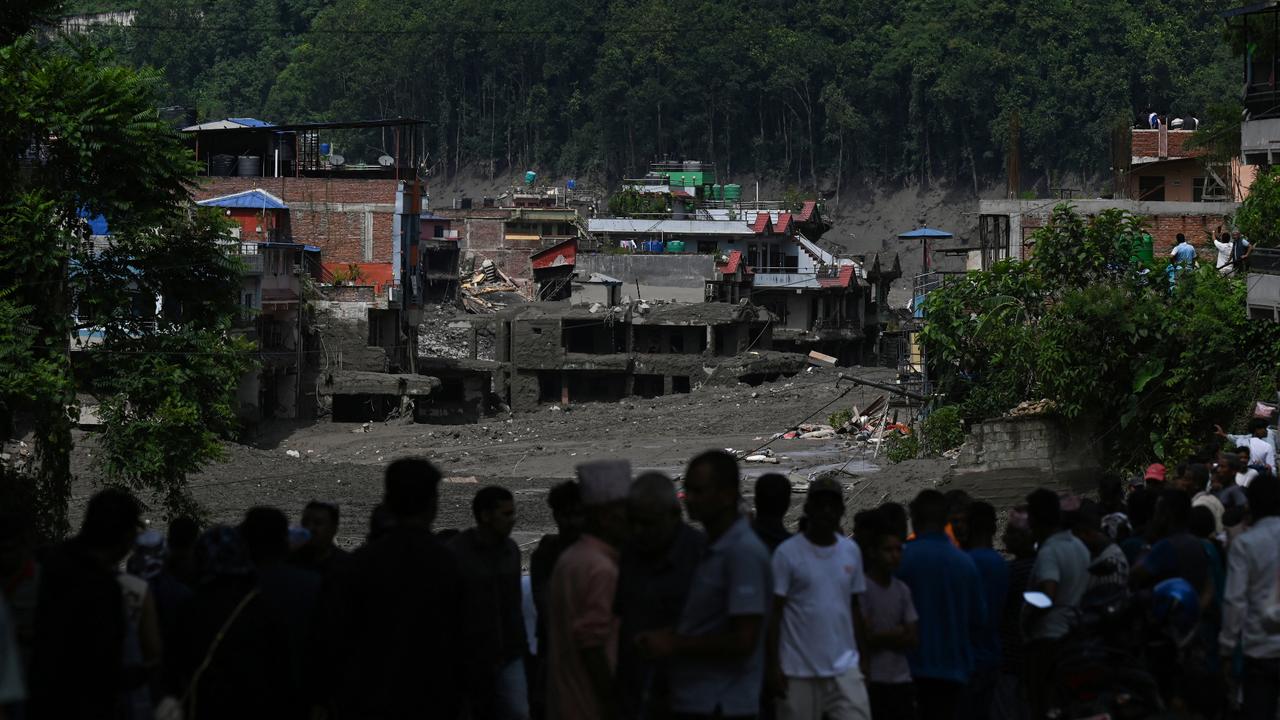
Anger is mounting over the scale of destruction to hit Nepal, a largely rural nation of 30 million people. The country has contributed little to the greenhouse gas emissions fueling global warming, yet ranks among those bearing its consequences.
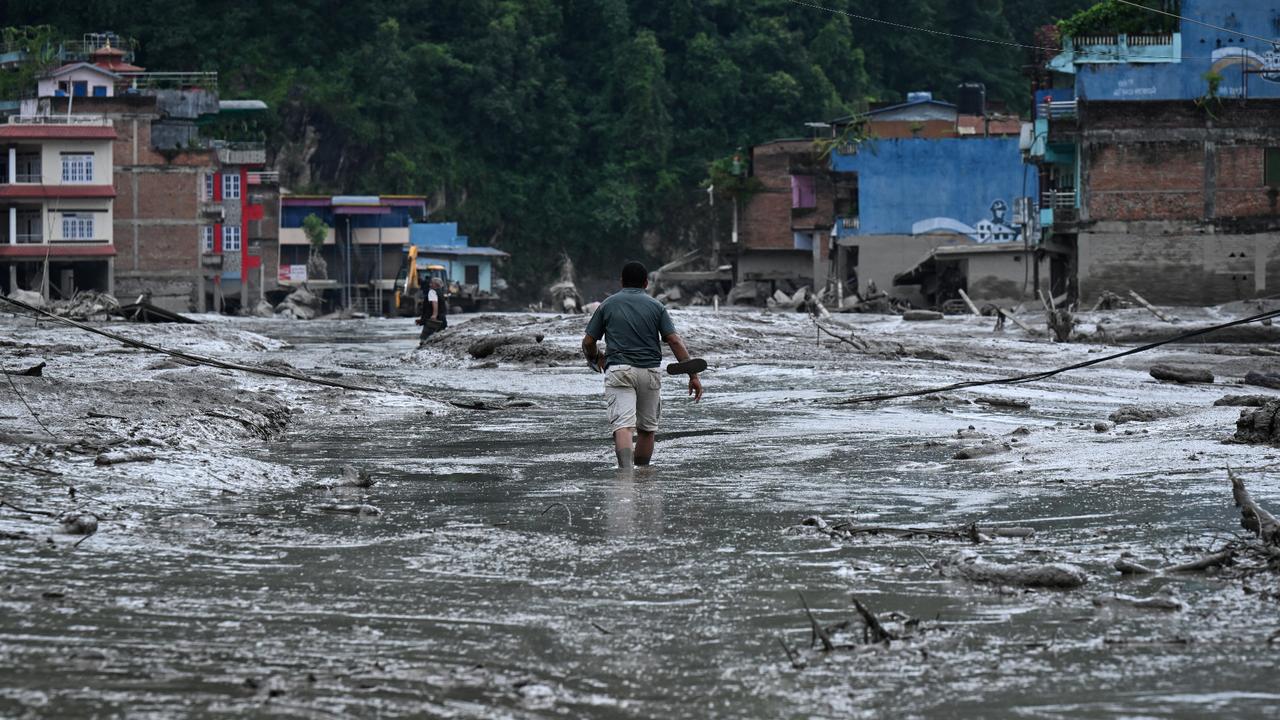
Kathmandu has warned that reconstruction costs could run into the "billions of dollars." Nepal's economy is already strained, with scant resources to respond to a disaster of this scale.


 Set as preferred source


 1 min read