Newsletters


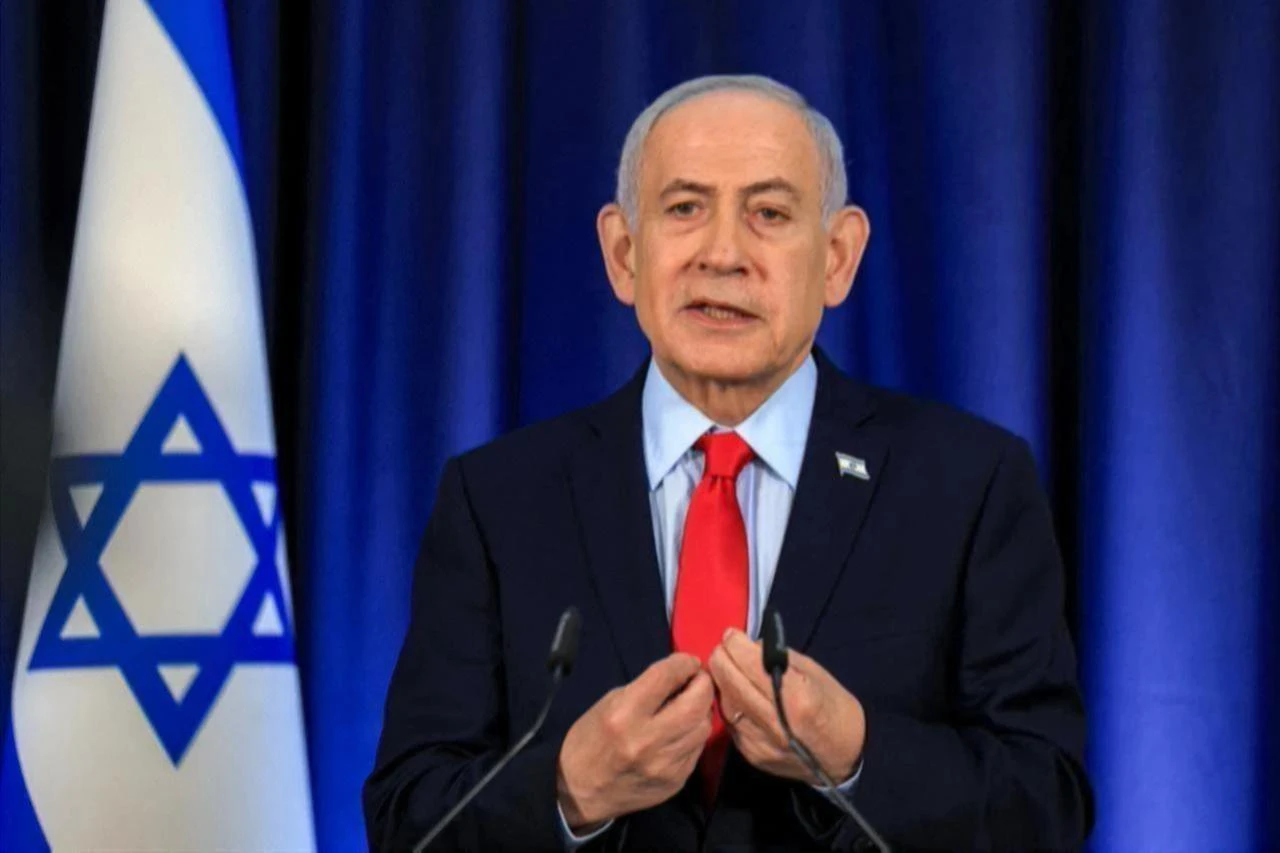


Israeli Prime Minister Benjamin Netanyahu is pushing back against comments by U.S. Vice President JD Vance suggesting Israel is squandering its alliances, saying private outreach from global leaders tells a different story than the one playing out in public.
"We have many, many friends," Netanyahu said in an interview with Fox News, dismissing the notion that Israel is diplomatically isolated.
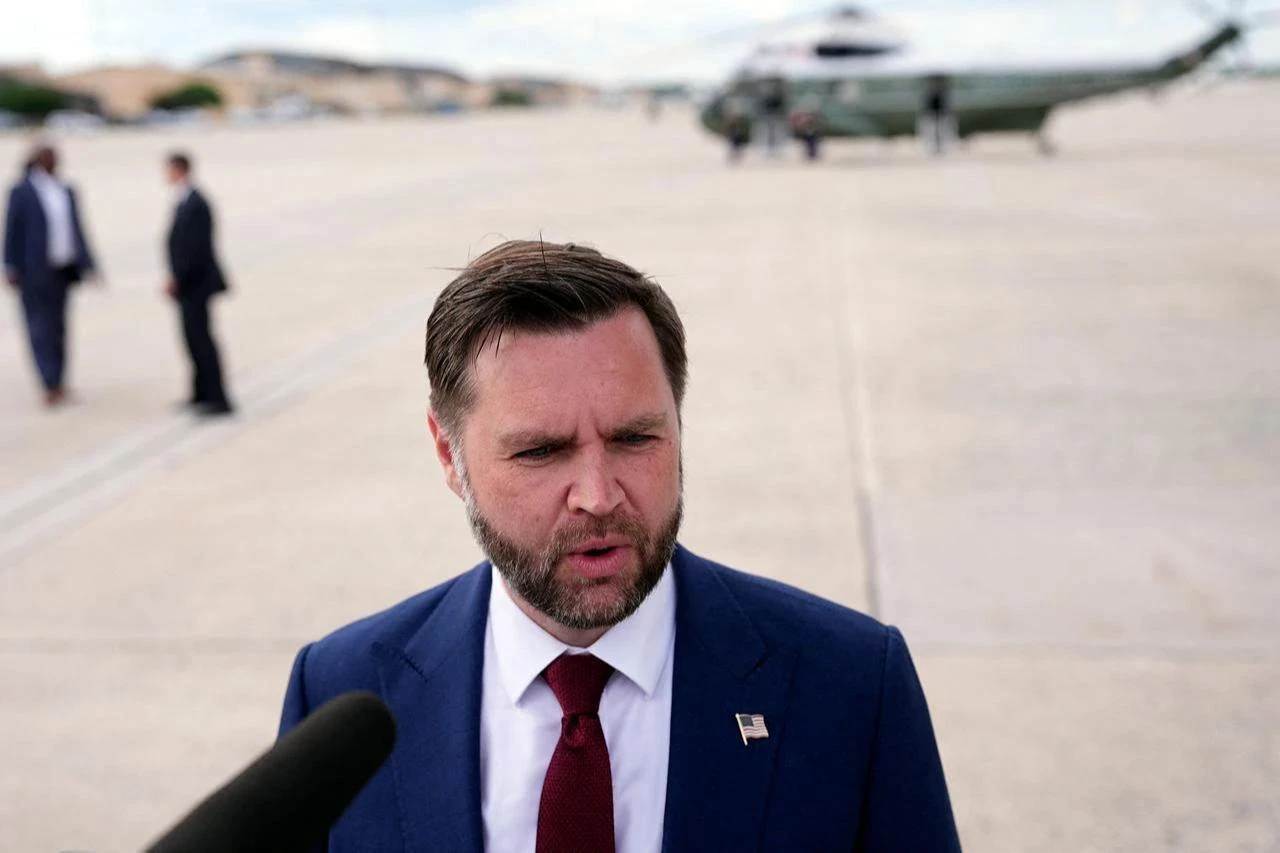

Vance had offered a blunt assessment of Israel's strategic position. "If I was in the cabinet of the Israeli government, I might not be attacking the only powerful ally that I have anywhere left in the entire world," he said, in remarks that drew immediate attention.
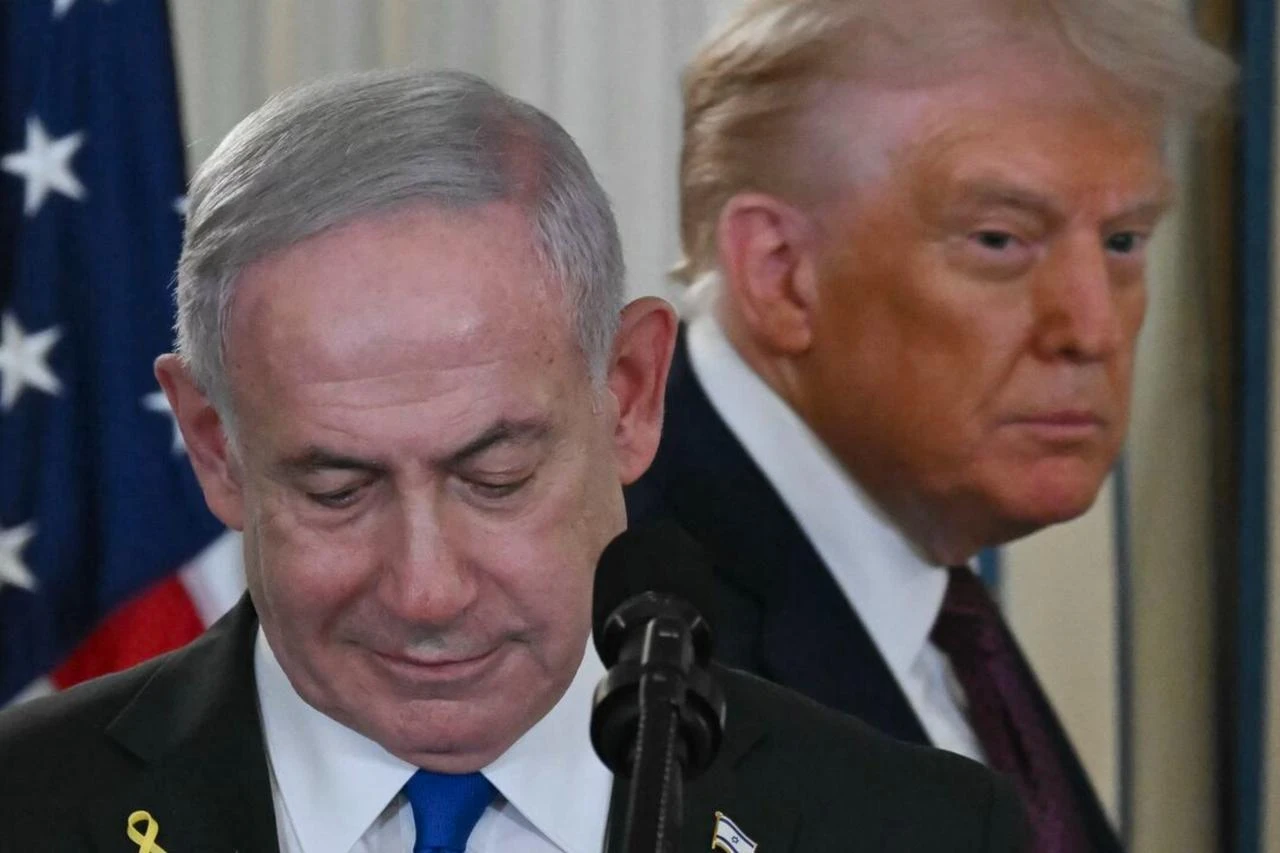
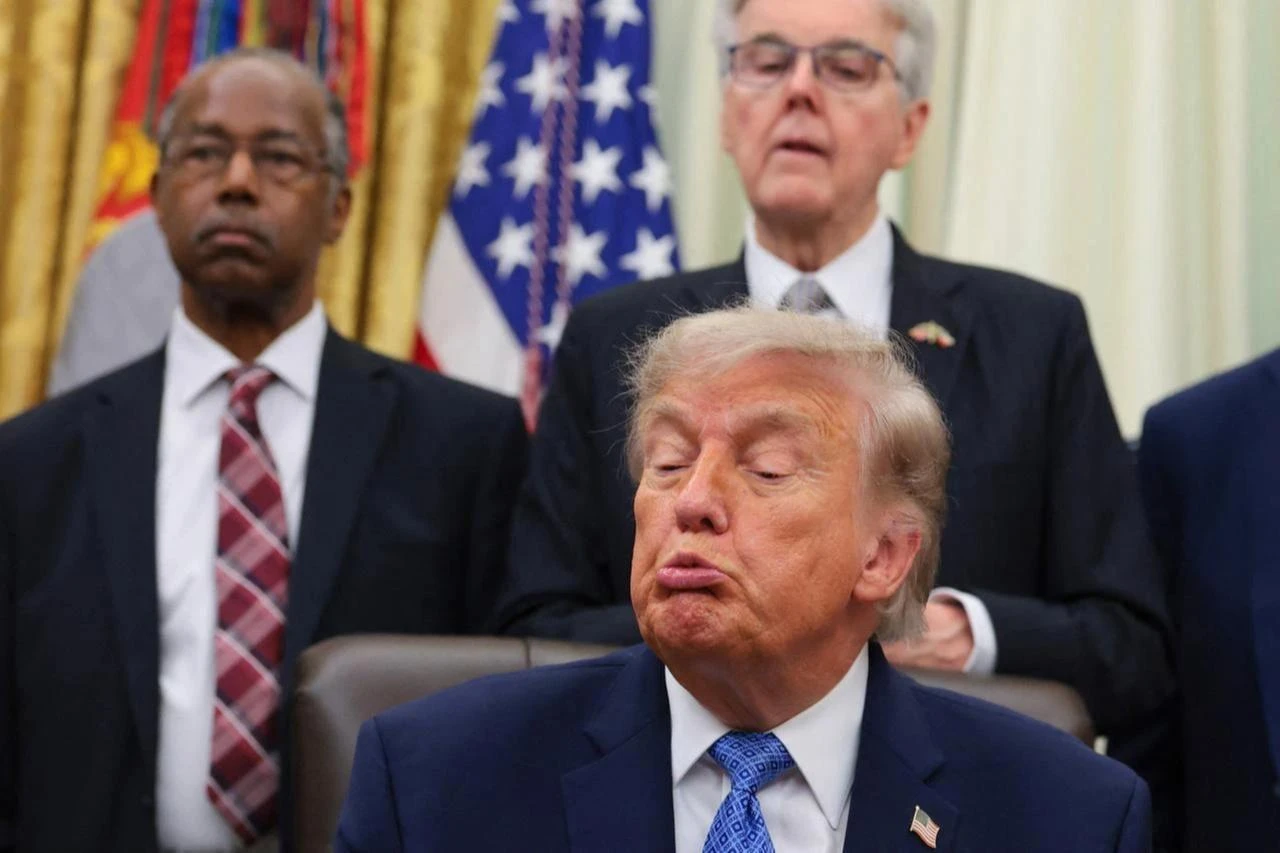
Netanyahu said he respects Vance and described their relationship as strong, but was direct about their disagreement. "It doesn't mean that I agree with everything that he says," he noted, before reaffirming his view of President Donald Trump as "the greatest friend we ever had in the White House."
The prime minister argued that public perception of Israel's standing is distorted by what he described as anti-Israel and antisemitic content saturating media and social media in many countries. Behind closed doors, he said, the picture is different.
Many leaders contact him personally, he said, acknowledging domestic political constraints while expressing private support and interest in cooperation. "Hey, look, I've got this problem with public opinion, but I want you to know we respect you, and can we make some deals," Netanyahu said, characterizing the tone of those conversations.
He said those leaders also seek Israeli expertise in military strategy, artificial intelligence, and cybersecurity, noting that Israel ranks as the second-largest cyber power in the world.
Netanyahu also pointed to India as an example of meaningful support, describing the country of 1.4 billion people as a significant ally. "Boy, do we have a tremendous support there," he said.
Israel has faced mounting criticism from governments across Europe, the Global South, and within multilateral institutions, even as its security relationship with the United States has remained its most consequential diplomatic asset.


 Set as preferred source
 Set as preferred source


 1 min read
 1 min read