Newsletters




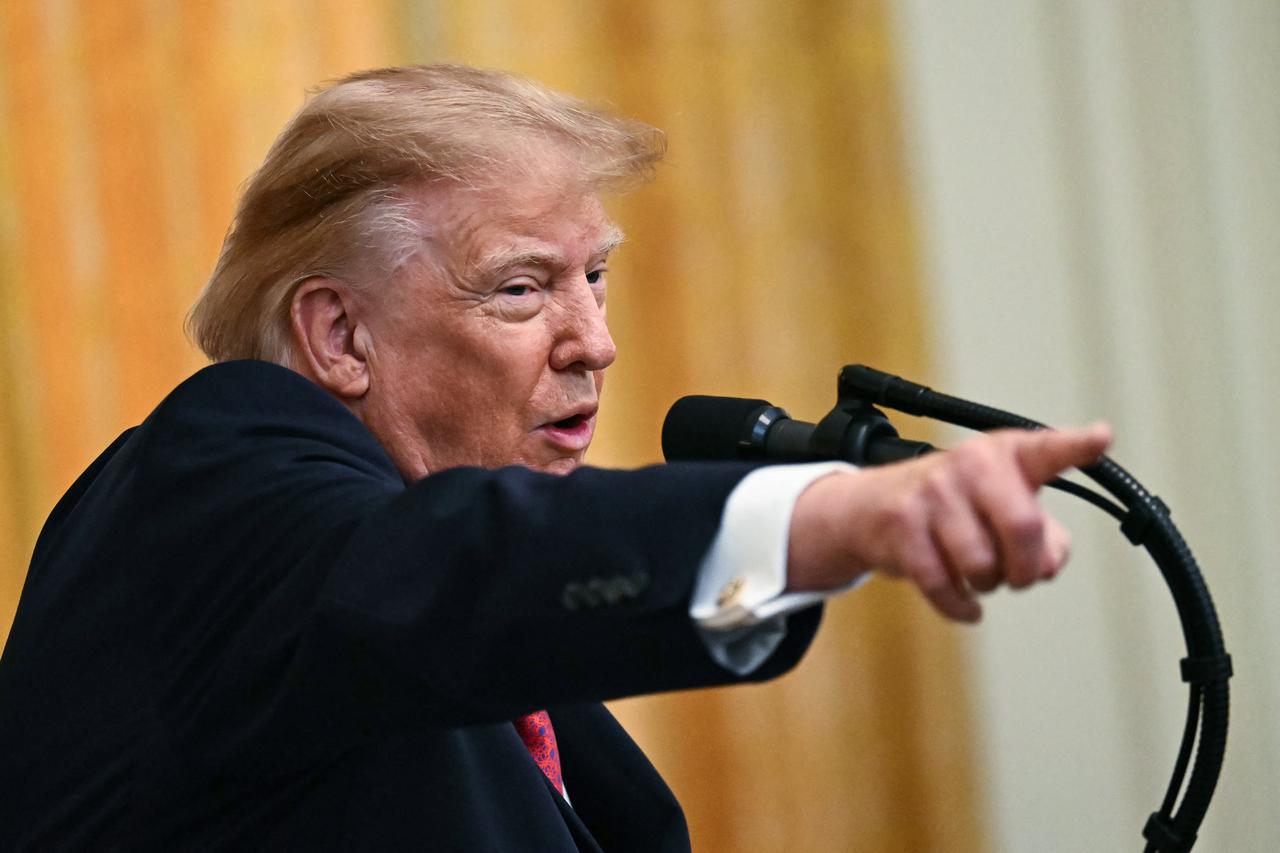
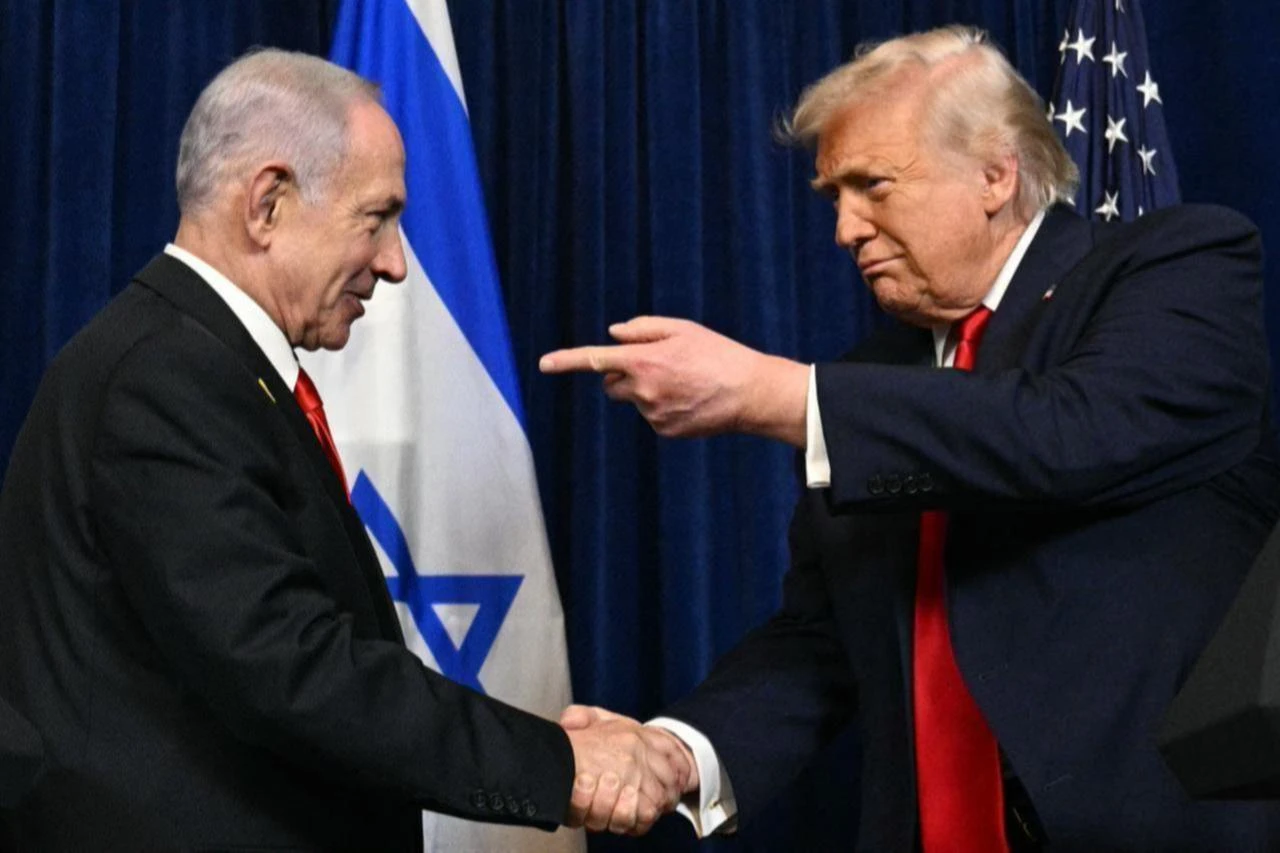
U.S. President Donald Trump confirmed Saturday that U.S. and Iranian forces have agreed to hold their fire for the duration of Ali Khamenei's funeral proceedings, as nuclear negotiations enter a brief pause, and revealed that Israeli Prime Minister Benjamin Netanyahu has formally requested a White House meeting amid growing tensions between the two allies.
Trump, speaking to Axios in a brief phone interview, said both sides agreed to stand down for a week while events surrounding the funeral of the former Iranian supreme leader, who was assassinated in a joint U.S.-Israeli operation at the outset of the war, run their course. "They are all there. One shot [and we can take them all out], but we are not going to do that because then we would have nobody to negotiate with," Trump said.
He described Iran as eager to reach a deal, and said talks would resume once the funeral period concludes.
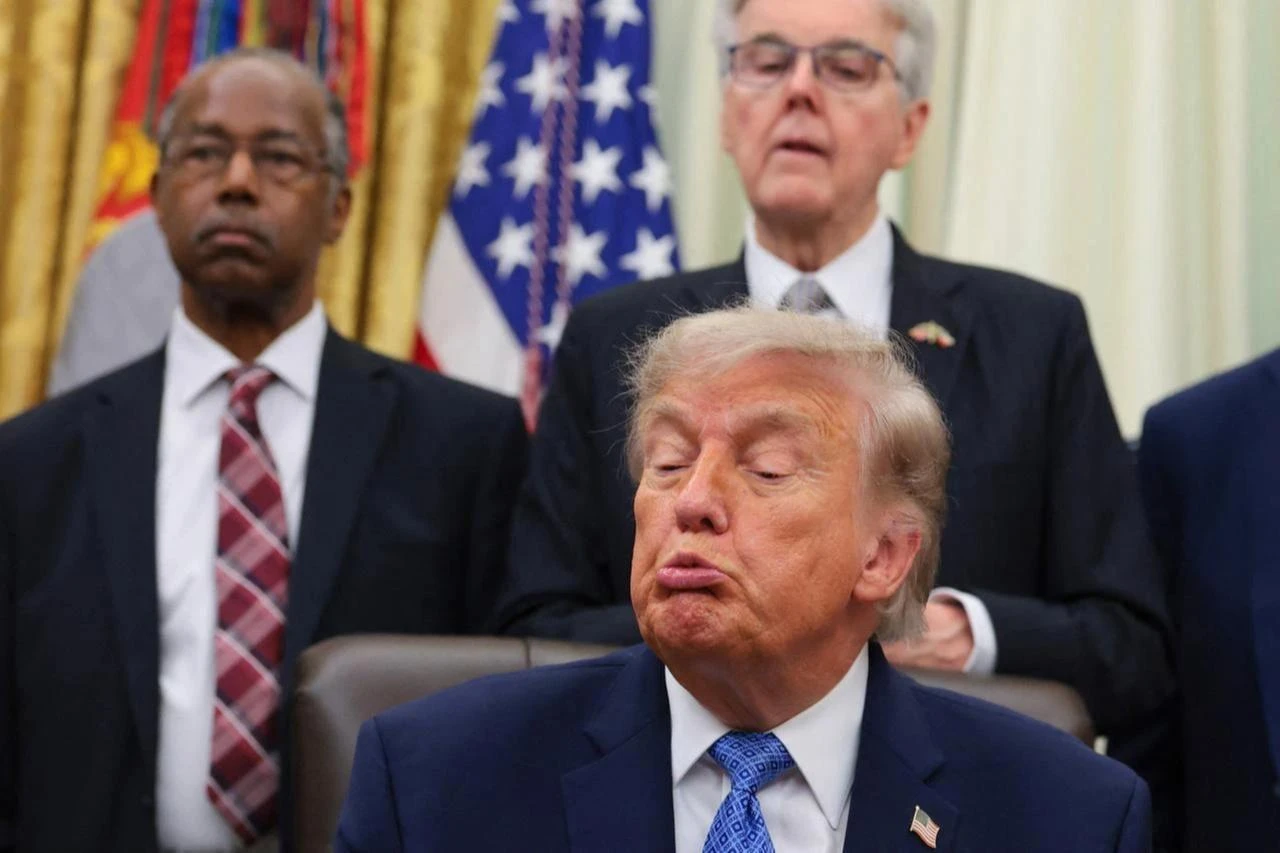
On Netanyahu's requested visit, Trump said the meeting could come as early as next week, after he returns from the NATO summit in Türkiye on July 7-8. "We get along very good," Trump told Axios. "[Netanyahu] knows who the boss is."
An Israeli official cautioned that the timeline may slip, given Trump's travel schedule. "It might take place the week after," the official said.
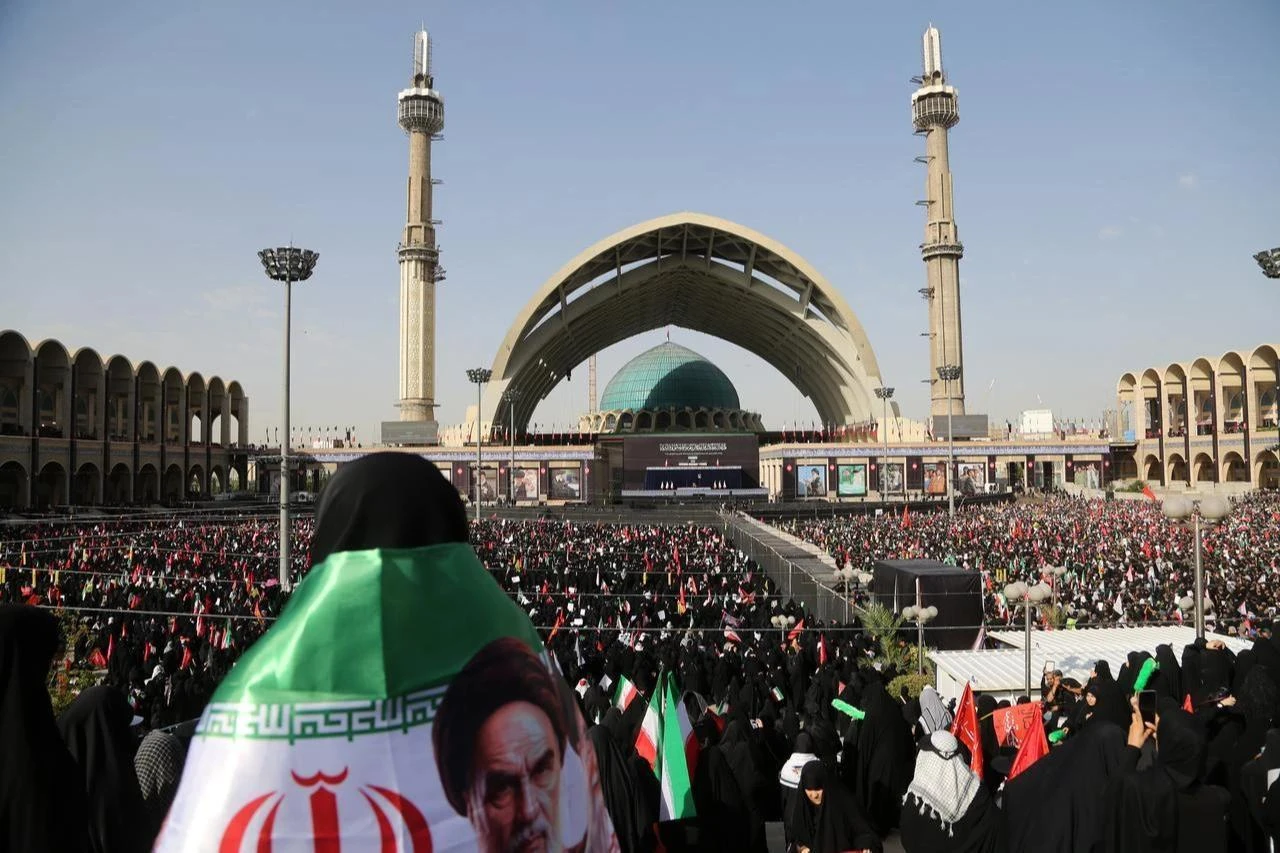

The informal understanding between Washington and Tehran to suspend both hostilities and negotiations during the funeral week marks a notable, if temporary, pause in one of the most consequential diplomatic tracks of Trump's second term. Trump has been pursuing a nuclear agreement with Iran even as the two countries remain in a state of active conflict.
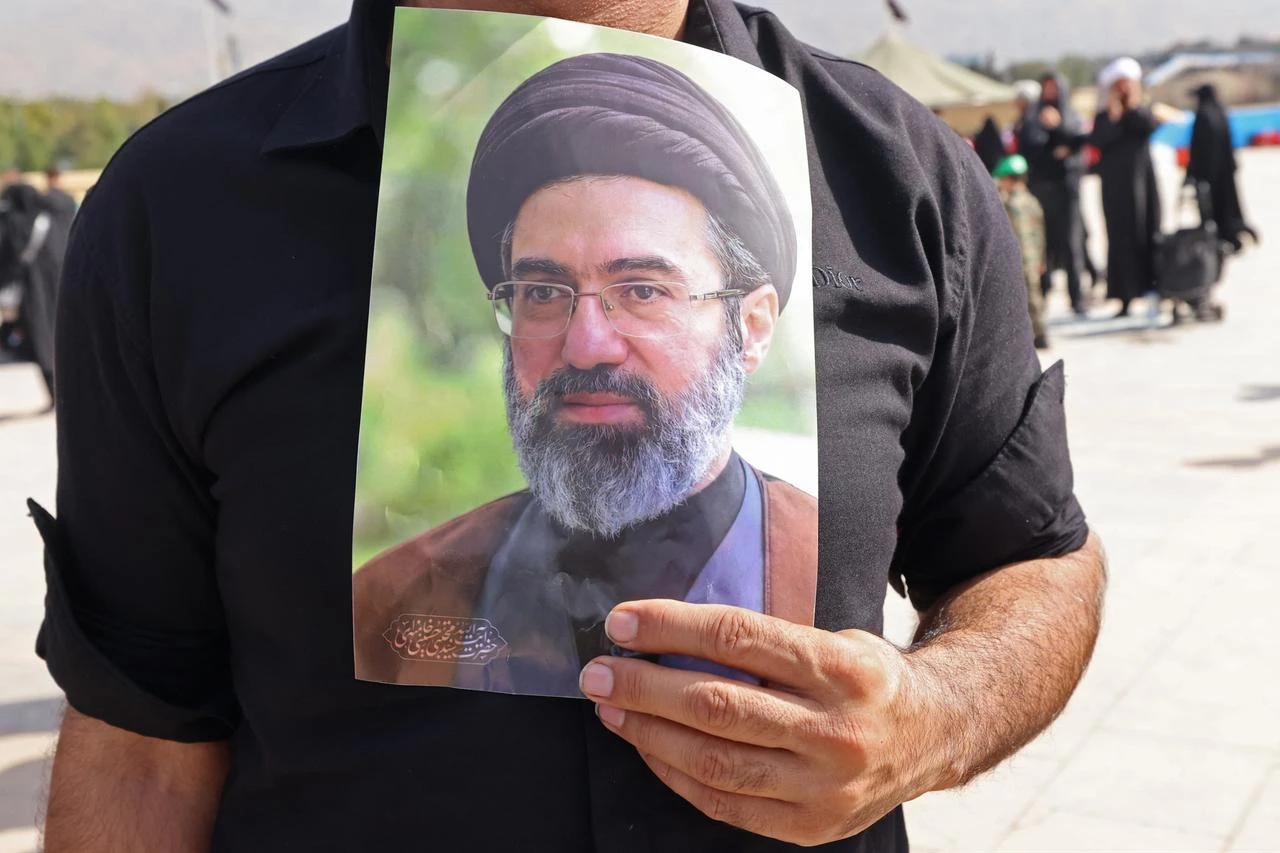
Trump said he was caught off guard by the scenes of mourning in Iran, saying he had assumed the population resented Khamenei. "Maybe it's fake tears," he mused.
The pause comes after Trump signed a memorandum of understanding last month extending a ceasefire with Iran and opening a fresh round of nuclear talks, a move Netanyahu opposed. Trump also pressed Israel to restrain military operations in Lebanon, where the fighting had become a complicating factor in the Iran negotiations, and to sign a framework agreement requiring an initial Israeli withdrawal from the south.
The prospective White House visit would be the first face-to-face meeting between Trump and Netanyahu since February, when the Israeli prime minister came to the Situation Room and presented plans for a potential joint military campaign against Iran. In the months since, the relationship has visibly frayed.
People close to Trump have grown openly disillusioned with the Israeli leader. "Many of Trump's closest advisers think that Bibi was wrong about everything," a U.S. official told Axios. Trump himself reportedly called Netanyahu "crazy" during a phone call last month, accusing him of ingratitude over Israel's escalation in Lebanon.
The friction has fed a broader rupture within the Republican coalition, with prominent MAGA voices including Tucker Carlson accusing Trump of being too deferential to the Israeli prime minister.
Netanyahu's office said the prime minister called Trump on Friday to mark the 250th anniversary of American independence, describing the United States as "a guarantor of global freedom" and confirming that the two leaders agreed to meet soon on American soil.
The timing is not incidental. Netanyahu is heading into a campaign season ahead of Israel's October elections, where he currently trails in polling. A high-profile reception at the White House would offer a visible symbol of American backing at a moment when his political standing at home is under pressure, even as his relationship with the administration in Washington grows more complicated.


 Set as preferred source
 Set as preferred source


 1 min read
 1 min read