Newsletters


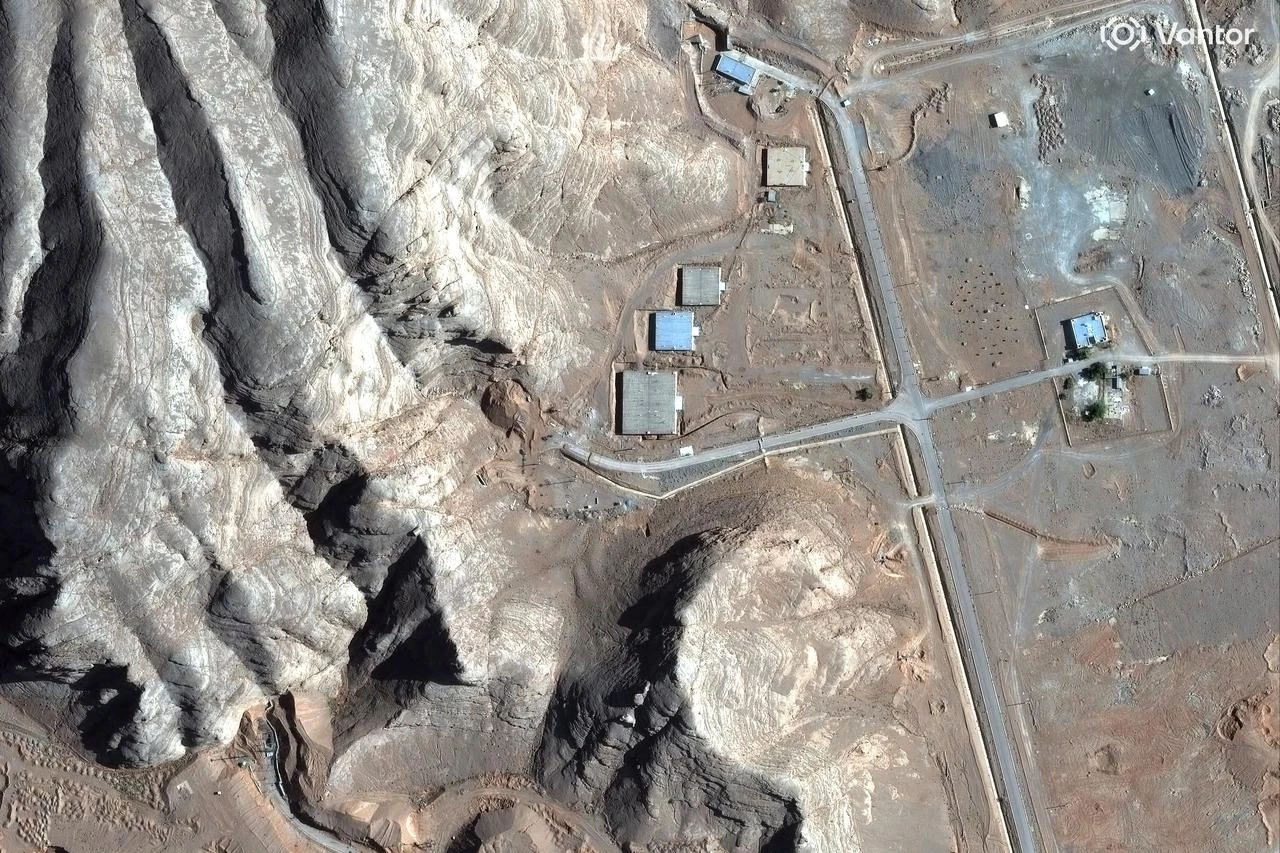


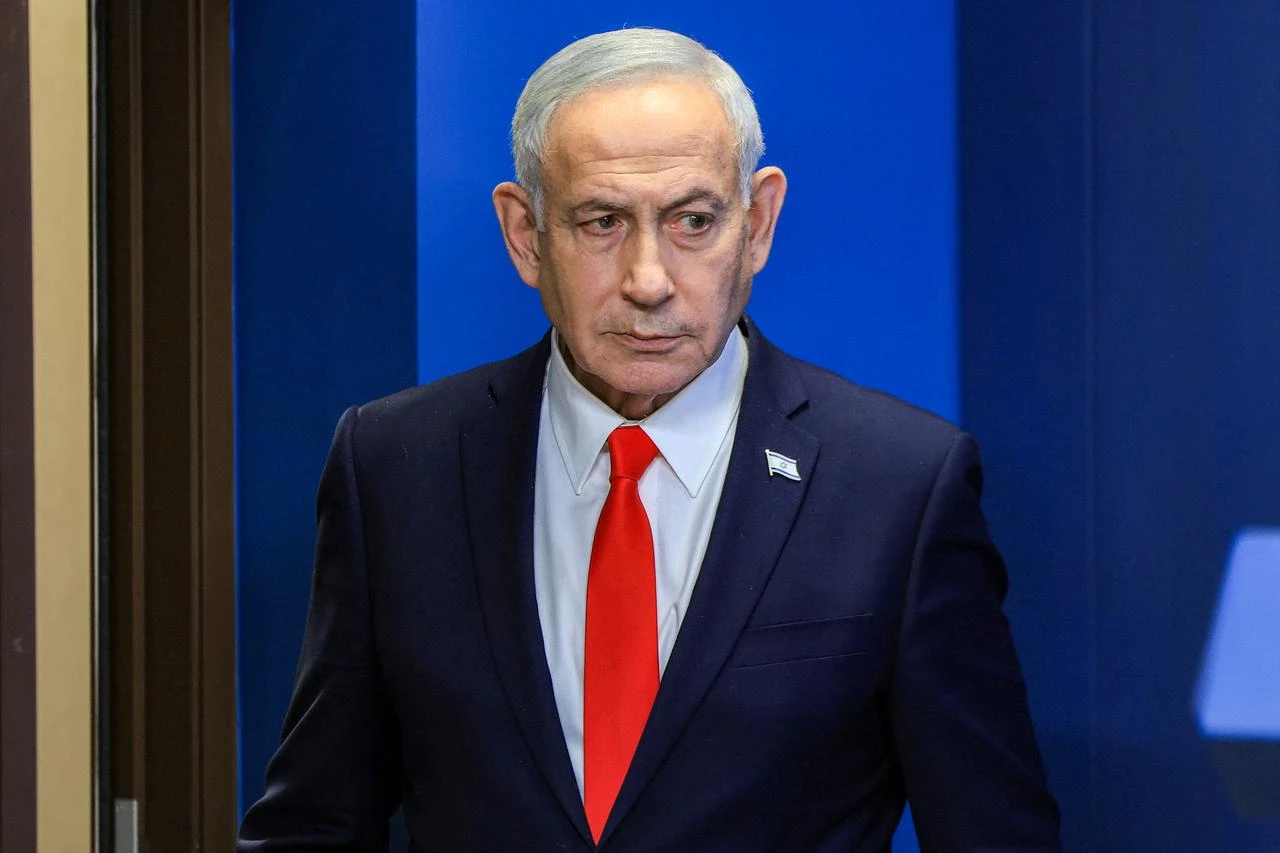
Israel's intelligence agencies rejected a request from Prime Minister Benjamin Netanyahu's office to endorse the government's claim that Iran's nuclear program had been "completely" destroyed, Israeli newspaper Yedioth Ahronoth reported Saturday.
According to the report, Netanyahu's office pressured security, military and intelligence officials to issue an assessment supporting a claim first made by U.S. President Donald Trump following U.S. strikes on Iran in June 2025.
The confrontation reportedly took place within hours of the end of the 12-day war between Israel and Iran.
Trump was the first to claim that Iran's nuclear program had been destroyed. Netanyahu later said Israel had eliminated what he described as two "existential threats": Iran's nuclear program and ballistic missile capabilities.
"There was one small problem with that statement. It simply wasn't true," Yedioth Ahronoth said, adding that the full extent of the damage could not yet be accurately assessed.
"No intelligence official exercising a reasonable degree of professionalism believed that Iran's nuclear program had been eliminated," the report said.

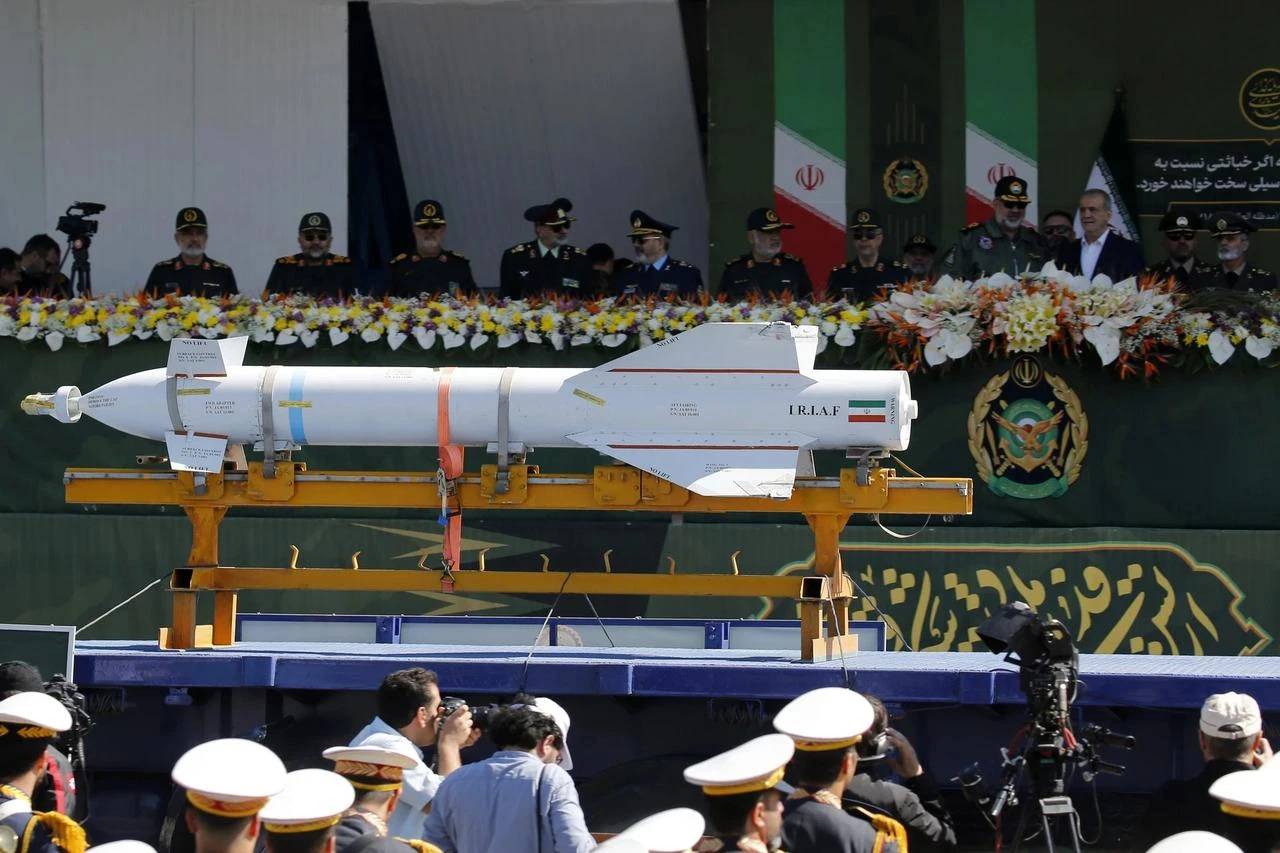
From June 13 to June 24, 2025, Israel, with U.S. backing, carried out a military campaign against Iran targeting military infrastructure, missile launch sites and nuclear facilities. Senior military commanders and nuclear scientists were also killed.
Iran responded by launching more than 550 ballistic missiles and hundreds of drones at Israeli military and intelligence sites.
Israel's preliminary assessments, based on satellite imagery, drone surveillance and other intelligence, concluded that the damage was "significant, but not complete, and certainly did not amount to total destruction," according to the newspaper.
Netanyahu's office then intensified pressure on the security establishment and intelligence agencies to produce an assessment confirming that the nuclear facilities had been destroyed, the report said.
A senior intelligence official reportedly refused to sign the requested assessment, telling his superior: "I cannot sign this."
The official argued that intelligence agencies lacked sufficient information to determine the full extent of the damage and warned that endorsing an inaccurate conclusion would undermine their professional credibility.
According to the report, the White House sought evidence to counter an internal Pentagon assessment, first reported by The New York Times, that concluded the damage to Iran's nuclear facilities was far from decisive.
Yedioth Ahronoth said Netanyahu's office then sought support from Israeli institutions to reinforce the U.S. position.
Brig. Gen. Moshe Edri, director general of the Israel Atomic Energy Commission, agreed to help draft a document but sought approval from the commission's senior scientists, the report said.
The scientists initially refused to sign what they described as a "heavily distorted" document.
They rejected language claiming that the Fordow enrichment facility had been rendered unusable and that Iran's nuclear capabilities had been pushed back by many years, according to a source cited by the newspaper.
A compromise wording was later reached stating that the U.S. strike had destroyed critical infrastructure at Fordow and rendered its enrichment facility inoperable.
The document also assessed that the combined U.S. and Israeli strikes had set back Iran's ability to develop a nuclear weapon by many years.
Yedioth Ahronoth said the document stopped short of endorsing Trump's assertion that all three nuclear sites had been completely destroyed, but supported a broader assessment that the military operation had achieved long-term strategic gains.
The scientists also insisted on including a caveat that those gains would endure only if Iran was prevented from regaining access to nuclear material.
According to the report, the scientists said Iran's remaining stockpile of about 440 kilograms of fissile material, enough to produce roughly 11 nuclear weapons, excluding uranium enriched to 20%, meant it could not be claimed that the country's nuclear program had been destroyed.
Neither Netanyahu's office nor Israeli intelligence agencies immediately commented on the report.


 Set as preferred source
 Set as preferred source


 2 min read


 1 min read