Newsletters


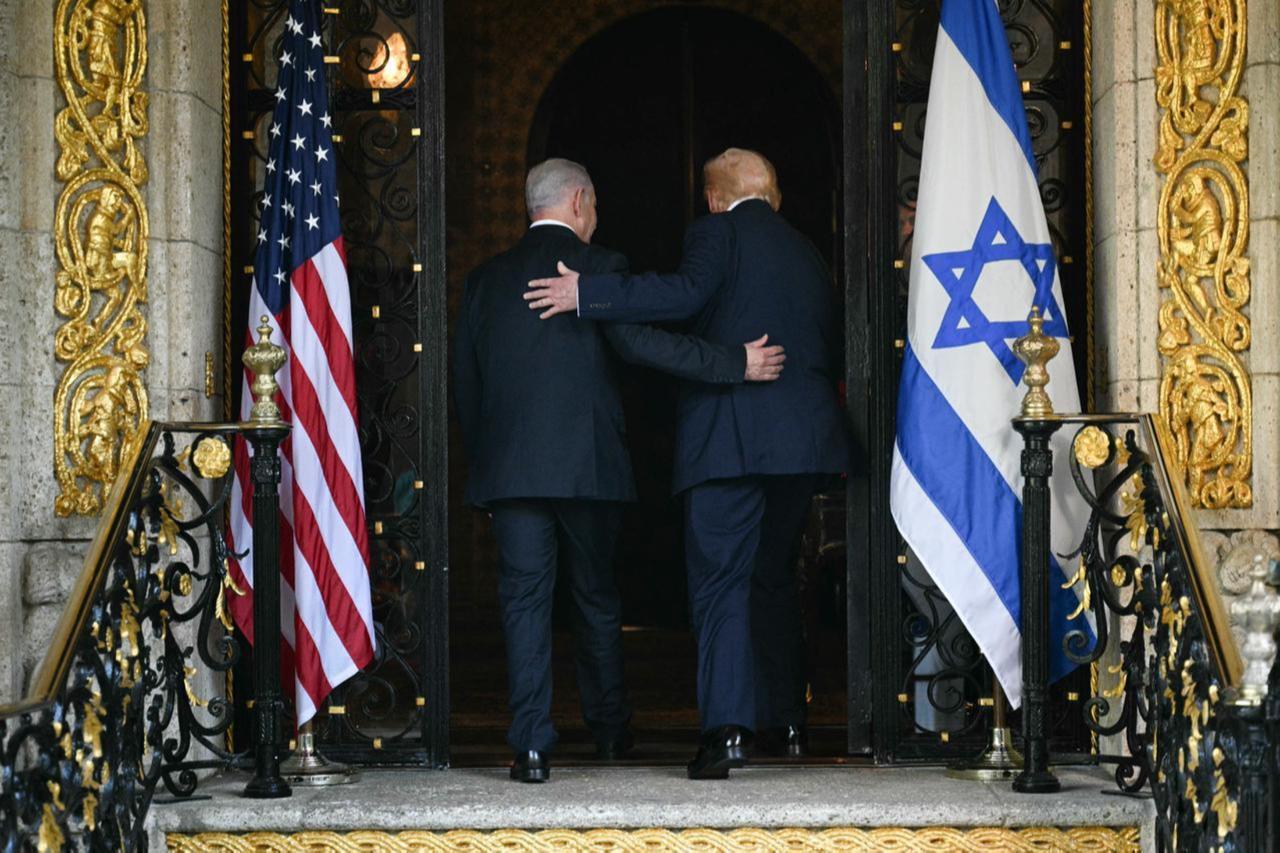


Israeli Prime Minister Benjamin Netanyahu said Monday that Israel wants a "peaceful border" with Syria and to protect religious minorities there, even as the Israeli military continues daily military operations inside Syrian territory following their seizure of a demilitarized buffer zone last month.
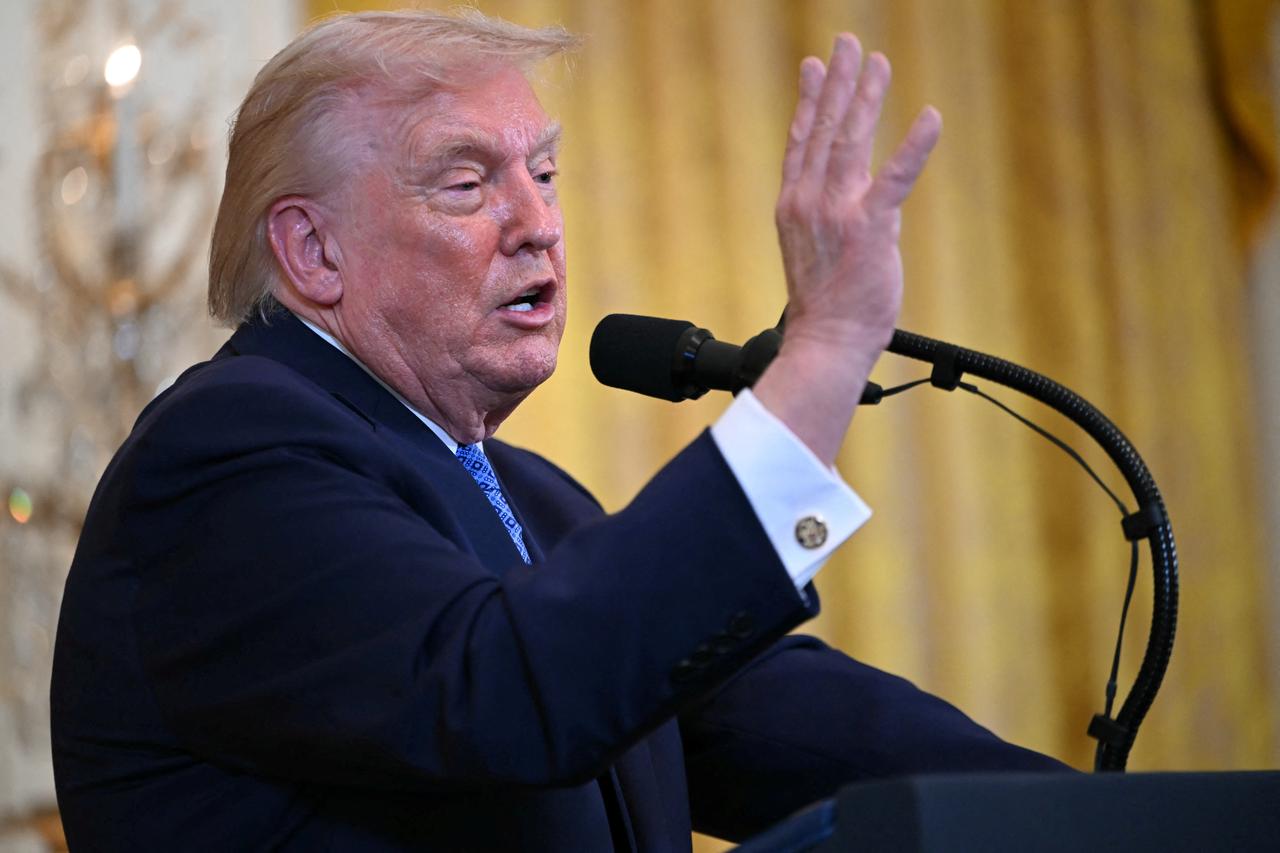
Speaking alongside U.S. President Donald Trump at the Mar-a-Lago estate in Florida, Netanyahu emphasized Israel's interest in preventing terrorist threats near its border and ensuring the safety of Druze and Christian communities in Syria.
The comments come as U.S.-mediated security negotiations between Israel and Syria's new leadership remain deadlocked over the terms of any future arrangement.
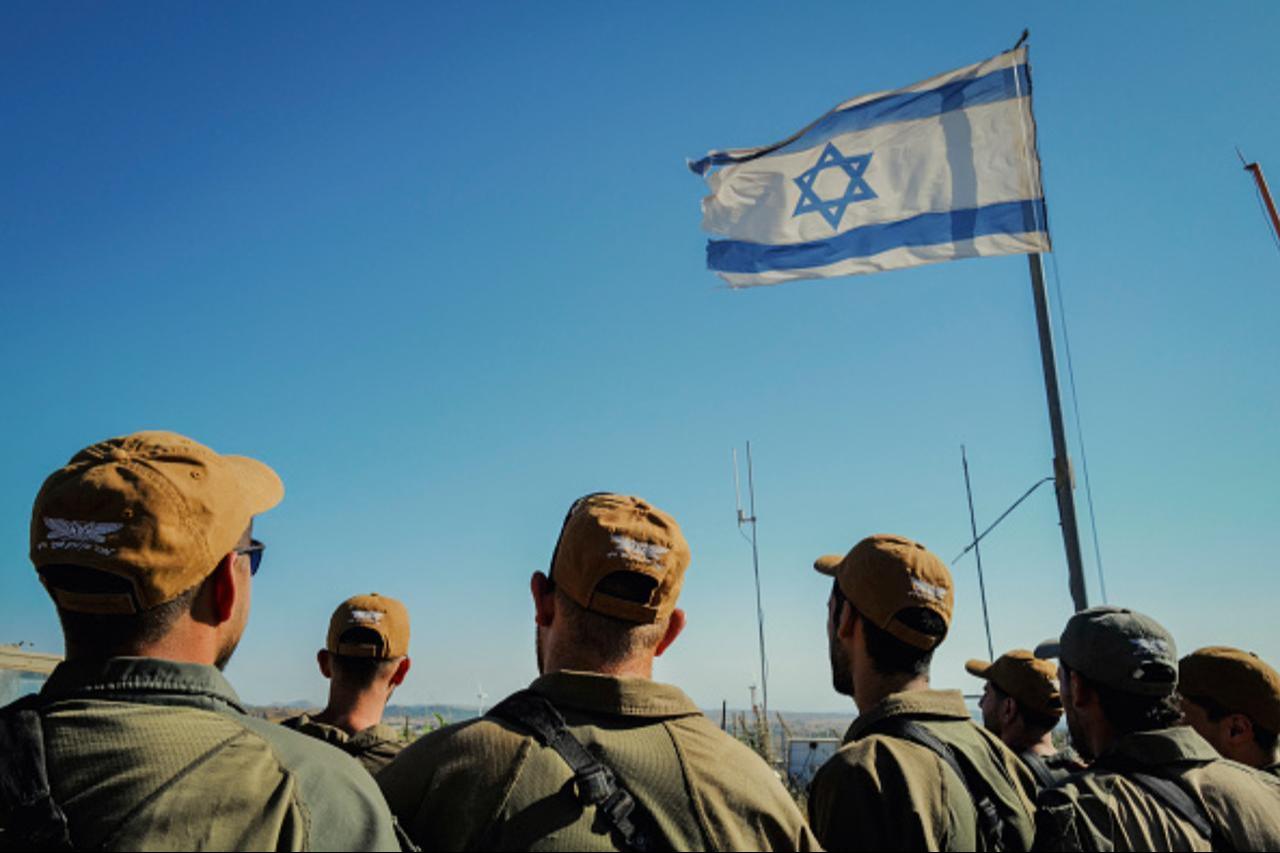

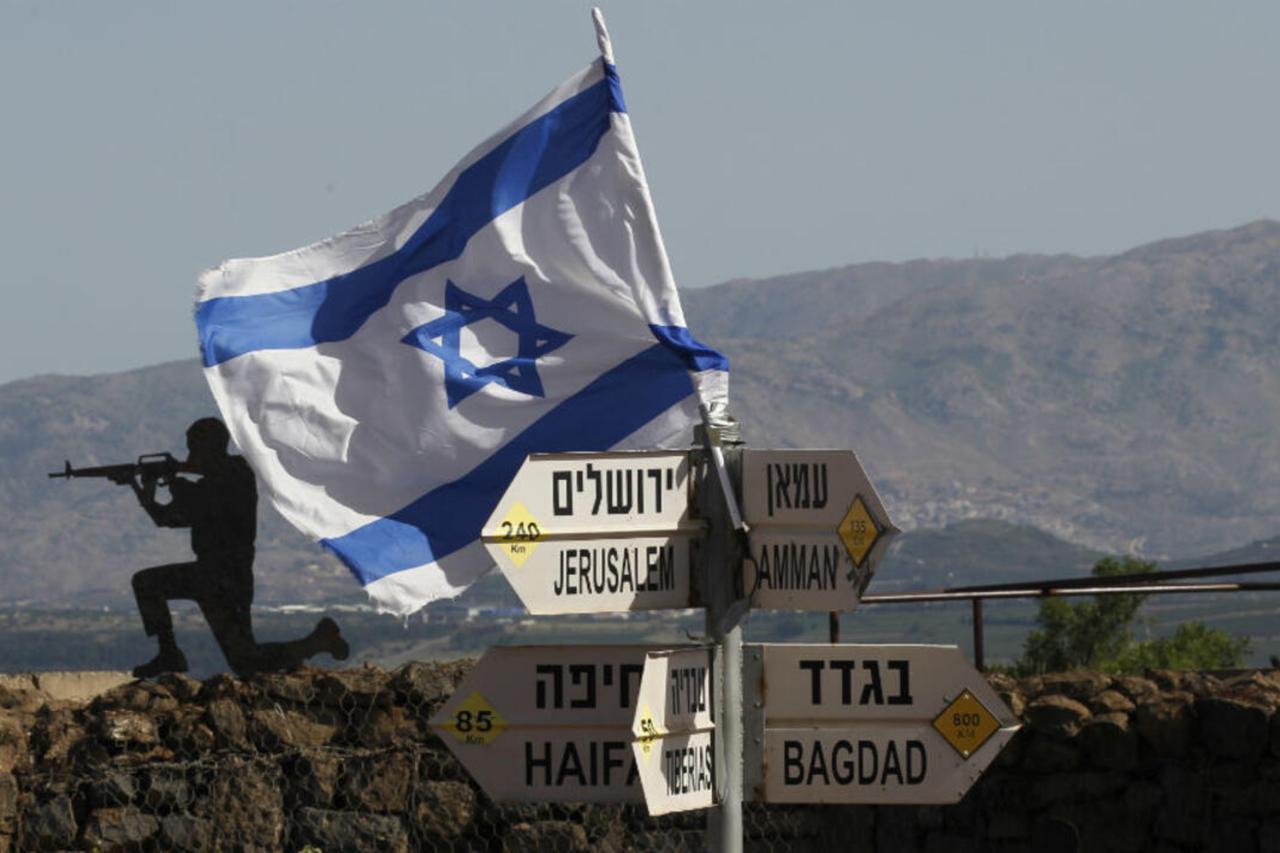
Israel moved into the demilitarized buffer zone in the Syrian Golan Heights in December 2024, immediately after the fall of Bashar al-Assad's government.
The expansion violated the 1974 Disengagement of Forces Agreement, a U.N.-monitored accord that had maintained the buffer zone between Israeli and Syrian forces for five decades.
Since then, the Israeli military has conducted near-daily incursions into southern Syria, particularly in the Quneitra governorate.
The operations have included arrests, establishment of checkpoints, and clearing of forested areas—actions that have generated growing resentment among local populations.
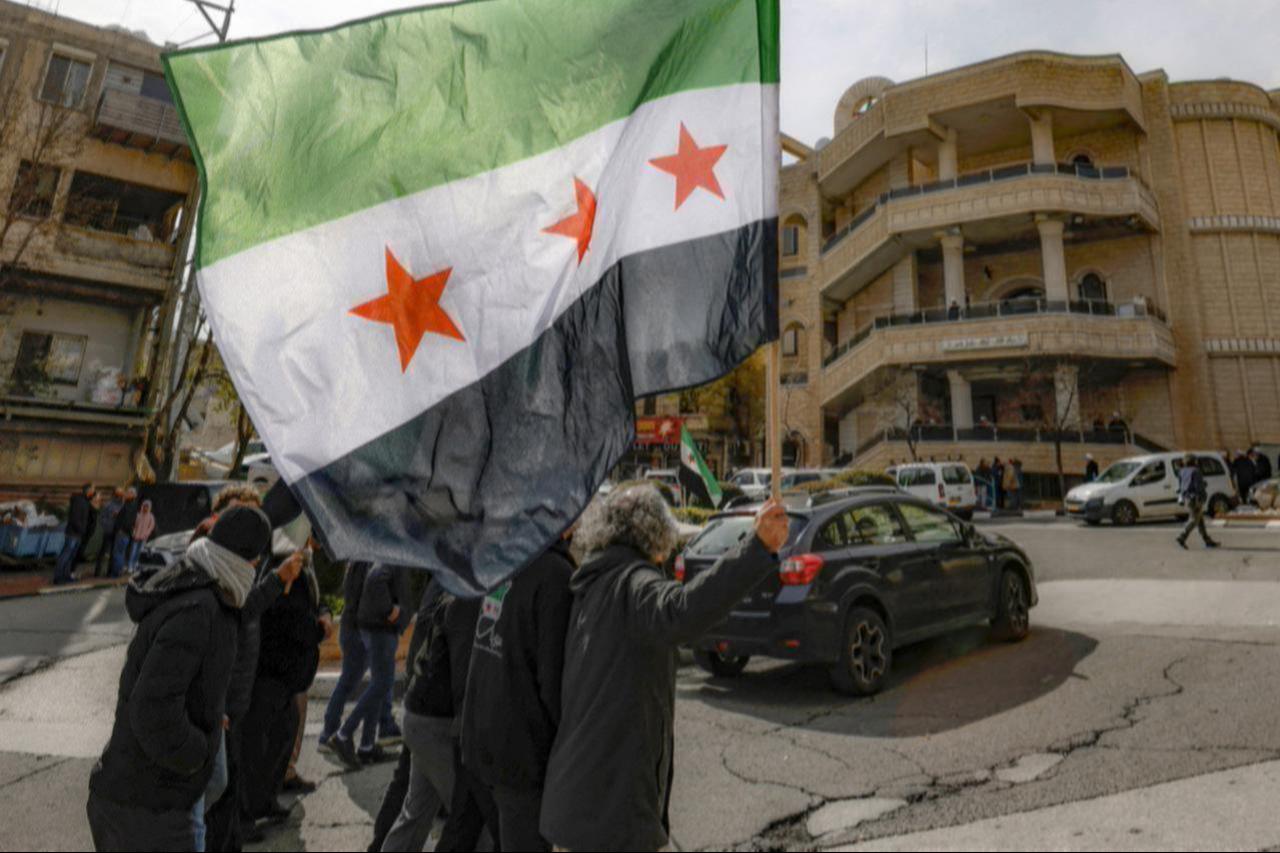
Security talks facilitated by Washington have failed to produce an agreement between Tel Aviv and Damascus. The two sides remain far apart on fundamental issues: Israel is pushing for a new security arrangement that would formalize changes on the ground, while Syria insists on Israeli withdrawal to positions held before December 8, 2024, and restoration of the 1974 agreement.
Israeli leaders have declared the 1974 accord void until what they describe as order is restored in Syria, a position that Syrian officials reject.
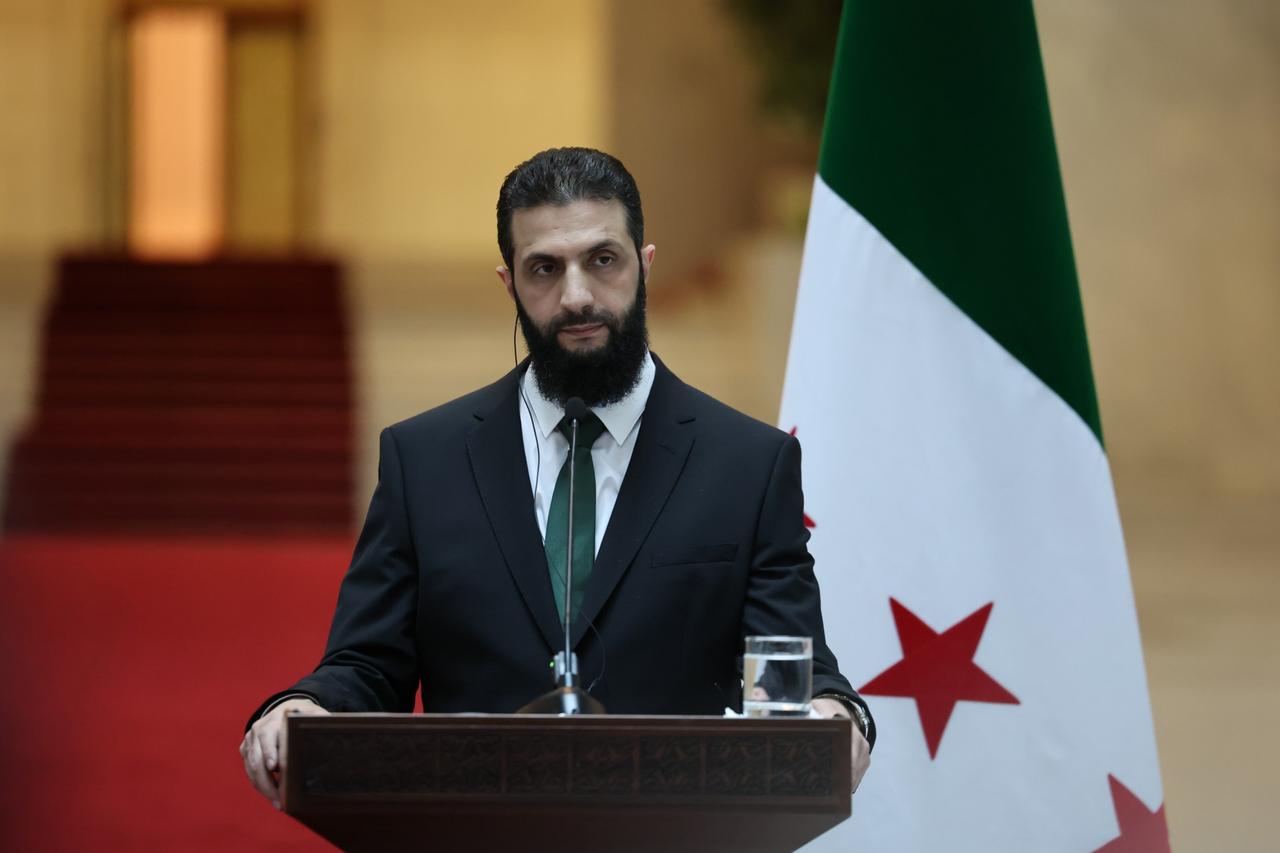
Trump told reporters he hopes Netanyahu will "get along" with Syria's new president, Ahmed Al-Sharaa, who led the forces that toppled Assad.
The U.S. president said his administration lifted sanctions on Syria to give Damascus a chance to stabilize, adding that Washington wants to see Syria survive.
Trump also noted that President Recep Tayyip Erdogan, a vocal critic of Israel and supporter of Hamas, played a role in supporting Al-Sharaa's movement against Assad.
Netanyahu has previously sought to portray himself as instrumental in Assad's fall through Israeli military actions that weakened Iran's regional influence during the Gaza war.
Assad fled to Russia on Dec. 8, 2024, ending nearly 25 years of his rule and bringing to a close the Baath Party regime that had governed Syria since 1963.
Al-Sharaa was declared transitional president in late January, ushering in a period of political uncertainty that has complicated border security discussions with Israel.


 Set as preferred source
 Set as preferred source


 1 min read
 1 min read