Newsletters


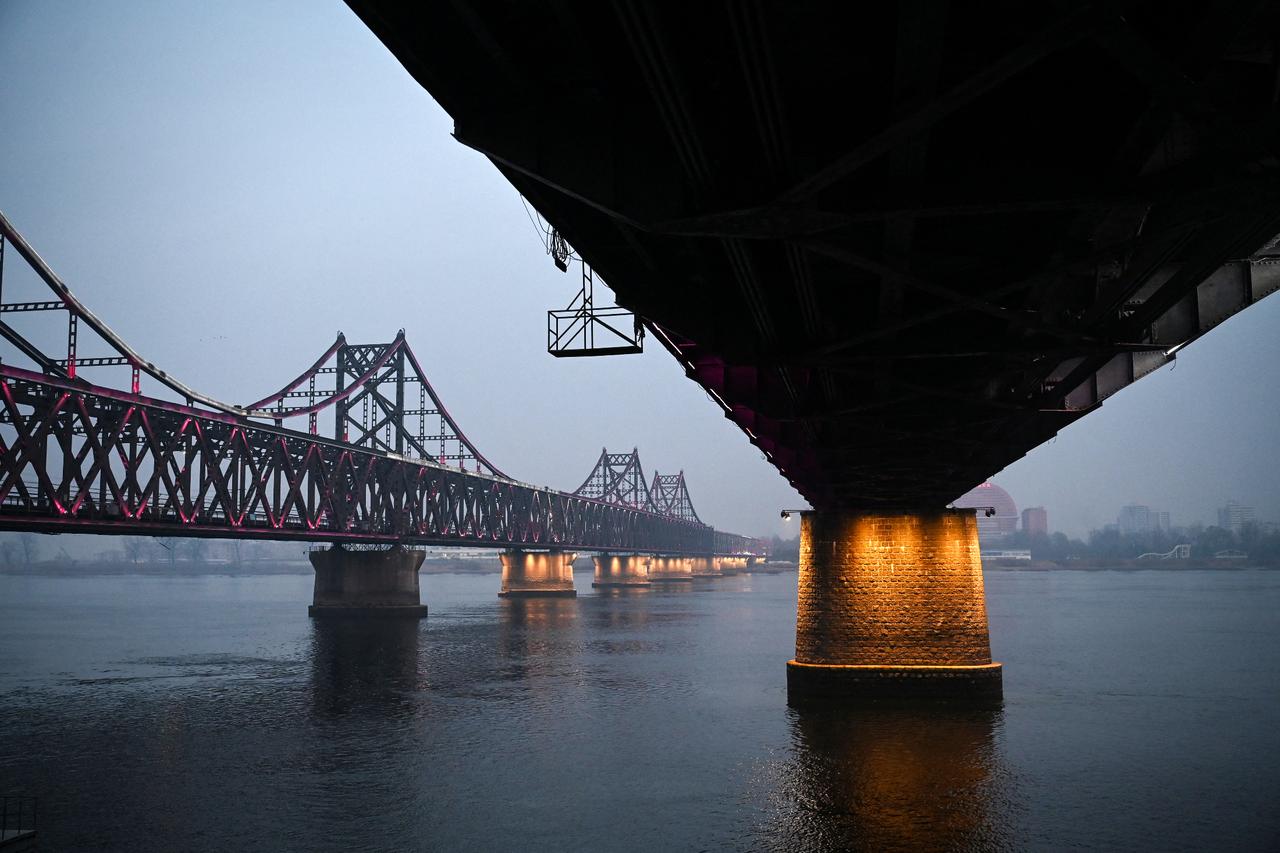


China said Wednesday that a new bridge linking the country with North Korea will officially open to traffic on Oct. 15, more than a decade after construction began, in a move Beijing says will boost bilateral trade and people-to-people exchanges.
“As agreed between China and the DPRK, the new Yellow River Bridge connecting the two countries will officially open to traffic on October 15th,” Chinese Foreign Ministry spokesperson Mao Ning said at a regular news briefing in Beijing.
DPRK stands for the Democratic People’s Republic of Korea, North Korea’s official name.
Mao said China and North Korea were friendly neighbors connected by mountains and rivers and that a joint inauguration ceremony would be held Thursday.
Chinese state broadcaster CCTV also reported that the crossing, known as the New Yalu River Bridge, would open Thursday.
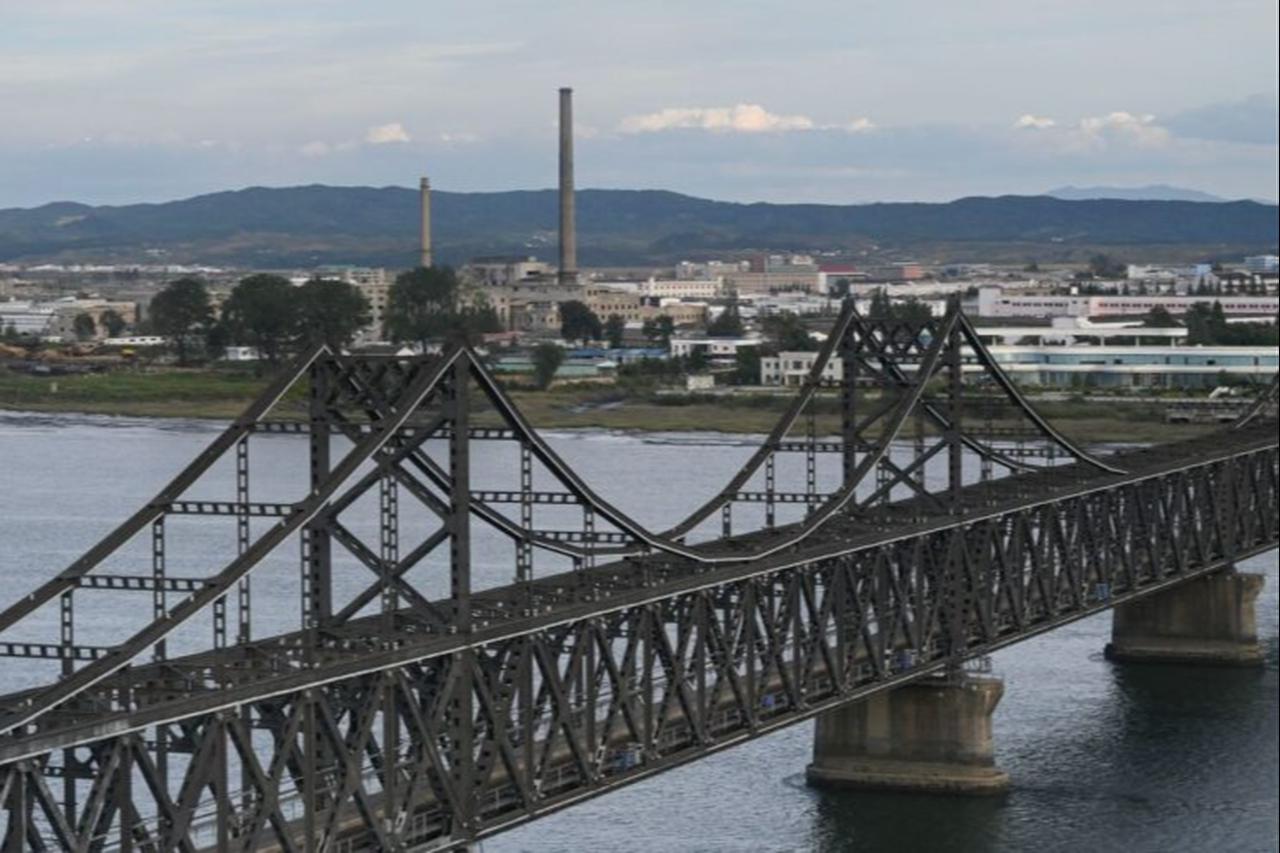

The roughly 3-kilometer (1.9-mile) bridge connects Dandong in China’s northeastern Liaoning province with Sinuiju in North Korea.
Construction began in October 2011, and the four-lane, 3,026-meter structure was completed in 2014.
Its opening was delayed by issues including the absence of connecting roads and customs facilities on the North Korean side, South Korea’s Yonhap News Agency reported.
The bridge is intended to serve as an alternative and eventual replacement for the Sino-Korean Friendship Bridge, which has limited capacity and was previously regularly used by passenger trains.
China remains North Korea’s largest trading partner and a major source of diplomatic, economic and political support despite international sanctions imposed over Pyongyang’s nuclear weapons program.
North Korea closed its borders during the COVID-19 pandemic, and train services between the two countries resumed only in March after a six-year suspension.
North Korea has not yet resumed issuing tourism visas to Chinese citizens, who previously made up the majority of its foreign visitors.
The bridge opening comes just over a month after North Korea and Russia opened their first road bridge, which Pyongyang described as a sign of strengthening ties.


 Set as preferred source
 Set as preferred source


 1 min read
 1 min read