Newsletters


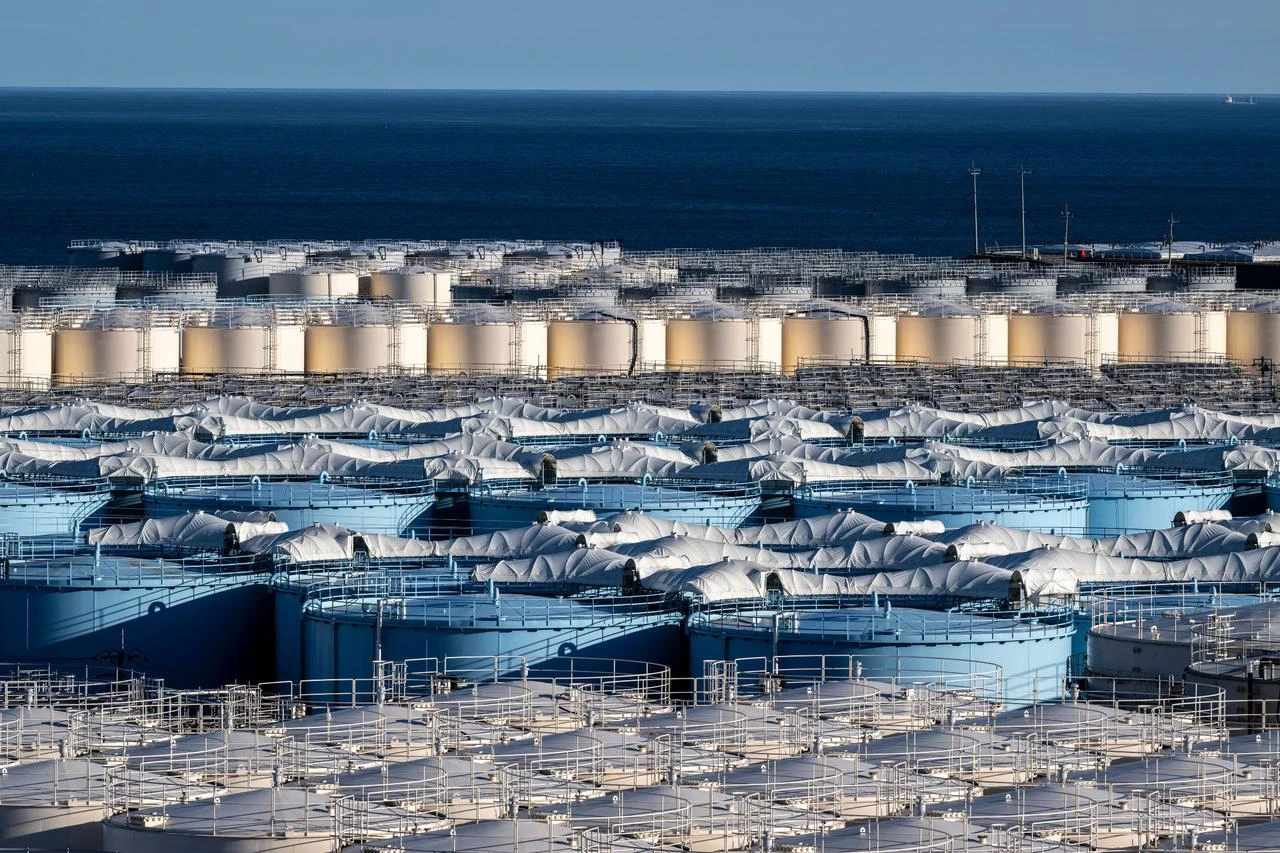


No immediate abnormalities were reported at nuclear power plants in southwestern Japan after a powerful earthquake struck Kumamoto Prefecture on Tuesday, prompting a tsunami advisory and disrupting transportation across the Kyushu region.
The Nuclear Regulation Authority said no problems had been detected at nuclear facilities following the earthquake. Kyushu Electric Power said three nuclear reactors operating in the region at the time continued normal operations.
The U.S. Geological Survey initially measured the earthquake at magnitude 7.1 before revising it to 6.8.
The earthquake struck at 4:27 p.m. local time, or 0727 GMT, at a depth of 10 kilometers, or 6.2 miles, about 5 kilometers east of Uto in Kumamoto Prefecture, according to the USGS.
Germany’s GEOFON seismic monitoring network initially recorded the earthquake at magnitude 6.4 before revising its estimate to 6.8.
The Japan Meteorological Agency said the earthquake registered the maximum intensity of 7 on Japan’s seismic scale of 0 to 7 in the hardest-hit areas, public broadcaster NHK reported.
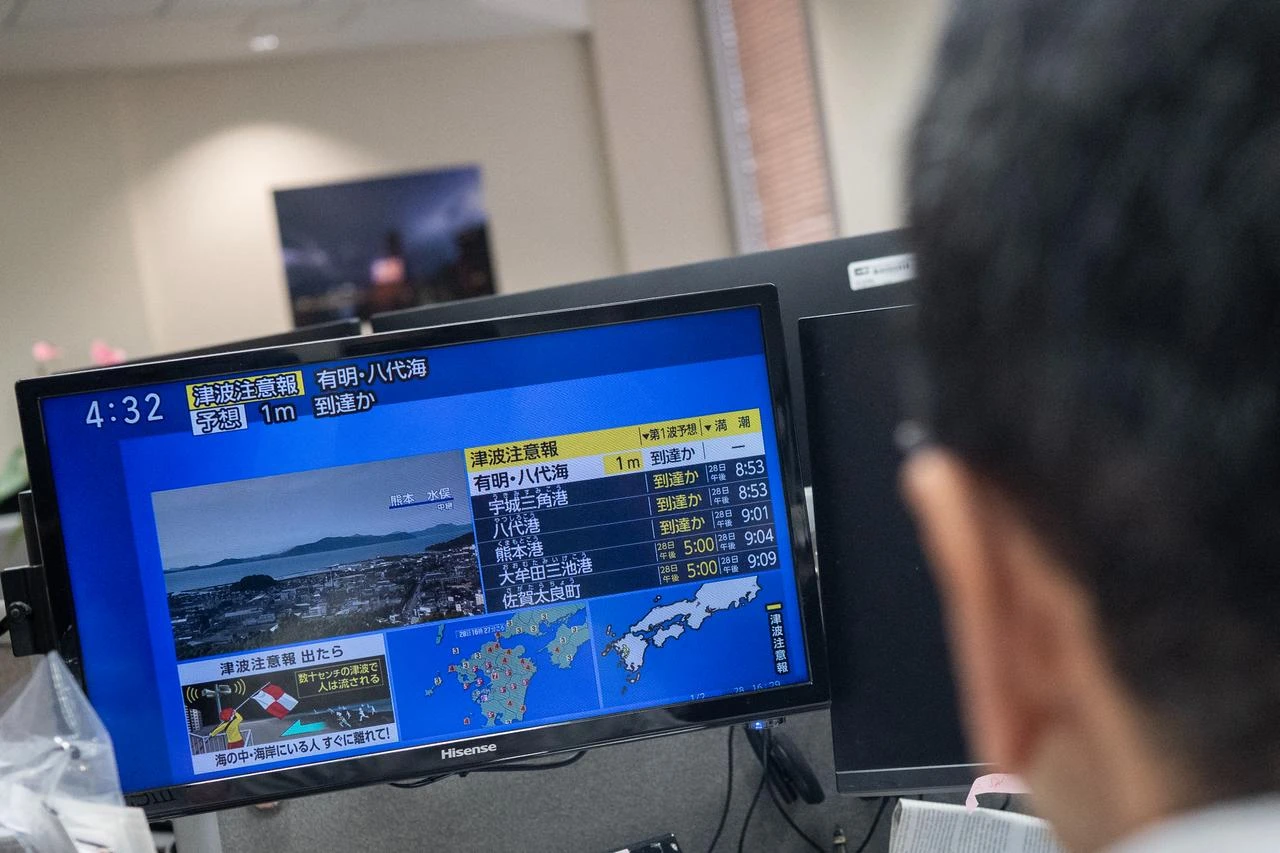
Japan’s Cabinet Office Disaster Management Division issued a tsunami advisory for the Ariake and Yatsushiro seas. Residents were urged to leave coastal areas immediately and remain away until the advisory was lifted.
A second earthquake of magnitude 5.6 struck at 5:08 p.m., or 0808 GMT, about 16 kilometers northeast of Tsunagi in Kumamoto, according to the USGS.
The fire department said several people were believed to have been injured in Kumamoto Prefecture.
Japan’s Defense Ministry said the Self-Defense Forces had begun aerial reconnaissance and would prioritize life-saving operations, according to a statement posted on the U.S. social media platform X.
Shinkansen bullet train and local railway services were suspended across the Kyushu region following the earthquake.
The runway at Kumamoto Airport was also closed after the quake, Kyodo News reported.
The tsunami advisory remained in effect as authorities continued assessing the impact of the earthquake.


 Set as preferred source
 Set as preferred source


 1 min read
 1 min read