Newsletters


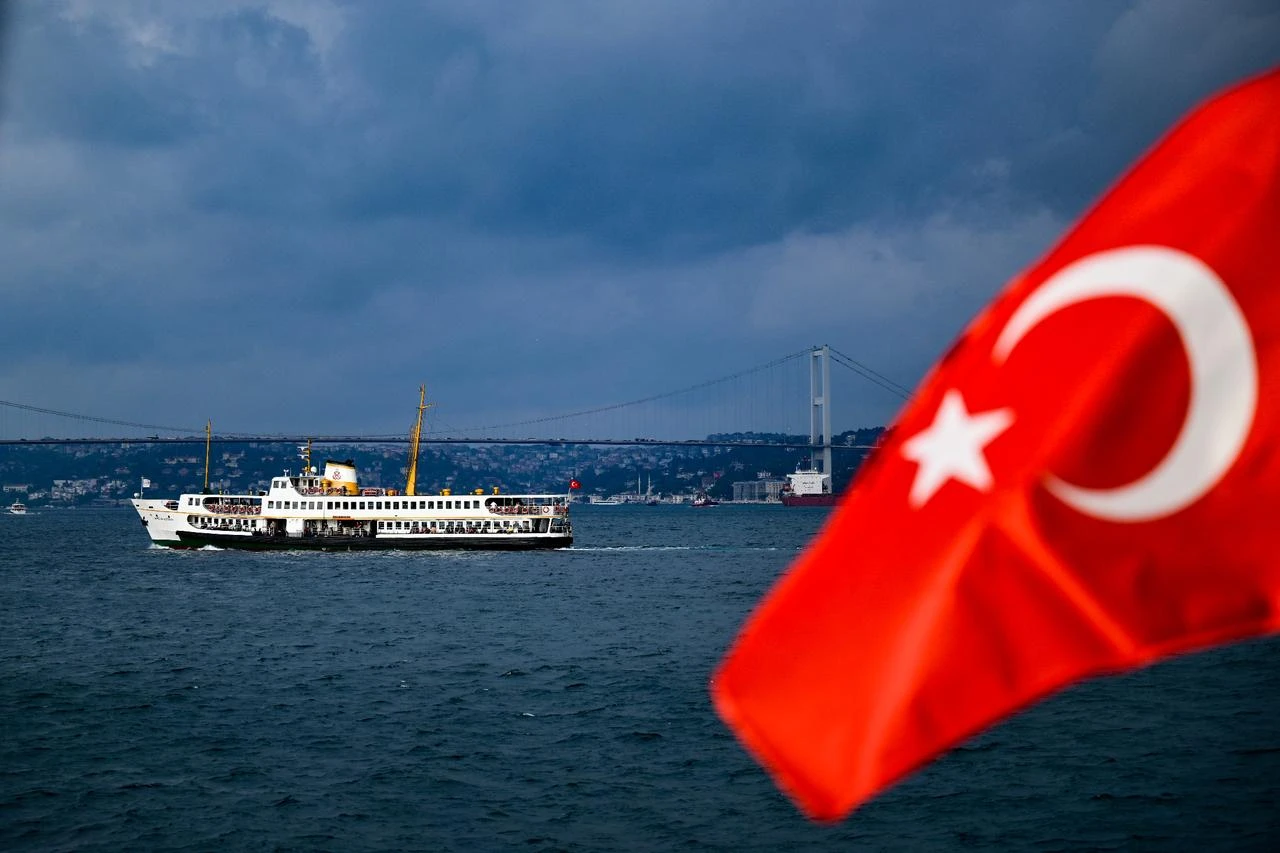


Russia has not received any formalized proposal from Türkiye for a moratorium on military action in the Black Sea, Russian Deputy Foreign Minister Alexander Grushko said, contradicting Turkish Foreign Minister Hakan Fidan's earlier statement that Ankara had conveyed such a proposal to both Moscow and Kyiv.
"Lately we have been hearing many calls for various kinds of moratoriums, truces. These ideas are voiced through various channels, but we have not received any formalized proposals," Grushko told reporters, according to Russian state news agency RIA Novosti.
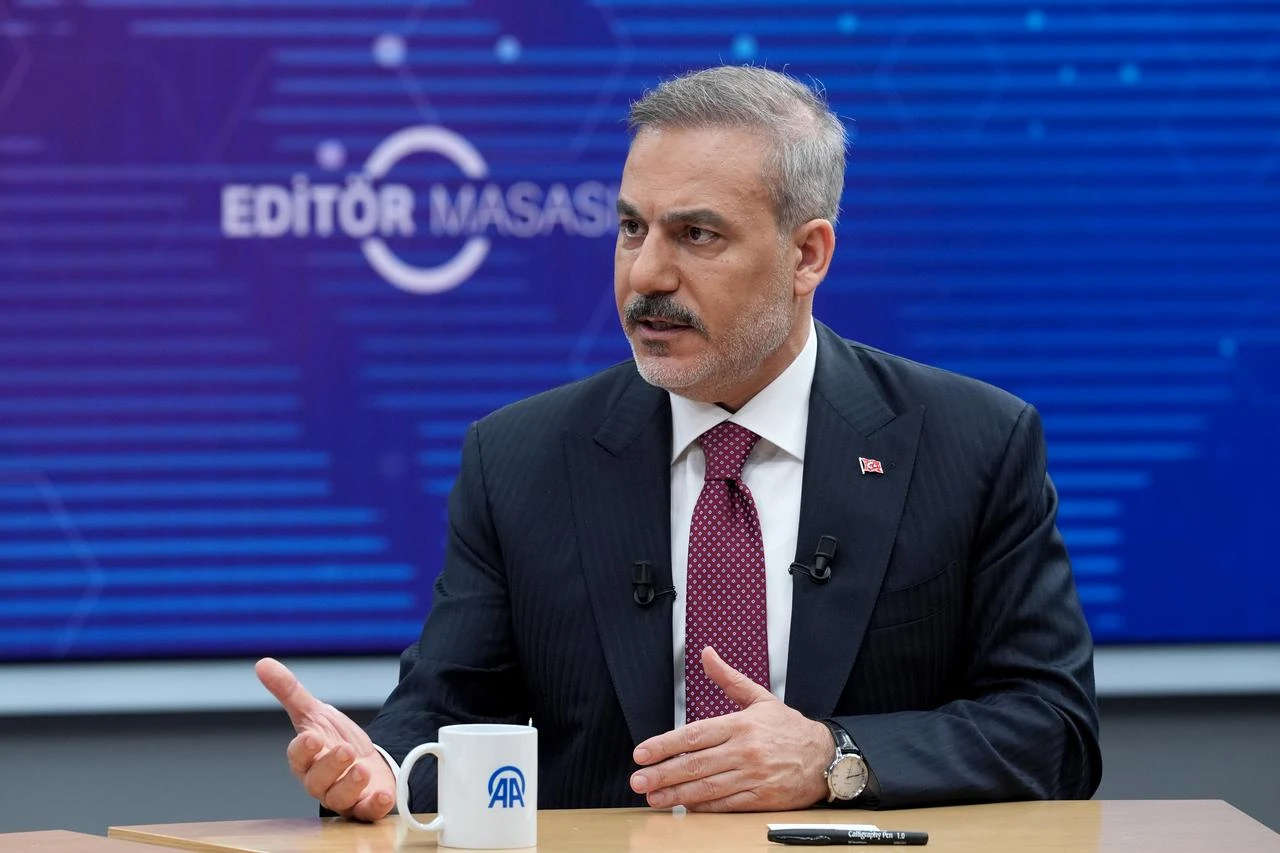
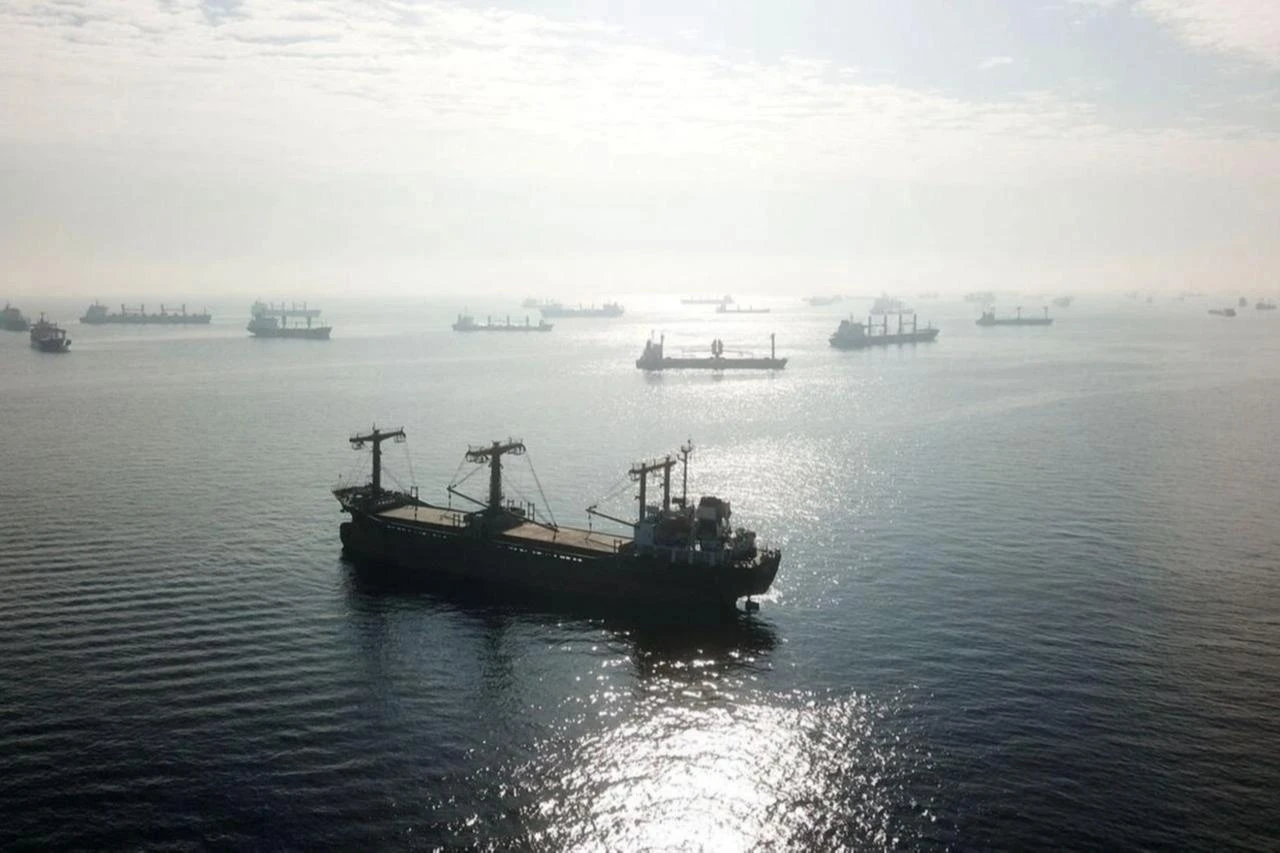
Asked about attacks affecting Turkish ships in the Black Sea, Fidan said Ankara's warnings had unfortunately come true.
"The conflict has spread across the whole Black Sea," Fidan said, speaking as a guest at Anadolu Agency's (AA) Editorial Desk on the AAtolye program.
"At first, they were hitting military ports and military ships; now they are hitting all commercial vessels without distinction. Unfortunately, Turkish ships, Turkish-owned or Turkish-flagged vessels, are also getting their share of this," he noted.
Türkiye's top diplomat stated that foreign-flagged, Turkish-owned vessels, as well as foreign-flagged, foreign-owned ships crewed by Turkish sailors, have also come under attack, and that Ankara is closely tracking all of them.
He said the number of Turkish ships targeted is proportionally smaller compared with other affected vessels, but that this remains a source of concern, noting, "We have presented several measures to our president on this matter. We are putting them into effect."
"We have conveyed our call to both sides regarding the establishment of a mechanism for declaring a moratorium on this issue. The Ukrainians already had a request on this matter. We conveyed this to our Russian counterparts as well. We are waiting on this," Fidan said, noting that both sides have targeted logistics facilities important to the other, calling this very dangerous.

Despite Fidan's account, Grushko told reporters Russia had received no formalized moratorium proposal from Türkiye, according to RIA Novosti.
Separately, a source in the Turkish government reportedly told RIA Novosti that Ankara does not intend to allow warships into the Black Sea, despite rumors to the contrary.
"Warships are not permitted into the Turkish straits. Ankara carefully monitors compliance with the Montreux Convention and does not allow it to be circumvented. Türkiye continues to strictly adhere to its international obligations governing the passage of warships through the straits," the source told RIA Novosti.
The same source said the Turkish side is discussing with Russia and Ukraine the prospects for creating a mechanism to prevent attacks on ships in the Black Sea, with consultations currently taking place behind closed doors.
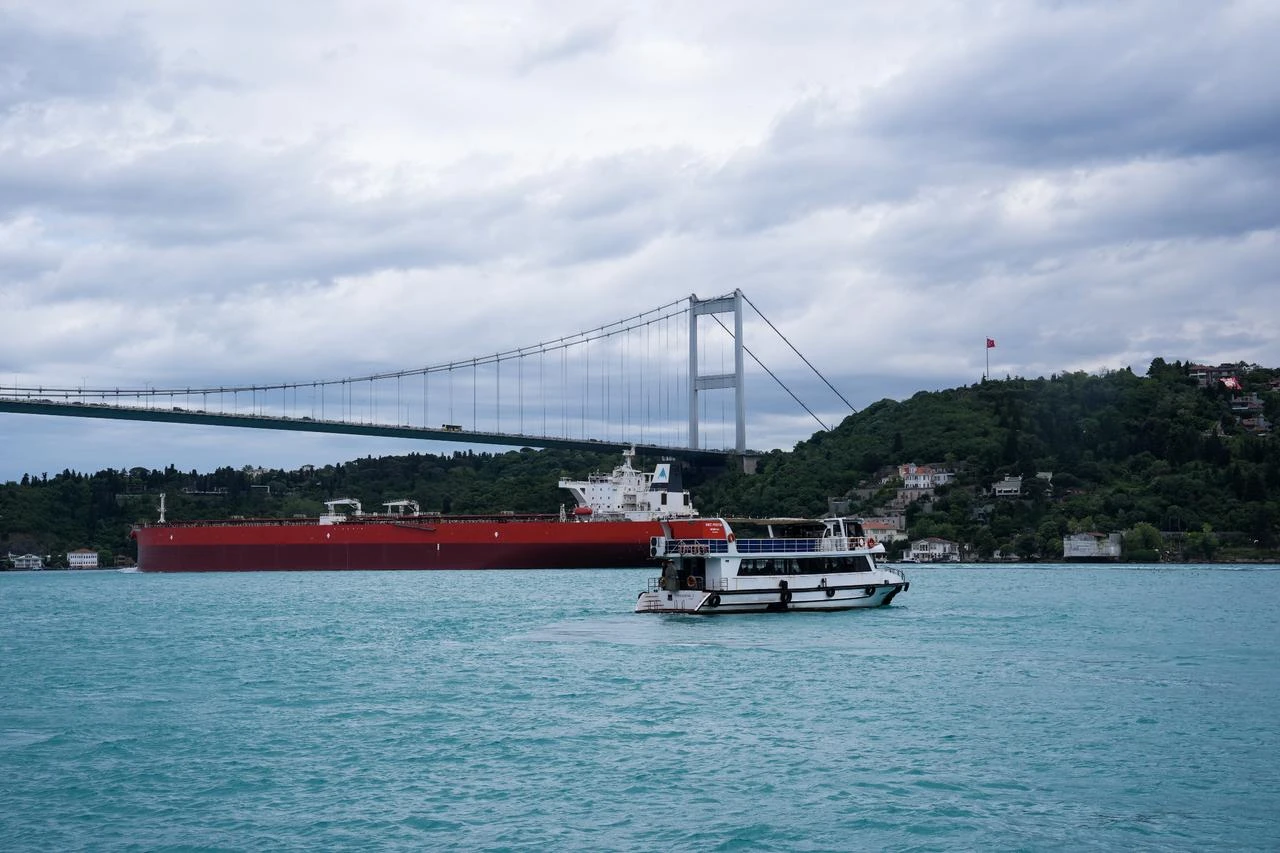
Since 2022, Ankara has used the authority granted under the Montreux Convention to close the Bosphorus and Dardanelles to the passage of warships.
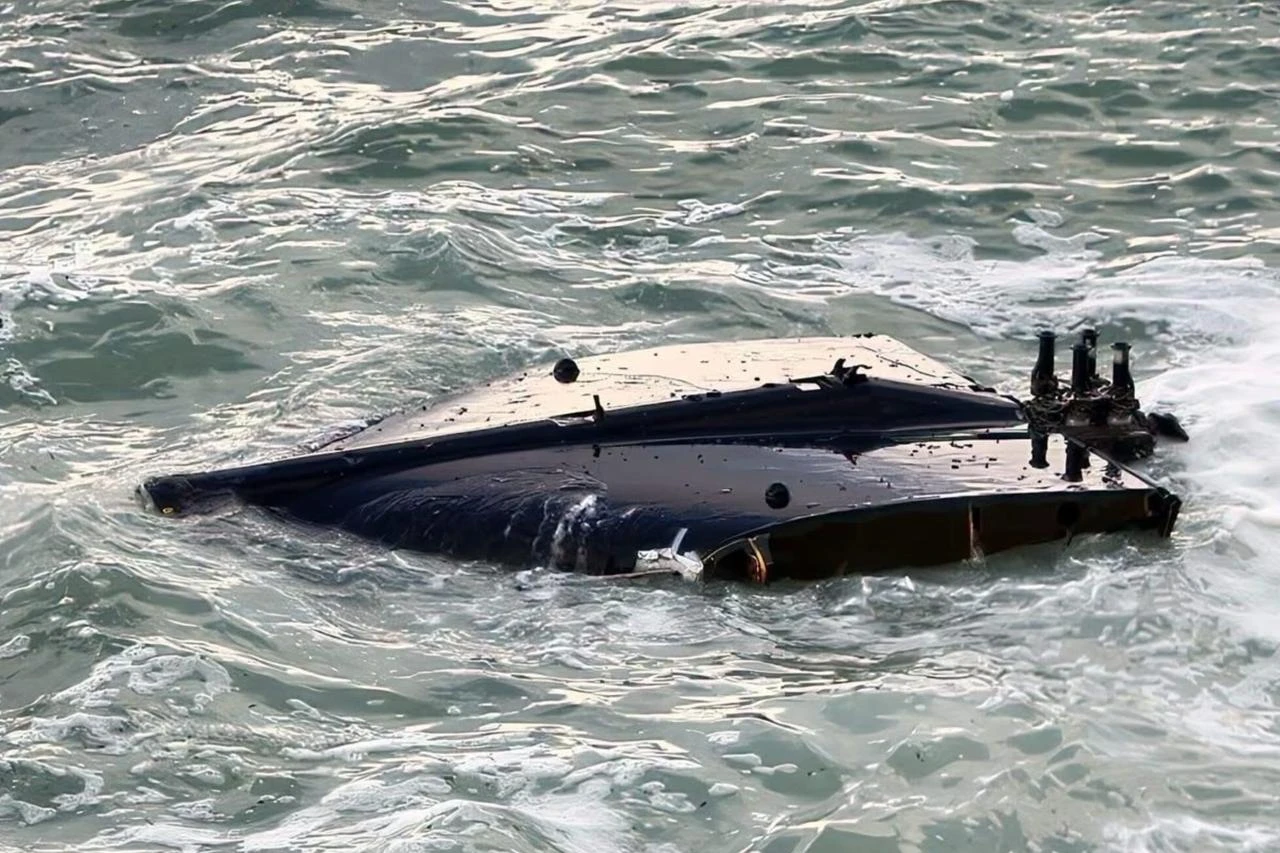
Türkiye had earlier denounced Black Sea drone attacks on two Turkish civilian vessels, in which some crew members were injured.
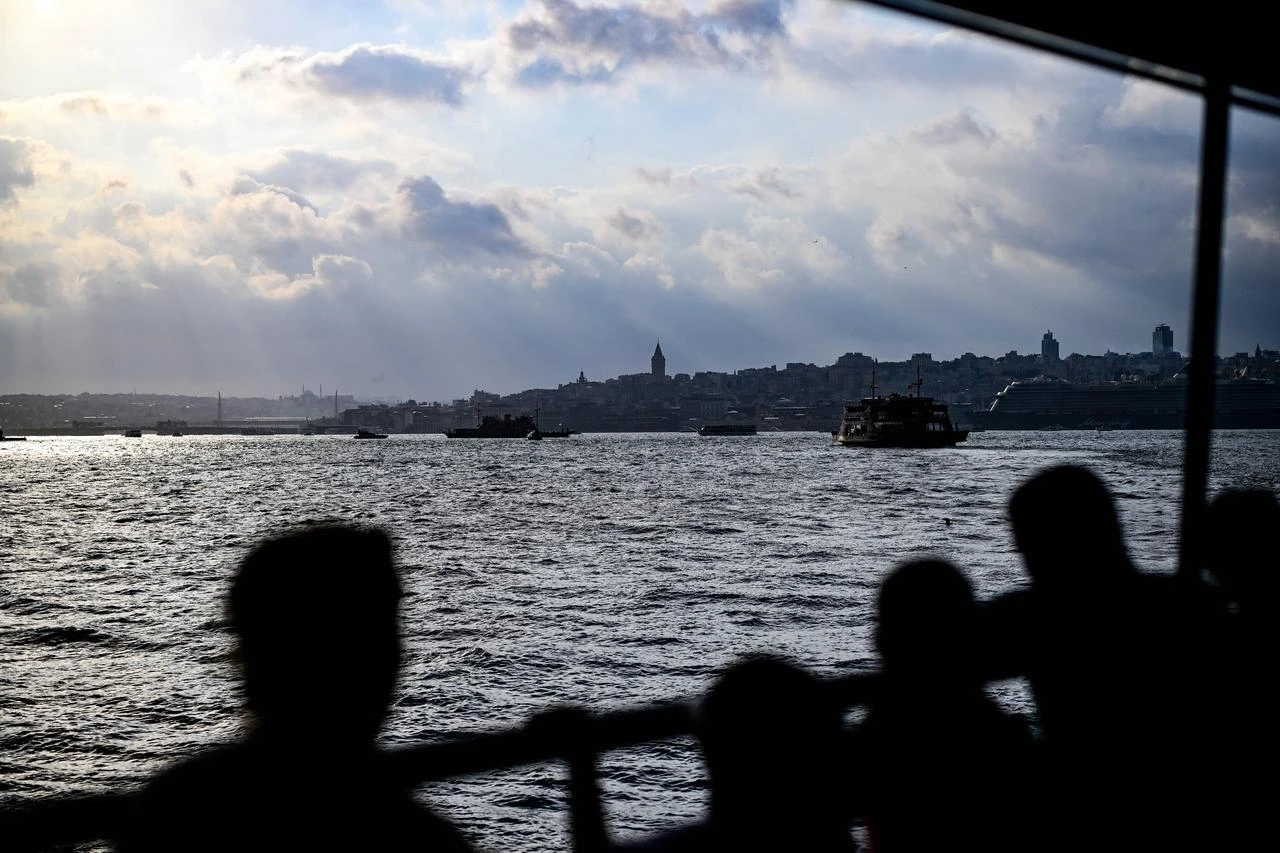
In the same AA interview, Fidan warned that the Russia-Ukraine war risks escalating from a war of attrition into what he called a war of annihilation extending to civilian targets. He said mediators, led by the United States, have observed that warring parties rarely make concessions while they still believe they hold military options to use against each other.
"Where no one makes concessions, a war continues to intensify until each side creates its own space for concession," Fidan said.
He said both sides are waiting for the other to be worn down completely before a mindset of "let's come to the table and make peace" emerges.
Fidan recalled that Türkiye stepped in as a mediator at what he called the optimal point of the war of attrition, when a basis for compromise had emerged, but that the parties ultimately could not reach an agreement because Russia had failed to capture the portion of Donetsk region it sought, an area it described as 24%-25% of the region last year and 15% this year, according to Fidan.
He said that once negotiations failed to produce results, the war of attrition began to expand into a war of annihilation that also targets civilians.
"When this annihilation, attrition at the front turning into attrition behind the front, happens, the issue is no longer about winning or losing a war, a single battle on a front; it becomes a matter of a nation's survival. Whatever your last available option is, that's when you use it," Fidan said.
Asked by AA Chairman and General Manager Serdar Karagoz whether the war was heading toward Russia using what he described as "the last option available to Russia," Fidan indicated that if the war of annihilation grows further, Russia could resort to its last available option.
"When I discussed this with my counterparts during my visit to Russia, this topic seemed to come up, with the explanation that 'the public is now demanding something like this.' We have also told this to Western counterparts, and they know it too," Fidan said.
The top Turkish diplomat noted that this represents a danger and that the international community must intervene to stop the war, noting that things once considered impossible have happened, and that the war has expanded in geography, targets and methods, with the potential to escalate further.
He said Europeans, Russians, Americans and Ukrainians hold differing perceptions and assessments of the war, and that a shared understanding that "ending the war outweighs every other consideration" has not yet formed among the parties.
Fidan said certain parties believe that if they end the war as it currently stands, their losses would exceed what they would lose by continuing to fight, and so do not wish to leave the conflict in its current state.


 Set as preferred source
 Set as preferred source


 1 min read
 1 min read