Newsletters


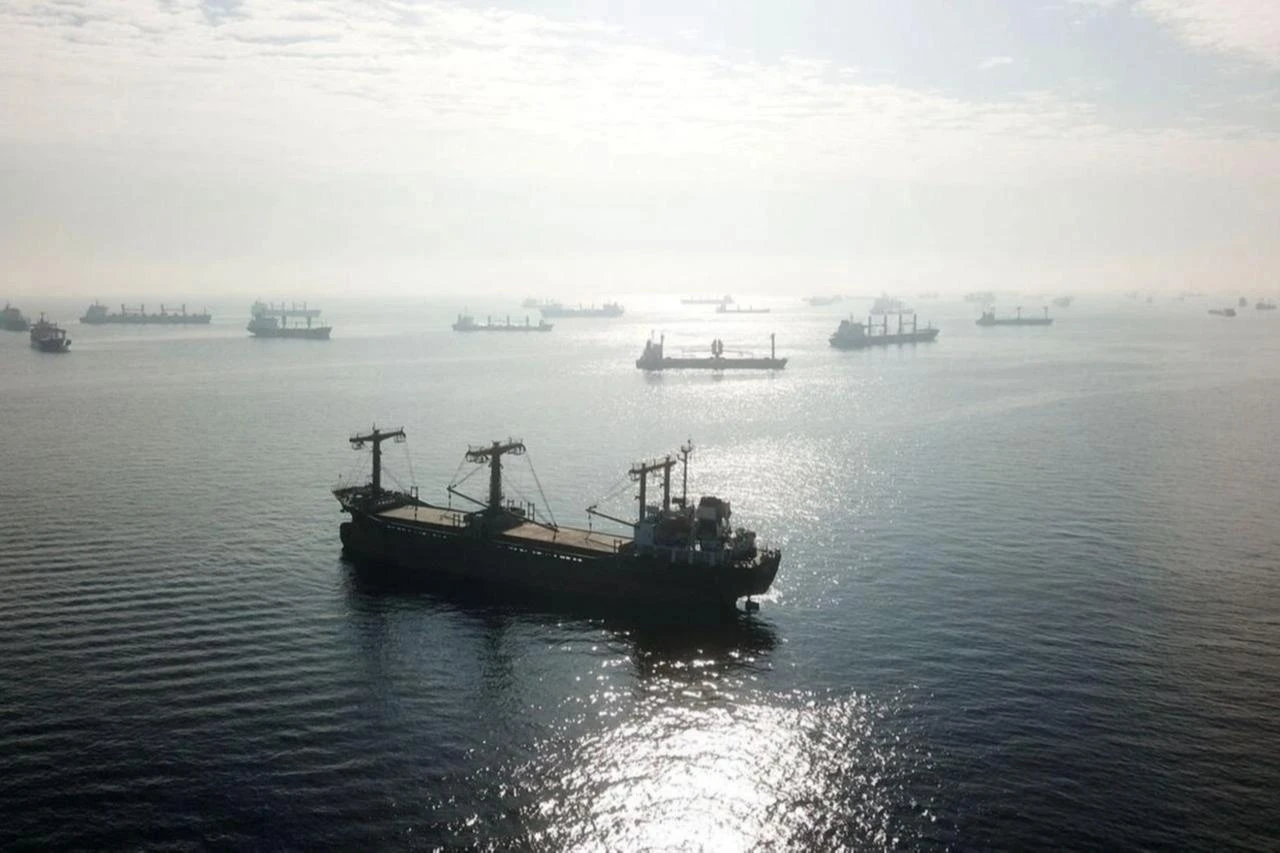


Russia's Foreign Ministry has accused Ukrainian forces of carrying out a summer-long campaign of drone strikes against commercial vessels and port infrastructure in the Black Sea and Sea of Azov, saying the attacks killed at least six people and disrupted agricultural exports to global markets.
In a statement issued by ministry spokeswoman Maria Zakharova, Moscow said Ukraine's armed forces used unmanned systems, along with intelligence it said was supplied by NATO and the European Union, to strike coastal transport and logistics infrastructure and civilian ships carrying grain, sunflower oil and other agricultural cargo under international trade contracts. Reuters and other outlets were not immediately able to independently verify the specific incidents described in the statement.
According to the Russian statement, the first major incident occurred on June 5, when drones struck the dry cargo ships Natra and Zirkon, which were sailing under the flags of Belize and Palau while carrying grain from Türkiye to the Russian port of Rostov-on-Don. The ministry said five people were killed and three wounded in that attack.
Zakharova's statement said Ukrainian forces carried out more than 100 drone attacks in July targeting private vessels moving Russian agricultural products through the two seas.
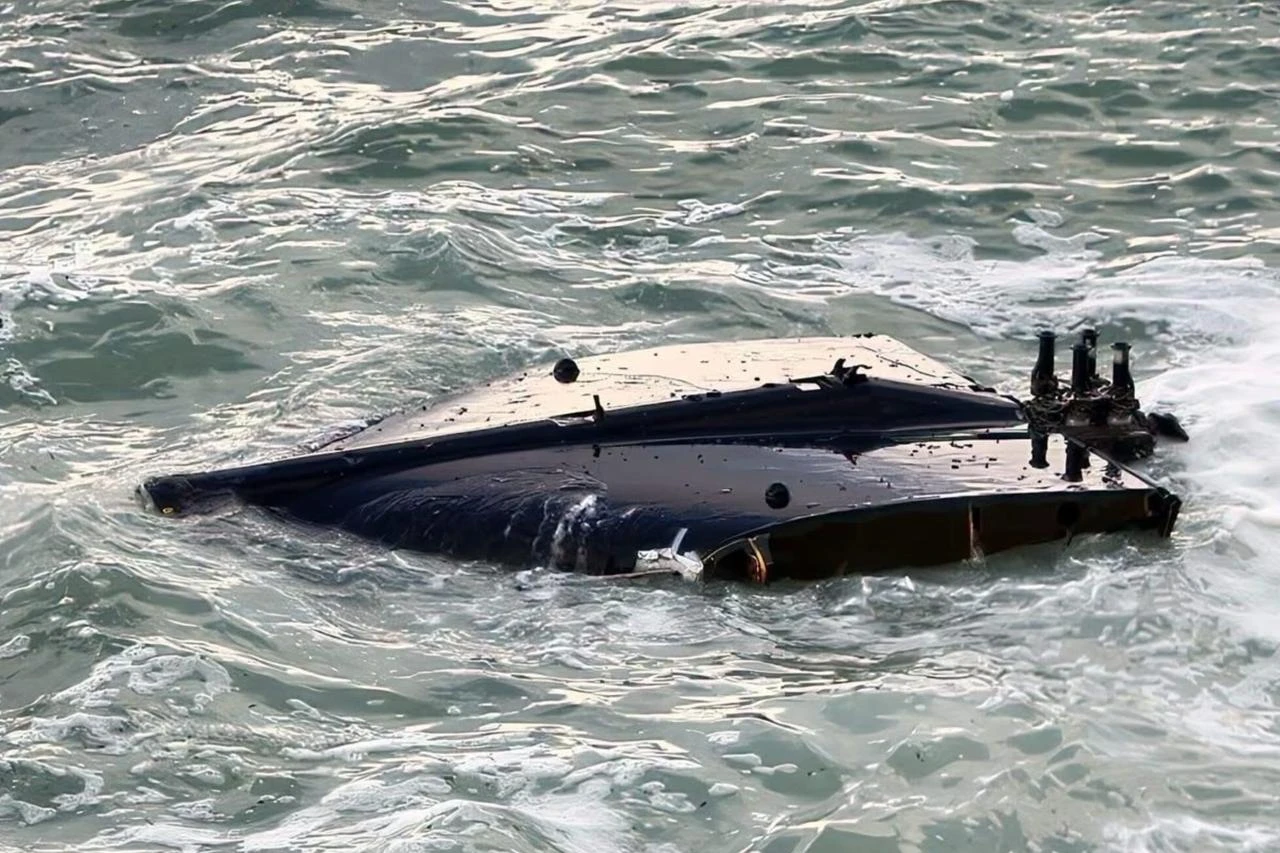
Among them, the ministry said, was a July 18 strike on the commercial bulker MV Omorfi, sailing under the Marshall Islands flag with a grain cargo, in what Russia described as its own territorial waters; an Indian crew member died in that attack, according to the statement.
The ministry also said grain export terminals at Rostov-on-Don were damaged in strikes from July 25 to 27, followed by an attack on the port of Taman on July 30.
A further attack came on August 3, when the ministry said Ukrainian drones struck the Nadezhda, a Cameroon-flagged vessel operated by a Turkish company that was carrying fruit and vegetables from Samsun, Türkiye, to Novorossiysk, roughly 30 miles off the Russian coast.
Four crew members were wounded, the ship's engine room was damaged and a fire broke out on board, the statement said. Ukrainian drones also targeted a separate Turkish bulk carrier, the Yasar, on the same day, according to the ministry.
The ministry argued that the strikes, whatever their military purpose, violated international law protecting the safety of civilian shipping and caused delays in deliveries of grain, oil and forage crops to importing countries that rely heavily on Russian agricultural exports.
It said Russian forces have responded with what it called precision strikes on facilities it said Ukraine uses to destabilize Black Sea navigation, as well as on infrastructure and vessels it said are used to deliver Western weapons to Ukraine, and that such operations would continue "until security threats in the water area of the Sea of Azov and the Black Sea are eliminated."
The Black Sea has served as a critical corridor for global grain exports, particularly for countries in Africa, the Middle East and Asia that depend on Ukrainian and Russian agricultural shipments.
Both countries have ranked among the world's largest wheat exporters in recent years, and disruptions to shipping in the region during the broader Russia-Ukraine war have previously contributed to volatility in global food prices.
The statement went further, characterizing what it called Kyiv's campaign as serving the interests of unspecified Western countries, and asserted that Ukraine's overall share of global food production is comparatively small despite what it described as Kyiv's efforts to claim otherwise.
The ministry tied the alleged strikes to broader Western financial, economic and energy sanctions, arguing that both were worsening global shortages of grain and fertilizer, raising food prices, and imposing costs on countries in the Global South and East.
The ministry called on the international community and multilateral organizations to conduct an independent assessment of what it described as Kyiv's actions and to use available leverage to halt the activity and ensure unimpeded agricultural exports.
Ukraine did not immediately respond to the claims contained in the Russian statement, and there was no independent confirmation of the casualty figures or attack details provided by Moscow.


 Set as preferred source
 Set as preferred source


 1 min read

 1 min read