Newsletters


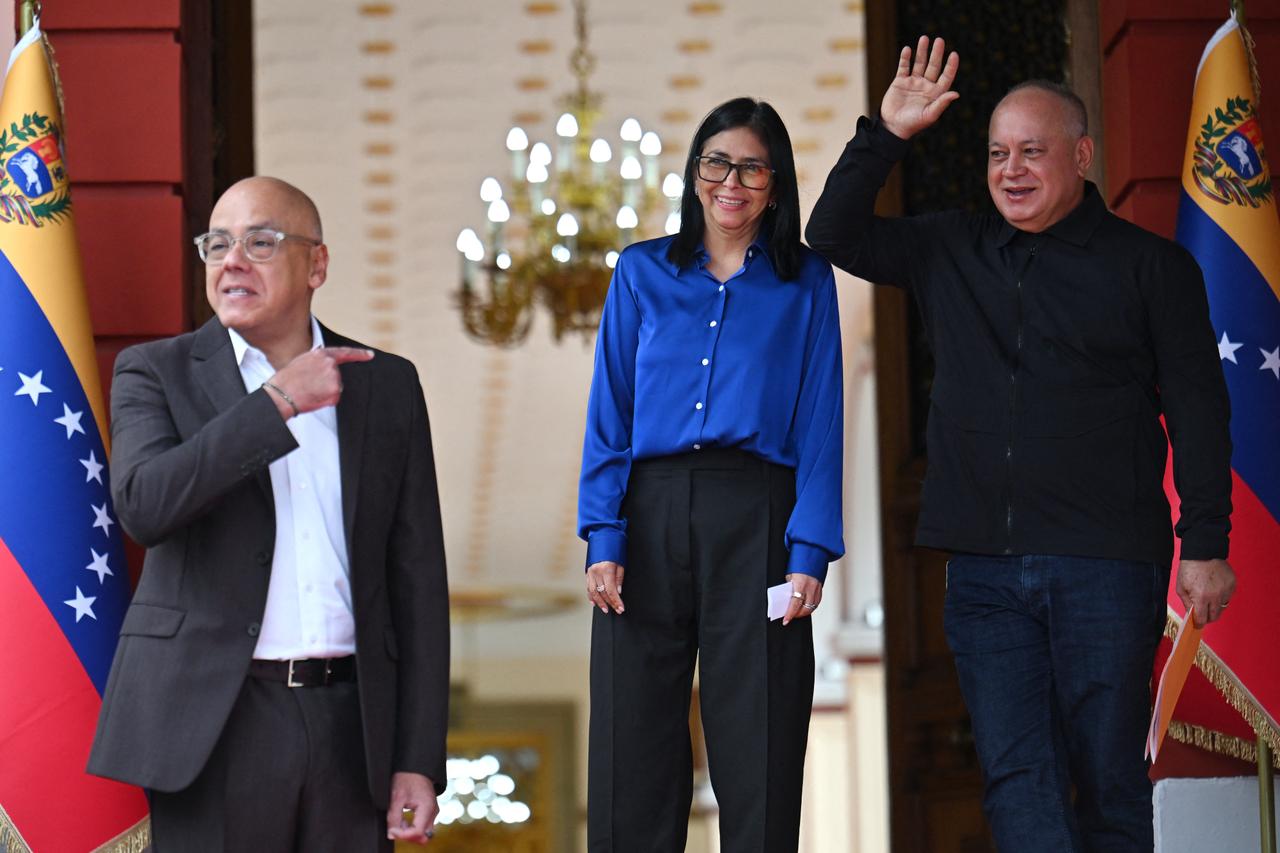


Trump administration officials have been communicating with Venezuela's hardline interior minister Diosdado Cabello for months, including before and after the U.S. operation that ousted President Nicolas Maduro, according to multiple people familiar with the discussions talking to Reuters
The communications, which have not been previously reported, represent a striking diplomatic engagement with a figure the United States has indicted on drug-trafficking charges and placed a $25 million bounty on. Officials warned Cabello against deploying security forces or militant ruling-party supporters against Venezuela's opposition, four sources said.
Cabello, 62, remains a critical player in Venezuela's political landscape despite being named in the same Justice Department indictment used to justify Maduro's January 3 arrest. The Trump administration's outreach to him underscores concerns that he could either stabilize or destabilize interim President Delcy Rodriguez's grip on power.
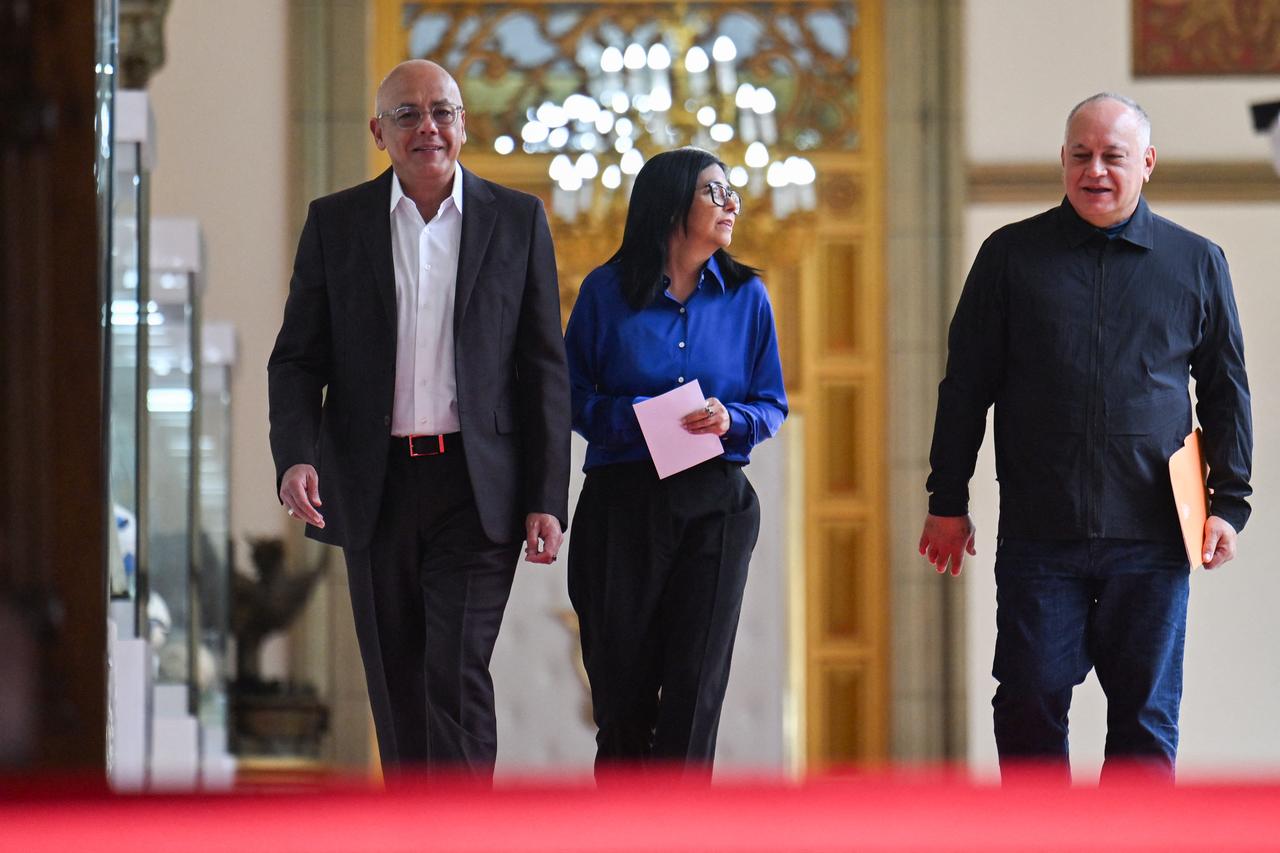
The interior minister oversees Venezuela's intelligence services, police and armed forces, which remain largely intact following the U.S. raid. If Cabello unleashes these forces, it could create chaos that threatens the administration's strategy for the oil-rich nation, according to a source briefed on U.S. concerns.
Cabello has publicly pledged unity with Rodriguez, whom Trump has praised. However, the two have never been considered close allies despite both operating at the heart of Venezuela's government, legislature and ruling socialist party for years.
The Trump administration has been in contact with Cabello both directly and through intermediaries, one person familiar with the conversations said. These discussions have touched on U.S. sanctions against him and the indictment he faces, two sources said.
Cabello has long been viewed as Venezuela's second most powerful figure. A former military officer and close aide to late President Hugo Chavez, he became a loyal Maduro enforcer known for repression. He has exerted influence over military and civilian counterintelligence agencies that conduct widespread domestic espionage and has been associated with colectivos, motorcycle-riding armed civilians deployed to attack protesters.
Elliott Abrams, who served as Trump's special representative on Venezuela during the first Trump administration, said many Venezuelans would expect Cabello's removal if democratic transition is to advance. "If and when he goes, Venezuelans will know that the regime has really begun to change," said Abrams, now at the Council on Foreign Relations.
The United States issued a $10 million bounty for Cabello in 2020 and indicted him as a key figure in the Cartel de los Soles, which Washington describes as a Venezuelan drug-trafficking network led by government members. The reward has since increased to $25 million. Cabello has publicly denied drug trafficking links.
In the hours after Maduro's ouster, some Washington analysts and politicians questioned why the United States did not also apprehend Cabello, who is listed second in the Justice Department indictment. Republican Representative Maria Elvira Salazar told CBS that Cabello is "probably worse than Maduro and worse than Delcy."
Days after the operation, Cabello denounced American intervention, declaring in a speech that "Venezuela will not surrender." However, media reports of residents being searched at checkpoints by uniformed security forces and plainclothes personnel have become less frequent recently.
Both Trump and the Venezuelan government have said many detainees considered political prisoners by opposition groups and rights organizations will be released. The government has said Cabello is overseeing that effort in his role as interior minister, though rights groups say liberations are proceeding extremely slowly and hundreds remain unjustly detained.
The White House and Venezuelan government did not immediately respond to requests for comment.


 Set as preferred source
 Set as preferred source


 4 min read