Newsletters


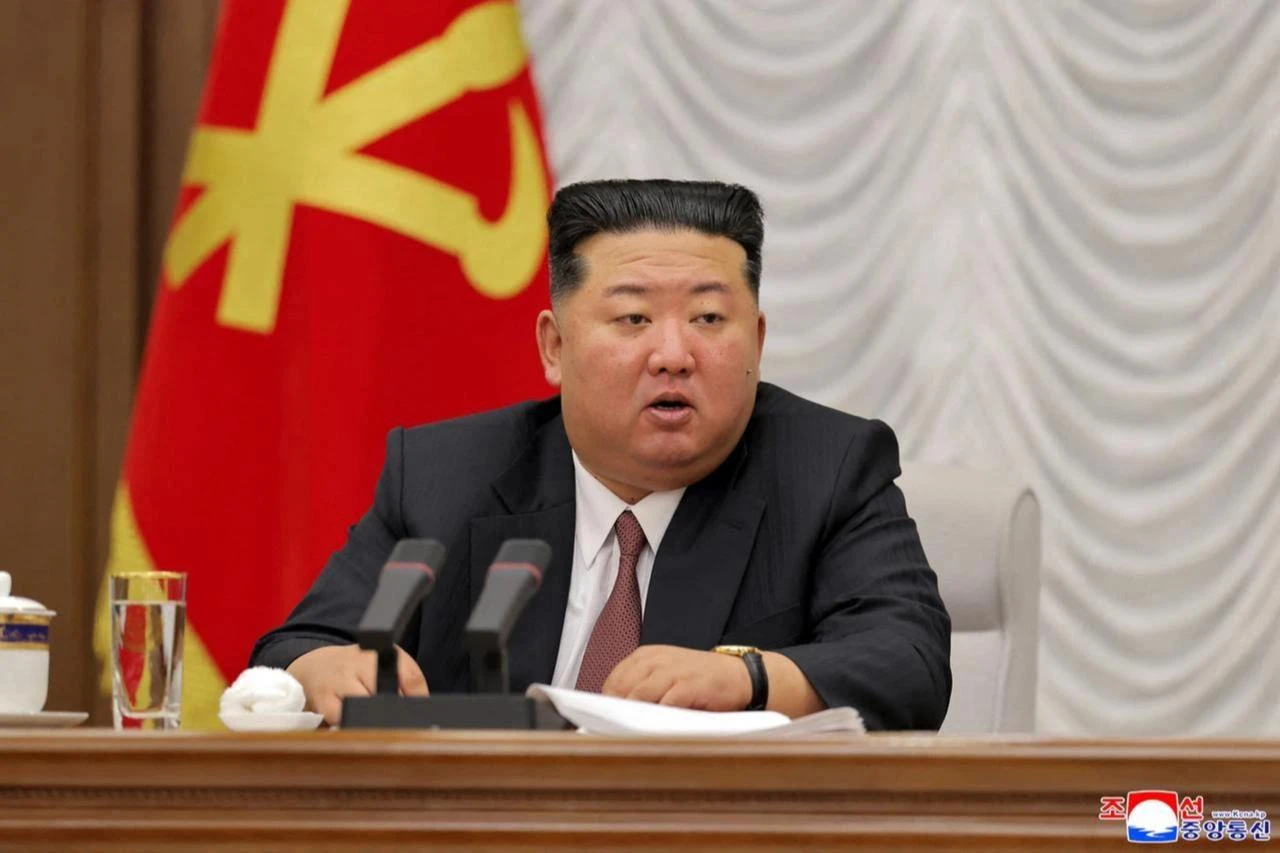


North Korea accused the U.S., Japan and South Korea of creating a “new security crisis” in the Asia-Pacific through expanding military cooperation, while rejecting allegations that Pyongyang poses a cyber threat.
In commentary published Tuesday by the state-run Korean Central News Agency, a military commentator said the three countries were strengthening their joint warfighting capabilities through large-scale military exercises.
Pyongyang warned that the cooperation threatened regional stability and said it would respond to “a threat of a new level with a deterrence of a new level.”
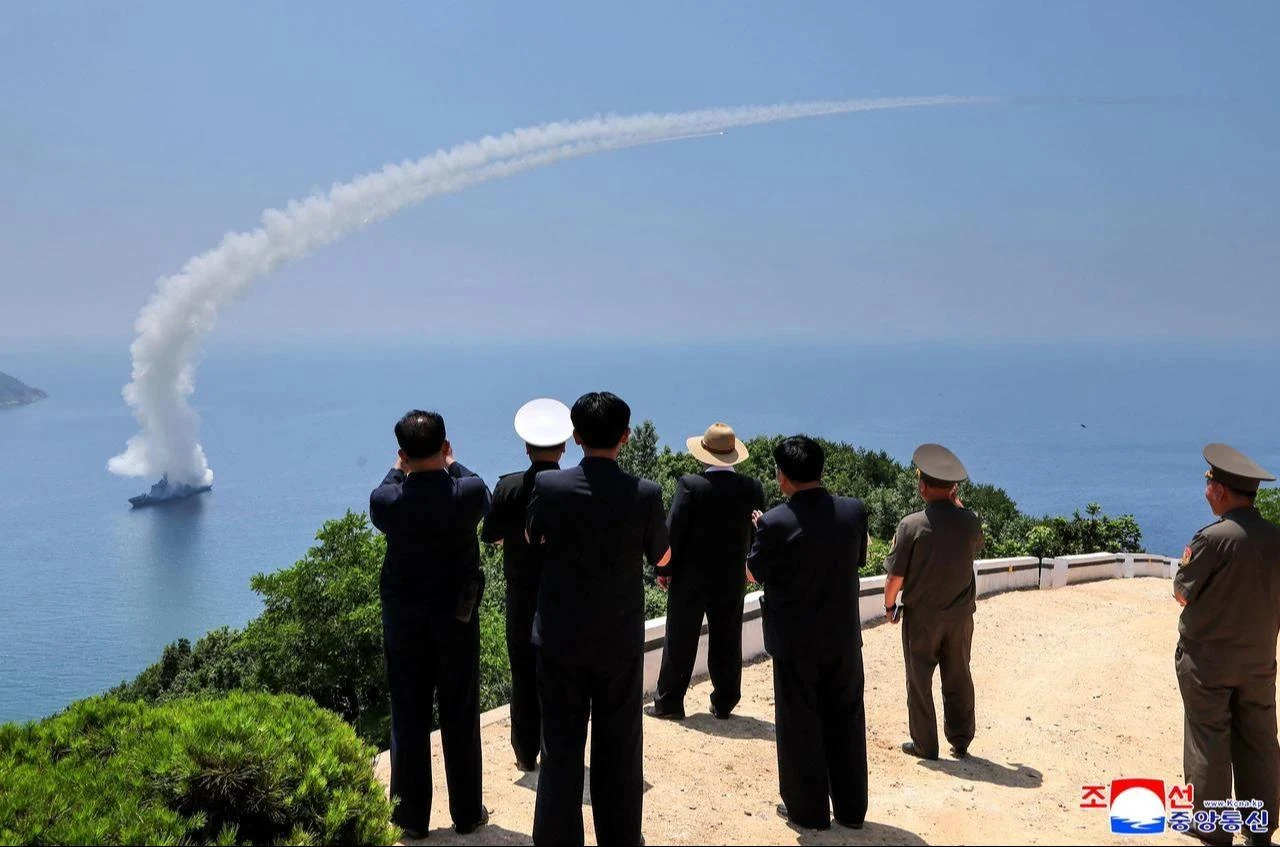
The commentary focused on the recent U.S.-led Rim of the Pacific exercises, known as RIMPAC, which are described as the world’s largest international maritime warfare and joint naval drills.
North Korea claimed this year’s exercises involved more than 30,000 personnel, over 30 warships, five submarines and nearly 190 aircraft.
The commentary described RIMPAC as a rehearsal for “aggression” and accused Washington of seeking military dominance in the region with support from Tokyo and Seoul.
Pyongyang also criticized recent U.S.-South Korea air and logistics exercises, plans to strengthen U.S. command structures in Japan and the deployment of advanced U.S. missile systems in the region.

Separately, North Korea’s Foreign Ministry rejected recent U.S.-led accusations that the country posed a cyber threat, calling the claims groundless and politically motivated.
A ministry spokesperson accused the U.S. of militarizing cyberspace through cyber commands, joint exercises and artificial intelligence initiatives.
The spokesperson argued that the U.S., rather than North Korea, was responsible for increasing tensions in the digital domain.
North Korea said it would continue protecting its national security and development interests against what it described as Western pressure.


 Set as preferred source
 Set as preferred source


 1 min read
 1 min read