Newsletters


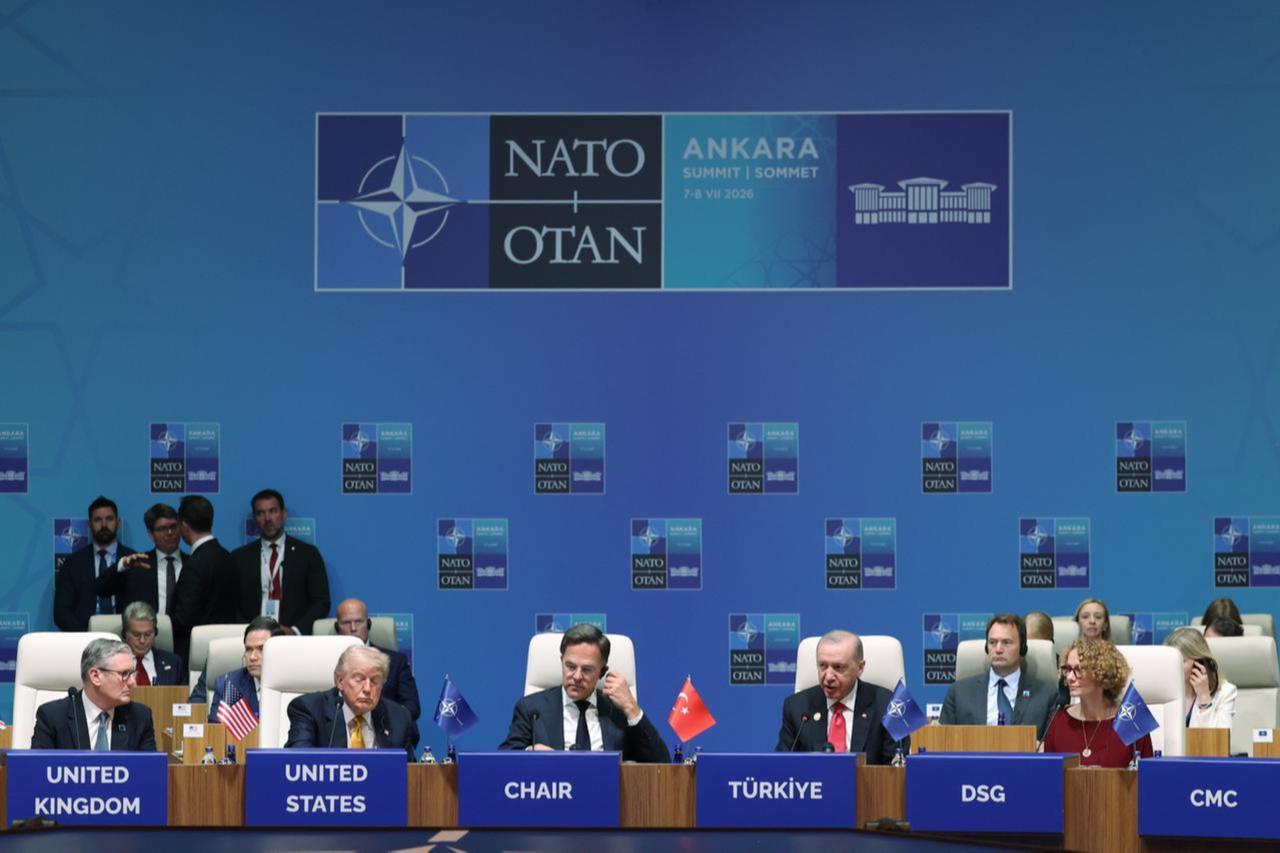


North Korea and China criticized NATO after this week's summit in Türkiye, with Pyongyang accusing the alliance of strengthening military blocs and Beijing urging NATO to abandon what it called a "Cold War mentality."
North Korea condemned the United States and its allies on Saturday for what it described as accelerating arms buildups after the NATO summit, while China said NATO should stop "hyping up" narratives about a China threat.
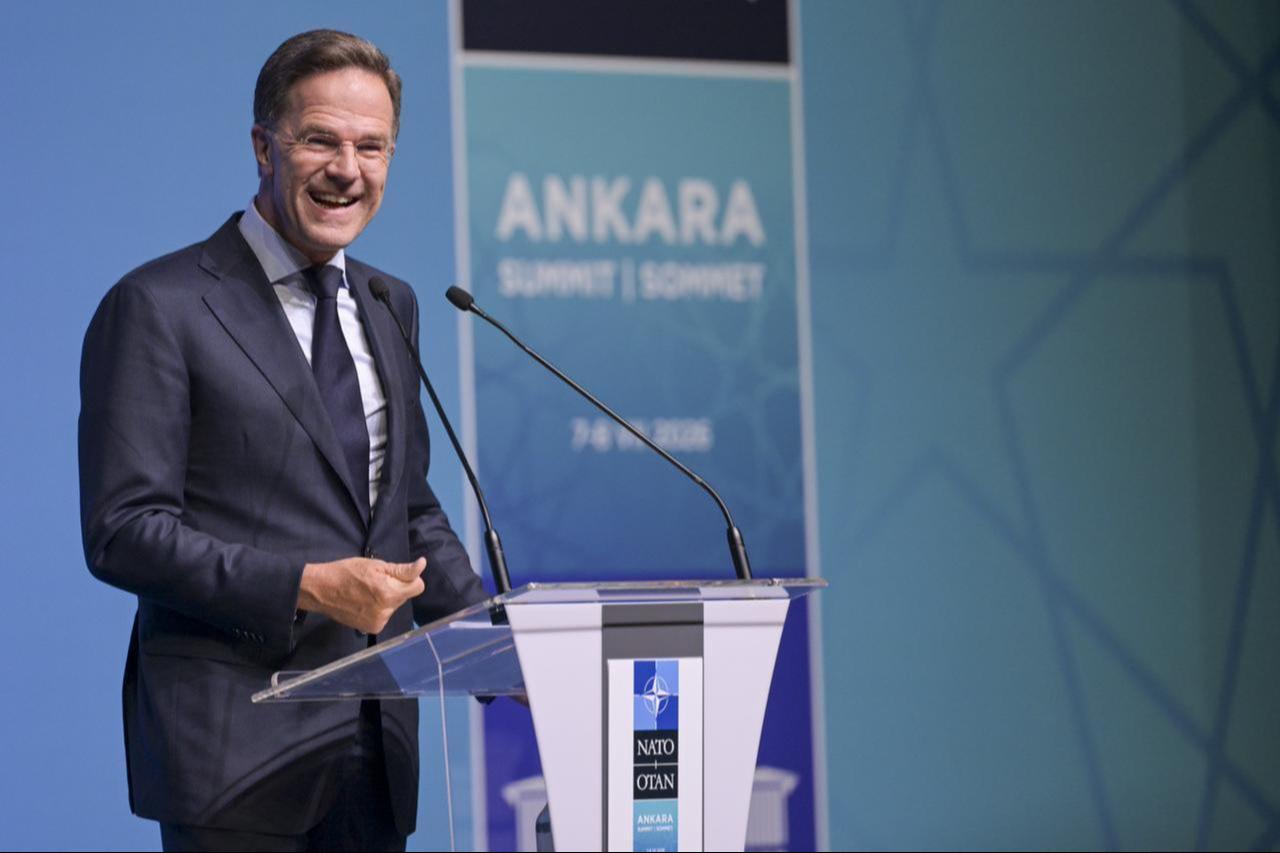
The statements came after NATO Secretary-General Mark Rutte held a joint meeting with senior officials from the alliance's four Asia-Pacific partners on the sidelines of the NATO summit in Ankara.

North Korea accused NATO leaders of portraying Pyongyang's exercise of what it called its legitimate sovereign rights as a threat, the North Korean Foreign Ministry said in a statement carried by state media KCNA.
The ministry said the alliance had demonstrated a stronger commitment to bloc-to-bloc confrontation through increased arms spending and closer military cooperation with allies in the Asia-Pacific region.
North Korea said the summit showed NATO was a body geared toward war and confrontation, pursuing what Pyongyang described as exclusive geopolitical interests at the expense of peace and security in Europe and the Asia-Pacific.
At the NATO summit in Türkiye on Tuesday, officials announced more than $50 billion in military procurement and industrial agreements as European allies face continued pressure from U.S. President Donald Trump to shoulder a greater share of the alliance's defense burden.
South Korean President Lee Jae Myung said on the sidelines of the summit that he hoped Seoul would expand cooperation with NATO allies in research and development, including cutting-edge technologies, as well as in weapons systems production.
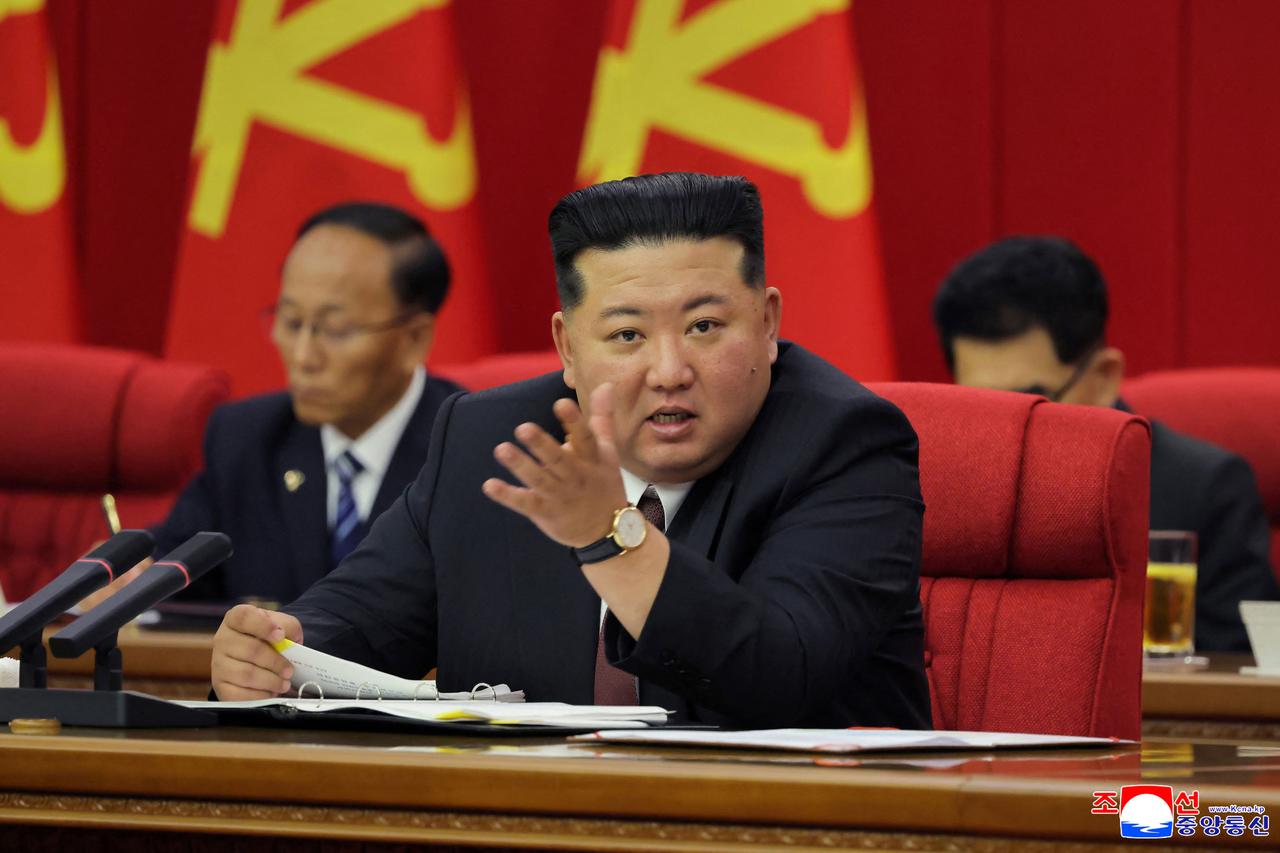
North Korea said Western efforts for it to abandon nuclear weapons had been irreversibly terminated.
Pyongyang said denuclearization efforts should instead focus first on what it described as attempts by South Korea and Japan to pursue their own nuclear weapons under U.S. protection.
The ministry also pointed to what it called the nuclear ambitions of NATO members participating in the alliance's nuclear-sharing arrangements.
North Korea said it would safeguard its sovereignty and security interests, as well as regional peace, through the responsible exercise of its sovereign rights.
KCNA said Friday that North Korea had decided on measures to strengthen its nuclear forces "quantitatively and qualitatively" as leader Kim Jong Un calls for modernizing the military.
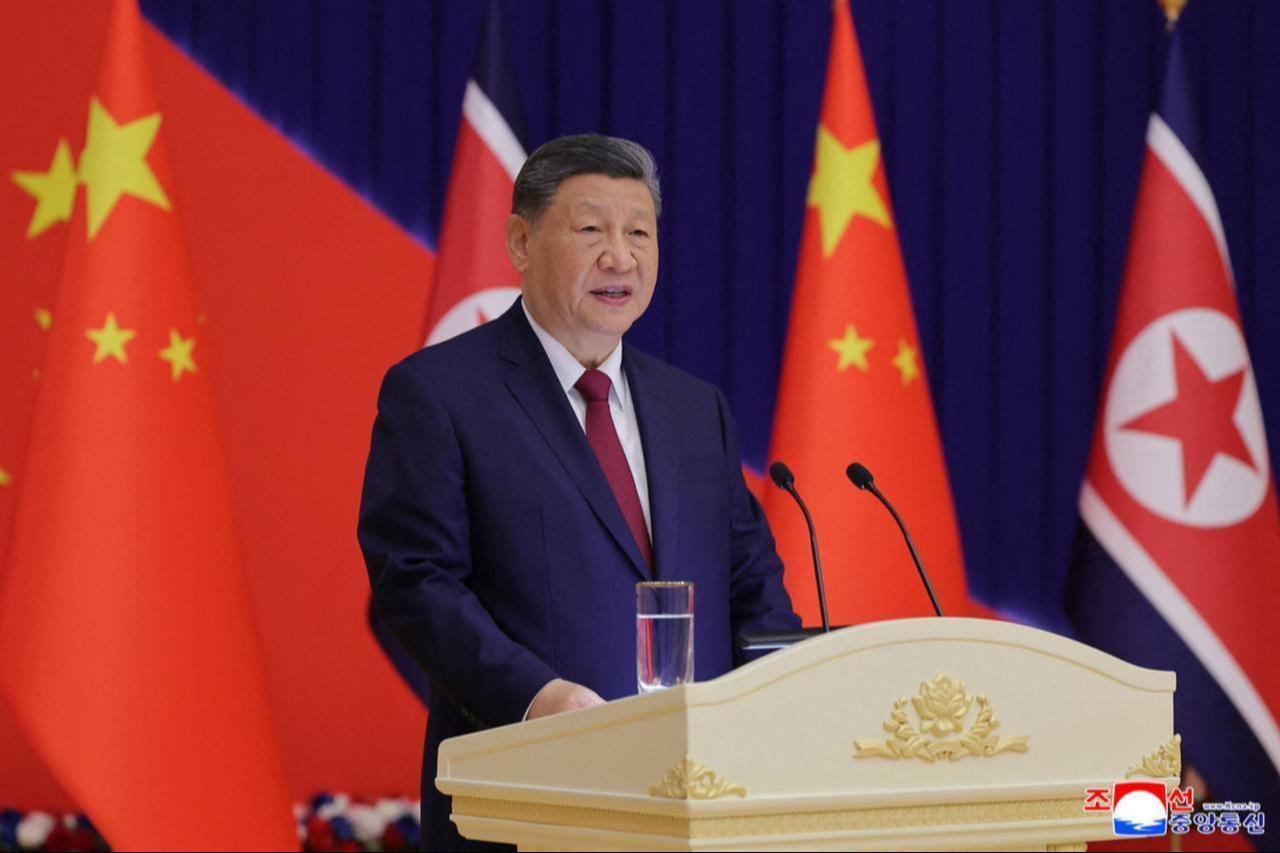
China also criticized NATO after the summit, calling on the alliance to discard what Beijing described as a "Cold War mentality" toward China.
"NATO is a regional alliance for defense with a clearly defined scope of mission and geographic boundaries. It needs to stop finding fault with China," Foreign Ministry spokeswoman Mao Ning told reporters in Beijing on Thursday.
Mao said China "is a force for world peace" and does not threaten anyone or challenge Euro-Atlantic security.
"NATO should discard the outdated Cold War mentality, address its perception of China, and stop hyping up the so-called China threat narratives," Mao said.
Rutte held a joint meeting with senior officials from NATO's four Asia-Pacific partners on the sidelines of the summit in Türkiye this week.
South Korean President Lee Jae Myung and Foreign Minister Cho Hyun, Japanese Foreign Minister Toshimitsu Motegi and Defense Minister Shinjiro Koizumi, Australian Defense Industry Minister Pat Conroy, and New Zealand Defense Minister Chris Penk attended NATO's Indo-Pacific Four meeting in Ankara on Tuesday.
Although they are not NATO members, South Korea, Australia, New Zealand and Japan have been invited to the alliance's annual summits as guests since 2022.


 Set as preferred source
 Set as preferred source


 1 min read
 1 min read