

 Newsletters


Thirty-one years after Bosnian Serb forces overran the U.N.-designated secure zone of Srebrenica on July 11, 1995, initiating a massacre later classified as genocide by global tribunals, the bodies of more than 1,000 victims have yet to be found.
On July 11, 1995, Bosnian Serb forces led by convicted war criminal Ratko Mladic overran the U.N.-declared "safe area" of Srebrenica during the final stages of the Bosnian War.
Following the town's capture, thousands of Bosniak (Bosnian Muslim) civilians sought refuge at the U.N. base in Potocari, expecting protection from Dutch peacekeepers serving under the U.N. mission. However, those who reached the base were later handed over to Bosnian Serb forces.
While women and children were allowed to pass into Bosniak-controlled territory, men and boys were systematically separated and executed in forests, warehouses, factories and other locations. At least 8,372 Bosniak men and boys were killed.
To conceal the crime, victims were buried in mass graves, many of which were later reopened with heavy machinery and the remains dispersed among secondary burial sites, making identification significantly more difficult.
Over the years, forensic teams have often recovered bones belonging to the same victim from multiple mass graves, prolonging the identification process.
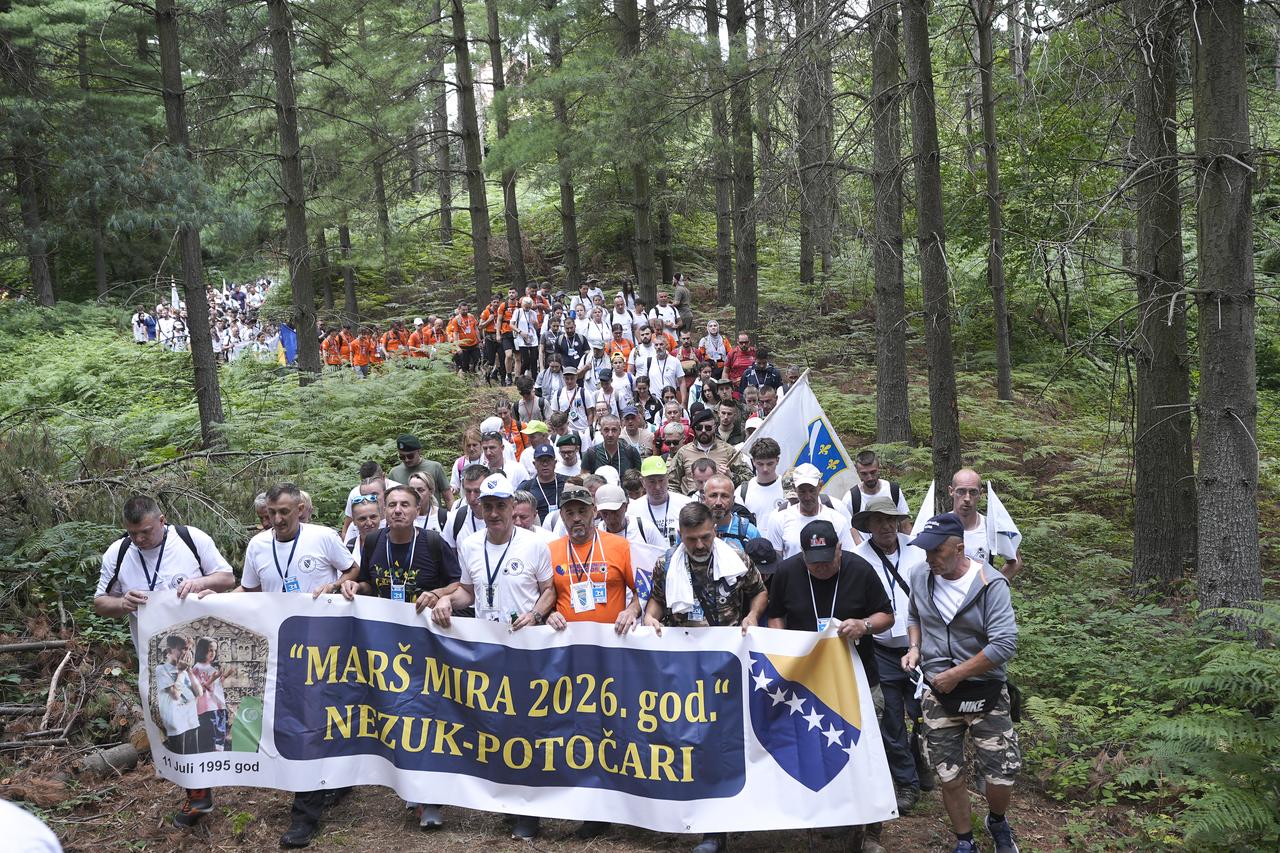

The Srebrenica massacre was extensively examined in postwar international judicial proceedings.
Based on evidence presented before the International Criminal Tribunal for the former Yugoslavia (ICTY), the International Court of Justice (ICJ) ruled in 2007 that the killings in and around Srebrenica constituted genocide under international law.
Several senior Bosnian Serb officials, including military commander Ratko Mladic and political leader Radovan Karadzic, were convicted and sentenced to life imprisonment for genocide and other war crimes.
The Srebrenica genocide remains the largest atrocity in Europe to be legally recognized as genocide since World War II.
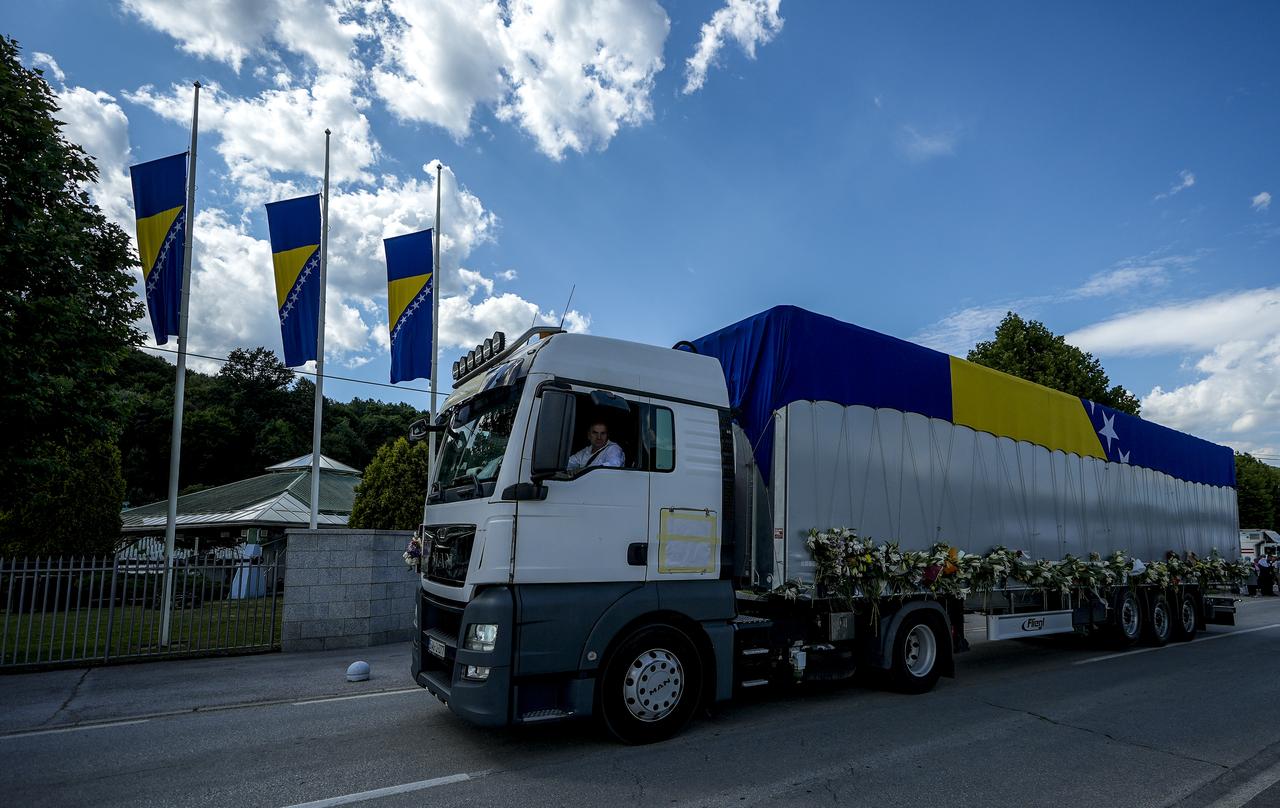
Following the end of the war, authorities launched extensive searches for missing persons throughout Bosnia and Herzegovina. To date, the remains of Srebrenica victims have been recovered from 150 locations, including 77 mass graves.
Recovered remains undergo DNA analysis and forensic examination before being identified and returned to their families. Identified victims are buried each year on July 11 during a collective funeral ceremony at the Potocari Memorial Cemetery.
So far, 6,772 genocide victims have been laid to rest at the memorial cemetery, while another 250 have been buried in local cemeteries at the request of their families.
Despite more than three decades of investigations, the remains of over 1,000 victims have yet to be found.
Newly identified victims continue to be buried each year, often with incomplete remains, following approval from their families. Some families, however, postpone burial in the hope that additional remains of their loved ones will be recovered in the future.
The annual commemoration at Potocari has become not only a funeral ceremony for newly identified victims but also a symbol of remembrance for a genocide committed before the eyes of the international community and a call to prevent similar atrocities from ever happening again.


 Set as preferred source
 Set as preferred source


 1 min read


 1 min read


