Newsletters


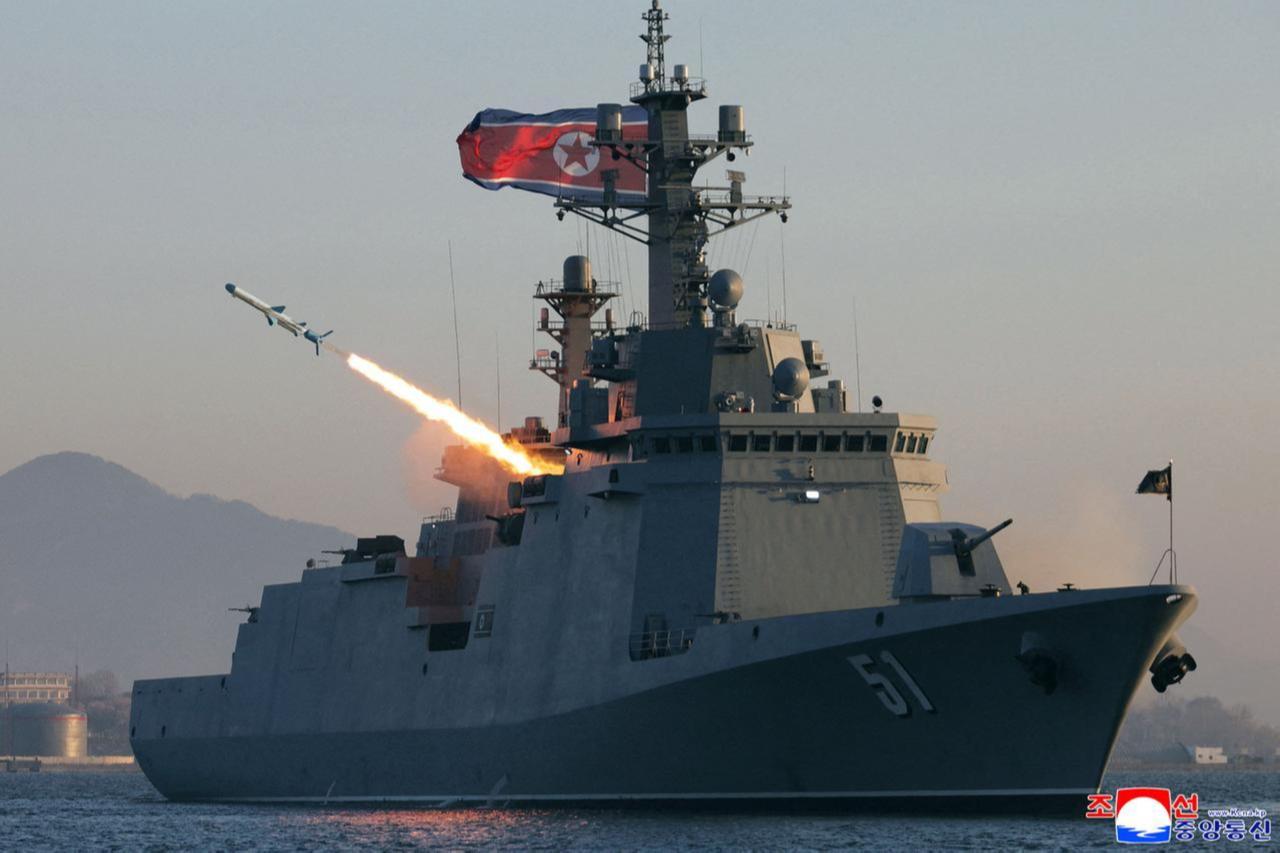


North Korea rejected a call by the U.S., Japan, Australia and India to abandon its nuclear weapons program, saying denuclearization “will never happen forever,” state media reported on Thursday.
The response came after foreign ministers from the Quad security grouping reiterated their commitment to North Korea’s denuclearization in a joint statement issued on Tuesday following talks in New Delhi.
The statement came after the head of the U.N. nuclear watchdog said North Korea was showing a “very serious increase” in its ability to produce nuclear weapons.
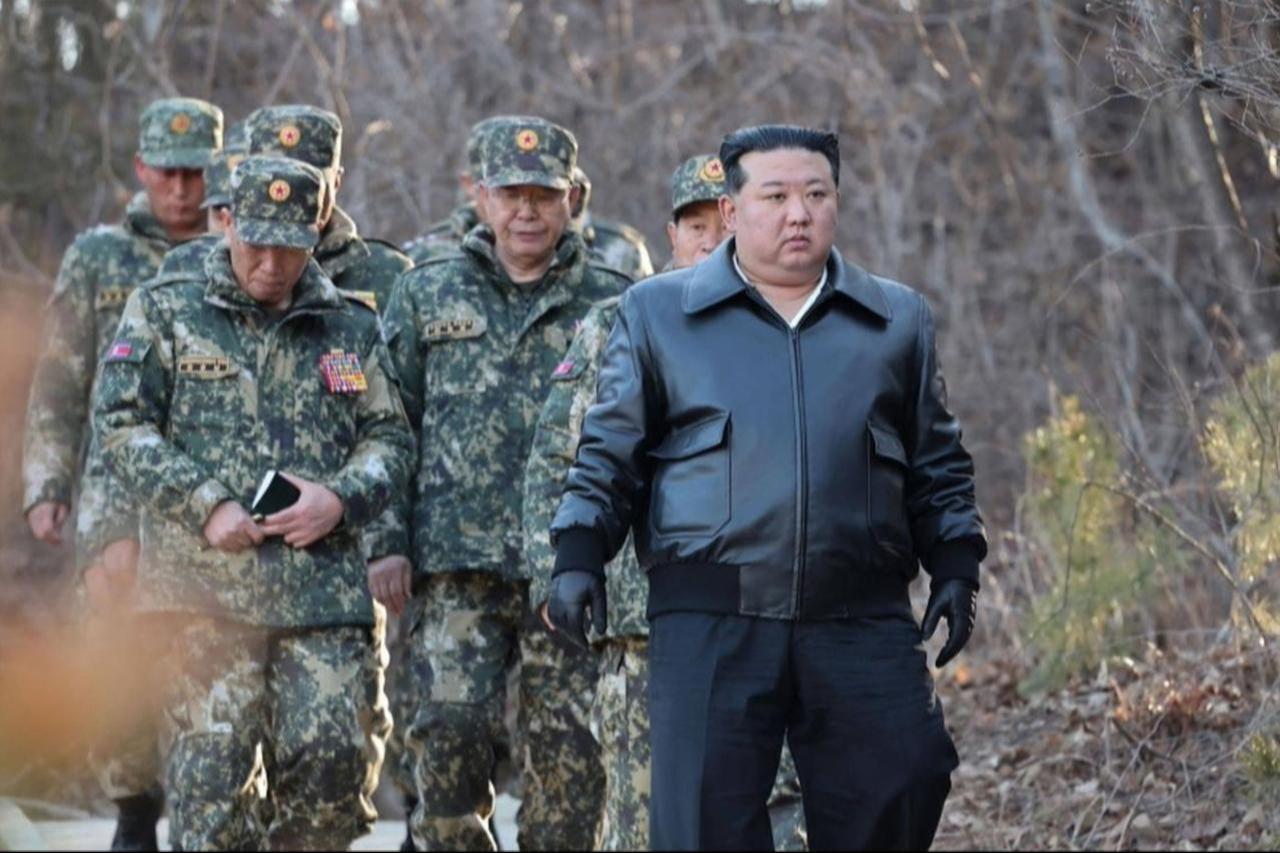

An unnamed spokesperson for North Korea’s Foreign Ministry said Pyongyang would not give up its nuclear weapons program, according to the state-run Korean Central News Agency.
“Quad is nothing but a political and diplomatic tool serving the U.S. strategy for unipolar domination,” the spokesperson said.
North Korea’s Foreign Ministry “resolutely” condemned what it called the Quad’s hostile position and urged the group to stop actions it said undermine regional peace and stability.
The ministry also said the Quad’s move to strengthen cooperation was aimed at “justifying Japan’s moves for rearmament and Australia’s possession of a nuclear submarine.”
The spokesperson said North Korea would continue defending its sovereignty and security interests and oppose what it called exclusive alliances and bloc confrontation in the region.
International Atomic Energy Agency Chief Rafael Grossi said on Wednesday in Seoul that North Korea was showing a “very serious increase” in its ability to produce nuclear weapons.
Grossi said the agency’s periodic assessments had confirmed a rapid increase in operations at key sites, including the Yongbyon reactor, reprocessing unit and light-water reactor.
“In our periodic assessments, we have been able to confirm that there’s a rapid increase in the operations of the Yongbyon reactor," Grossi said after meeting South Korean Foreign Minister Cho Hyun.
He said the agency had also observed increased activity at the Yongbyon’s reprocessing unit and light-water reactor, along with the activation of other facilities.
“All that points to a very serious increase in the capabilities of the DPRK in the area of nuclear weapons production, which is estimated at a few dozen warheads,” Grossi said, using North Korea’s official name, the Democratic People’s Republic of Korea.
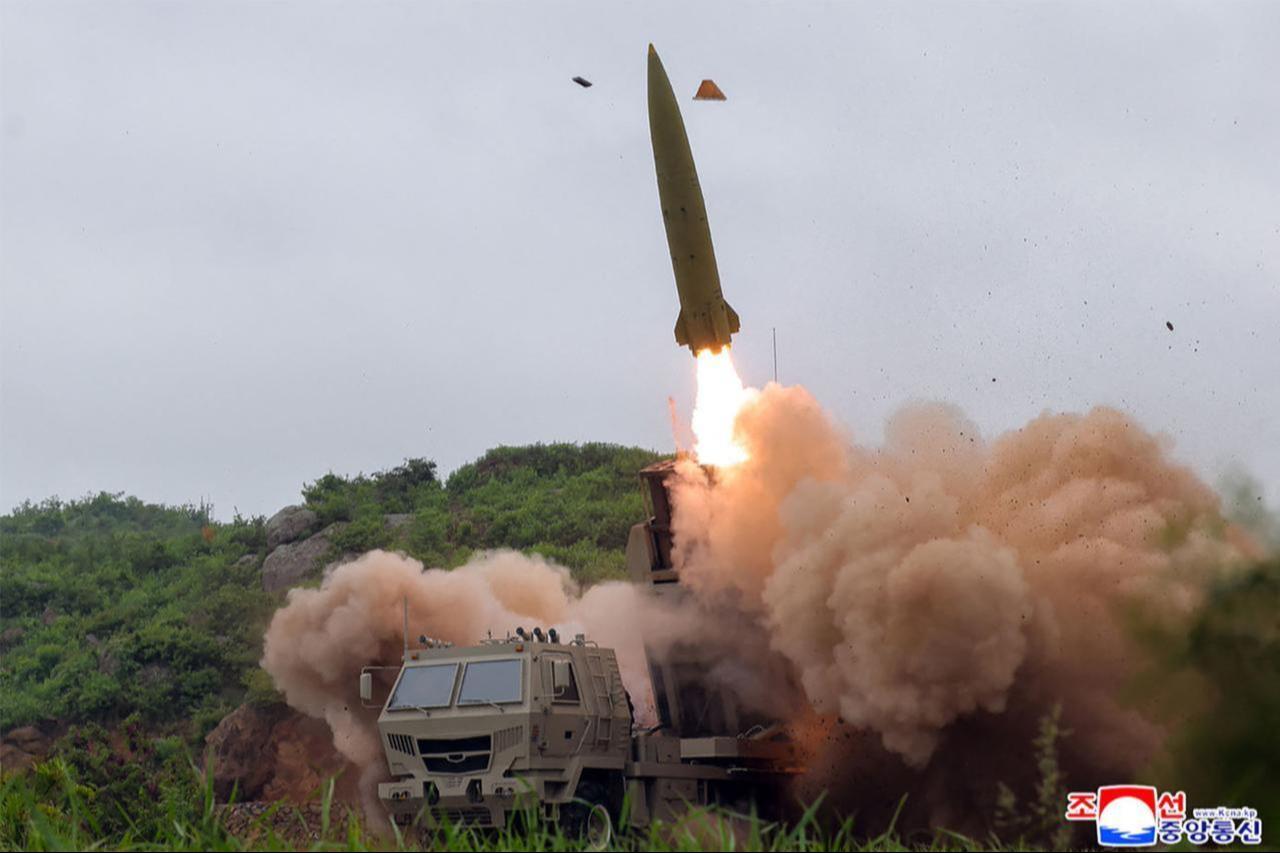
An official at South Korea’s Unification Ministry said North Korea has long viewed the Quad as the foundation for a possible Asian version of NATO and has repeatedly criticized the group.
According to Seoul, North Korea’s response this year also targeted Japan and Australia and appeared to defend China’s position.
The official said the latest statement differed from a similar response last year, which focused mainly on criticism of the U.S.


 Set as preferred source
 Set as preferred source


 1 min read
 1 min read