Newsletters


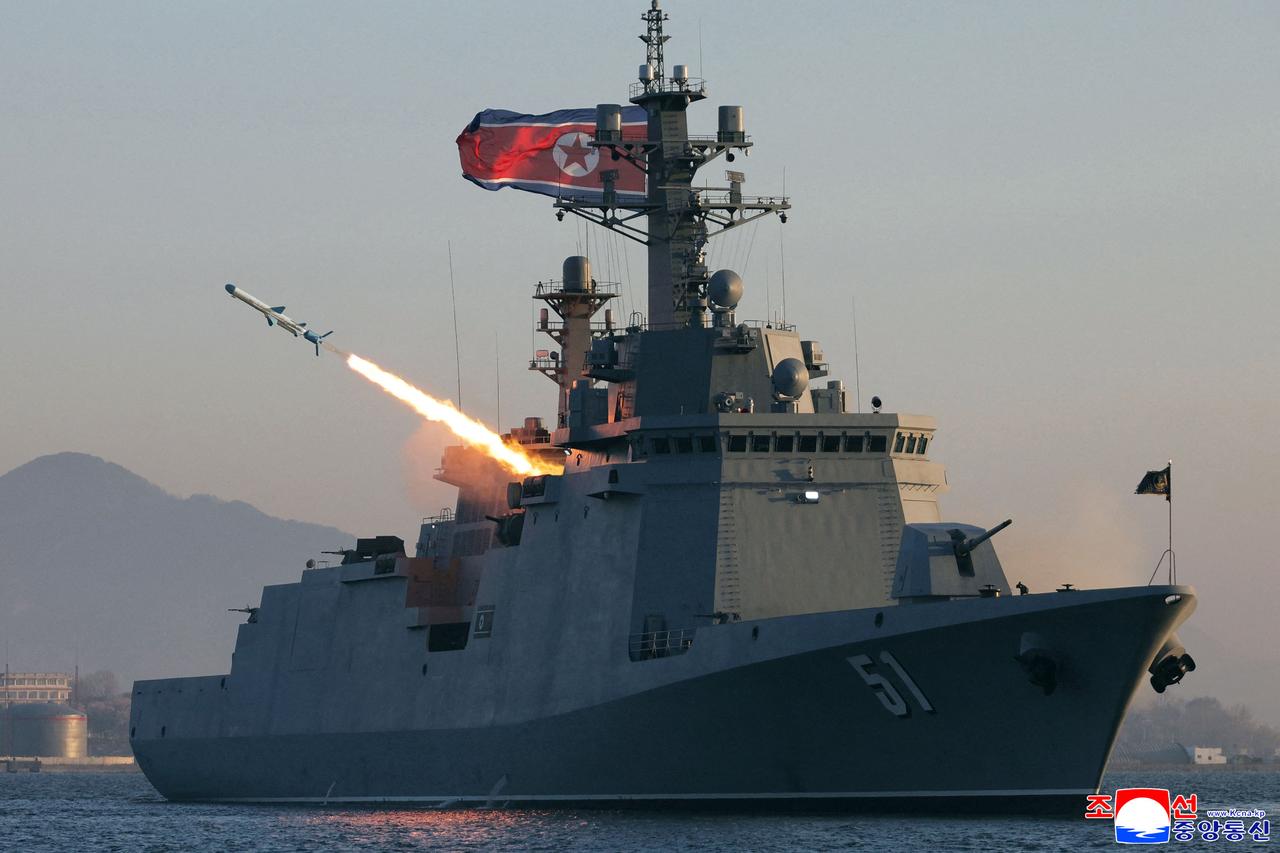


North Korea is showing a “very serious increase” in its ability to produce nuclear weapons, the head of the U.N. nuclear watchdog said Wednesday in Seoul, citing rising activity at key facilities including the Yongbyon reactor, reprocessing unit and light-water reactor.
International Atomic Energy Agency (IAEA) chief Rafael Grossi said the agency’s periodic assessments had confirmed a rapid increase in operations at Yongbyon and other sites.
“In our periodic assessments, we have been able to confirm that there’s a rapid increase in the operations” of the Yongbyon reactor, Grossi said after meeting South Korean Foreign Minister Cho Hyun.
He said the agency had also observed increased activity at Yongbyon’s reprocessing unit and light-water reactor, along with the activation of other facilities.
“All that points to a very serious increase in the capabilities of (the) DPRK in the area of nuclear weapons production, which is estimated at a few dozen warheads,” Grossi said, using North Korea’s official name, the Democratic People’s Republic of Korea.
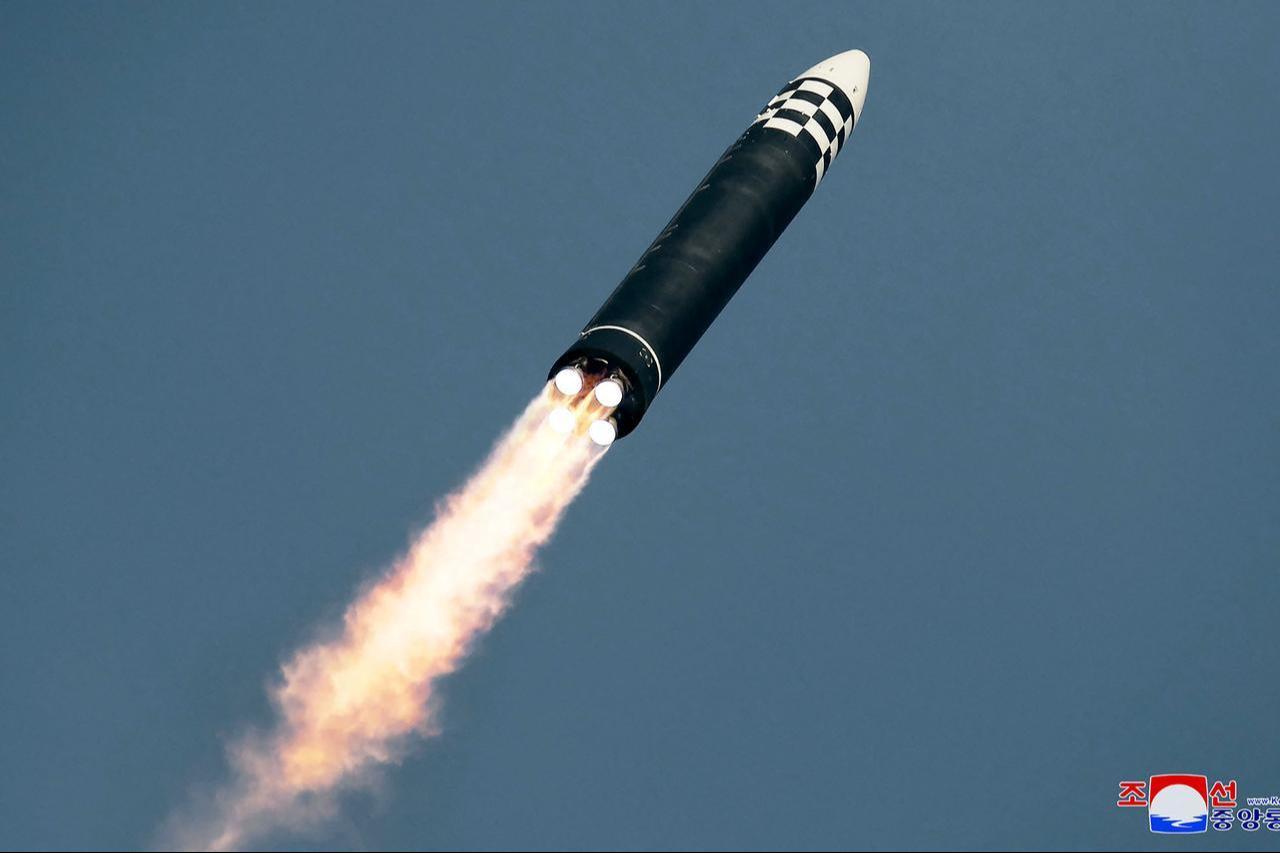

Grossi said the IAEA had seen signs of expanding operations at the Yongbyon nuclear site, which South Korea’s intelligence agency says includes a uranium enrichment facility.
North Korea is believed to operate multiple uranium enrichment sites, a key step in producing nuclear warheads.
That includes the Yongbyon facility, which Pyongyang had said it decommissioned after talks but later reactivated in 2021.
The IAEA has also noted construction of what Grossi described as “a new facility similar to the enrichment facility in Yongbyon.”
He said it was not easy to calculate the exact increase in production without access to the site.
However, he added, “We consider, looking at external features of the facility, that there will be significant increase in the enrichment capacity of the DPRK.”
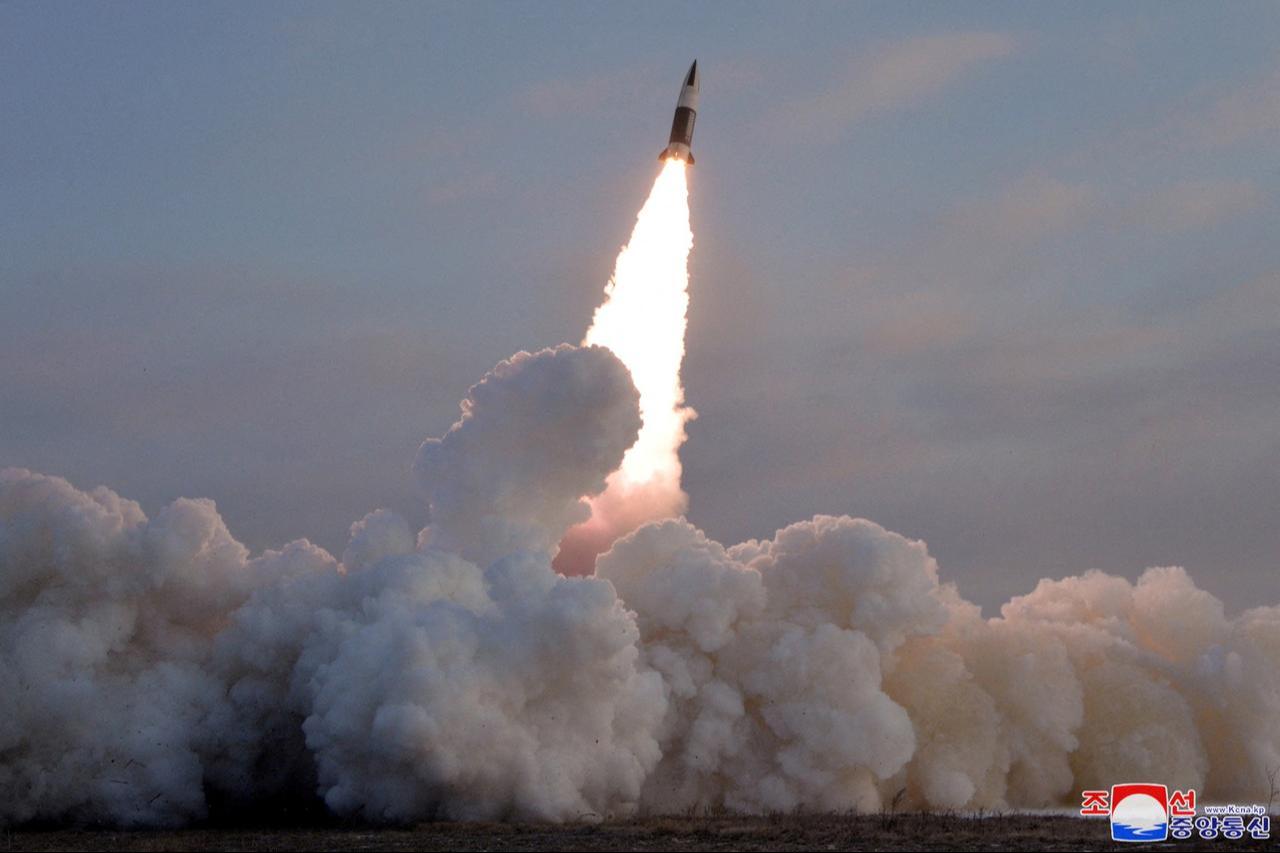
The Center for Strategic and International Studies said this week that North Korea appeared to have completed a building at Yongbyon that could be a new uranium enrichment plant.
Citing satellite imagery from April, the U.S.-based think tank said the building had generators, fuel storage tanks and cooling units.
Grossi’s comments came as the IAEA continued to monitor the North’s program from outside the country after inspectors were expelled.
 1 min read
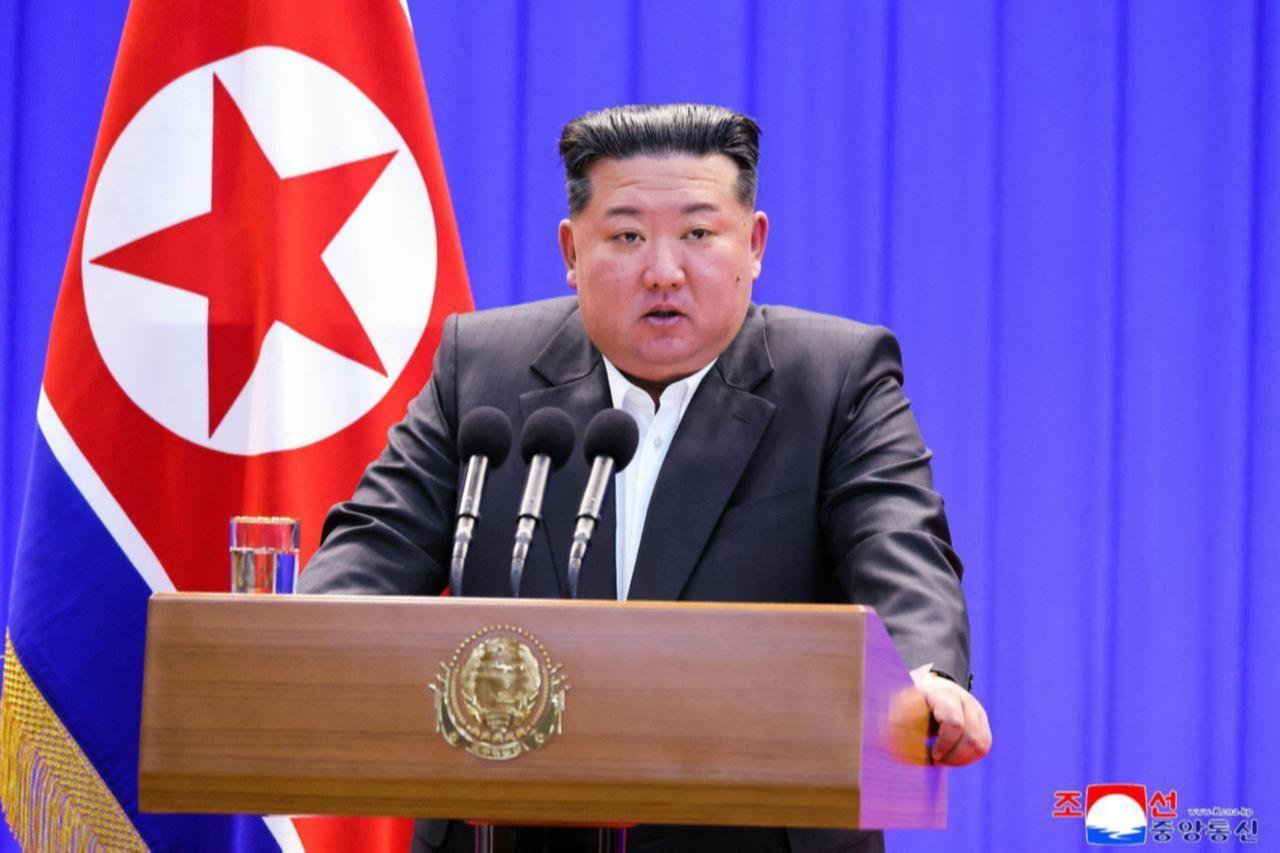
North Korea carried out its first nuclear test in 2006 and has since been placed under U.N. sanctions over its prohibited weapons programs.
It has declared that it will never give up its nuclear weapons and cut off access to IAEA inspectors in 2009.
Grossi told South Korea’s foreign minister that Pyongyang’s nuclear program remained “one of the IAEA’s key issues,” according to a statement later issued by the ministry.
Cho said Seoul was working to “end hostility and confrontation” with the North and pursue peaceful coexistence and shared growth on the peninsula.
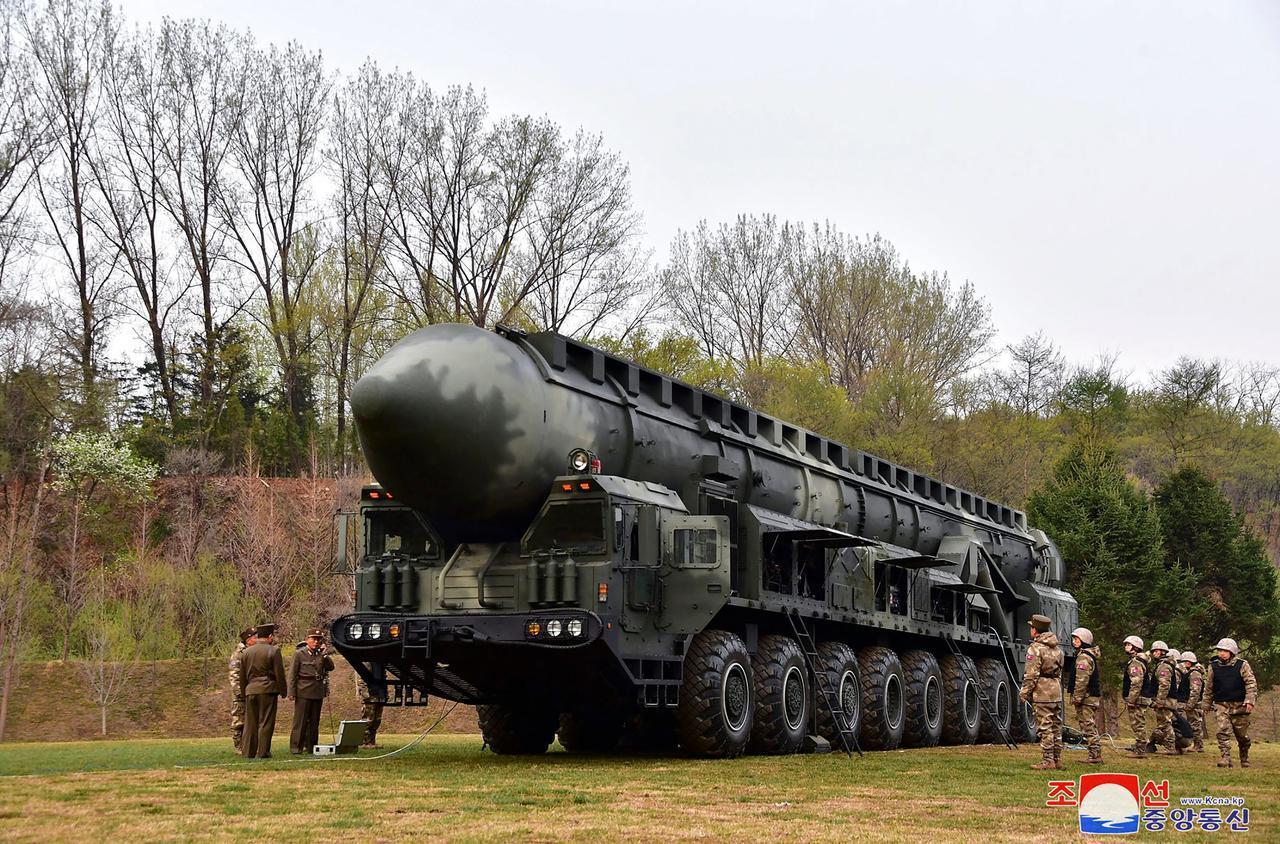
Asked whether Russia was assisting North Korea’s nuclear development, Grossi said the IAEA had not seen “anything in particular in that regard.”
He said the agency hoped any such cooperation, if it existed, would be civilian in nature, but added that it was “too early days to judge.”
North Korea has sent ground troops and artillery shells to support Russia’s invasion of Ukraine, while observers say Pyongyang is receiving military technology assistance from Moscow in return.
Separately on Wednesday, top naval commanders from South Korea, the United States and Japan met in Seoul for maritime security talks aimed at deterring North Korea’s growing nuclear and missile threats, according to Seoul’s navy.


 Set as preferred source
 Set as preferred source



 1 min read