Newsletters


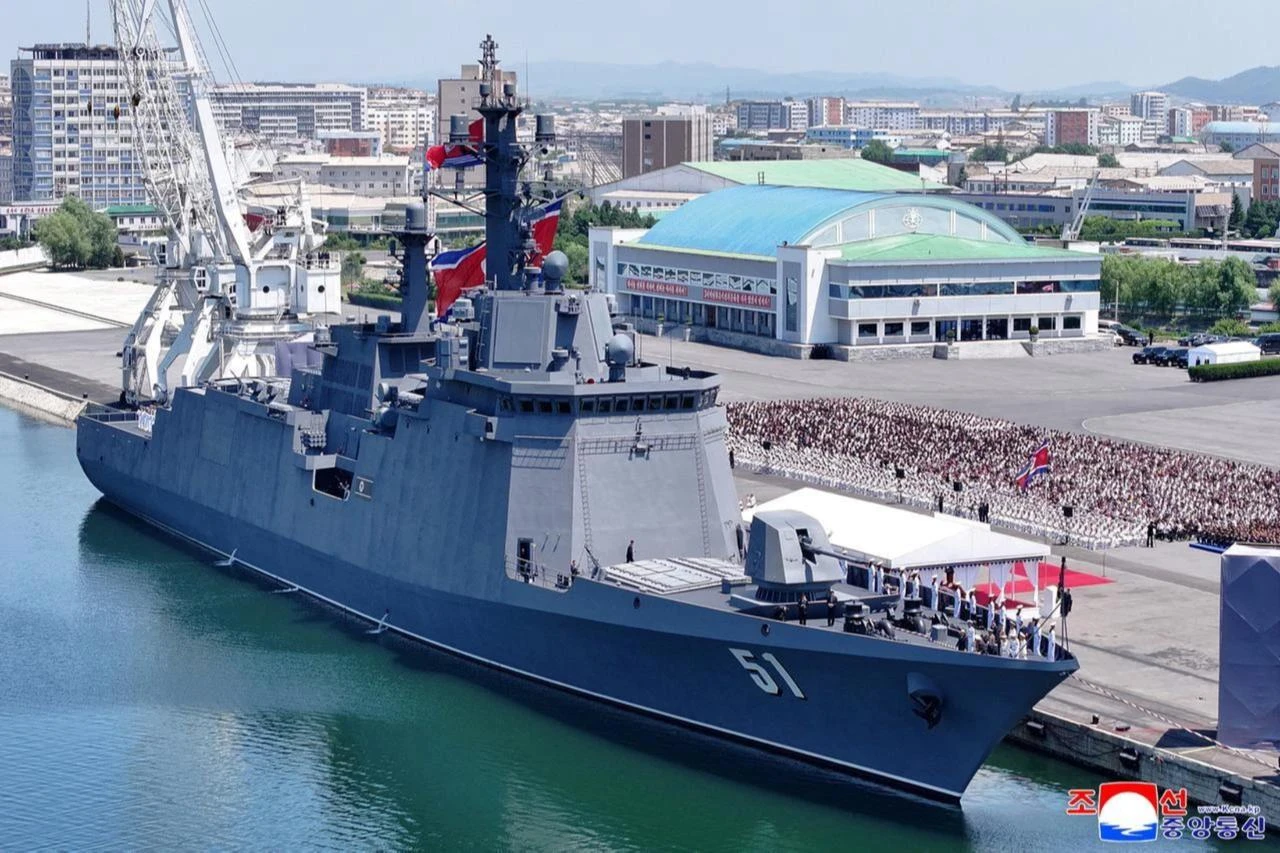


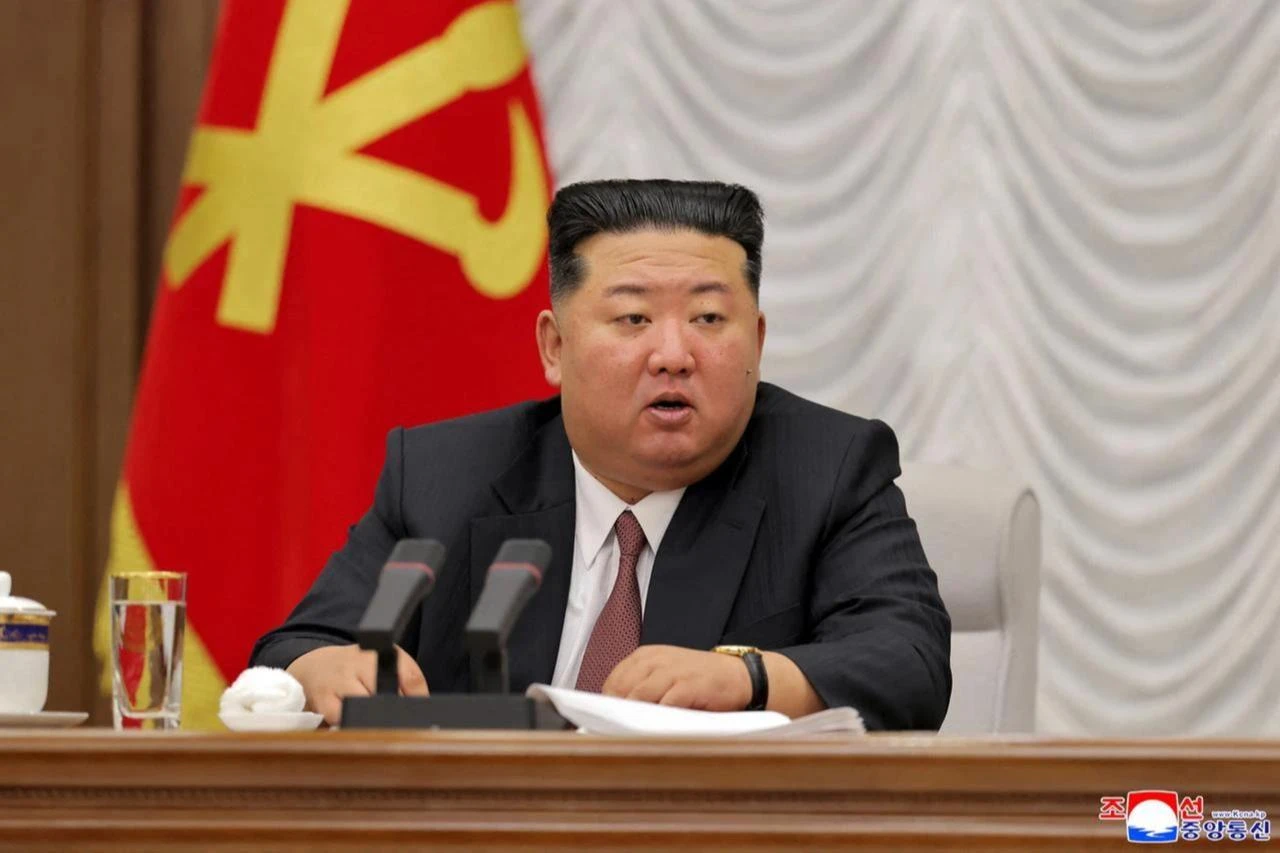
North Korea’s economy grew more than 3% for a third consecutive year in 2025, supported by expanding economic and military cooperation with Russia, South Korea’s central bank estimated Friday.
North Korea’s real gross domestic product increased 3.5% to 38.26 trillion won, or $26.6 billion, last year, according to the Bank of Korea.
The central bank has published annual estimates of the North Korean economy since 1991 using intelligence and trade data because Pyongyang does not release official statistics.

“The expansion of economic cooperation with Russia was a major driver of North Korea’s growth last year,” a Bank of Korea official told AFP.
Pyongyang has strengthened its economic and military relationship with Moscow, supplying troops and munitions for Russia’s war in Ukraine in exchange for financial support, food, energy and military technology, analysts said.
Higher weapons exports to Russia boosted related manufacturing, while more Russian tourists and expanded transport links supported construction and services, the official added.
More than 7,000 North Korean troops were killed or wounded while fighting alongside Russian forces in the Kursk region during the 2024-2025 campaign, The Kyiv Independent reported, citing Ukraine’s military intelligence agency.
North Korea’s exports increased 30% to $470 million in 2025, the Bank of Korea said.
The increase was driven by prepared feathers and wigs, as well as unspecified toys and sporting goods.
The central bank official said North Korea’s gross national income also benefited from a sharp rise in foreign currency earnings linked to the deployment of troops to Russia.
Gross national income, which measures the total income earned by a country’s residents, rose 9.4% to 48.5 trillion won, or $33.8 billion, last year.
That amounted to less than 2% of South Korea’s gross national income, according to the report.
The Bank of Korea released its estimate as Ukrainian rights group Truth Hounds said Russia and North Korea were close to completing their first road bridge, citing its own investigation.
The bridge could become “a direct artery for moving North Korean troops, construction brigades and military officials into Russia, with Russian technology and resources flowing in the opposite direction,” the group said.


 Set as preferred source
 Set as preferred source


 1 min read
 1 min read