Newsletters


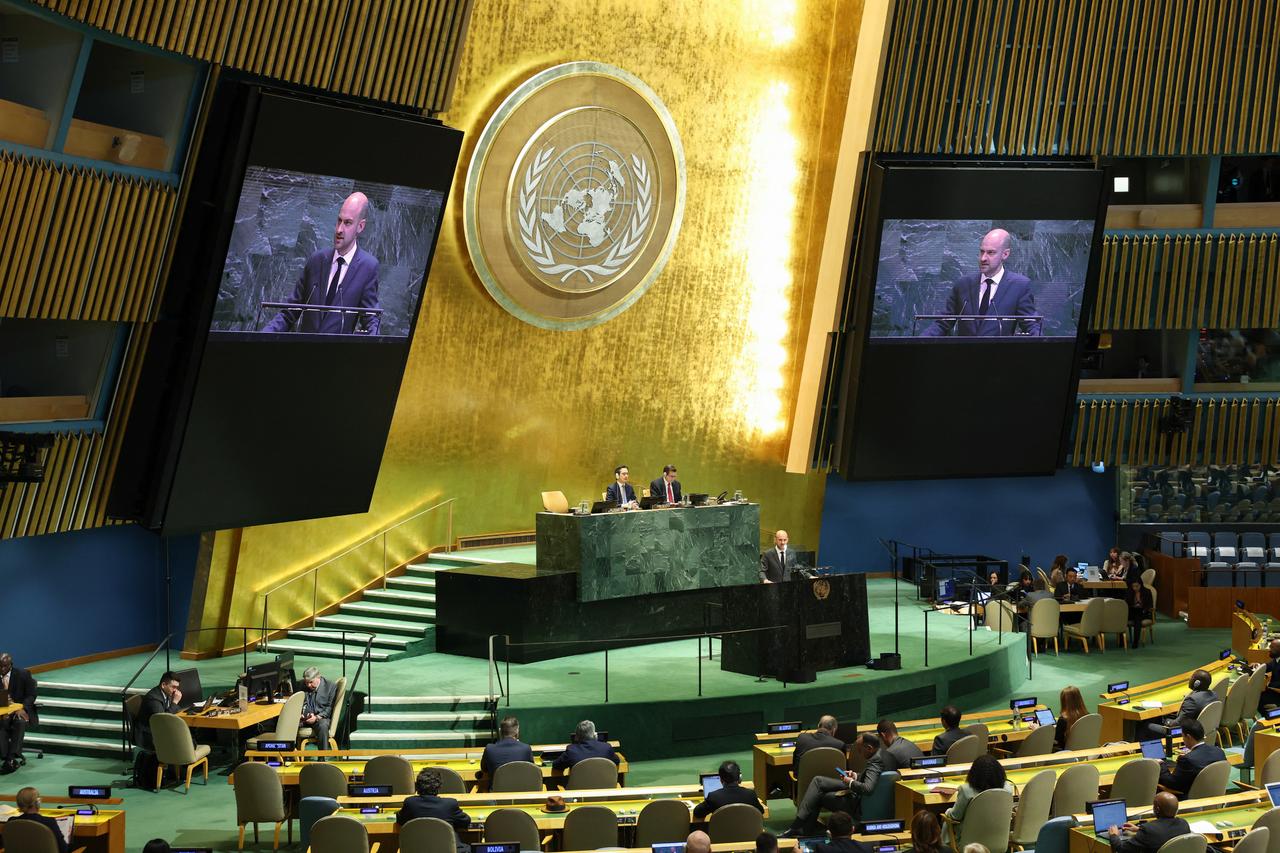


World powers gathered at United Nations headquarters Monday for a fresh review of the landmark Nuclear Non-Proliferation Treaty (NPT), with tensions over atomic arsenals running higher than they have in decades and little consensus in sight.
UN Secretary-General Antonio Guterres used the opening session to sound the alarm over the treaty's fraying authority. "For too long, the treaty has been eroding," he said. "Commitments remain unfulfilled. Trust and credibility are wearing thin.
The drivers of proliferation are accelerating." His warning echoed remarks he made during the 2022 NPT review conference, when he cautioned that humanity was "one misunderstanding, one miscalculation away from nuclear annihilation."
France's Foreign Minister Jean-Noel Barrot struck a similarly dire note, telling delegates that "never has the risk of nuclear proliferation been so high," singling out Iran and North Korea as posing threats intolerable to every signatory state.
The conference president, Vietnam's UN Ambassador Do Hung Viet, urged realism about what the four-week summit can deliver. While acknowledging that the gathering cannot resolve underlying geopolitical tensions, he said "a balanced outcome that reaffirms core commitments and sets out practical steps forward would strengthen the integrity of the NPT." He added that "the prospects of a new nuclear arms race are looming over us."

The NPT, which has been signed by nearly every country on earth, aims to halt the spread of nuclear weapons, promote disarmament, and foster civilian nuclear cooperation. Notable non-signatories include India, Pakistan, and Israel, all of which possess nuclear weapons. North Korea withdrew from the treaty in 2003.
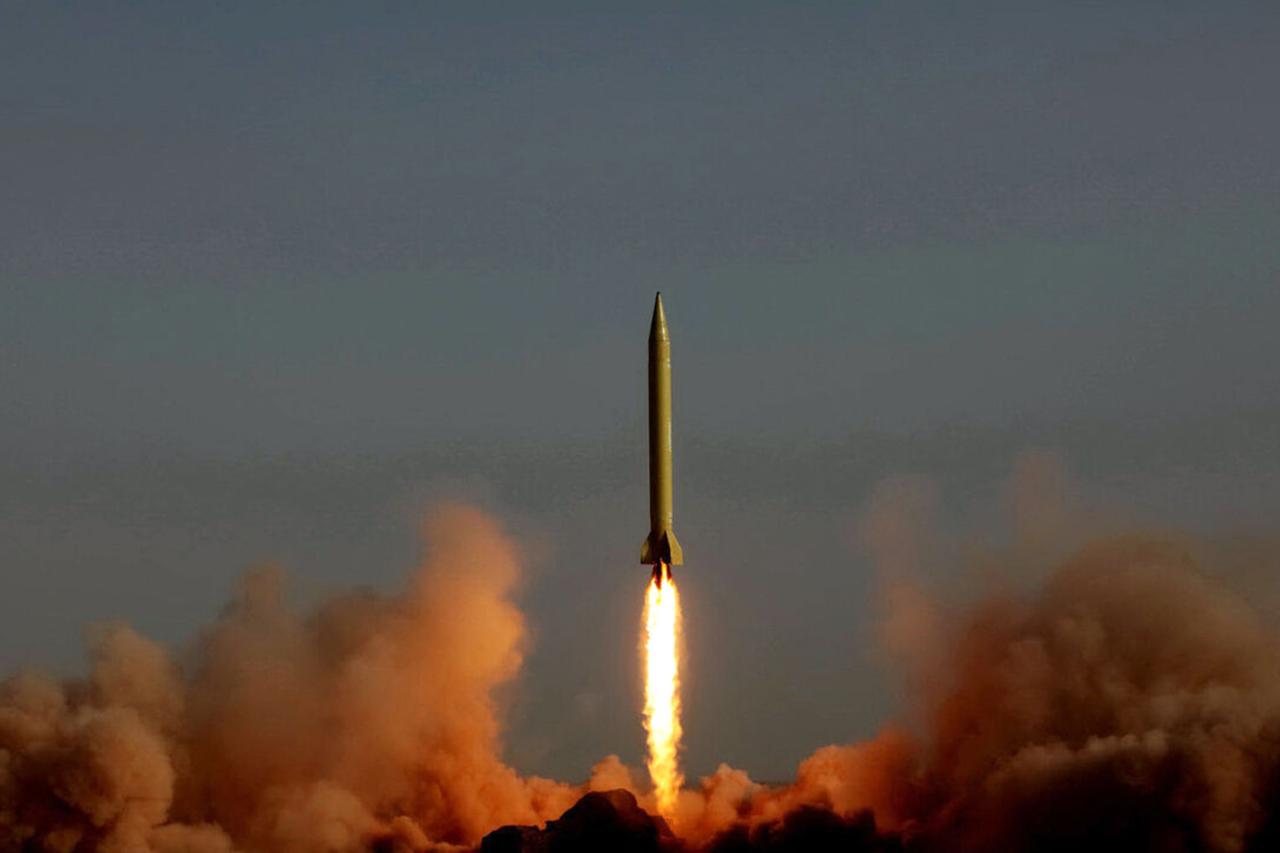
According to the Stockholm International Peace Research Institute, the nine nuclear-armed states collectively held 12,241 warheads as of January 2025. The United States and Russia together account for nearly 90 percent of that total, and both have undertaken major modernization programs in recent years. China has also rapidly expanded its stockpile, prompting the G7 to raise the alarm Friday over the nuclear buildups by Moscow and Beijing.
The picture has grown more complicated in recent months. US President Donald Trump has signaled his intention to resume nuclear testing, accusing other states of conducting clandestine tests. In March, French President Emmanuel Macron announced a significant shift in deterrence doctrine, including a planned increase to France's arsenal of 290 warheads.
The NPT review process has a troubled recent history. Decisions require full consensus, and the two preceding review conferences, in 2015 and 2022, both failed to produce final political declarations.
The 2015 deadlock centered on US opposition to establishing a nuclear-weapon-free zone in the Middle East, while the 2022 impasse was driven largely by Russian objections to language referencing Ukraine's Zaporizhzhia nuclear power plant, which Moscow's forces had occupied.
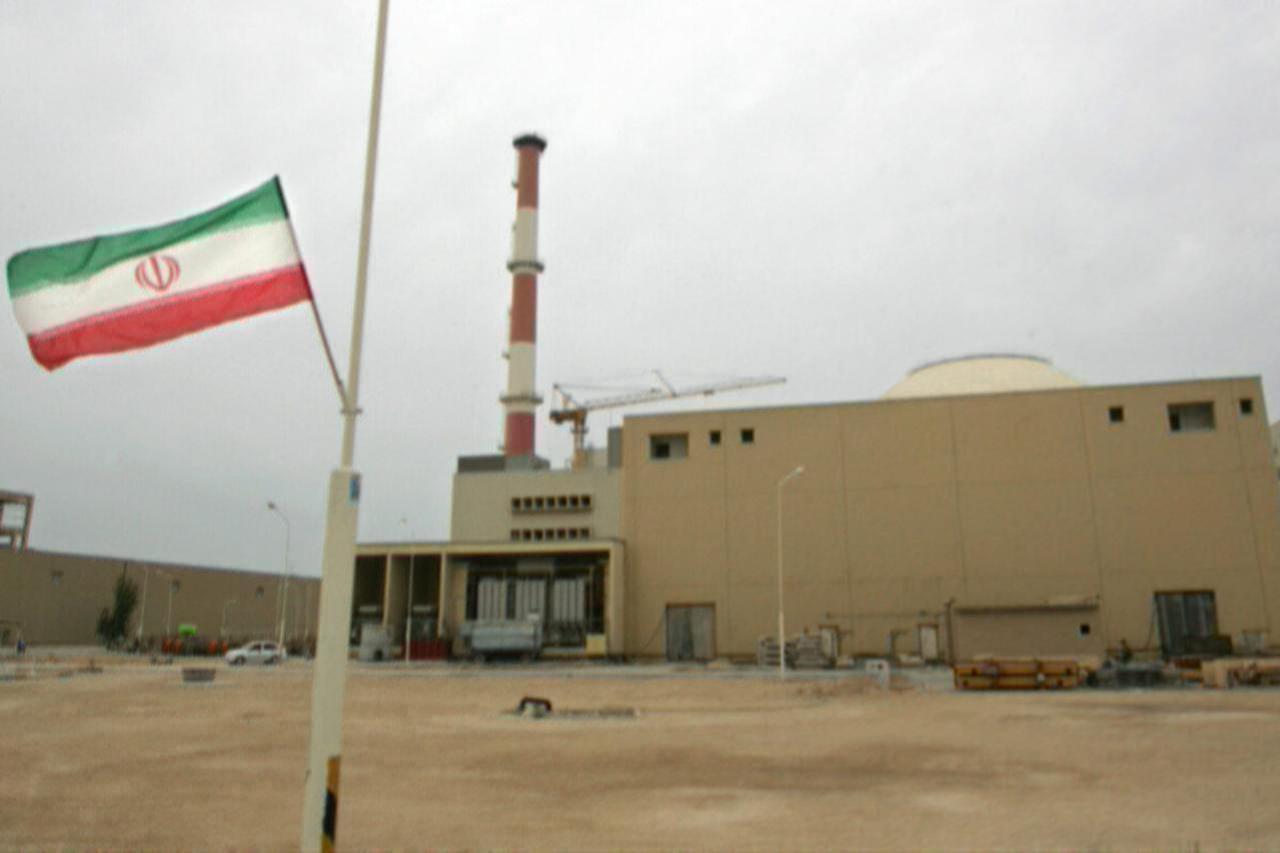
This year's conference faces an equally formidable list of potential deal-breakers, including the war in Ukraine, Iran's nuclear program, and North Korea's growing arsenal.
Iran's appointment as a conference vice president drew immediate criticism from the United States, Britain, the UAE, and Australia. Washington's envoy called the role an "affront" to countries that take the treaty seriously.
Seth Shelden of the International Campaign to Abolish Nuclear Weapons, a Nobel Peace Prize-winning organization, told AFP that "trust is eroding, both inside and outside the NPT," and expressed skepticism about the summit's likely outcome.
Beyond the familiar fault lines, the conference is expected to grapple with a newer challenge, namely the role of artificial intelligence in nuclear command and control. A number of delegations are pushing for explicit commitments ensuring that human beings retain decision-making authority over nuclear weapons, a question that has gained urgency as AI capabilities advance rapidly across military domains.


 Set as preferred source
 Set as preferred source


 2 min read
 1 min read