Newsletters




In the 2010s, the Obama administration had a specific problem: for-profit schools like the University of Phoenix were enrolling low-income students, loading them with debt, and handing them credentials that employers did not value. Its answer was a debt-to-earnings test, known as Gainful Employment. If a program's graduates could not earn enough to repay what they borrowed, the program lost access to federal student loans.
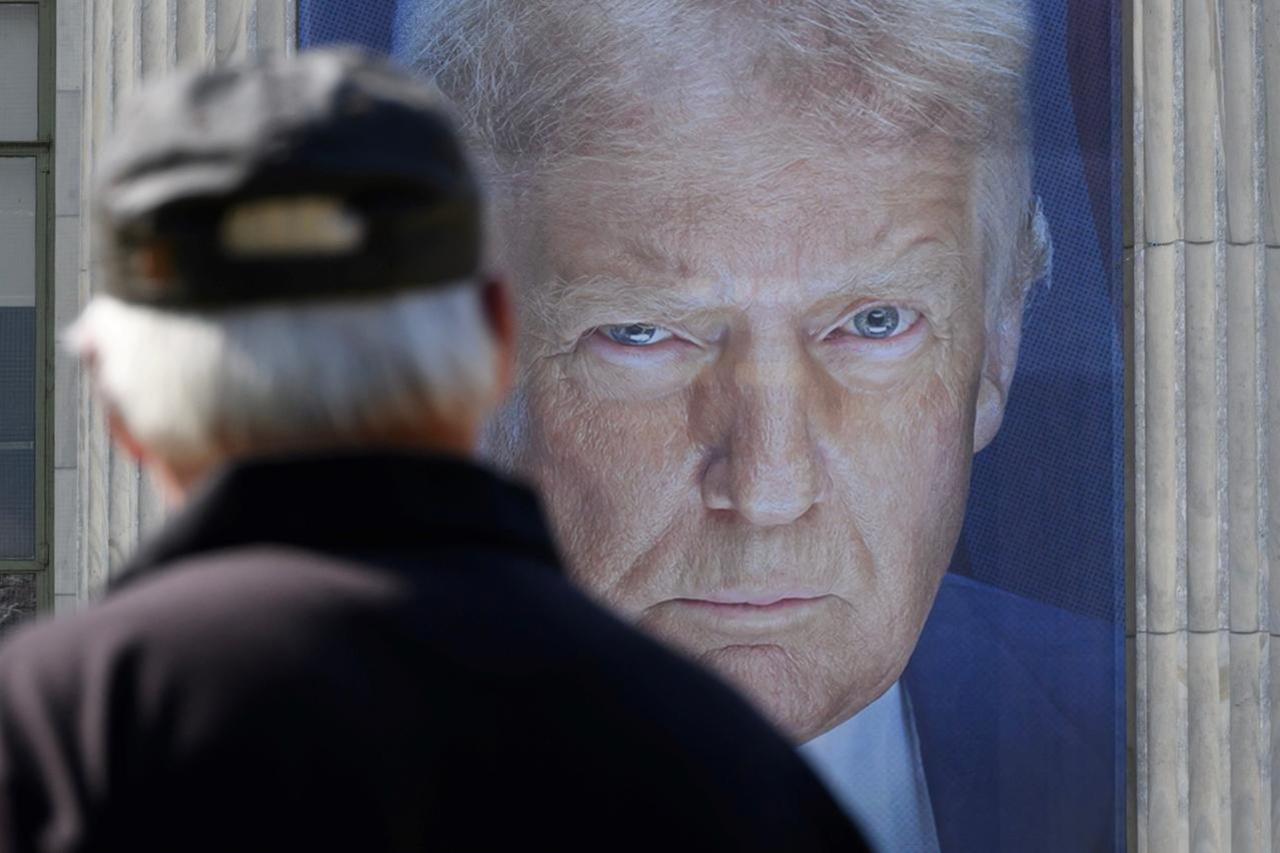
Ironically, a framework originally built in sync with universities to function as a market finance tool is now being weaponized in a whole new chapter of the power struggle, this time by President Trump, to undercut liberal ideology in the higher-ed establishment.
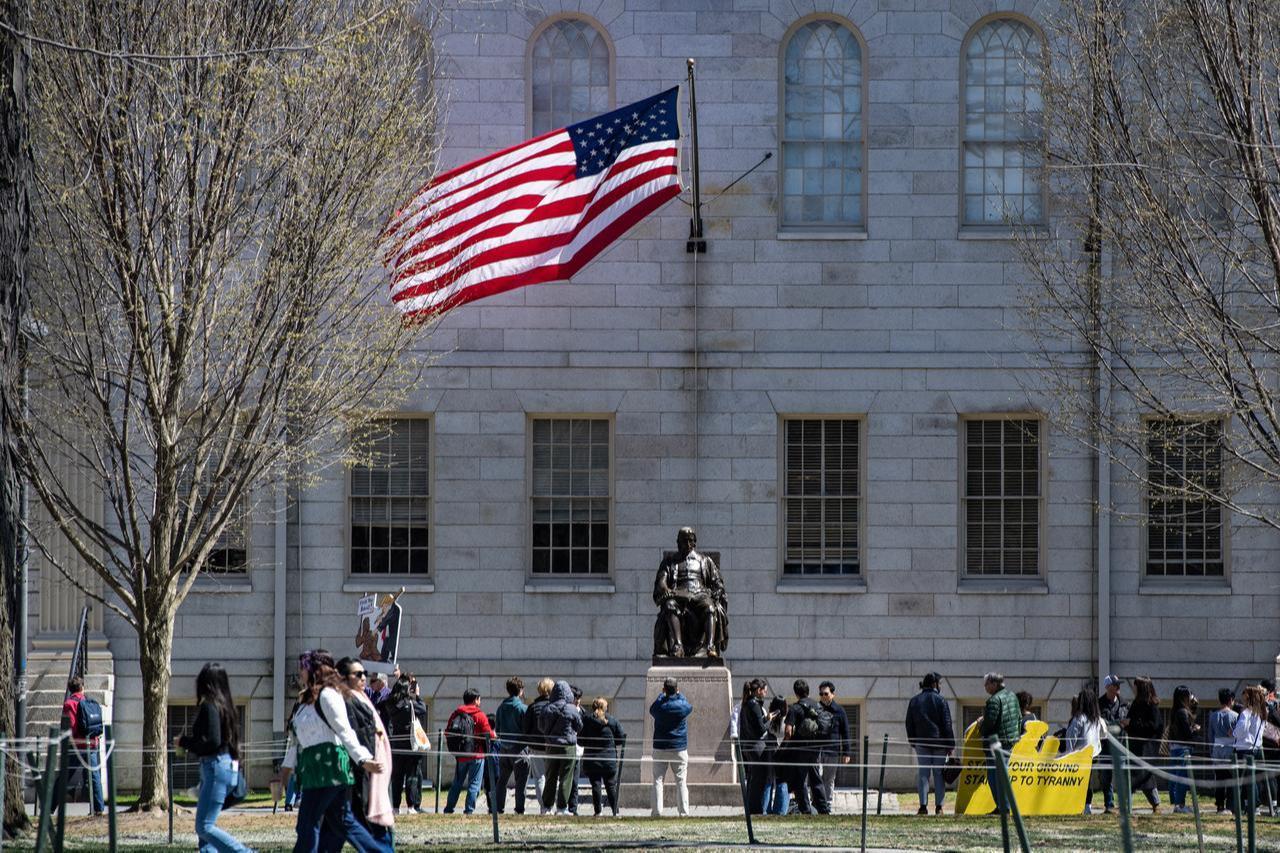
Colleges are officially on notice. Per the Los Angeles Times, the Department of Education has just finalized a new rule requiring universities to prove their degrees deliver real financial ROI before students can borrow money for them. The programs at risk are no longer just trade schools. Degrees in social work, music, fine arts, and religious studies are exposed because their graduates' early earnings fall below state baselines.
The rule lands amid a long contest over who controls American higher education. Republicans, who view the academy as a liberal establishment run on taxpayer money, have spent years looking for a way to change it from outside. A Democratic accountability tool is now the Trojan horse, rolled in under a consumer-protection label.

Washington has steered the academy many times before. After the Soviets launched Sputnik in 1957, Eisenhower and a Democratic Congress passed the National Defense Education Act in 1958. Federal money went to STEM and defense-related foreign languages, and philosophy, classical literature, and the arts went to the back of the line. Universities became the training arm of the Cold War.
Democrats later built their own influence inside them. Title IX compliance and DEI budgets, along with federal research grants, pushed universities to build large administrative staffs, which consolidated a progressive establishment.
Sociologist Neil Gross adds a mechanism, self-selection, in "Why Are Professors Liberal and Why Do Conservatives Care?" Conservative-leaning young people tend to head for finance and engineering, where the market pays. Those drawn to inequality and public goods tend to head for sociology and history.
Conservatives concluded that hiring their way into faculties was close to hopeless, so they built around them. They funded think tanks from Heritage to AEI and from Claremont to the Manhattan Institute. They also funded autonomous campus centers, such as Princeton's James Madison Program and Arizona State's School of Civic and Economic Thought and Leadership.
Recently, Florida and Texas wrote post-tenure reviews into law, and legislatures banned DEI budgets. Florida also replaced New College's leadership with conservative appointees, and the campus changed character overnight.
Financial pressure was another lever. After the protests that followed Oct. 7, donors including Marc Rowan cut Ivy League funding and pressed university presidents to resign.
The loan rule is the latest piece of that battle story. As direct funding cuts and tax threats run into budget and statutory walls, meddling with the nest requires more cleverness. An earnings test works through the loan system itself, drying up the main source of revenue for departments that cannot be closed outright. The horse only has to be let through the gate.
Behind the fiscal logic is an older idea. Max Weber and the Frankfurt School called it instrumental reason: problems are technical puzzles to optimize, and argument is noise. Engineering asks how to build, produce, and optimize. The humanities and social sciences ask why we are building, for whom, and who benefits. Power finds the second set of questions uncomfortable.
Two precedents show where that preference has led before. Let it not be misunderstood: Nazi Germany celebrated V2 rocket engineers and highway builders as symbols of national prowess, while it closed sociology institutes or converted them into race-science propaganda centers.
After 1973, Pinochet's junta closed or neutralized sociology, philosophy, and journalism programs and handed economic management to the Chicago Boys, free-market economists trained at the University of Chicago. In both cases, the technician who did the job without questions was the model citizen.
The class effect is nearer to hand. Cutting loans does not eliminate the humanities; it makes them a luxury good. Children of wealthy families can still study in the few music or religion programs left without borrowing, while working-class and middle-class students are funneled toward engineering and finance. That leaves a workforce trained to run the machine and priced out of the disciplines that examine it.
Ted Mitchell, president of the American Council on Education, says penalizing low-earning majors drains public callings. "We need social workers," he says, pointing to the fentanyl epidemic and homelessness.
Stanford historian Jonathan Gienapp argues that four years of earnings cannot measure what a liberal arts degree delivers. From the right, Gregory Baylor of the Alliance Defending Freedom objects that the government should not penalize people for pursuing social and spiritual vocations because the market pays them little.
This policy does not have to ban books or lock classroom doors by fiat; it just cuts the financial water lines. Once the market becomes our only arbiter of value, the fundamental questions of human meaning are discarded as economic drag.


 Set as preferred source
 Set as preferred source


 1 min read