

 Newsletters


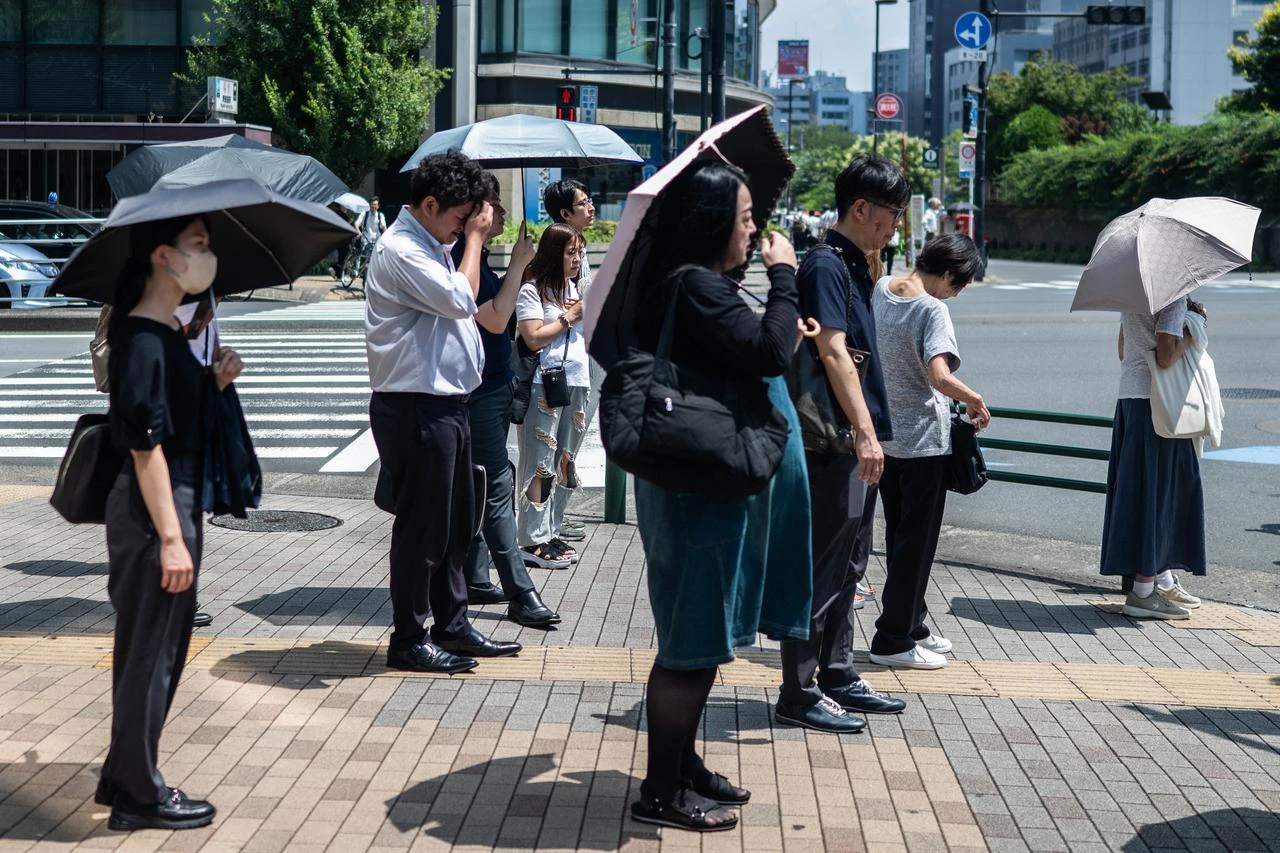


Emergency services said Wednesday marked Tokyo's highest daily total of heat-related hospitalizations since records began in 2010, as a severe heatwave gripped Japan, leaving one person dead and four others in critical condition.
The Tokyo Fire Department said 453 people were taken to hospital on Wednesday, the highest daily count since records began in 2010. The number of times emergency services were deployed that day also hit a 63-year high.
"We are urging people to stay hydrated and use air conditioners," a fire brigade spokesman stated on Thursday. "It seems like the number (of patients) rose as the temperature rose. It seems like yesterday (Wednesday) and the day before yesterday, we really saw notable increases," the spokesman said.
He said that one person had died, with four others in a critical condition and 18 in a serious state in Tokyo prefecture, home to around 14 million people. In the entire central region of Aichi, which includes Nagoya, 116 people were taken to hospital on Wednesday for heat-related conditions, officials said.
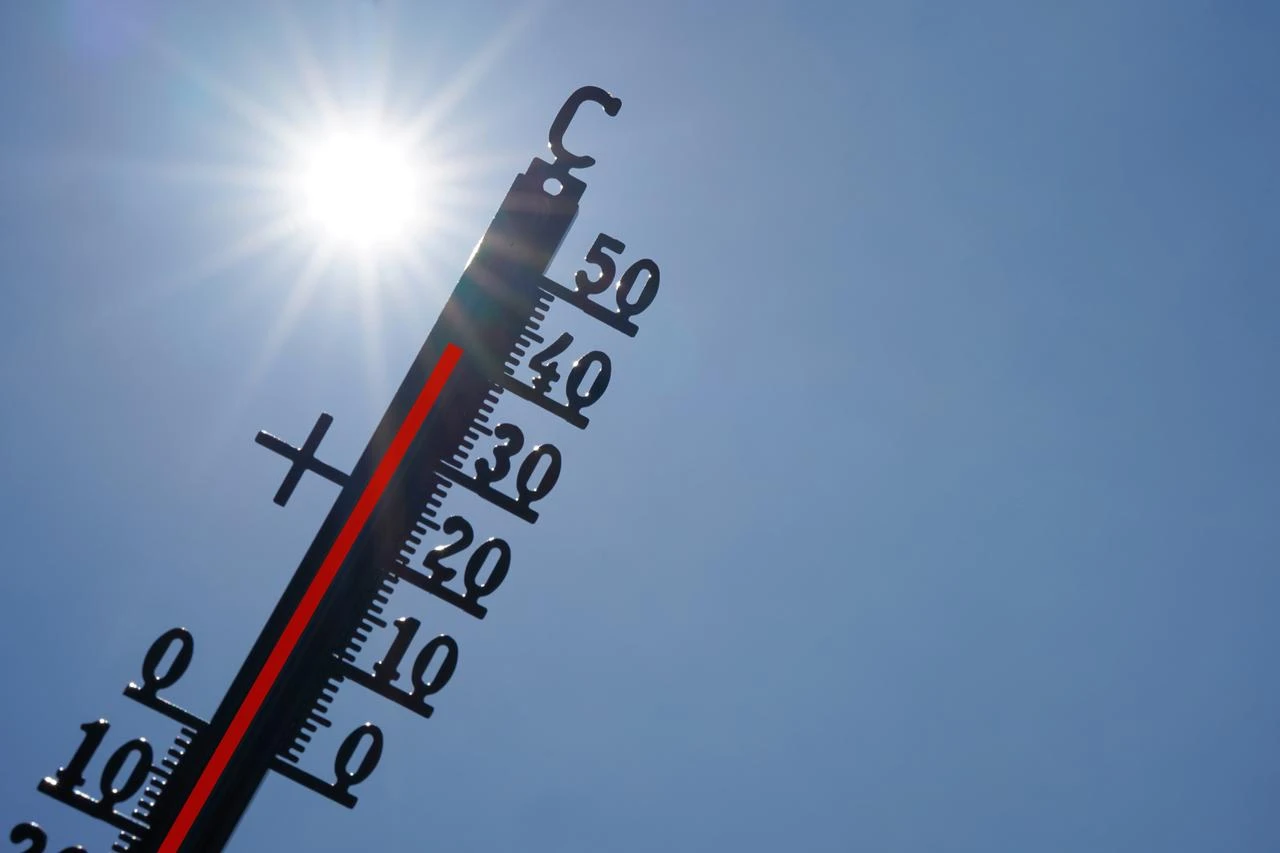
The same day, four locations, one in the Mie region, two in Gifu and one in Shizuoka, saw temperatures above 40 degrees Celsius (104 degrees Fahrenheit), according to the Japan Meteorological Agency (JMA), the country's weather authority.
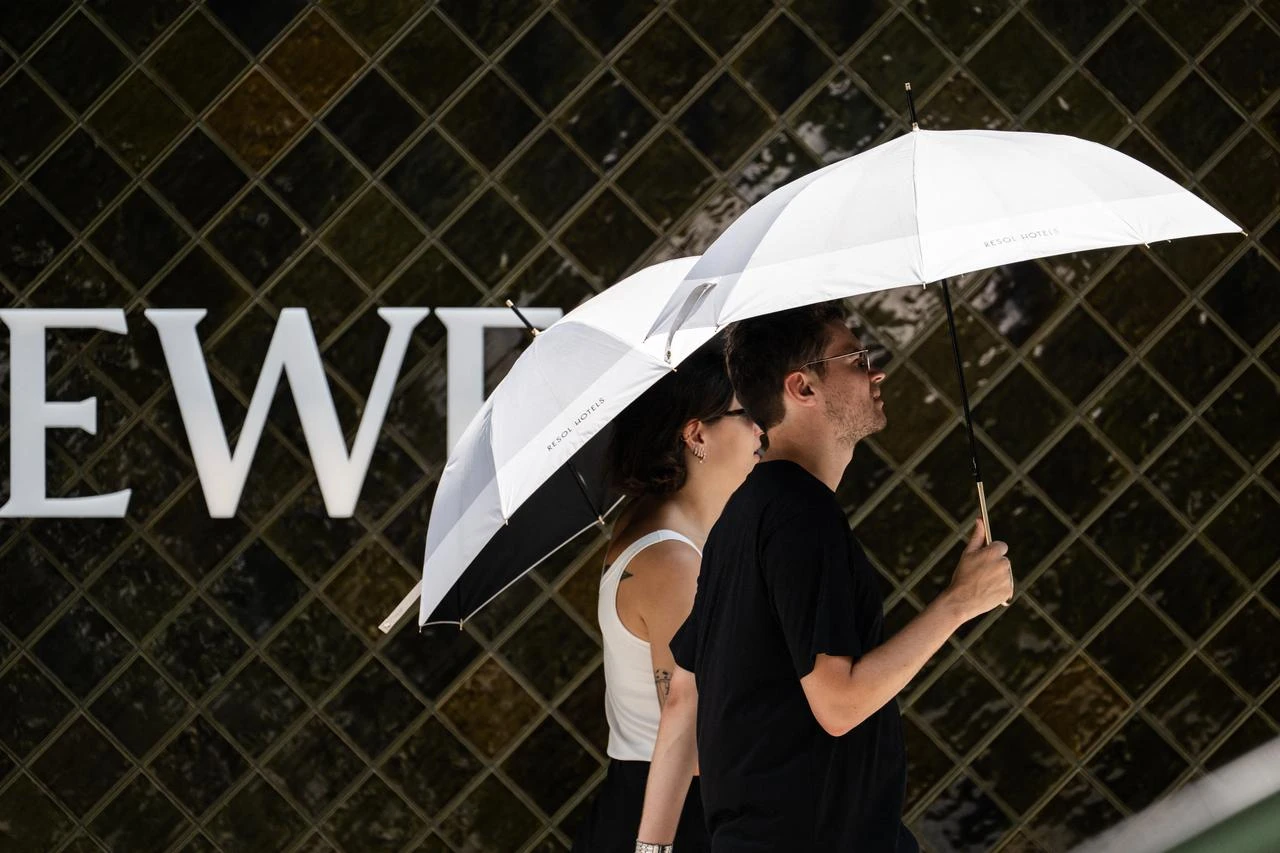

Japan introduced this year a new term to describe heat above 40C called "kokushobi," which translates to "cruelly hot day." The new term was designed to draw greater public attention to heat-related warnings, although it does not trigger any official measures nationwide.
At least six other spots saw 39.8°C (103.6°F) on Wednesday. Heatstroke alerts were in place across almost the whole country and emergency officials said Wednesday that at least 14 people had died from heat-related causes in the past week.
Almost 11,000 people sought emergency medical care in Japan in the past week, according to the Fire and Disaster Management Agency. Fourteen of those were pronounced dead upon arrival, the agency said, adding that the public must regard the extreme heat as a "disaster."
"Temperatures have been rising since mid-July, and severe heat is expected to continue nationwide," the disaster agency said. "It is no exaggeration to call this extreme heat a 'disaster' with many people being rushed to hospitals or even dying as a result of heatstroke," it said.
Scientists say human-induced climate change is increasing the frequency and intensity of extreme heat events in Japan and elsewhere.
Japan sweltered through its hottest summer on record last year. Its highest recorded temperature was registered on Aug. 5, 2025, at 41.8°C (107.2°F) in Isesaki, north of Tokyo.


 Set as preferred source
 Set as preferred source


 1 min read

 1 min read


