Newsletters


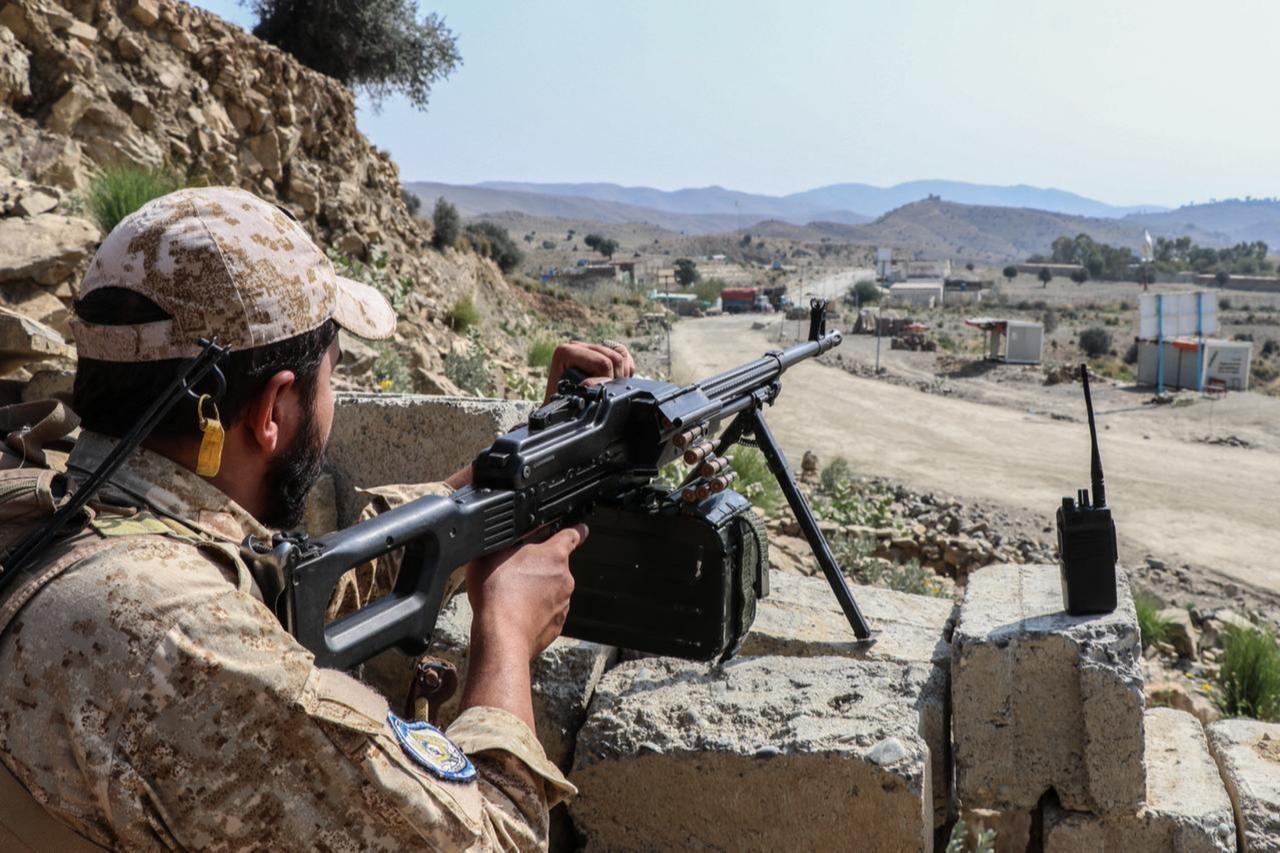


Pakistan and Afghanistan both announced formal military operations against each other on Thursday night, marking a dangerous new chapter in a week-long escalation that has killed dozens and shattered a fragile ceasefire between the nuclear-armed state and its Taliban-governed neighbour.
Pakistan declared it had launched Operation Ghazab Lil Haqq, an Arabic phrase meaning "Wrath for the Truth," against Afghanistan. The Ministry of Information and Broadcasting said Taliban regime forces had "miscalculated and opened unprovoked fire on multiple locations across the Pakistan-Afghanistan border" in Khyber Pakhtunkhwa, and that Pakistani security forces were delivering punishment across five sectors: Chitral, Khyber, Mohmand, Kurram, and Bajaur. The ministry claimed early reports confirmed heavy casualties on the Afghan side, with multiple posts and equipment destroyed.
Within hours, Afghanistan announced its own offensive. Government spokesman Zabihullah Mujahid said on X that "in response to the repeated provocations and violations of the Pakistani military, large-scale offensive operations were launched against Pakistani military positions and installations along the Durand Line." A statement from the media office of Afghanistan's eastern military corps confirmed that "heavy clashes" had begun Thursday night in retaliation for Pakistani airstrikes in the provinces of Nangarhar and Paktia.
There was no independent confirmation of casualty figures from either side, and no neutral account of which force initiated the latest exchange. Pakistan said it would "take all necessary measures to ensure its territorial integrity and the safety and security of its citizens."
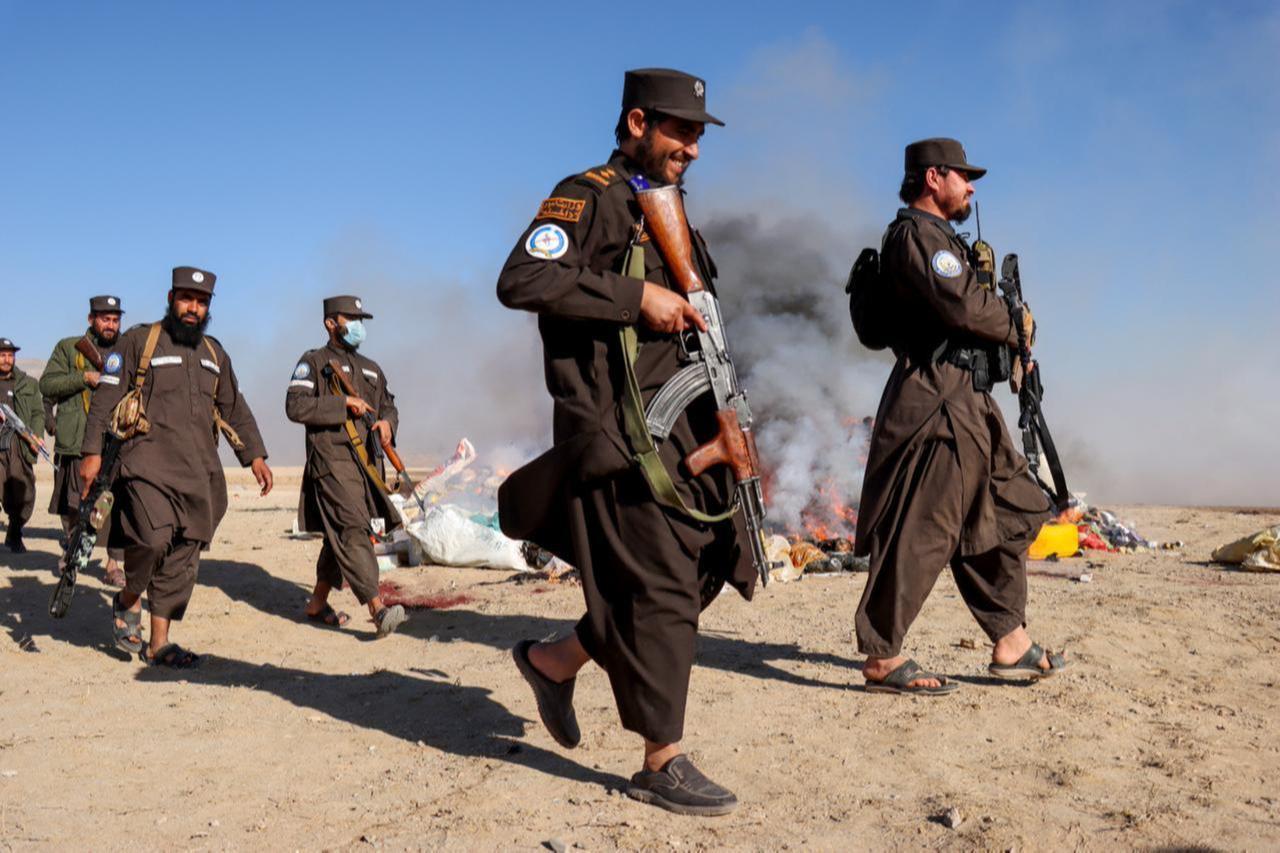

The simultaneous announcements of named military operations represent a dramatic escalation from what began as Pakistani cross-border airstrikes five days earlier. On Sunday, February 22, Pakistan's military struck what it described as seven camps and hideouts belonging to Tehreek-e-Taliban Pakistan (TTP), its affiliates, and the Islamic State Khorasan Province (ISKP) in the Afghan provinces of Nangarhar, Paktika, and Khost.
Pakistan claimed the strikes killed at least 70 militants, a figure later revised to 80 by state media. Deputy Interior Minister Talal Chaudhry, who offered no evidence for the claim in an interview with Geo News, said Islamabad had "conclusive evidence" that recent attacks on Pakistani soil were carried out by militants at the direction of Afghanistan-based leadership and handlers.
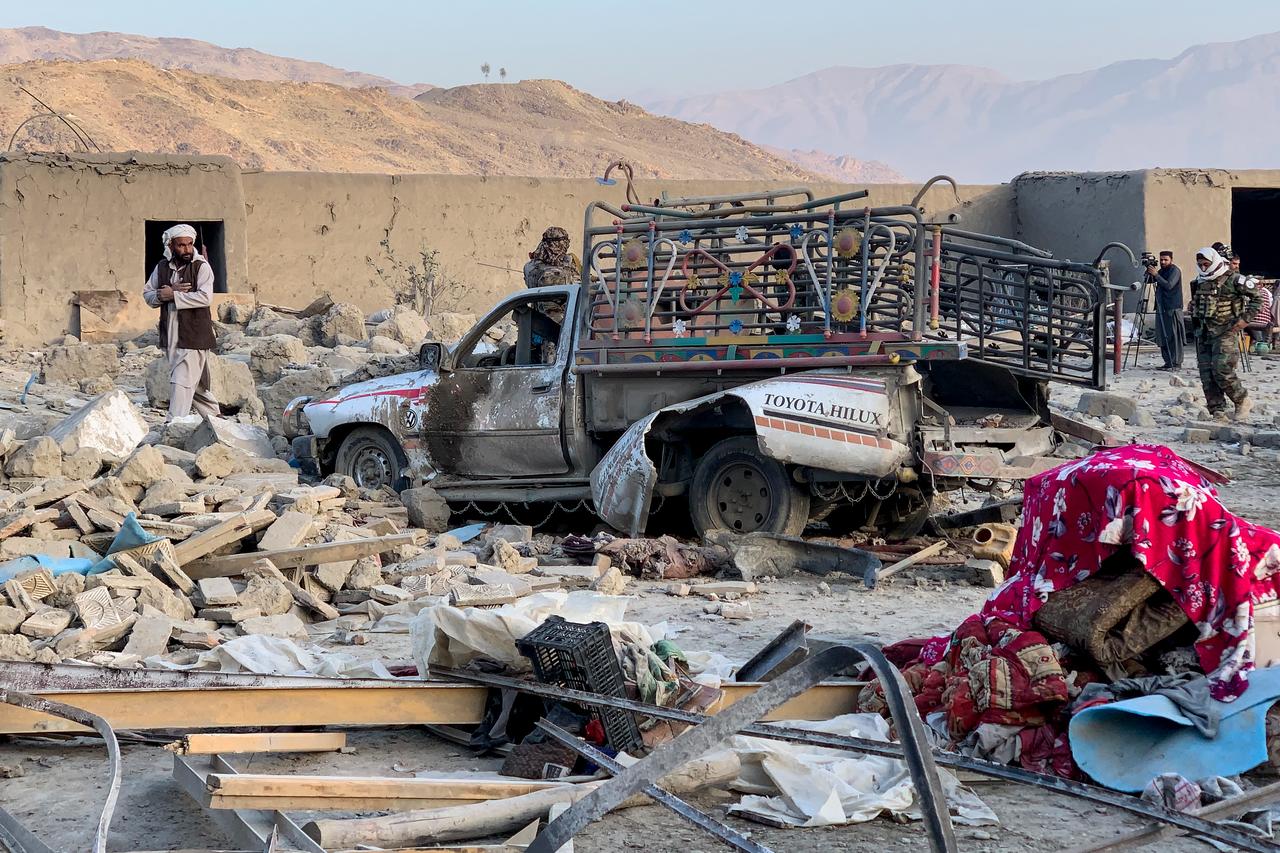
Kabul presented a starkly different account. Afghanistan's Ministry of Defence said the strikes hit a religious seminary in Bermal district of Paktika, civilian homes in Nangarhar, and other residential areas. The Taliban government said at least 18 people were killed. The UN Assistance Mission in Afghanistan (UNAMA) confirmed at least 13 civilians were killed and seven injured in Behsud district of Nangarhar alone, including women and children. UNAMA said the strikes in Paktika damaged infrastructure but caused no civilian casualties there.
Afghan media outlet Tolo News reported that 23 members of a single family were buried under rubble after a civilian house in Behsud was struck. The International Human Rights Foundation said it had verified that at least 16 members of one family were killed, with victims ranging from a one-year-old infant to an 80-year-old man. A local tribal elder, Habib Ullah, told the Associated Press that those killed had no connection to armed groups: "They were poor people who suffered greatly."
Mujahid called the airstrikes a "shameful act" in an interview with Al Arabiya, saying a family of 22 people was hit in Nangarhar with 17 killed and five injured. He insisted there were no armed individuals among the victims, and warned that Pakistan would receive "a response" for its actions.
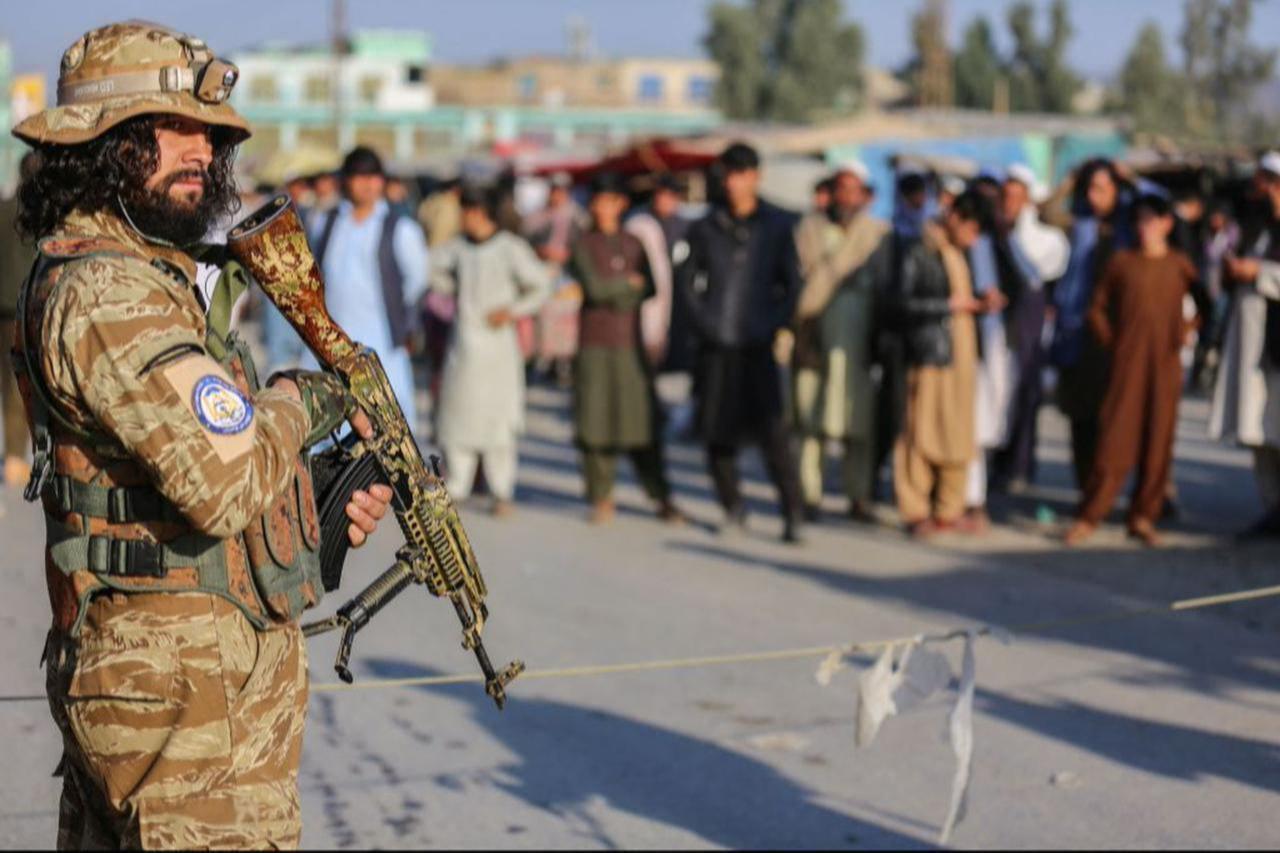
Pakistan framed its military action as a direct consequence of a devastating series of suicide attacks during Ramadan, which it traced to Afghanistan-based militant networks.
The deadliest was the February 6 bombing at the Khadija Tul Kubra mosque in Islamabad's Tarlai Kalan neighbourhood, where a suicide bomber detonated explosives during noon prayers, killing at least 31 worshippers and wounding 170 others. ISKP claimed responsibility. It was the second bombing at the same Shia mosque in three months, raising fears of a return to large-scale urban violence in Pakistan.
On February 16, a vehicle-borne suicide bomber attacked a joint security forces post in Bajaur district near the Afghan border, killing 11 soldiers and a child. Investigators identified the attacker as a member of the Afghan Taliban's special forces from Balkh province. The TTP claimed responsibility.
On February 21, hours before the cross-border airstrikes began, yet another suicide bomber struck a security convoy in Bannu district, killing two soldiers including a lieutenant colonel. Pakistan's military responded with a warning that it would not "exercise any restraint" going forward.
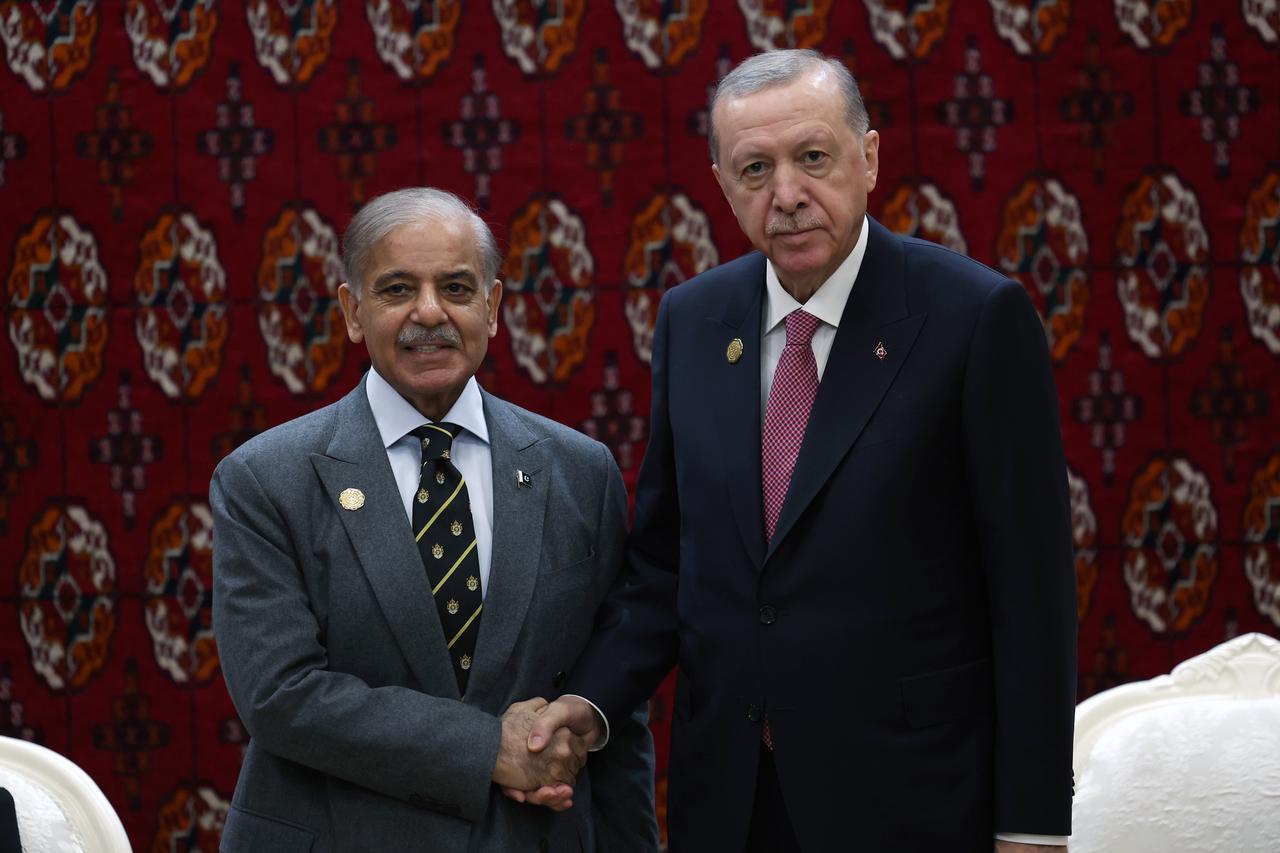
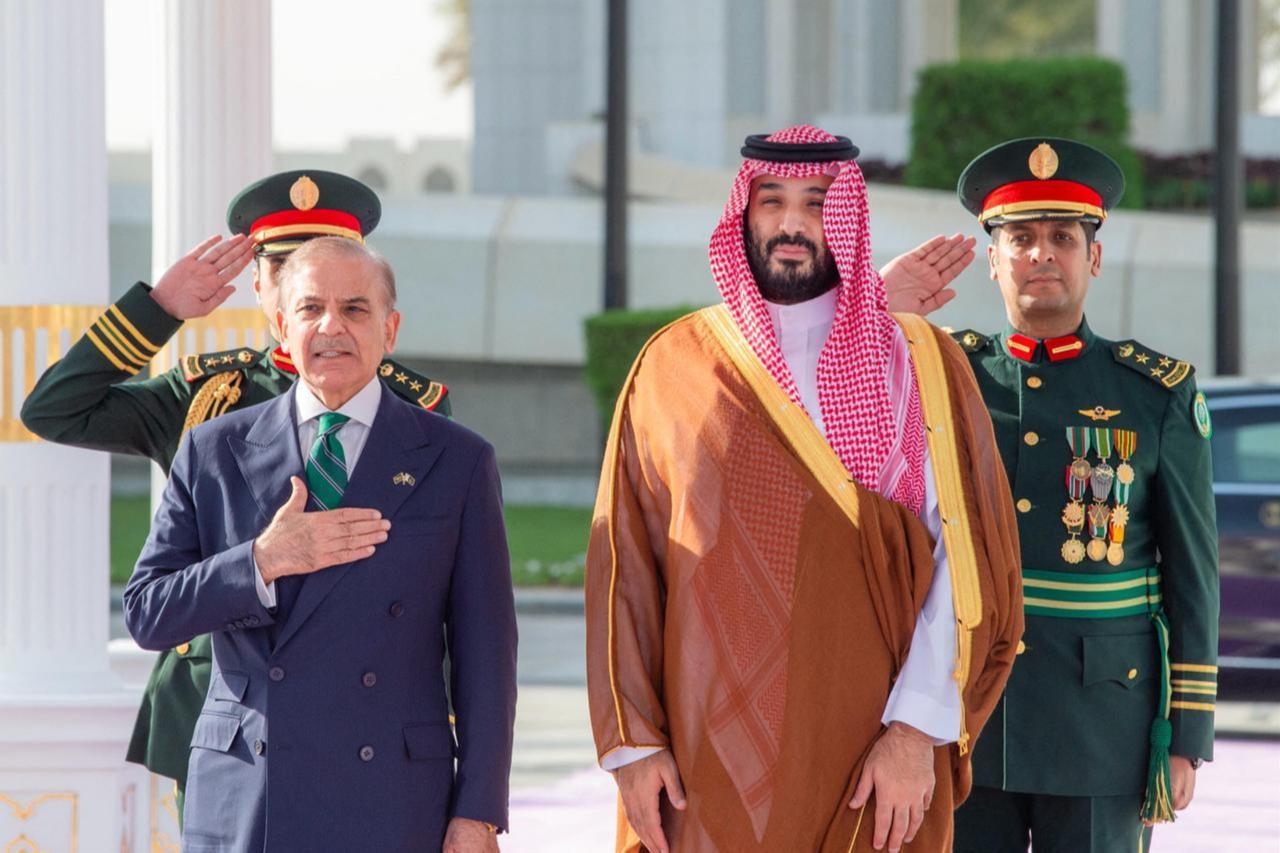
Islamabad had already issued a formal demarche to the Taliban authorities on February 19, summoning the Afghan deputy head of mission after the Bajaur attack. When the military struck two days later, Islamabad-based security analyst Abdullah Khan said the operations suggested that Qatari, Turkish, and Saudi-led mediations had all failed to resolve the crisis.
The period between Sunday's airstrikes and Thursday night's duelling operations was marked by escalating border exchanges, with each government accusing the other of firing first.
On Tuesday, clashes erupted along the border near Torkham and in the Shahkot area. Zabihullah Noorani, head of the Afghan information department in Nangarhar, said Pakistani forces opened fire first. Pakistani government official Mosharraf Zaidi accused Afghan forces of unprovoked firing and said Pakistani troops had responded by "silencing the Taliban aggression."
On Wednesday, fighting spread to the Maqbal area of Dand Patan district in Paktia province, where both sides reportedly deployed heavy weapons. Exchanges of fire continued late into the evening.
By Thursday night, both countries had moved beyond sporadic border clashes and into formally named military operations, a significant political and military threshold. The escalation mirrors, but may already exceed, the October 2025 border clashes, when fighting along multiple sectors killed more than 70 people on both sides and led to the closure of most land border crossings. A Qatar-mediated ceasefire eventually ended that violence, but subsequent rounds of talks in Istanbul, Doha, and Riyadh failed to produce a lasting agreement. That ceasefire now appears to be in ruins.


 Set as preferred source
 Set as preferred source


 1 min read
 1 min read