Newsletters


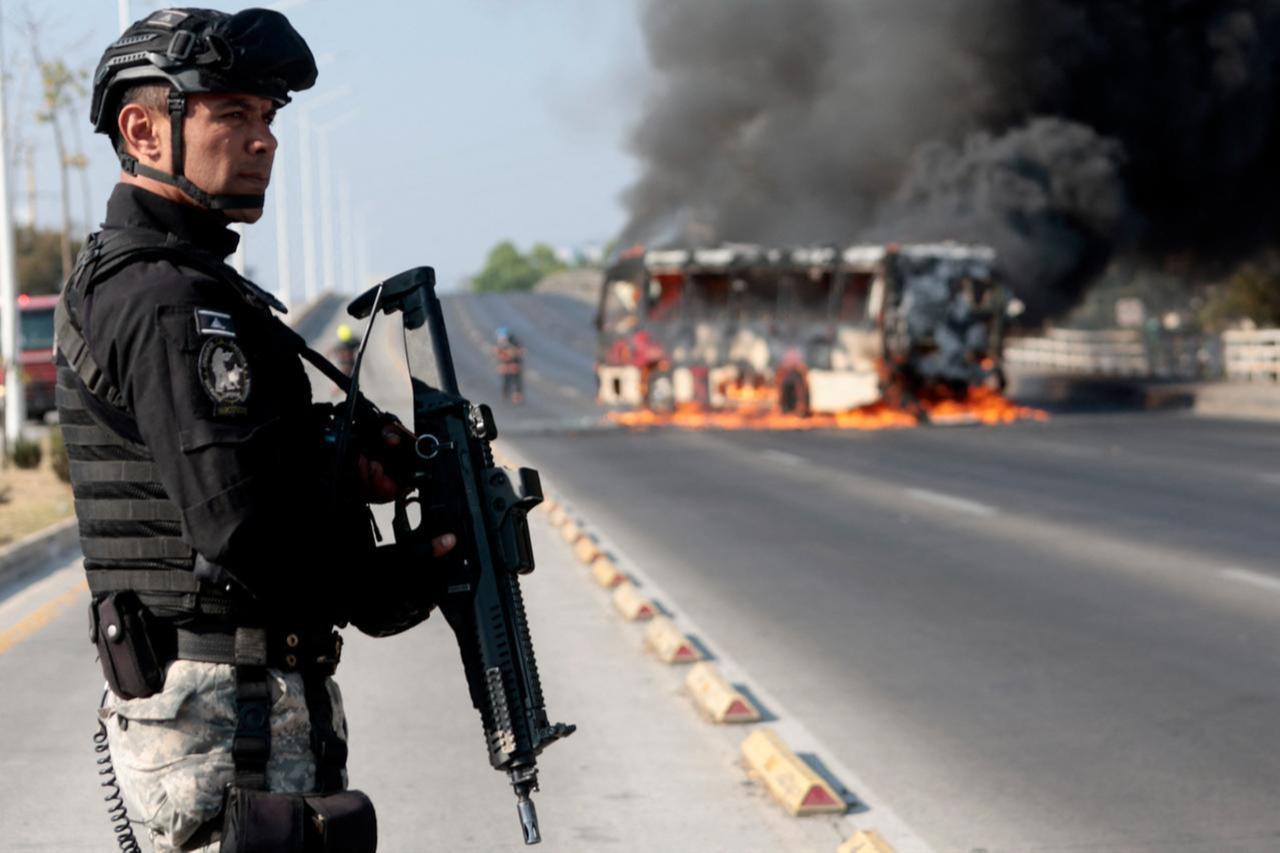


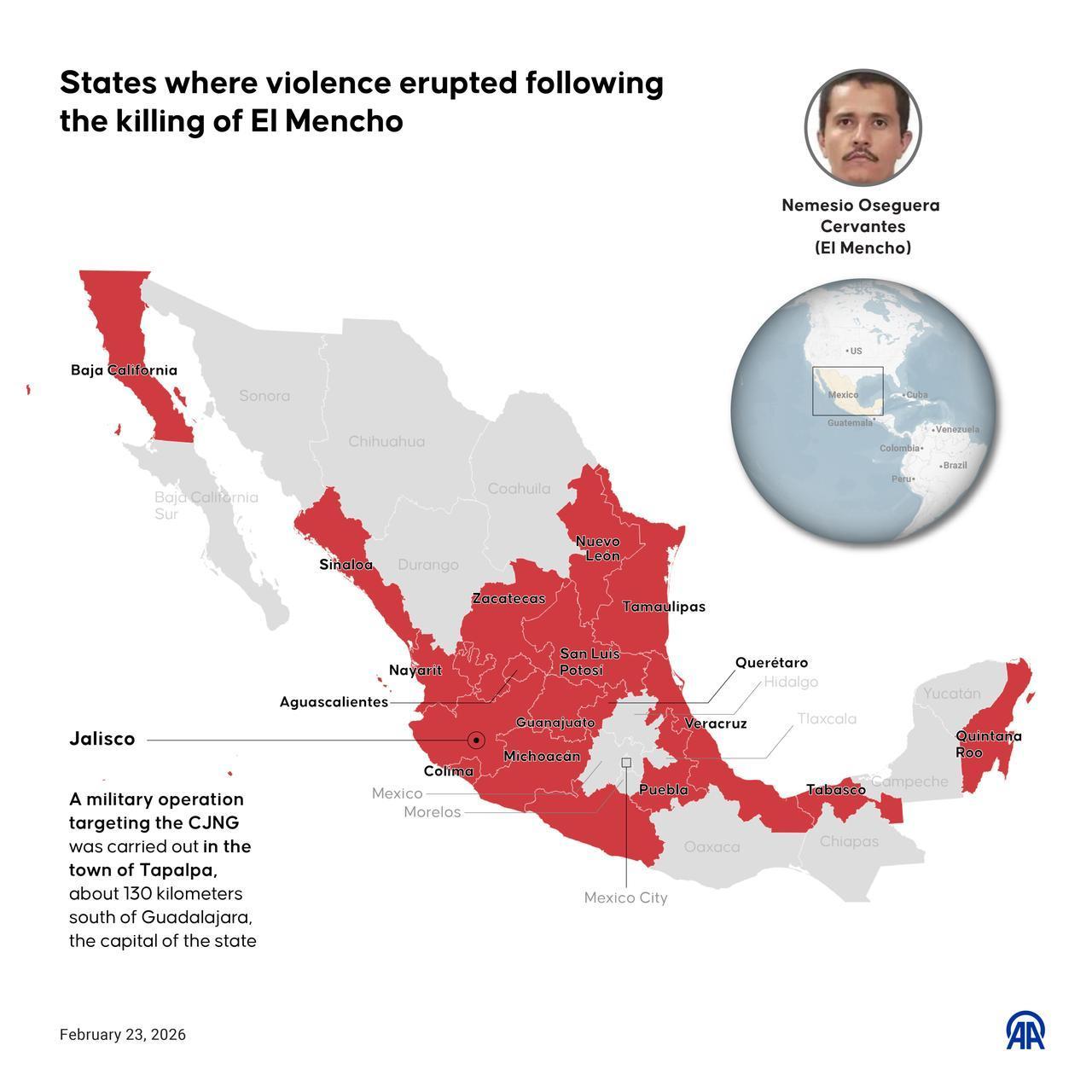
Few figures in Mexico’s organized crime history have left a prolonged and disruptive mark. Among them was Nemesio Oseguera Cervantes, widely known as “El Mencho,” the longtime leader of the Cartel de Jalisco Nueva Generacion (CJNG).
His killing was framed as a significant victory in both Mexico and the United States. Mexican authorities, alongside U.S. officials, indicated that American intelligence had played a role in the operation, underscoring the cross-border dimension of the fight against organized crime.
By removing one of the most powerful cartel leaders from the equation, the Mexican army theoretically weakened the organization he commanded. Whether this will produce lasting structural change within Mexico’s criminal landscape remains an open question, but the symbolic weight of the operation was undeniable.
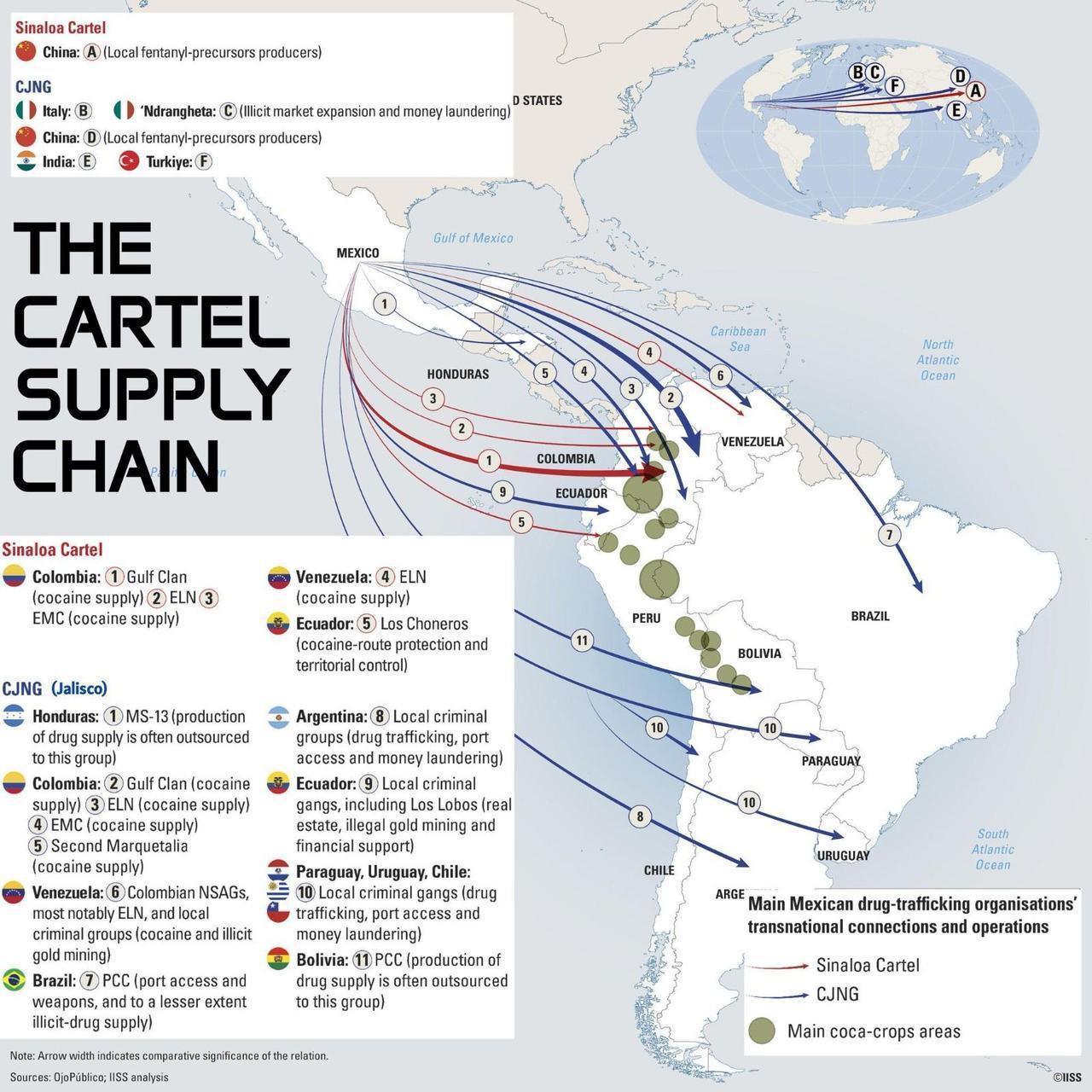
The global implications of CJNG’s operations are reflected in a 2024 research by the International Institute for Strategic Studies (IISS). A widely circulated map prepared by the institute outlines the international supply chains linked to Mexico’s two dominant cartels CJNG, and the Cartel de Sinaloa.
That map has drawn particular attention in Türkiye because it lists the country among the global nodes connected to CJNG’s procurement networks. The implication has fueled questions about whether any connection exists between Mexico’s criminal underworld and illegal organizations in Türkiye.

Talya Iscan, a Turkish political analyst talking to Türkiye Today, argues that the discussion requires analytical restraint. “It is important to approach this issue with analytical caution and avoid drawing conclusions that overstate or mischaracterize the nature of the relationship,” she says.
The IISS map, she notes, illustrates illicit commercial routes used by cartels to obtain precursor chemicals. It does not depict formal channels or institutional relationships.
This distinction matters. Criminal supply chains operate within—and exploit—the architecture of global trade. Their existence does not automatically imply political alignment or coordination.
Regarding Türkiye, references in such reports generally concern the alleged sourcing or transit of dual-use chemical precursors. These substances can serve legitimate industrial purposes but can also be diverted to manufacture synthetic drugs such as fentanyl and methamphetamine.
Crucially, Iscan emphasizes that this does not imply any political, diplomatic, or institutional connection between Ankara and Mexican cartels.
She notes that while governments worldwide must remain vigilant, any existing linkage is confined to criminal actors exploiting regulatory gaps, global trade vulnerabilities, or insufficient monitoring mechanisms in international chemical markets.
Countries may appear on trafficking maps for reasons unrelated to intentional involvement. Iscan identifies several mechanisms: transit routes, diversion through third parties, mislabeling of shipments, and weak enforcement in certain commercial sectors.
The appearance of a country in such networks may simply indicate that criminal actors have identified logistical openings.
In 2020, peculiar footage began circulating on social media, appearing to show a cross-continental exchange between Turkish ultra-nationalist elements and one of Mexico’s most notorious criminal organizations.
The videos featured individuals performing the "Grey Wolf" salute in a tribute to the Sinaloa Cartel; conversely, alleged members of the cartel were seen brandishing weapons while playing Turkish marches and returning greetings to Türkiye.
While official confirmation regarding social media taunts between illegal organizations remains absent, the footage has led many to believe the cartel has established local collaborators within Türkiye, even if the scale of such cooperation is thought to be limited.
On the other hand, Dr. Canan Tercan, an expert in international relations, offers a broader perspective.
Tercan points out that the cartel’s drug routes now extend to Türkiye’s neighboring regions: "This organization is not only active in Latin America; it is also highly influential along the drug corridors spanning Afghanistan and Iran. They operate through a massive franchise system that encompasses Africa and Europe. Furthermore, they facilitate the transfer of chemical precursors to China. With annual revenues exceeding $3 billion, their total assets are estimated to have reached $50 billion."
Cocaine use rises as the price of transit status. Laurent Laniel, an official from the European Monitoring Centre for Drugs and Drug Addiction (EMCDDA), noted that in addition to large-scale shipments, Türkiye has seen 3,000 smaller seizures in recent years. "This indicates that Türkiye is becoming a consumer country for the substance," Laniel remarked. "Ten years ago, this was not the case."
It is worth noting, however, that these figures remain significantly lower than those found in many European nations.
As scrutiny intensifies following El Mencho’s death, the central analytical challenge remains opposing the criminal opportunism and filling the structural gaps that those illegal organizations take advantage of.


 Set as preferred source
 Set as preferred source


 4 min read