Newsletters


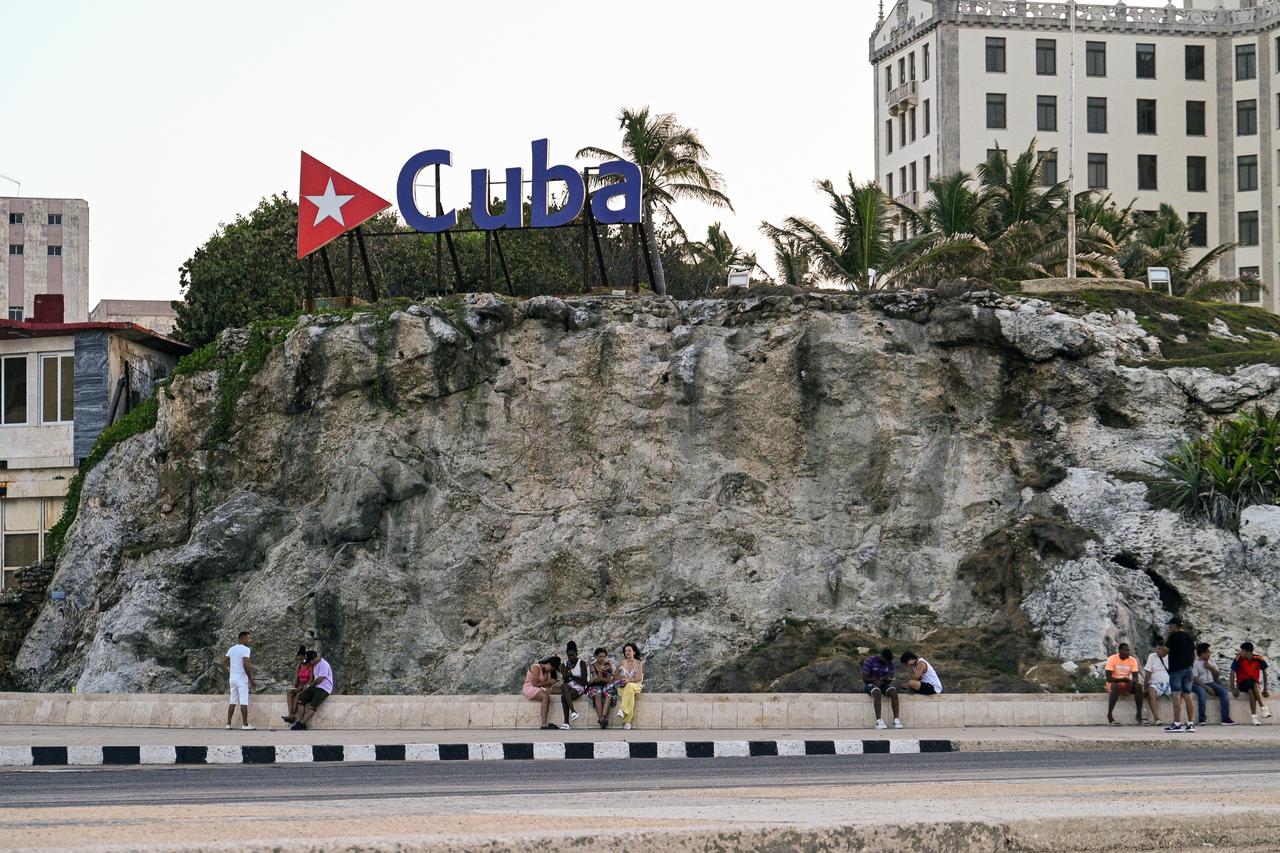


U.S. military planners have been examining a range of options for possible action against Cuba, including an army-led air assault involving thousands of American soldiers, CBS News reported Wednesday.
The report cited multiple U.S. officials with knowledge of the discussions as saying that the air assault would be carried out by the 101st Airborne Division, which it described as the only unit trained for such a mission.
The officials emphasized that the planning does not mean President Donald Trump or the Pentagon has decided to launch an operation.
Any military action against Cuba would face major challenges because significant U.S. military resources remain tied to operations against Iran, the report said.
U.S. Secretary of State Marco Rubio has continued to favor a diplomatic transition to a technocratic Cuban government willing to pursue economic reforms, according to the report.
However, that effort has stalled despite increased U.S. financial pressure on Cuba's military and its conglomerate, GAESA.
In a July 11 statement, Rubio said the regime and its "corrupt elites" continue to reject reform, instead "perpetuating their total control" and adherence to a "morally bankrupt Marxist ideology."
The State Department has also expanded sanctions targeting Cuban state-owned entities that it says "funnel revenue to the regime and paramilitary forces" that repress the Cuban people, including rapid response brigades.
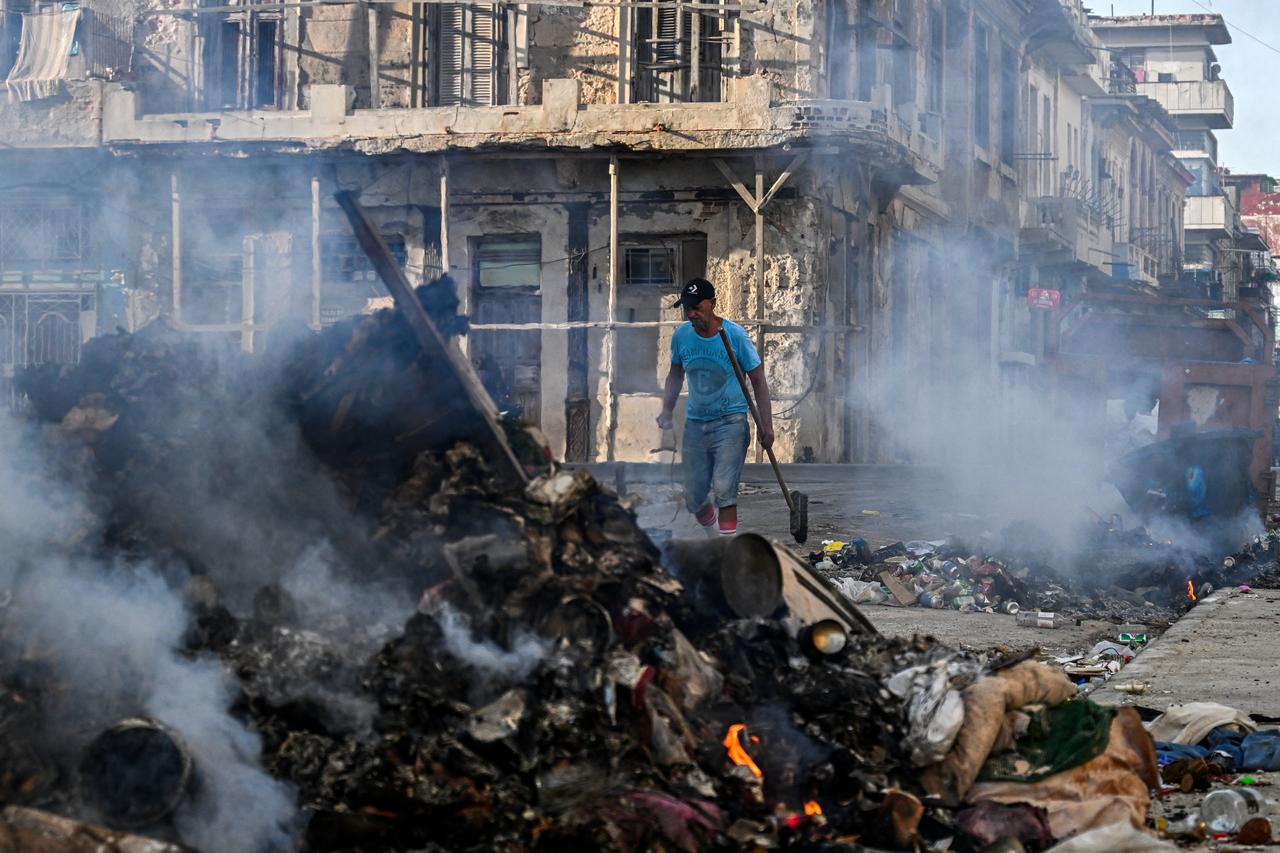

CBS News cited officials as saying the Pentagon held a concept-of-operations briefing last month to examine early-stage military options.
Such contingency planning routinely evaluates mission objectives, troop requirements, logistics, timelines and risks.
With aircraft, intelligence assets and other capabilities already shifted to the Middle East, officials said a move against Cuba was unlikely in the near term, given renewed operations against Iran.
Behind the scenes, the Iran conflict has exposed tensions between Trump and Defense Secretary Pete Hegseth, CBS News reported, citing sources familiar with the matter.
Although Trump has publicly praised Hegseth and recent military operations, officials said he has privately expressed frustration with Operation Epic Fury.
According to the report, Trump believes the administration missed an earlier opportunity to avoid a prolonged conflict by rejecting an Iranian proposal to limit its nuclear program.
Two officials told CBS News that Hegseth favored a tougher military approach despite concerns from Chairman of the Joint Chiefs of Staff Gen. Dan Caine.
As the conflict has become longer and more complex than anticipated, Trump has reportedly grown increasingly dissatisfied.
Officials also said Trump has been irritated by both Hegseth and Caine when they raised the limitations of military operations.
Some Defense Department and interagency officials have also criticized U.S. Central Command (CENTCOM) Commander Adm. Brad Cooper, arguing that he overstated what military action against Iran could achieve, CBS News reported, citing one of the sources.
White House spokesperson Anna Kelly rejected the criticism, saying the president "has been extraordinarily proud" of Hegseth and Cooper's leadership throughout Operation Epic Fury, which "completely destroyed Iran's ballistic missiles, production facilities, navy, air defenses and more."
She added that recent U.S. strikes against Iran prove the United States "can attack anywhere, anytime, and Iran can do nothing about it."
Acting Pentagon press secretary Joel Valdez told CBS News that "we do not comment on hypothetical military operations."
He also declined to discuss Hegseth's private conversations with Trump.


 Set as preferred source
 Set as preferred source


 2 min read



 1 min read