Newsletters


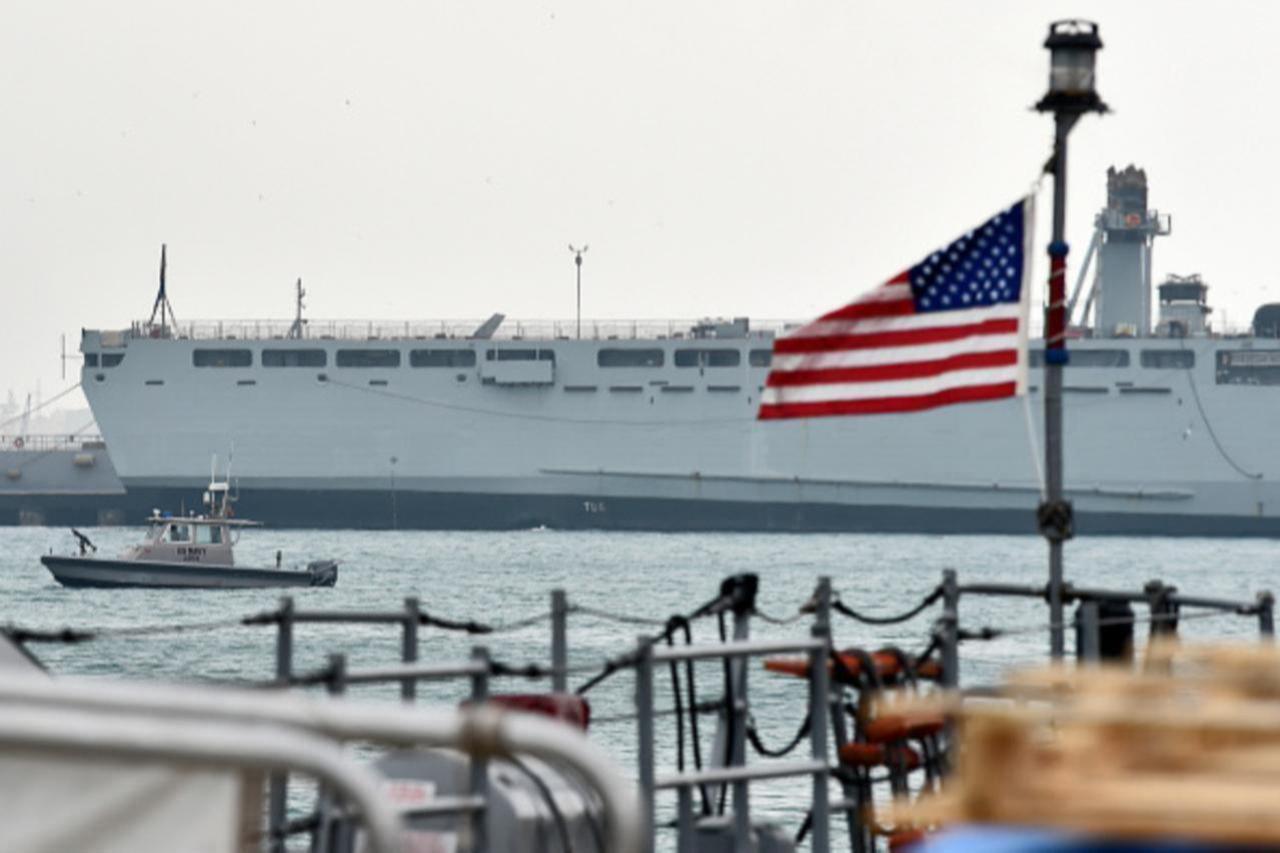


The Pentagon is seeking $200 billion in supplemental funding for the war in Iran, setting the stage for a bruising congressional fight over wartime spending at a moment when the national debt has surpassed $39 trillion and lawmakers remain deeply divided over the military operation itself.
The Department of Defense sent the request to the White House, according to a senior administration official who spoke on condition of anonymity to discuss the private information. The request, first reported by The Washington Post, represents one of the largest wartime supplemental funding appeals in recent memory and would come on top of roughly $150 billion the Pentagon already received through President Donald Trump's tax cuts bill last year.
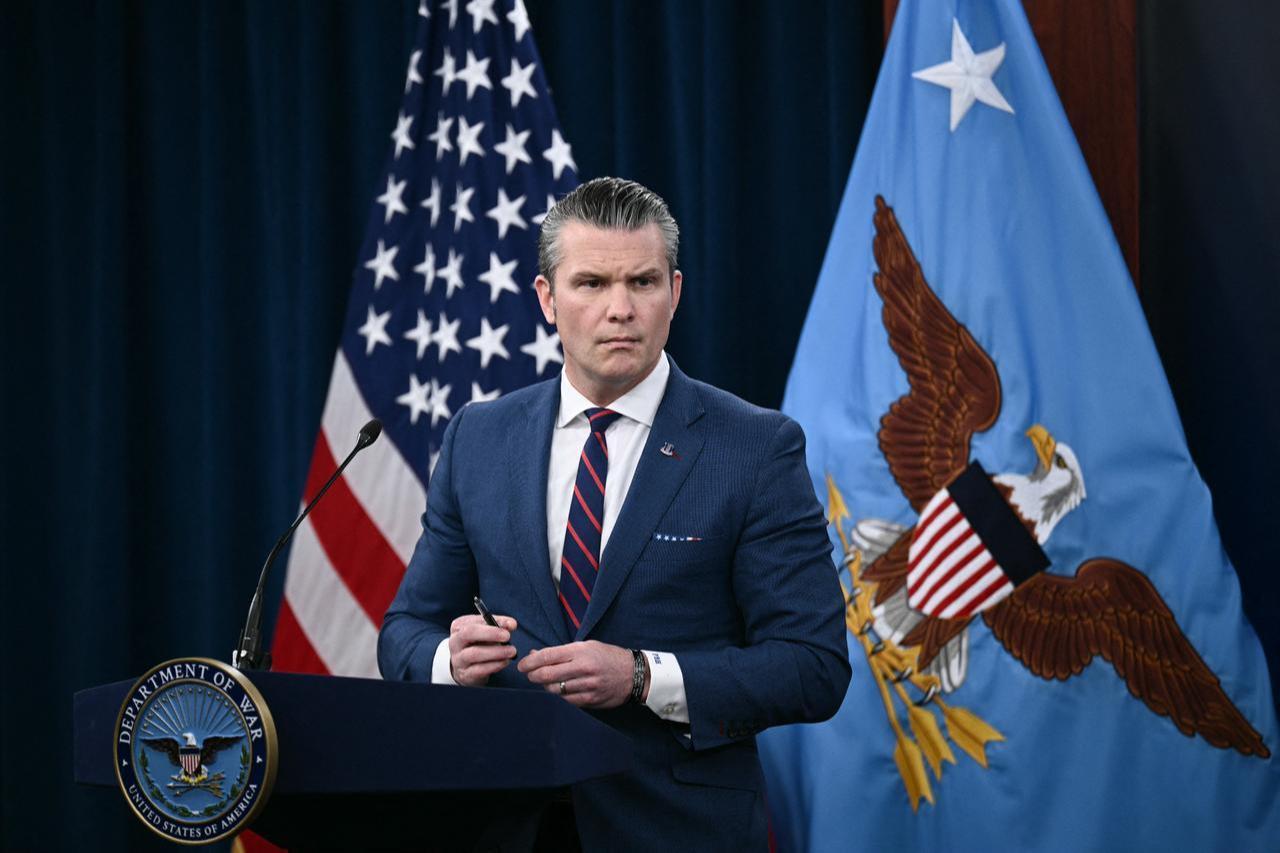

Defense Secretary Pete Hegseth declined to confirm the specific figure at a press conference Thursday, saying the amount could change. "It takes money to kill bad guys," Hegseth said, adding that the administration would be going back to Congress to ensure the military is "properly funded."
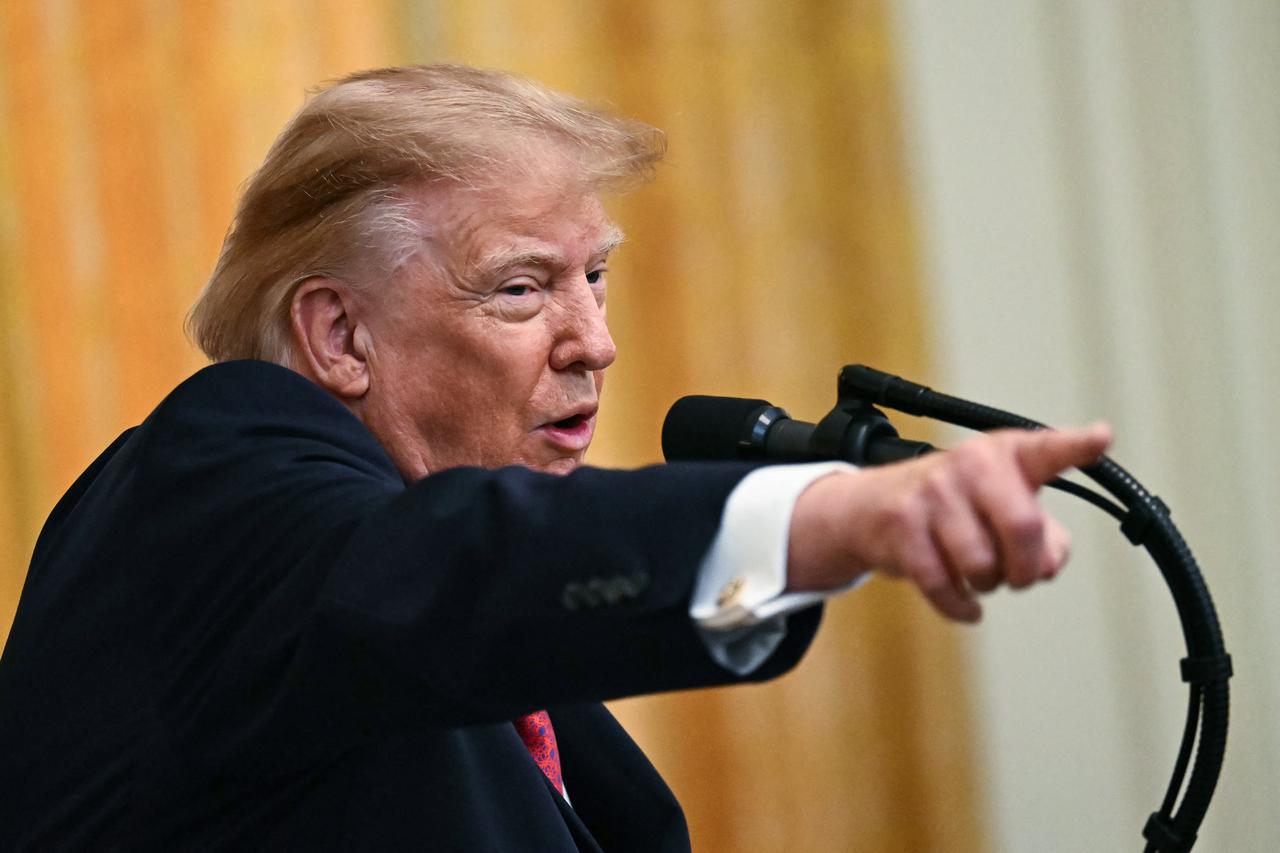
Trump, speaking from the Oval Office, framed the spending in broader terms, pointing beyond the Iran conflict. "This is a very volatile world," the president said, calling the emergency spending a "very small price to pay" to keep the nation's military in top condition.
But the request faces significant political headwinds from both parties. Congress has not authorized the war, and lawmakers are expressing growing unease with the military operation's scope and strategy. The $200 billion figure would represent a substantial addition to the Pentagon's annual budget, which Congress approved at more than $800 billion for the current fiscal year.
Rep. Rosa DeLauro, the ranking Democrat on the House Appropriations Committee, offered a blunt assessment of the price tag: "It's outrageous."
Democratic opposition appears particularly firm. Rep. Betty McCollum of Minnesota, the ranking Democrat on the House subcommittee overseeing defense spending, said the president launched a war without congressional approval and that she expects far more detail before any vote.
"This is not going to be a rubber stamp for the president of the United States," McCollum said. She noted that Congress is still waiting for the administration to explain how it plans to allocate the $150 billion already provided to the Pentagon through the tax and spending bill, as well as the president's budget request for the current year. "I'm not writing blank checks to the Department of Defense," she said.
The political math presents a formidable challenge. While both the House and Senate are controlled by Republicans, many of the party's more conservative members are fiscal hawks with little appetite for large spending packages regardless of the purpose. Most Democrats are expected to reject the request without more detailed plans outlining U.S. military goals and objectives.
 1 min read

Some Republican lawmakers signaled cautious support. Rep. Ken Calvert of California, the Republican chair of the House subcommittee with oversight over defense spending, said he had already been pushing for a supplemental bill to replenish munitions before the conflict added new costs.
"I know there are peripheral issues out there that people are concerned about, but right now, this is about our national security and it's important that we get this done," Calvert said.
House Speaker Mike Johnson called it a "dangerous time," saying the country must "adequately fund defense," though he acknowledged he had not yet seen the details of the request.
House Majority Leader Steve Scalise signaled that the figure is far from final. "Ultimately we're going to have negotiations with the White House on an exact amount," Scalise said. "We're not at that point yet."
The path to passage remains unclear. Republican leaders could attempt to push a package through the budget process on party-line votes, or they could negotiate a bipartisan deal that includes Democratic priorities, a route that would likely increase the overall cost.
The nonpartisan Congressional Budget Office has projected the federal government will run a $1.9 trillion annual deficit this year, and that figure does not account for any supplemental spending bill.


 Set as preferred source
 Set as preferred source



 1 min read