Newsletters


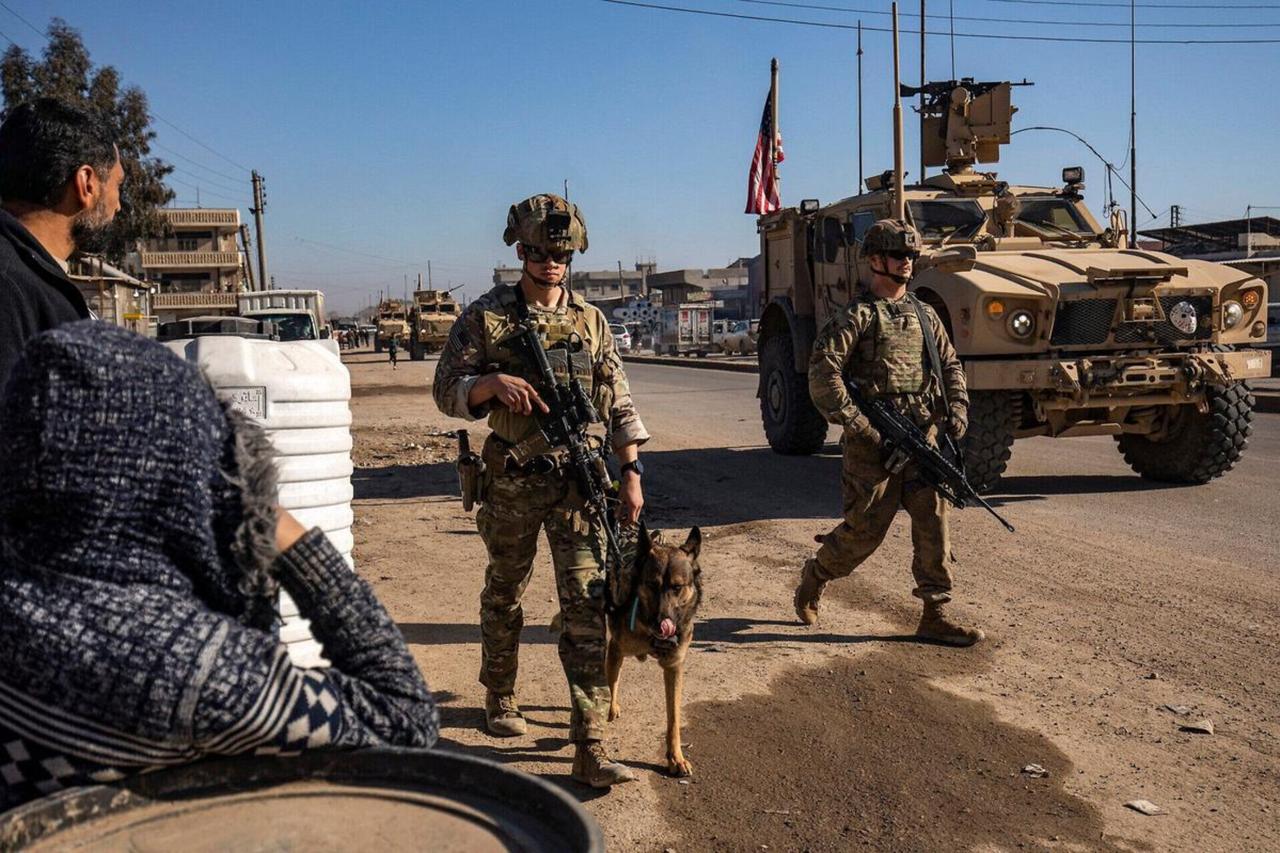


The Pentagon is actively considering sending additional troops to the Middle East as the U.S.-Iran conflict intensifies, a move that would significantly escalate American military involvement and test President Donald Trump's repeated pledges to keep U.S. servicemembers out of prolonged overseas engagements.
The United States already has roughly 50,000 troops deployed across the region. The scope and scale of any reinforcements remain under discussion, according to two people familiar with the internal deliberations, but the mere existence of such talks signals a dramatic shift in a war Trump declared nearly won just three weeks ago.
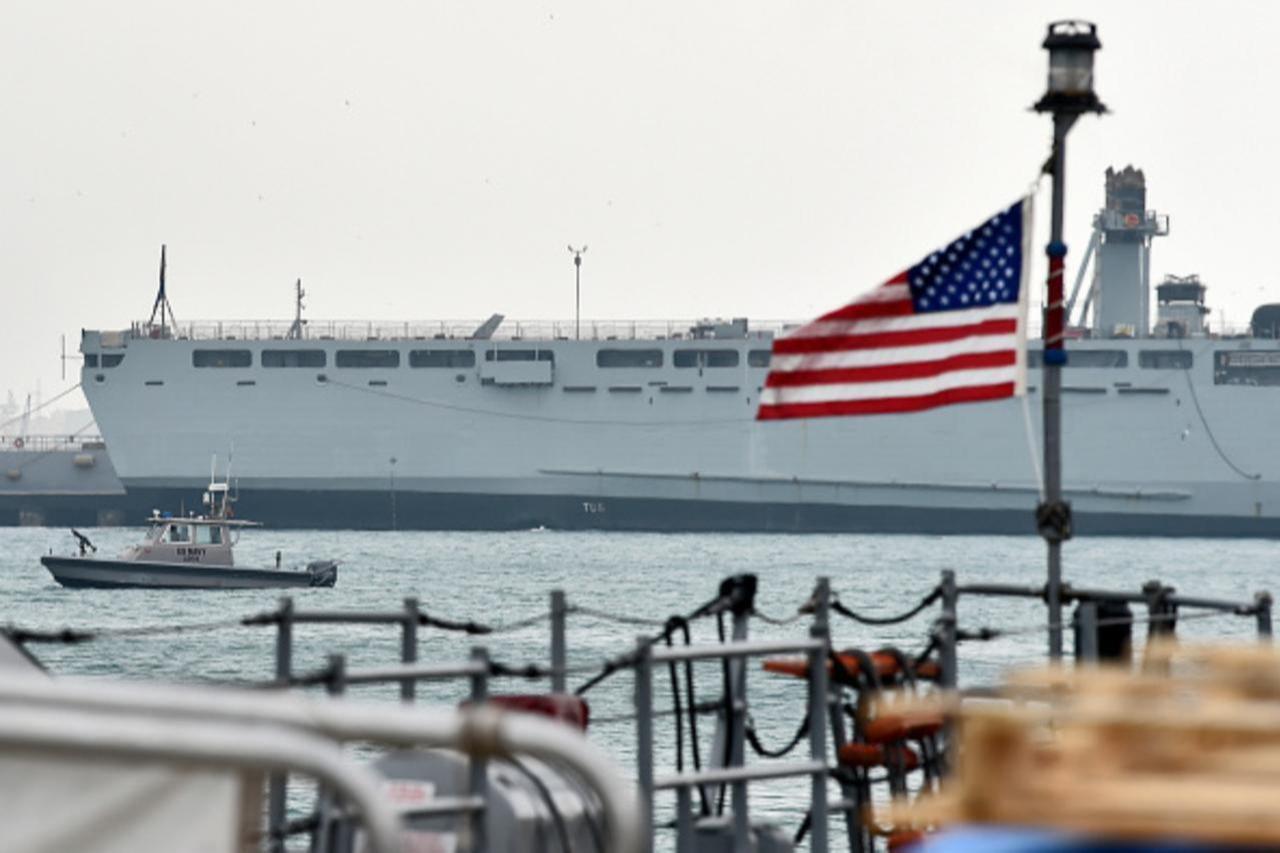

Three Navy ships carrying approximately 2,200 Marines are expected to arrive in the region as early as next week from the Pacific, according to a defense official granted anonymity to discuss internal planning. Their deployment could give the White House the option of positioning forces on islands in the Persian Gulf to protect commercial shipping through the Strait of Hormuz, a chokepoint through which roughly one-fifth of the world's oil supply transits.
The Marines could also participate in a potential operation to seize Kharg Island, Iran's primary oil export terminal located further north in the Gulf. The U.S. struck 90 military targets on the island last week but deliberately left oil infrastructure intact. Trump referenced the decision afterward, saying, "the only thing we didn't take down was the oil, because if we knock out, I call them the pipes, very complex, but if you do that, it will take them forever to rebuild."
Iran's efforts to block the Strait of Hormuz have rattled global markets and frustrated Washington's attempts to draw allies into the conflict. U.S. partners have so far rebuffed Trump's calls for involvement.
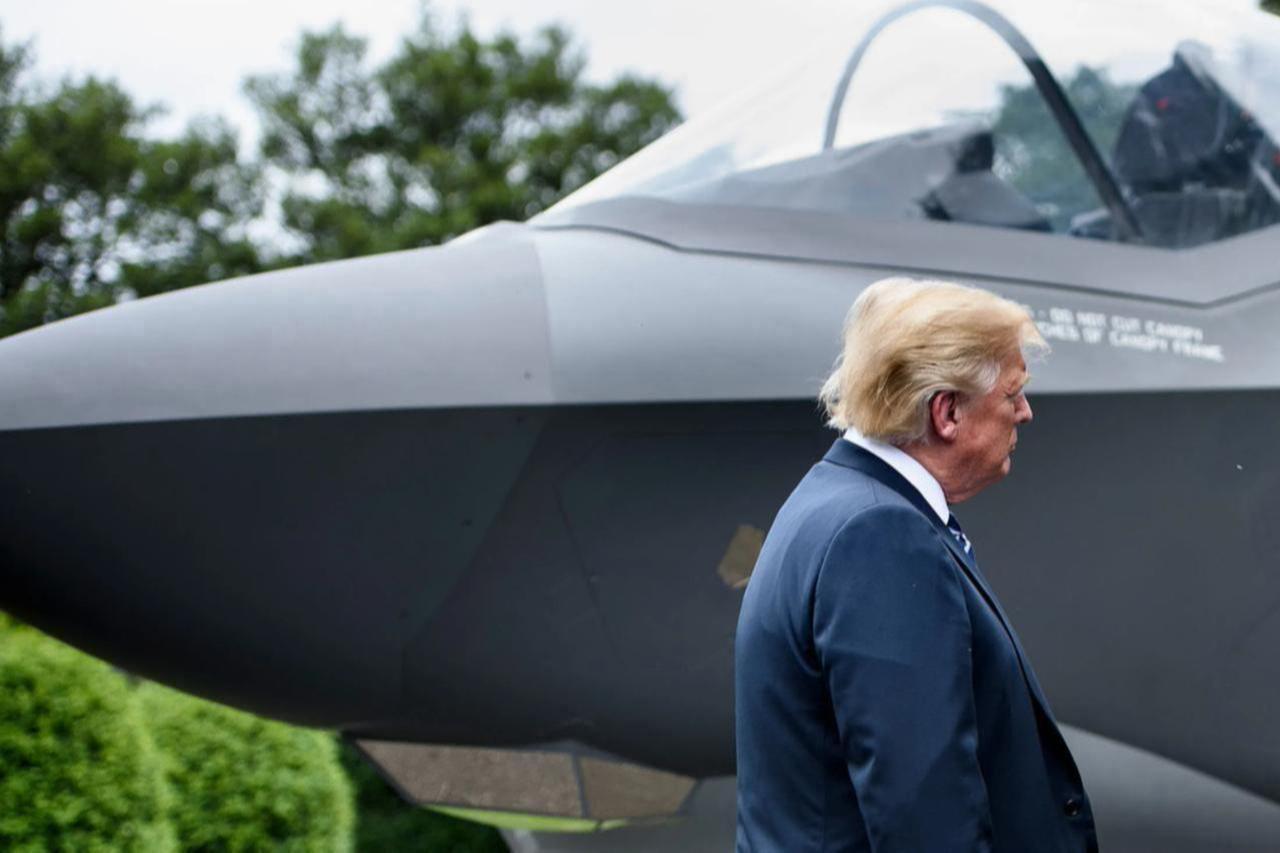
Trump on Thursday flatly denied any intention to deploy ground forces. "I'm not putting troops anywhere," he told reporters, adding that even if he were, "I certainly wouldn't tell you."
Yet the trajectory of the conflict suggests otherwise. Defense Secretary Pete Hegseth, speaking at a Pentagon briefing on Thursday, described the day's planned operations as "the largest strike package yet, just like yesterday was," but offered no indication of when hostilities might conclude. Hegseth also confirmed that the Pentagon was weighing a $200 billion supplemental funding request to cover the mounting costs of military operations against Iran.
The White House referred questions to Trump's earlier comments. The Defense Department did not respond to a request for comment.
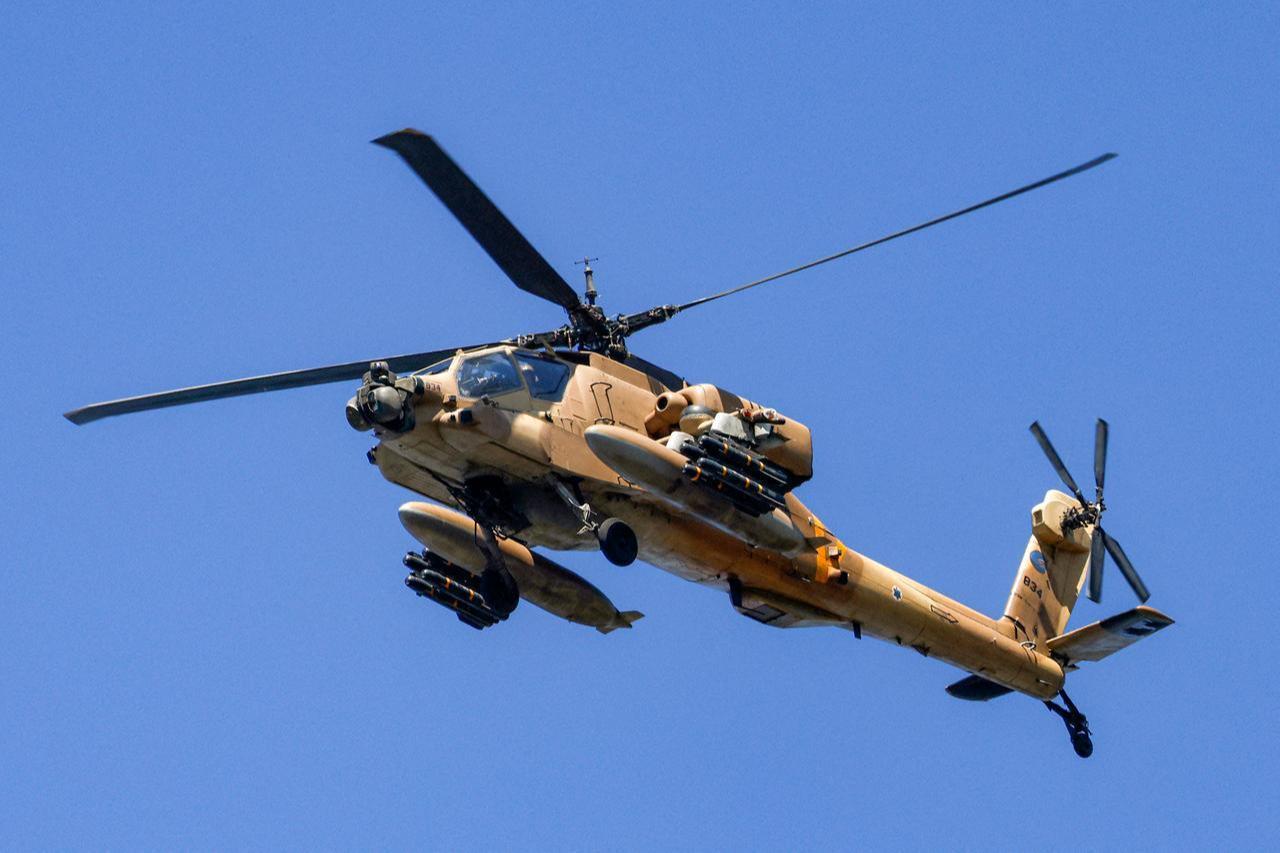
The war has evolved well beyond its initial phase of long-range missile strikes launched from aircraft and ships hundreds of miles from Iranian territory. Joint Chiefs Chair Gen. Dan Caine said Thursday that Army Apache attack helicopters "have joined the fight on the southern flank" and are conducting strikes against Iranian-aligned militia groups in Iraq, though he did not specify exact locations.
Some U.S. allies in the region are also employing the Apache helicopters to intercept Iranian drones, a tactic that mirrors Ukrainian forces' use of helicopters against Russian drones.
Army High Mobility Artillery Rocket Systems stationed in the region have fired precision munitions into Iran, a second defense official said, including Precision Strike Missiles used in combat for the first time to hit both ground targets and Iranian naval vessels in port. HIMARS, a lightweight, mobile rocket launcher system, has become one of the most prominent weapons platforms in modern conflict, gaining widespread recognition during the war in Ukraine for its accuracy and battlefield versatility.
Retired Gen. Joseph Votel, who led U.S. Central Command during Trump's first term, suggested the accelerating tempo of deployments and strikes serves a strategic communications purpose as well as a military one. The buildup presents "a significant messaging opportunity highlighting our commitment to the mission and presenting the [Iranian regime] with more situations with which they may have to contend," Votel said.
He added that the arriving Marines bring considerable operational flexibility, including the ability to bolster regional shipping protection and provide additional air defense and strike capabilities through their F-35 aircraft. The F-35, a fifth-generation stealth fighter, is the most advanced combat jet in the U.S. arsenal and can operate in both air-to-air and air-to-ground roles.


 Set as preferred source
 Set as preferred source



 3 min read