Newsletters


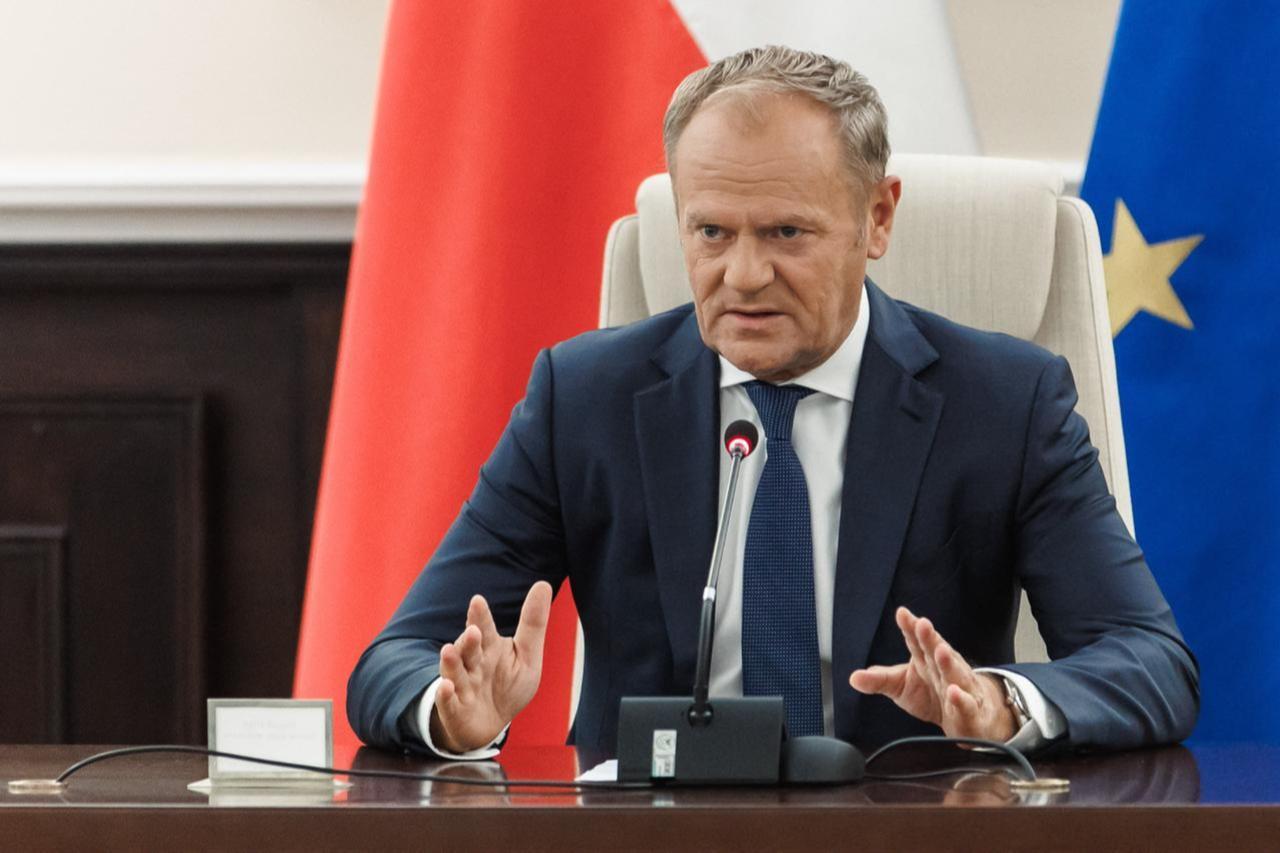


Poland plans to complete a comprehensive anti-drone defense system along its eastern border within the next two years, officials announced, responding to what authorities describe as repeated violations of Polish airspace by Russian drones.
The fortification project, expected to cost more than €2 billion ($2.3 billion), will integrate advanced air defense technologies into existing border infrastructure constructed roughly a decade ago.
Deputy Defense Minister Cezary Tomczyk said initial capabilities could be operational within six months.
"We expect to have the first capabilities of the system in roughly six months, perhaps even sooner. And the full system will take 24 months to complete," Tomczyk told the Guardian.
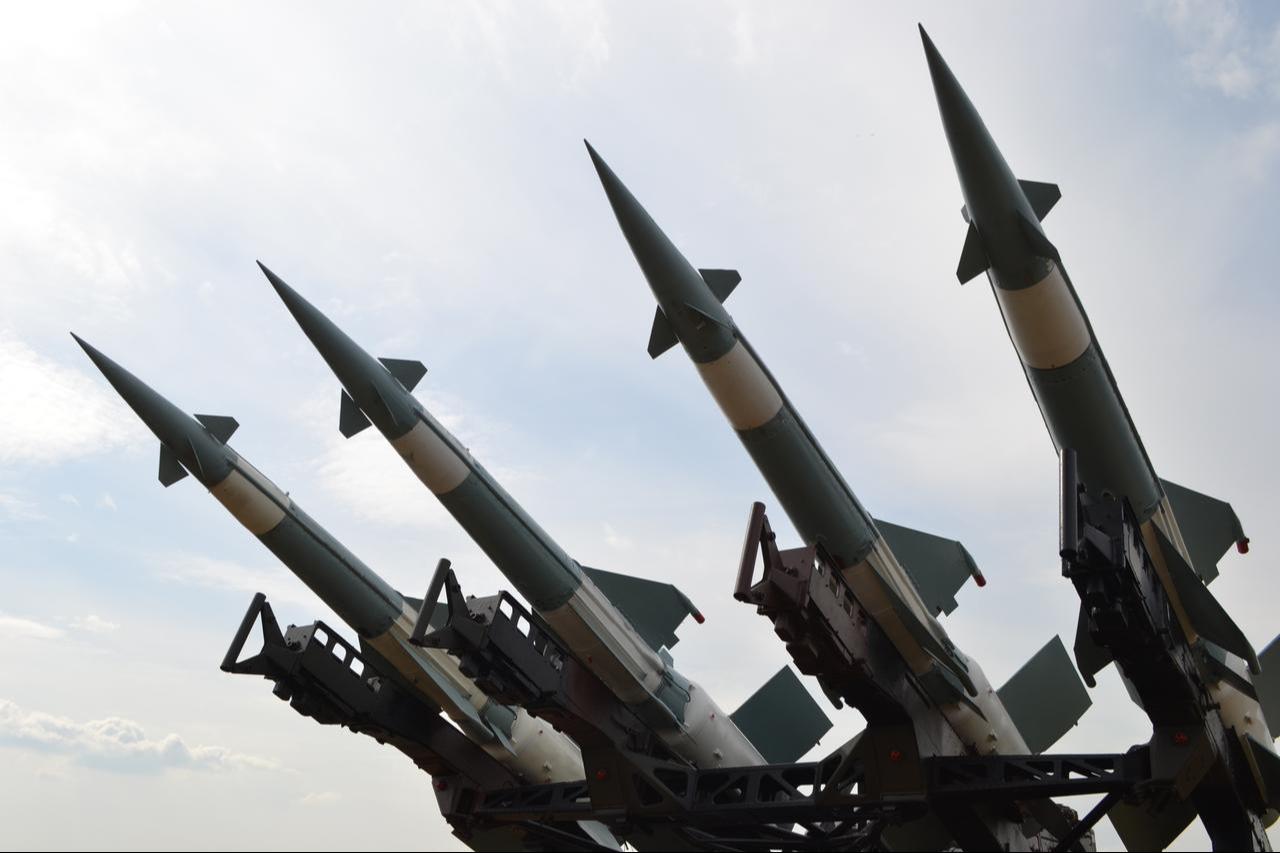

The planned defenses will feature multiple layers of protection, including machine guns, cannons, missiles, and drone-jamming systems.
Tomczyk indicated that certain components are designated for deployment only under extreme circumstances or wartime conditions.
Poland and its NATO allies have already engaged suspected Russian drones over Polish territory, with some aircraft shot down in September when more than a dozen unmanned vehicles reportedly entered Polish airspace. Debris from destroyed drones caused damage to buildings in affected areas.
Most financing for the so-called "drone wall" will come from European sources through the SAFE defense loan program, with supplementary funding drawn from Poland's state budget, according to Tomczyk.
The deputy defense minister framed the fortifications within the broader context of European security, noting that Ukraine's ongoing resistance against Russian forces serves as a buffer for the continent.
"The truth is that as long as Ukraine is defending itself and fighting Russia, Europe is not at risk of war in the conventional, strict sense of the word," he said, while cautioning that Europe would instead face "provocations and acts of sabotage."
Poland shares approximately 200 kilometers (124.2 miles) of border with Russia's Kaliningrad exclave and a longer frontier with Belarus, a close Russian ally. The country has reinforced its eastern defenses significantly since Russia's full-scale invasion of Ukraine in 2022.


 Set as preferred source
 Set as preferred source


 1 min read

 1 min read