Newsletters


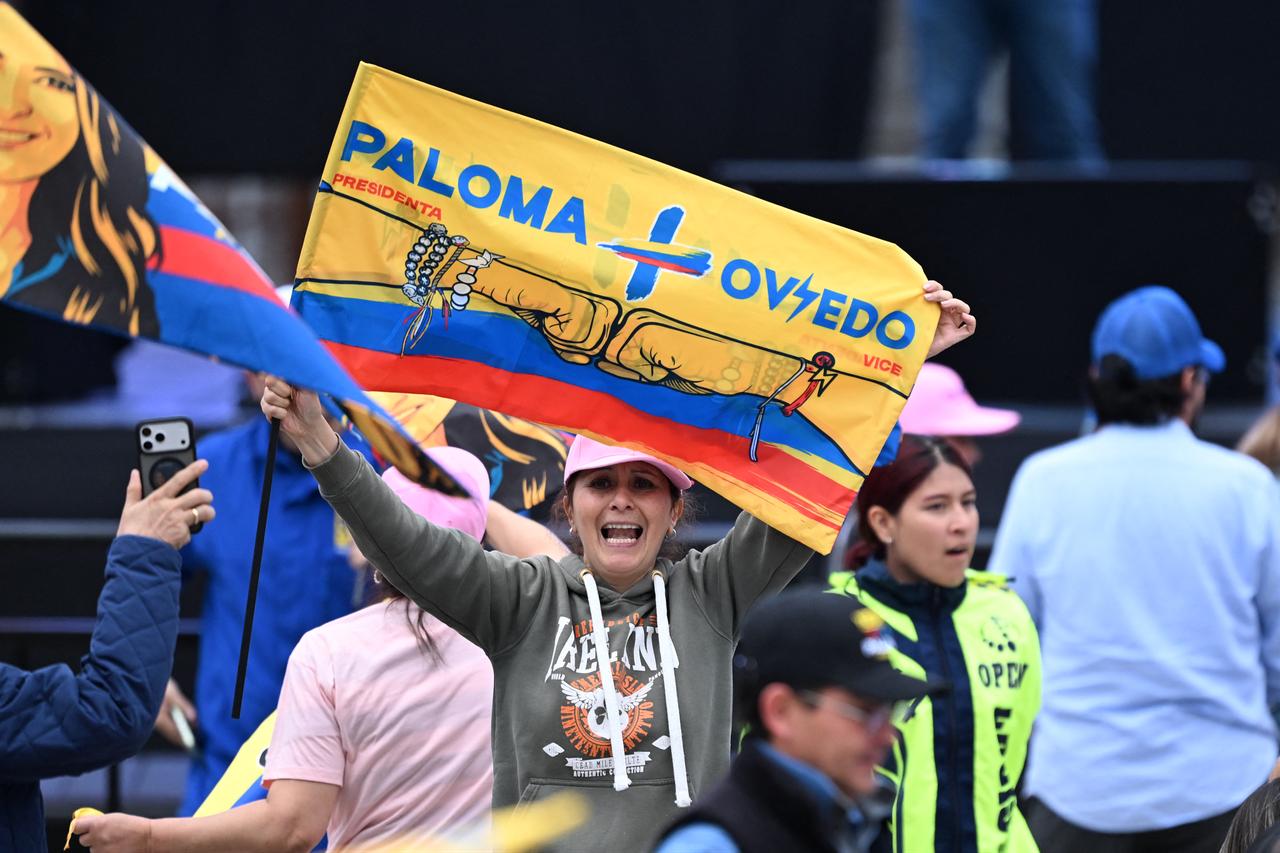


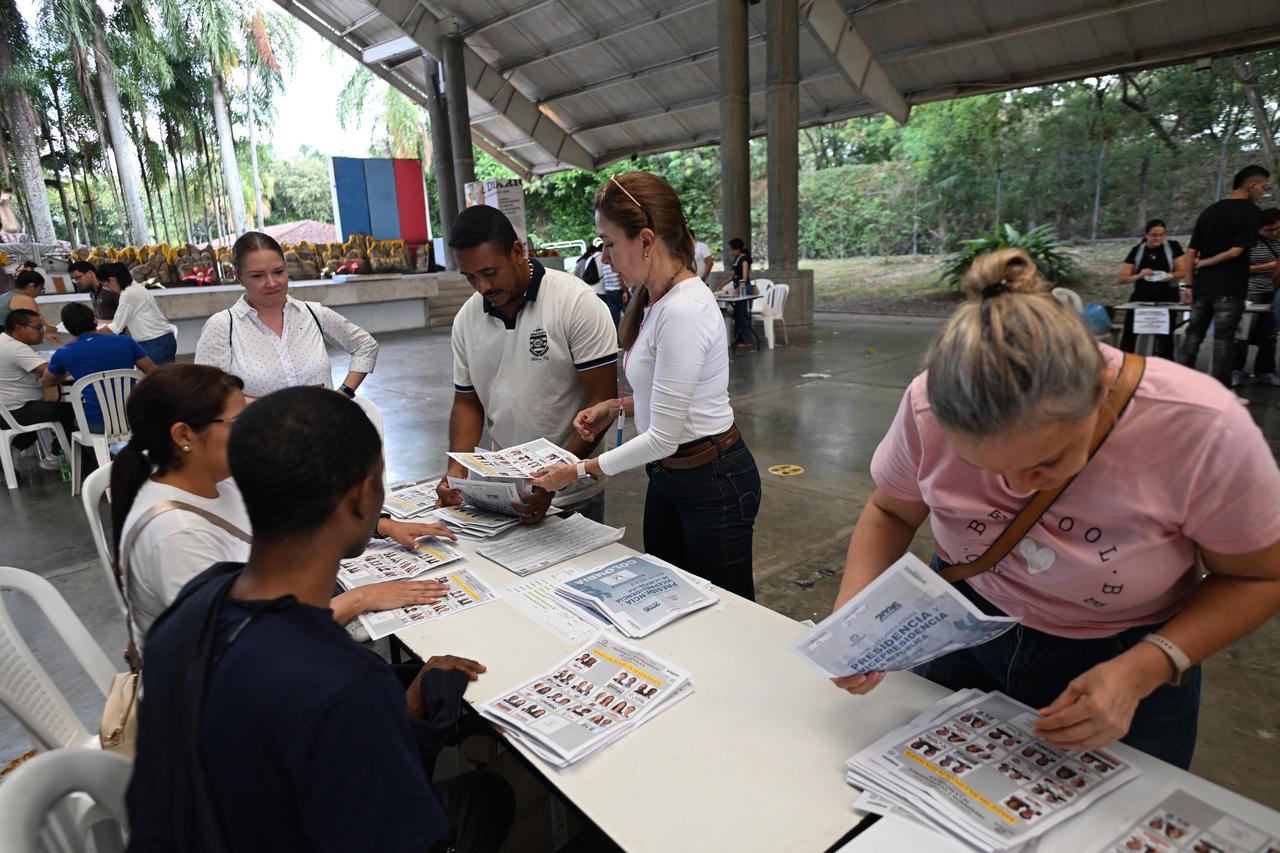
Polls closed Sunday in Colombia's presidential election, a contest that could fundamentally alter the country's foreign alignments and approach to armed violence, as voters chose between a left-wing continuity candidate, a conservative senator and a populist right-wing outsider. A first-round majority appears unlikely, with a runoff widely expected on June 21.
Outgoing President Gustavo Petro, barred by the constitution from seeking a second consecutive term, cast the day in sweeping terms as he addressed supporters in the capital. The vote would "determine where Colombia is headed," he told the crowd, and would "define the destiny" of the nation. Voting ran from 08:00 to 16:00 local time.
Polling places opened against a backdrop of armed violence that election monitors say puts more than a quarter of Colombia's roughly 1,100 municipalities at some risk of disruption. The defence ministry deployed 408,000 soldiers and police to secure the process. Hours before voting began, authorities in the northern Cesar region relocated a polling station after a drone attack on security forces left a soldier wounded.

The central fault line of the campaign has been Petro's signature "total peace" policy, which sought simultaneous negotiated settlements with insurgent and criminal groups involved in drug trafficking. Petro's chosen successor, left-wing senator Ivan Cepeda, has pledged to continue that approach, arguing that Colombia's conflict cannot be resolved through military force alone.
Cepeda, 63, is a former human-rights advocate and peace negotiator who helped broker Colombia's 2016 agreement with the Revolutionary Armed Forces of Colombia, known as FARC, the landmark deal that ended decades of guerrilla conflict with the group's main leadership.
The peace talks under Petro, however, have stalled or collapsed with multiple armed factions, and violence has surged. The International Committee of the Red Cross said in a recent report that armed conflict last year affected civilians more severely than at any point in a decade.
Conservative candidate Paloma Valencia and political newcomer Abelardo de la Espriella have both called for a sharp break with the negotiation strategy, vowing military crackdowns against armed groups if elected.
The campaign has itself been conducted under the shadow of political violence: one early candidate, Miguel Uribe, was fatally shot last summer. Valencia subsequently entered the race as the established conservative party's standard-bearer, appealing to centrist voters while espousing smaller government, the elimination of wealth taxes and loans for entrepreneurs.
De la Espriella, a lawyer and businessman with no prior political office, has fashioned himself as a disruptive outsider, pledging to combat crime with an "iron fist" and refusing to govern "with the same old crowd," a pointed reference to the pre-Petro political establishment.
He has expressed admiration for U.S. President Donald Trump, Argentine President Javier Milei and El Salvador's Nayib Bukele, and appeared at campaign rallies behind bulletproof glass, at times wearing a vest of the same kind.
Valencia has appeared frequently alongside former president Alvaro Uribe, Colombia's longtime right-wing political patriarch, and has positioned herself as a defender of individual freedoms. Both she and de la Espriella have expressed a desire to restore Colombia's close security alliance with the United States, which frayed significantly under Petro.
Cepeda, meanwhile, has insisted, as Petro did, that Colombia should not function as a "vassal state" to Washington, though observers have noted that bilateral anti-drug cooperation continued even during the sharpest periods of tension between the two governments.
The election arrives after months of acrimony between Bogota and Washington. Trump accused Petro of failing to prevent Colombian cocaine from reaching U.S. consumers, at one point calling him "a sick man who likes selling cocaine to the United States" and warning that he "could be next" for American military intervention.
Petro argued his government had carried out the largest drug seizures in the country's history, though cocaine production also reached record highs on his watch, according to the United Nations World Drug Report 2025. Petro contests the UN's methodology.
The two leaders appeared to have patched over their disputes at a White House meeting in February, after which Trump described his guest as "terrific." The capture of Venezuelan leader Nicolas Maduro by U.S. forces in January, however, has left Petro as one of the last remaining left-wing leaders in the region not ideologically aligned with the Trump administration.
Polling places closed with Cepeda holding the broadest support in surveys, with de la Espriella his nearest rival. The outcome of any June runoff is likely to determine not only who governs Colombia's 41 million people, but whether Bogota tilts back toward Washington or continues charting a more independent course.


 Set as preferred source
 Set as preferred source


 1 min read
 1 min read