

 Newsletters


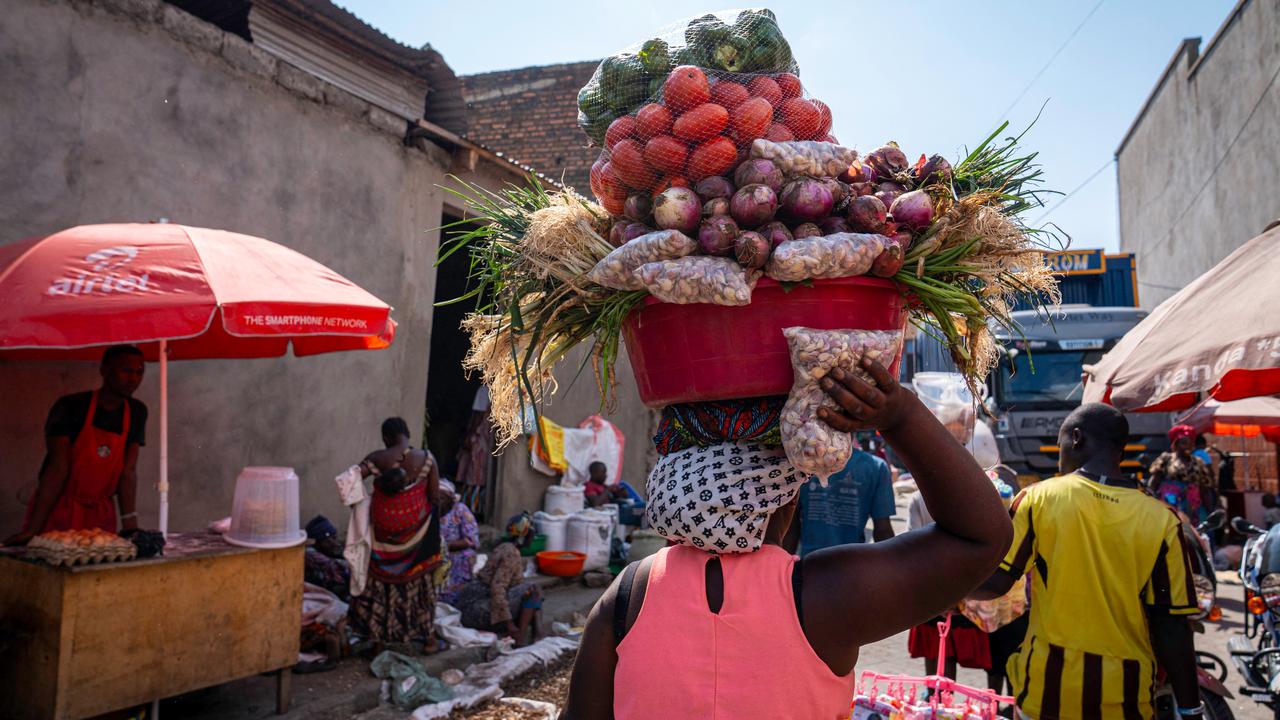
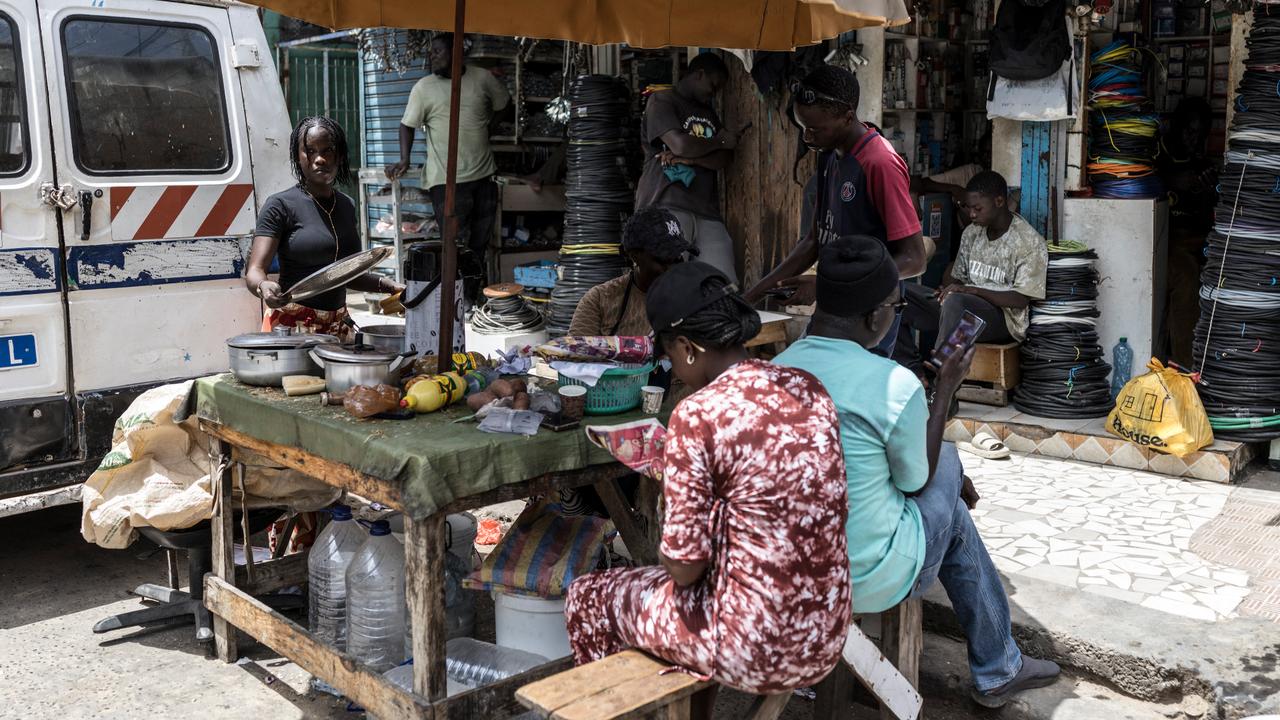
Across the sidewalks, residential areas and public spaces of African cities, the informal economy is thriving under the noses of authorities, who often lack the power to stop it.
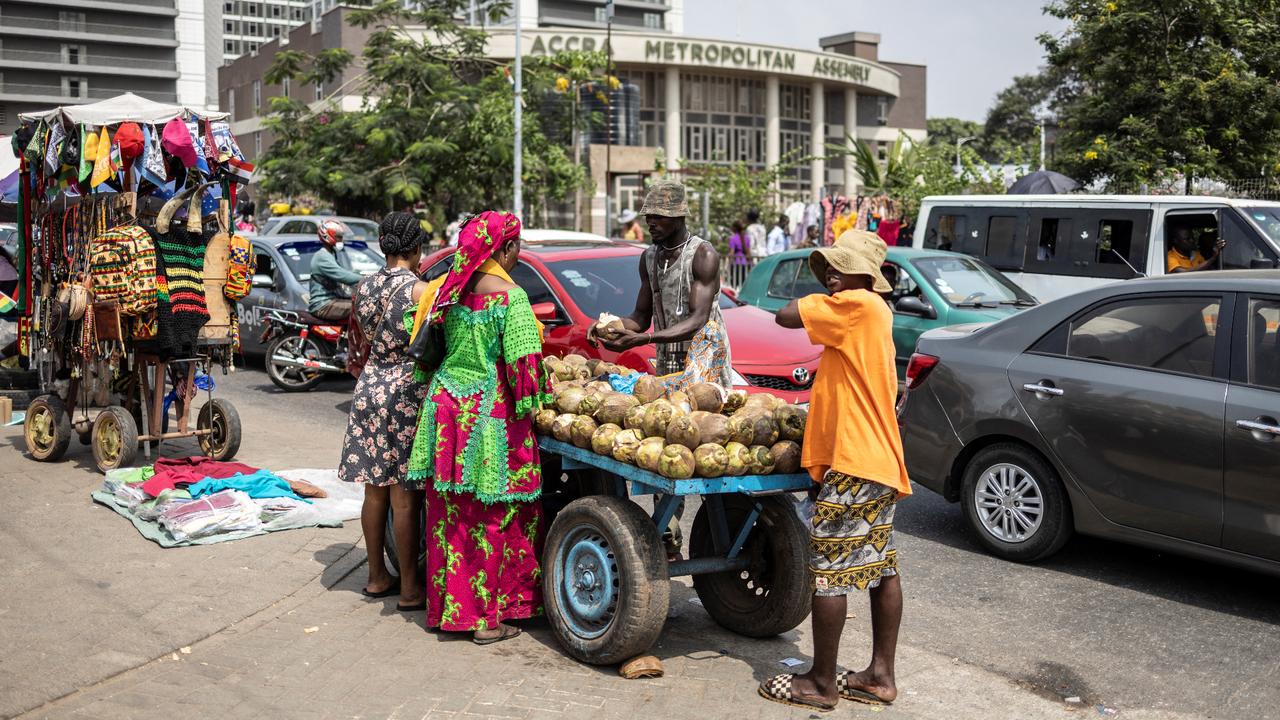
Poverty, unemployment and bureaucratic red tape push tens of millions of Africans into work that goes unregulated, untaxed or unprotected by the government.
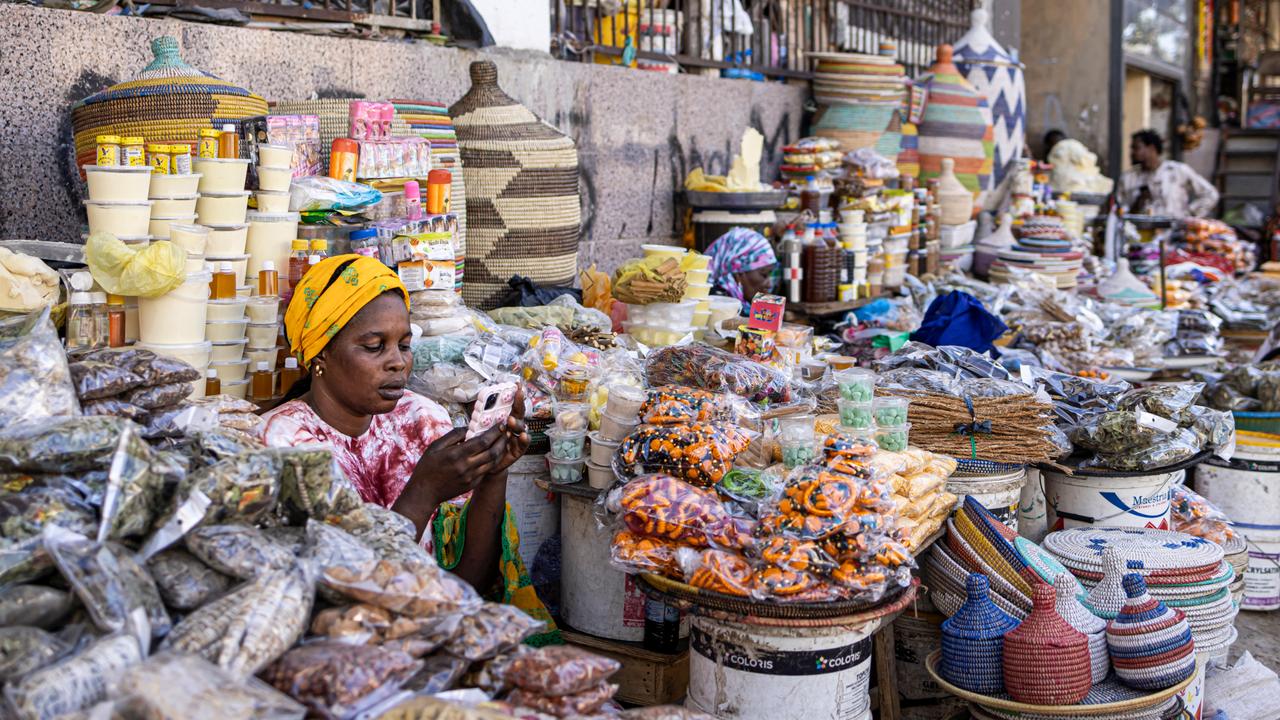
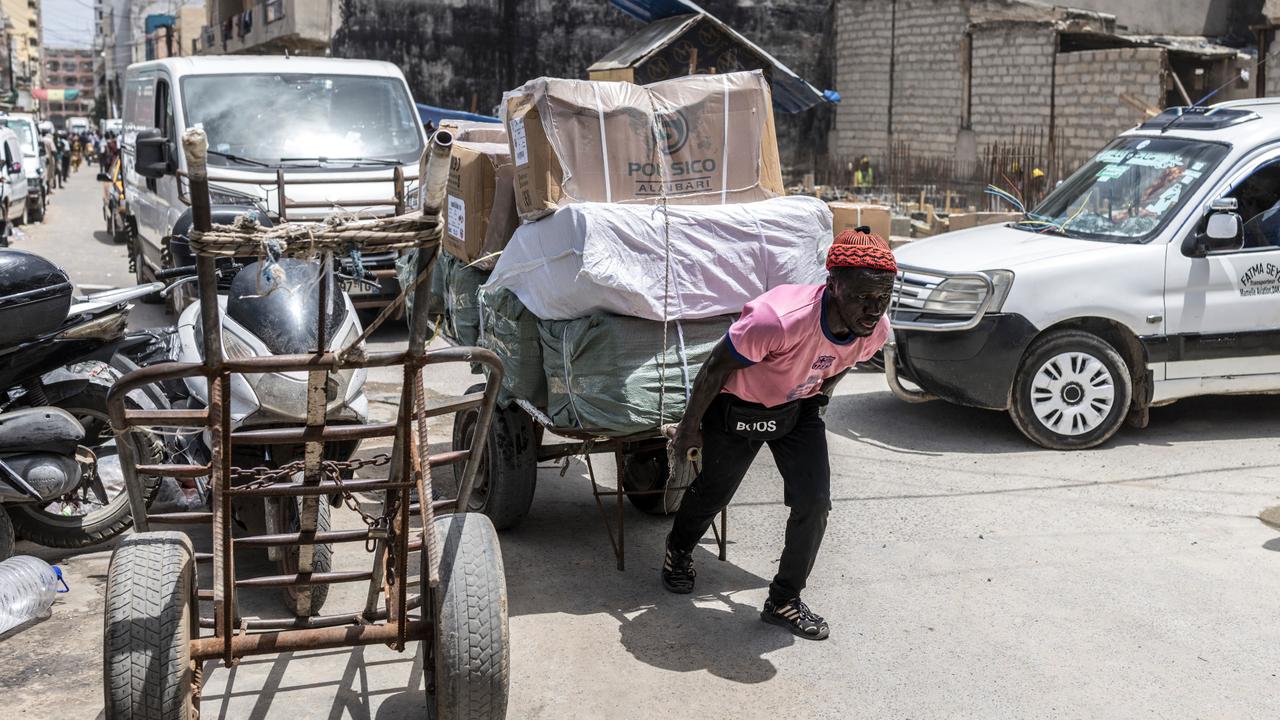
From Abidjan to Dakar and Abuja, mechanics, scrap dealers, motorcycle taxi drivers and street vendors squeeze into the tiniest corners to run their businesses.
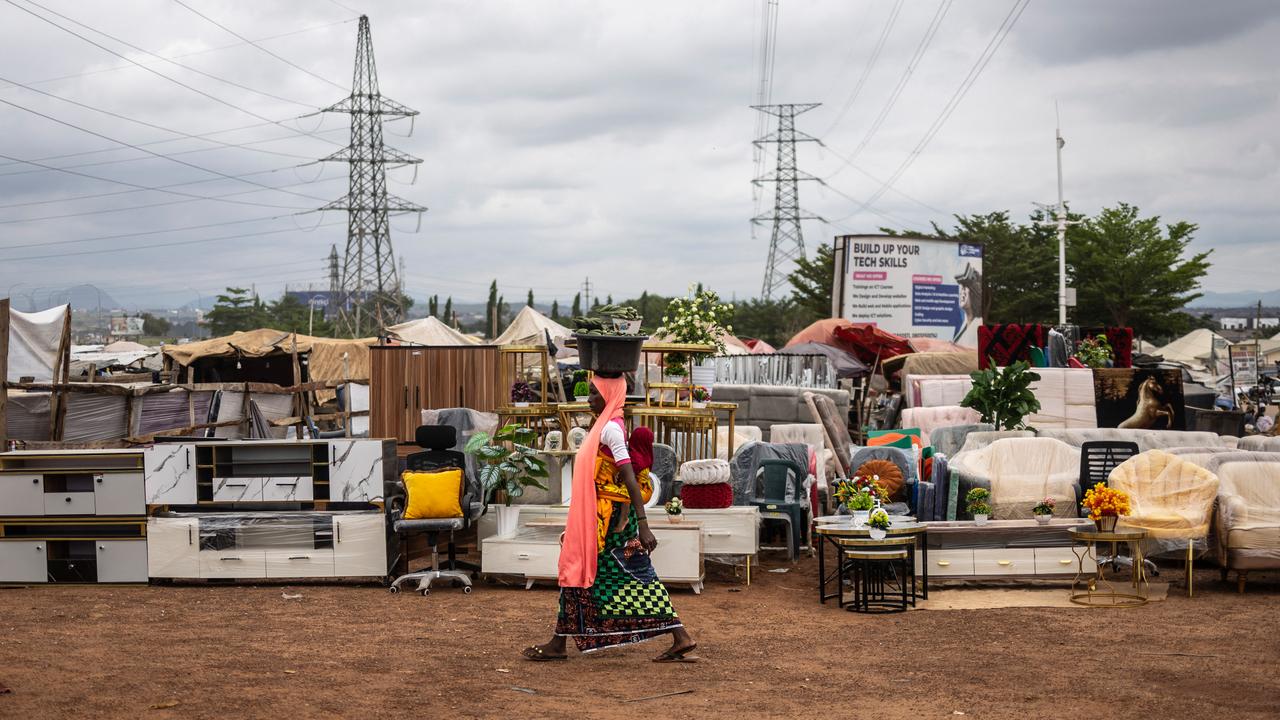
"Life starts somewhere, so I've started here," said Lohbip El-Pius Binyir, who operates a money transfer point and also sells bread, biscuits and drinks from a small pavement stall in the Nigerian capital, Abuja. The 35-year-old has managed to set himself up in a fashionable district, even though informal businesses like his remain largely confined to poorer neighborhoods.
He attributes the authorities' leniency partly to the tidy, minimal way he operates his business: a bench, umbrella, card reader and table he folds up and carts away each evening.
On a street in Abidjan, Ivory Coast's economic capital, municipal officers chased down informal vendors who had set up stalls on the pavements and, in some cases, the roads.
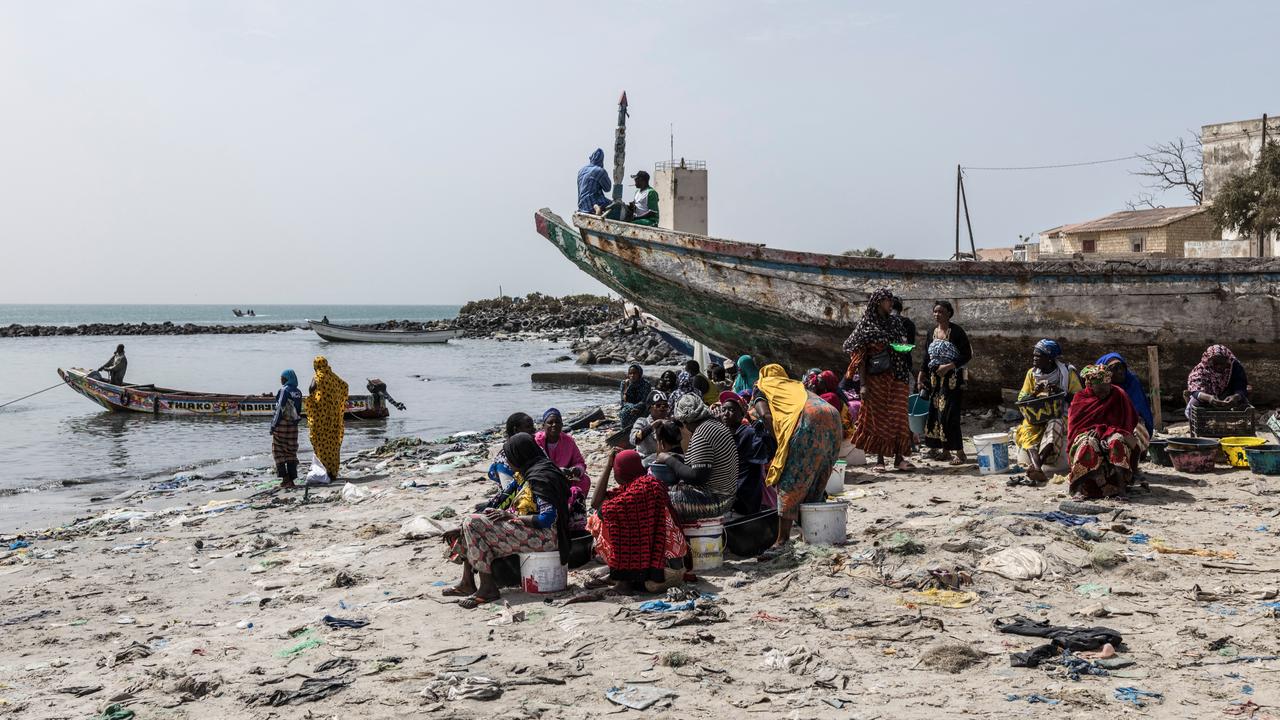
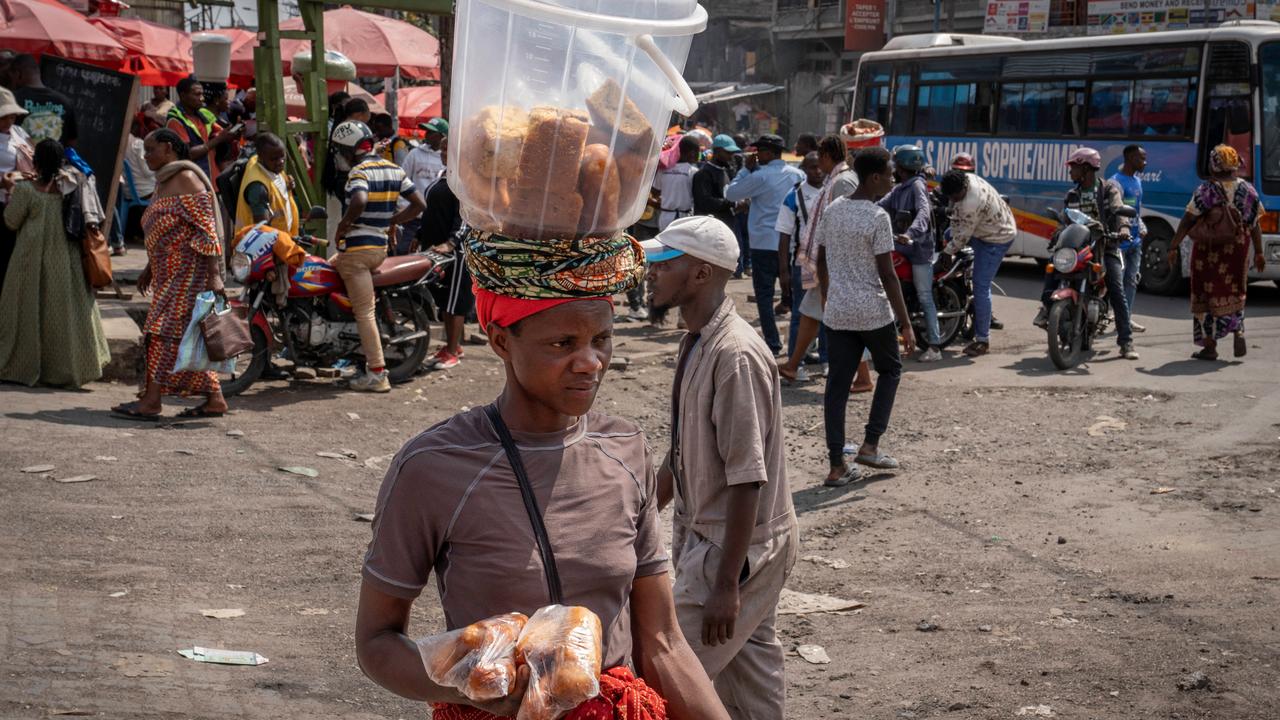
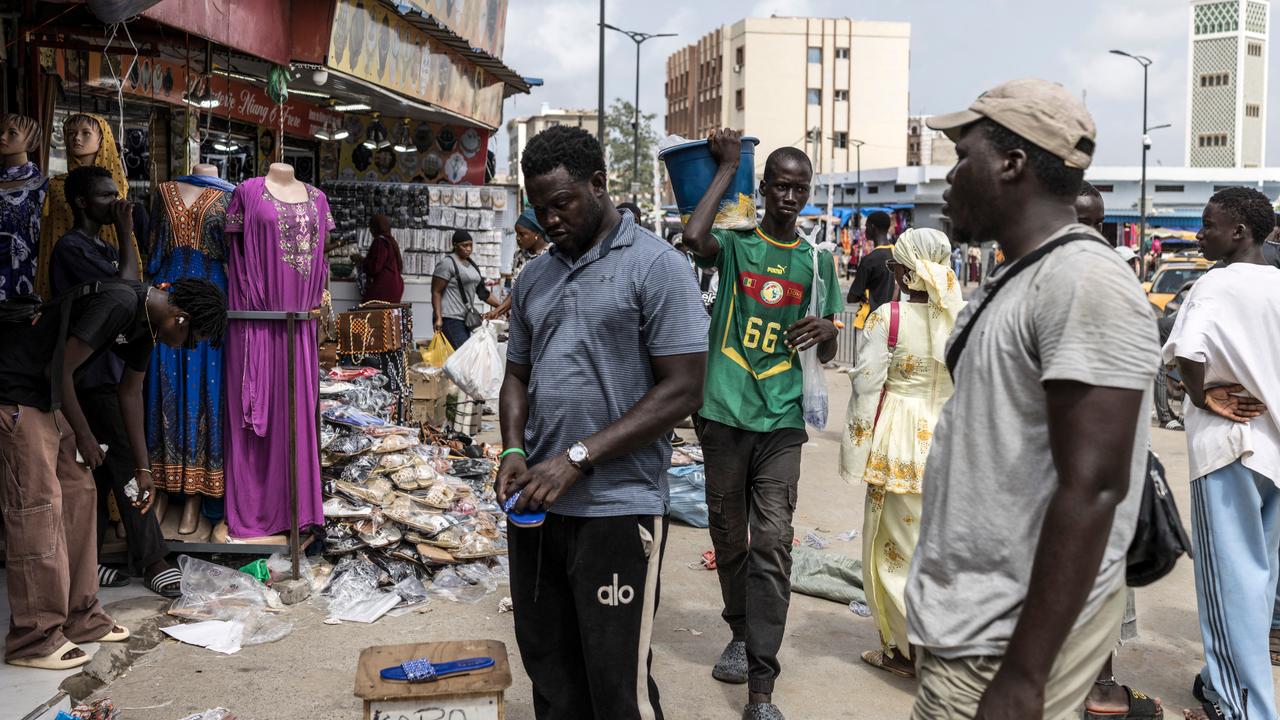
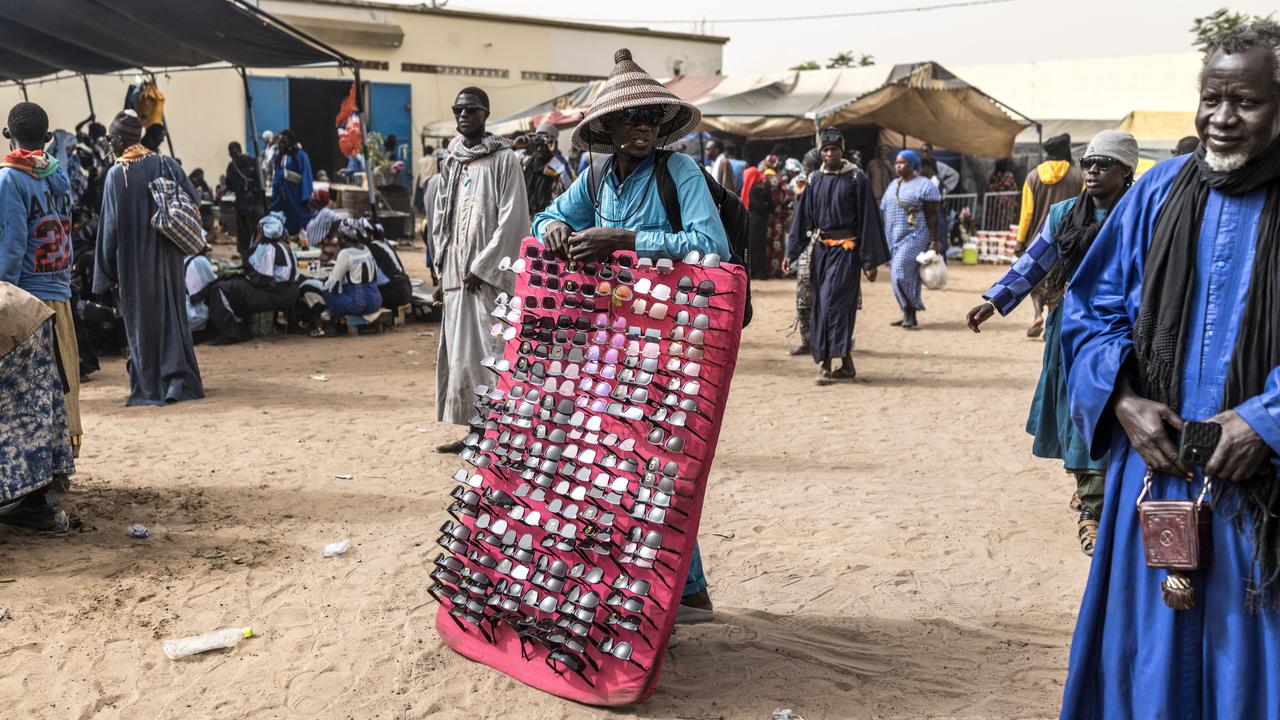
This is a common scene in megacities across the continent, where kiosks, carts, containers, tables and stalls laid out on the ground form part of the urban landscape.
In the early 1970s, informal employment in Africa stood at an estimated 60%, but that figure has climbed to nearly 83% in recent years, according to the International Labor Organization. In Ivory Coast, Senegal, Mali and Nigeria, it now exceeds 90% of the active population.
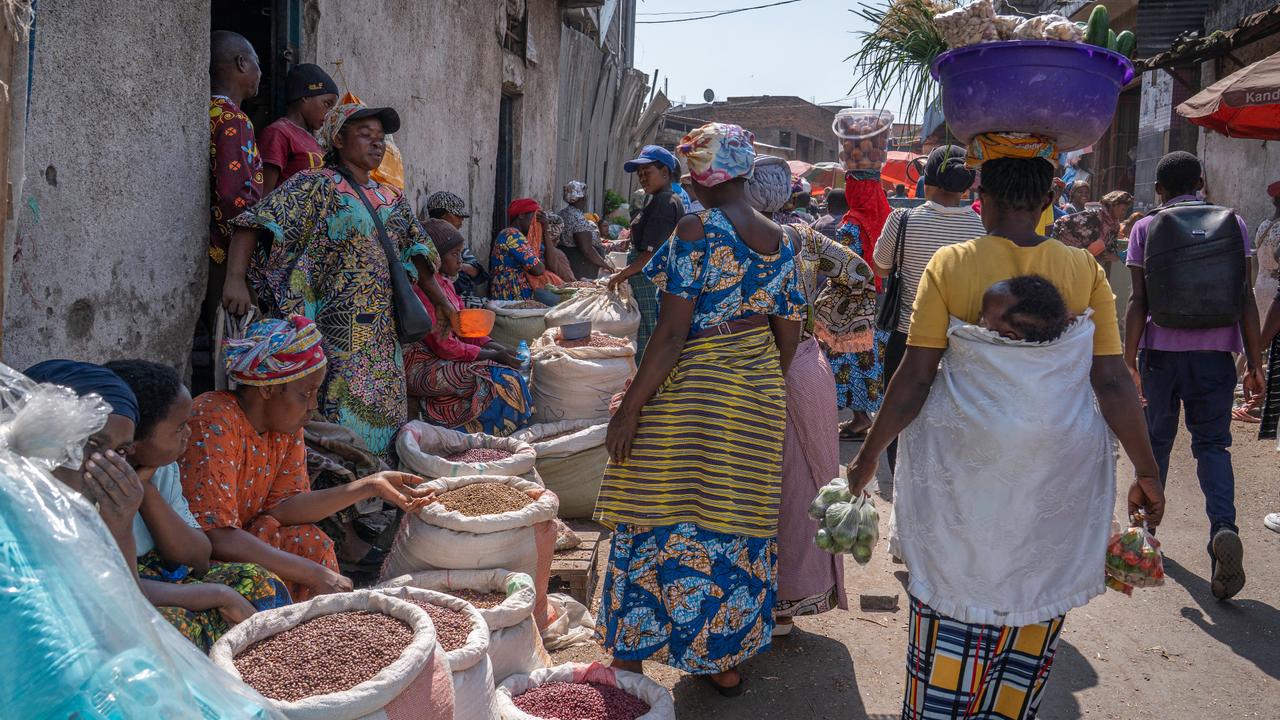
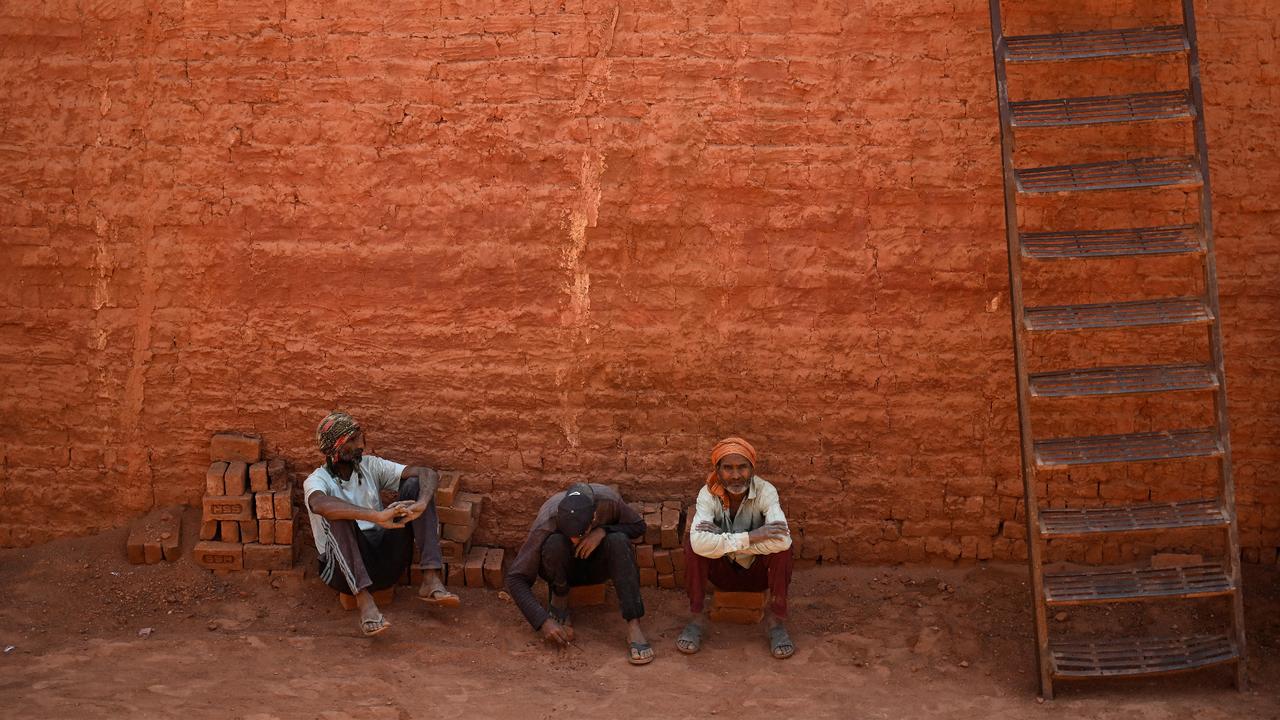
Beyond small vendors, the informal sector also includes large numbers of people working without a contract or social security coverage in artisanal trades, security, the restaurant industry or cleaning, who face precarious livelihoods.
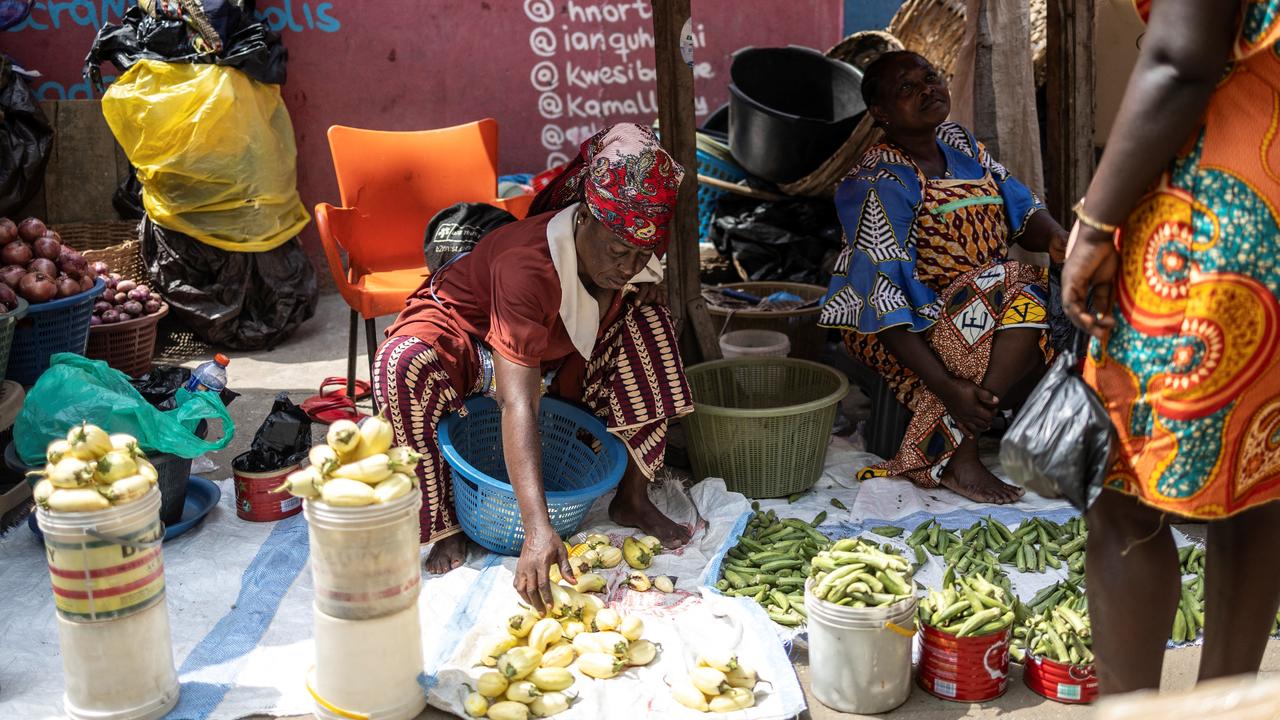
"It's a survival economy, the only door left open for many Africans," said economist Guillaume Liby, pointing to a failing institutional environment and strong population growth.
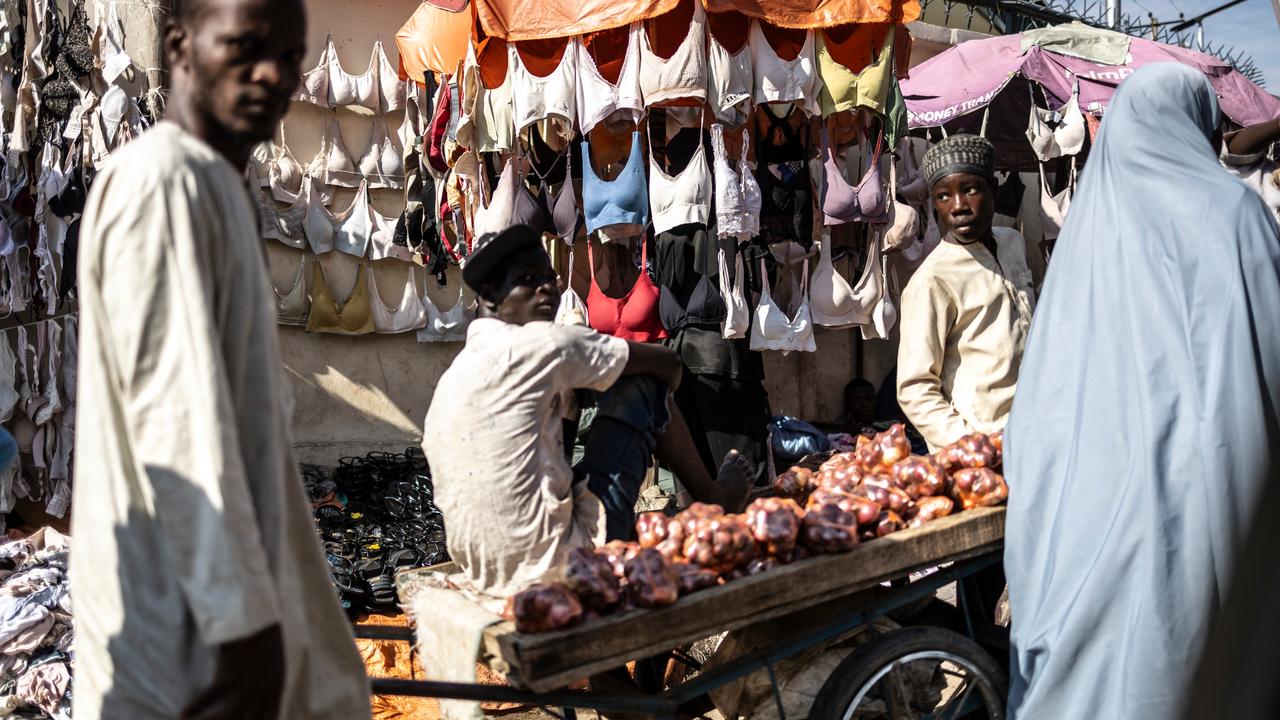
The informal sector forms a major part of the economy, accounting for up to 65% of the continent's gross domestic product, according to the International Monetary Fund. Yet, while the sector remains untaxed, it represents a considerable loss of revenue for African governments, economists say.
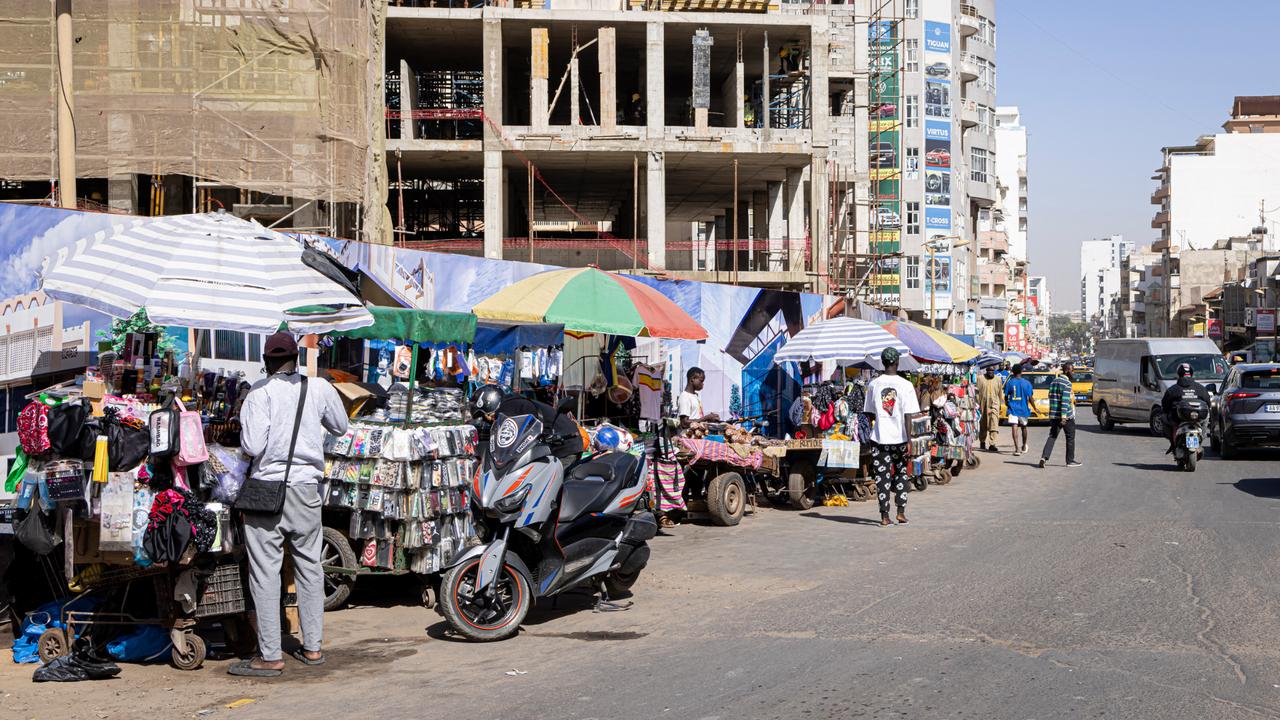
Governments are often urged to adopt policies that encourage informal-sector workers to register with tax authorities, ease access to financing, and create infrastructure needed to accommodate small entrepreneurs.
In Ivory Coast, reducing the "significant weight" of the informal sector, notably through the creation of a status for small entrepreneurs, forms one pillar of an ambitious national development plan, unveiled in July.
Benin's efforts are already bearing fruit after the country introduced a policy centered on building new, modern markets and reorganizing large commercial areas. Formerly accounting for 97% of employment, the informal economy now represents 85% of jobs. Beninese authorities tout a strategy that has allowed the state to boost tax revenues while providing better working conditions and combating unsanitary practices.


 Set as preferred source


 1 min read


