Newsletters


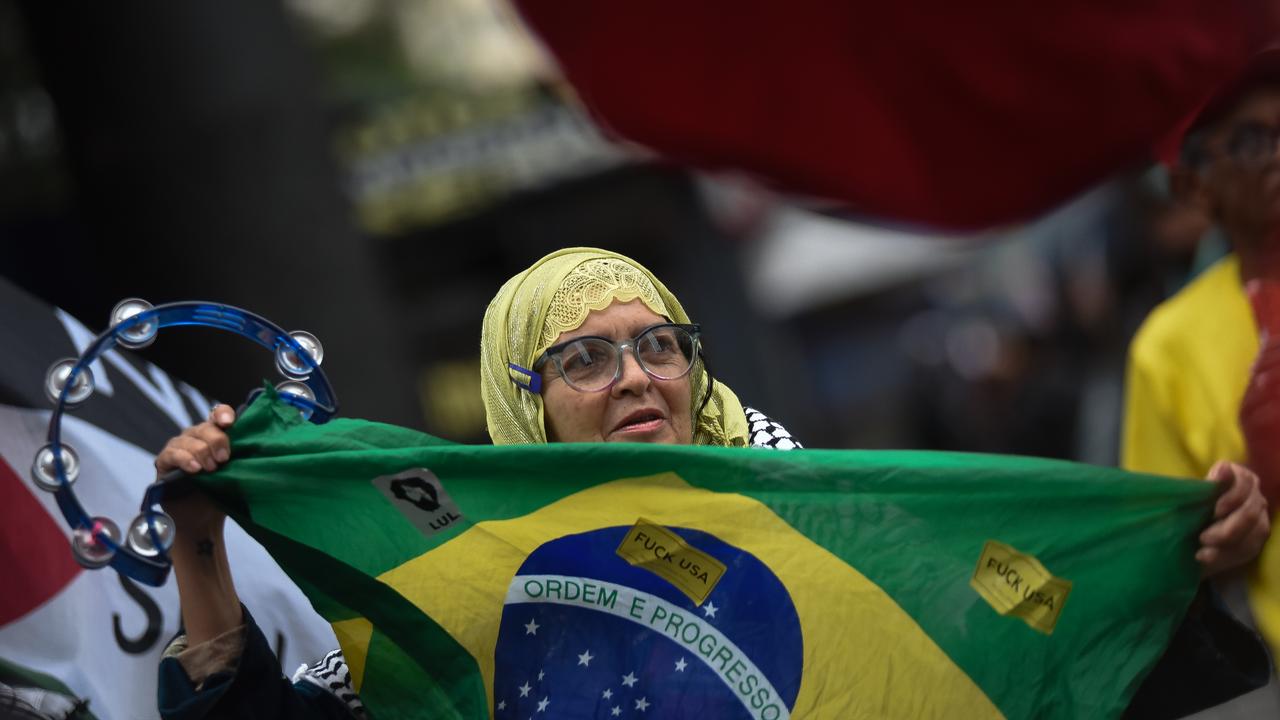
Brazil heads to the polls on Oct. 4, with voters set to choose a successor to President Luiz Inacio Lula da Silva in one of the most closely watched elections in the country's recent history. Here's a look at four of the leading candidates.
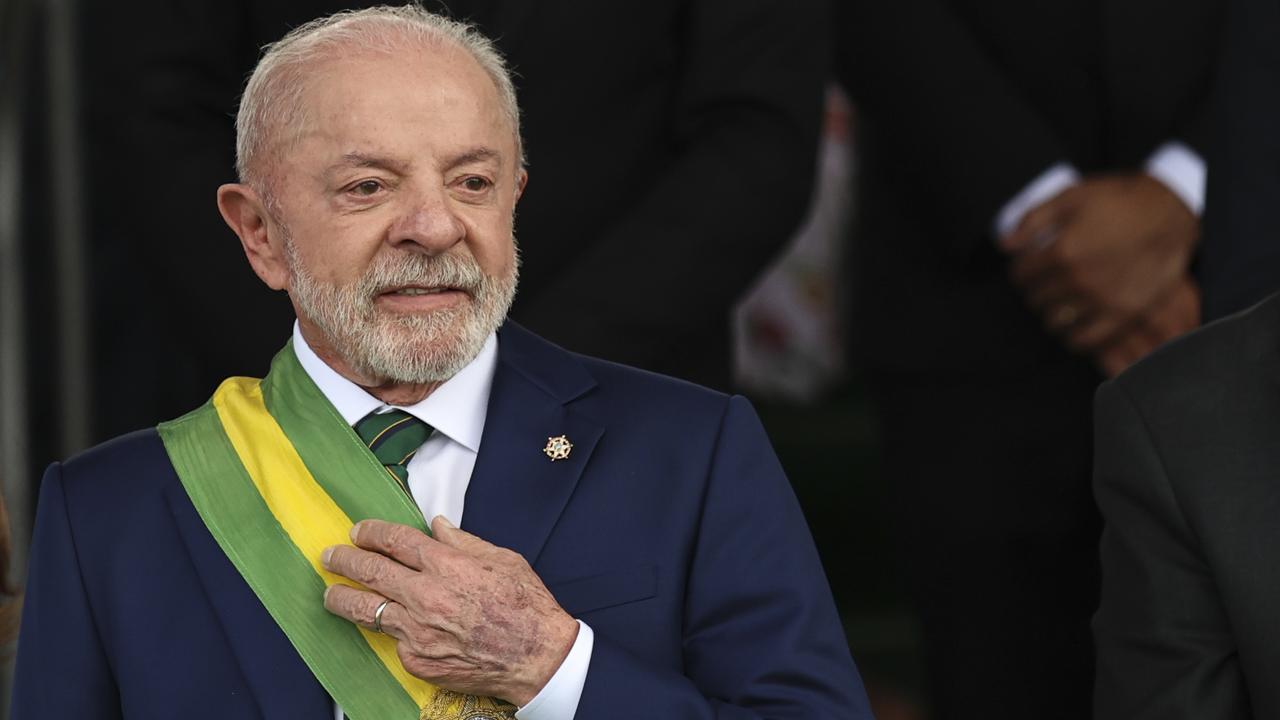
Lula is seeking the presidency for a seventh time, casting his campaign partly as a bid to block the Bolsonaro family's return to power.
A fixture in Brazil’s politics since the 1980s, he narrowly beat Jair Bolsonaro in the 2022 election.
In his third term, Lula has worked to revive Brazil's foreign policy while managing a turbulent relationship with the U.S. under Trump 2.0, gaining popularity by framing tariffs as infringements on Brazilian sovereignty.
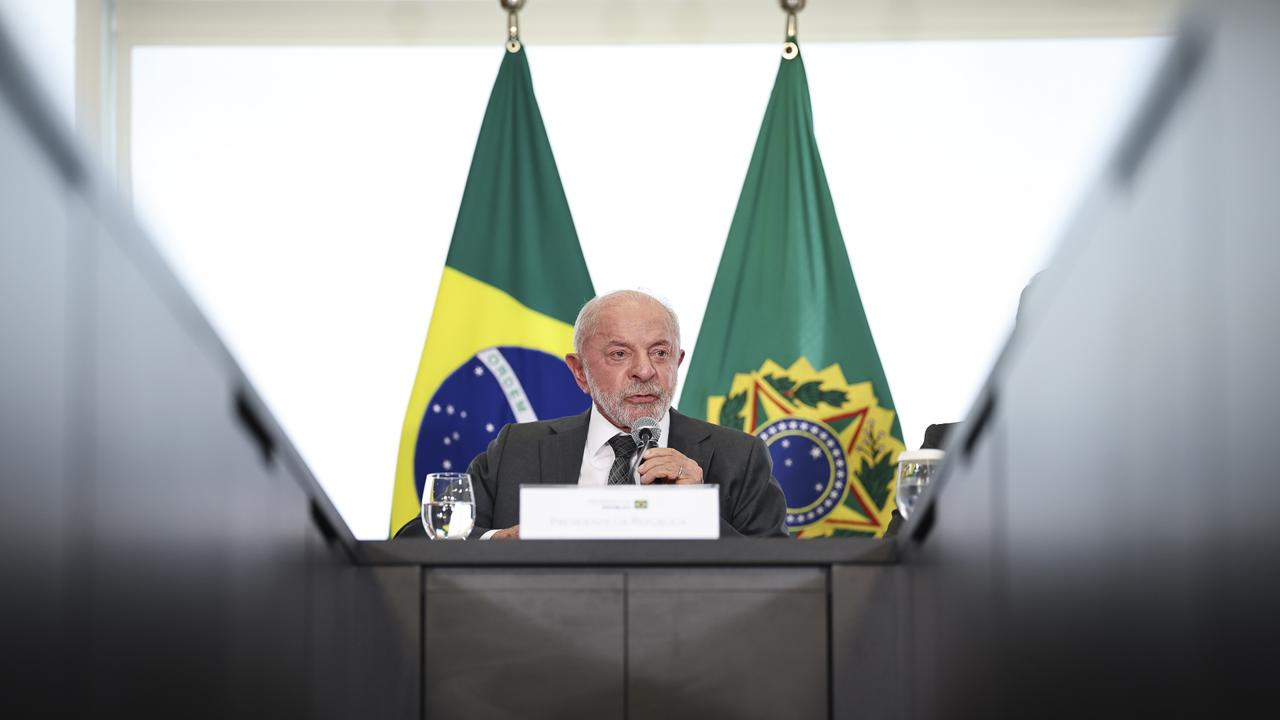
Ahead of the election, his government has broadened a debt-relief program and introduced temporary fuel subsidies amid rising gas prices due to the war in Iran.
Despite Brazil's relatively strong economy, with unemployment at its lowest level since 2012, affordability remains a top concern for voters.
Many also worry about Lula’s age; if reelected, he would be 81 on inauguration day.
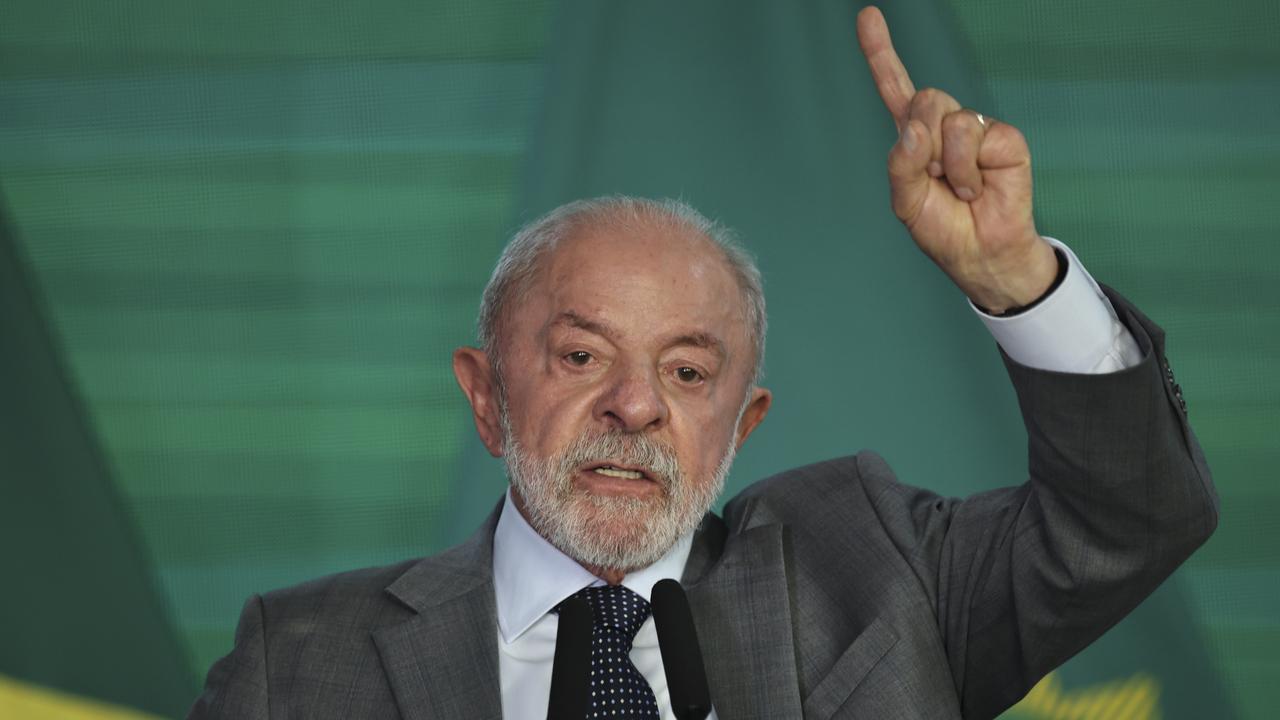
Lula has stated that his fourth term “will be about helping this country take the decisive leap toward becoming a developed nation,” though he has offered no specific economic plan yet.
He has supported widely popular legislation to end Brazil’s six-day work week and move to a five-day, 40-hour model without cutting pay.
He would likely follow his usual approach, prioritizing social programs, strengthening state energy company Petrobras and backing oil drilling in the Amazon while curbing deforestation and expanding renewables.
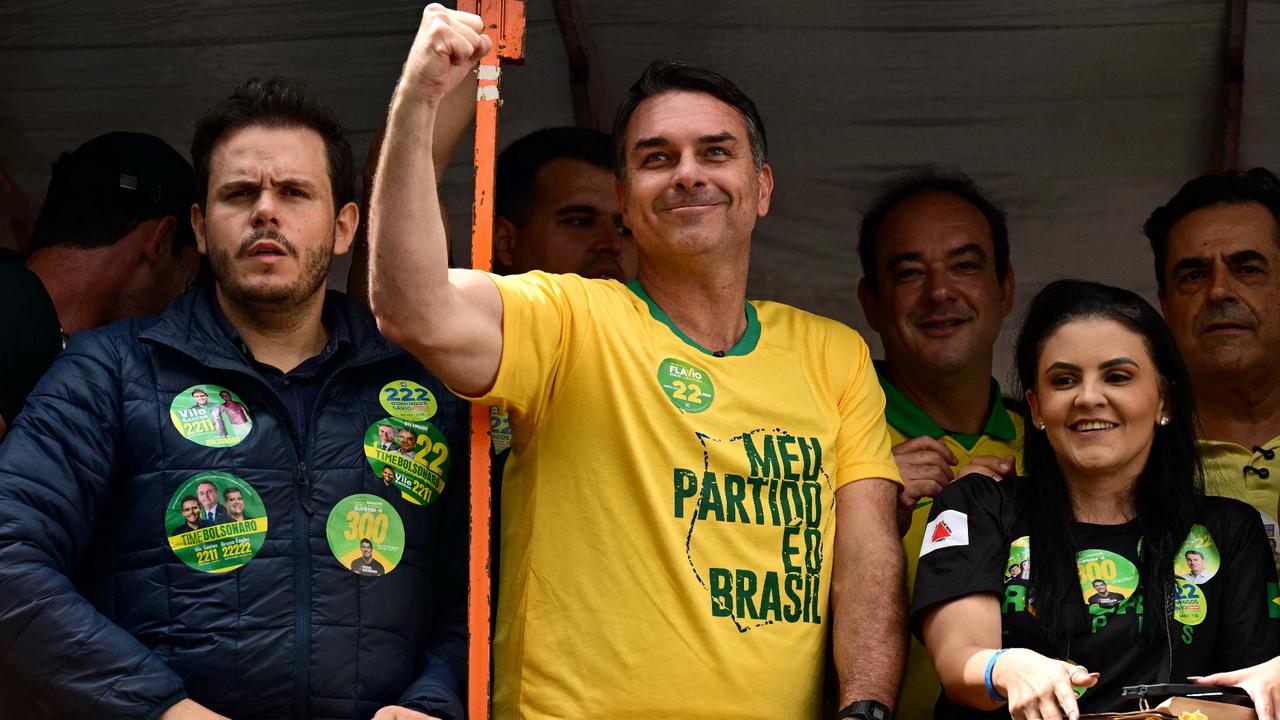
The eldest son of former President Jair Bolsonaro, Flávio is campaigning to carry on his father’s political legacy.
He served four terms in Rio de Janeiro’s state assembly (2003-19) and won his 2018 Senate campaign with more than 4 million votes.
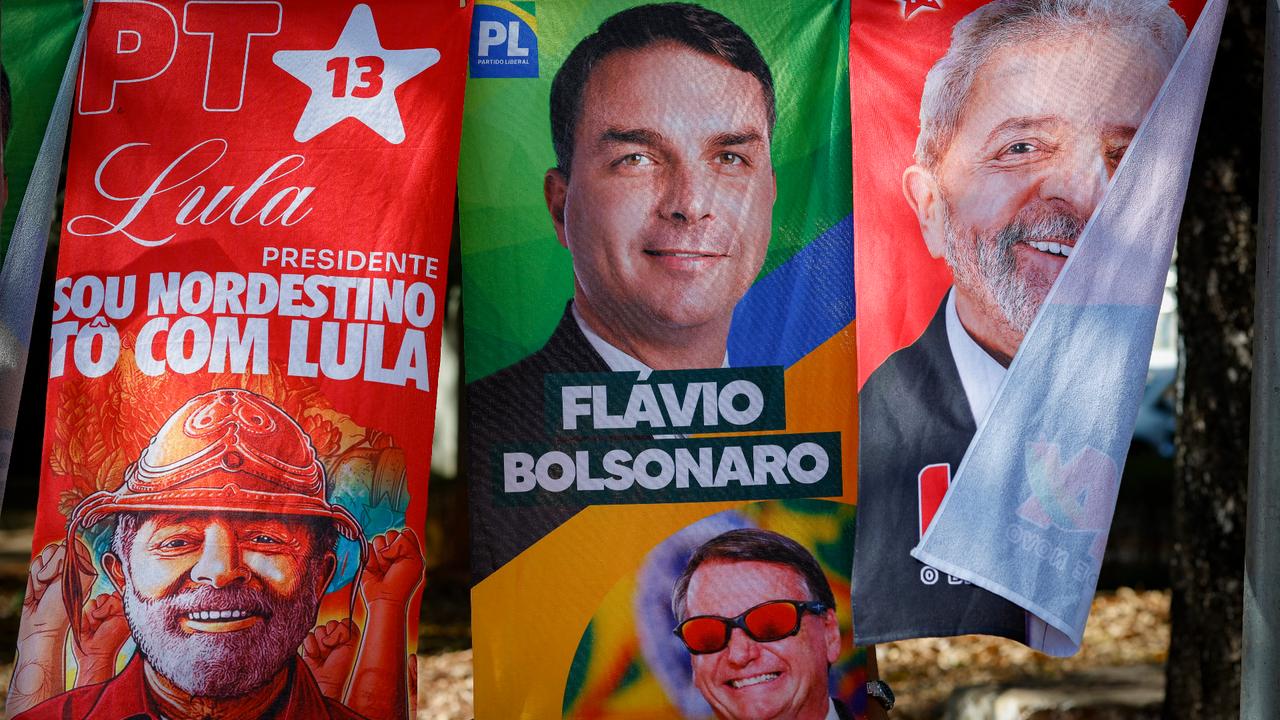
He holds a wide polling lead over other right-wing contenders and is seen as less combative than his father and brothers.
As head of the Senate's Public Security Committee, Flavio is viewed by voters as tougher on crime than Lula. Despite falling national homicide rates, crime remains Brazilians' leading concern.
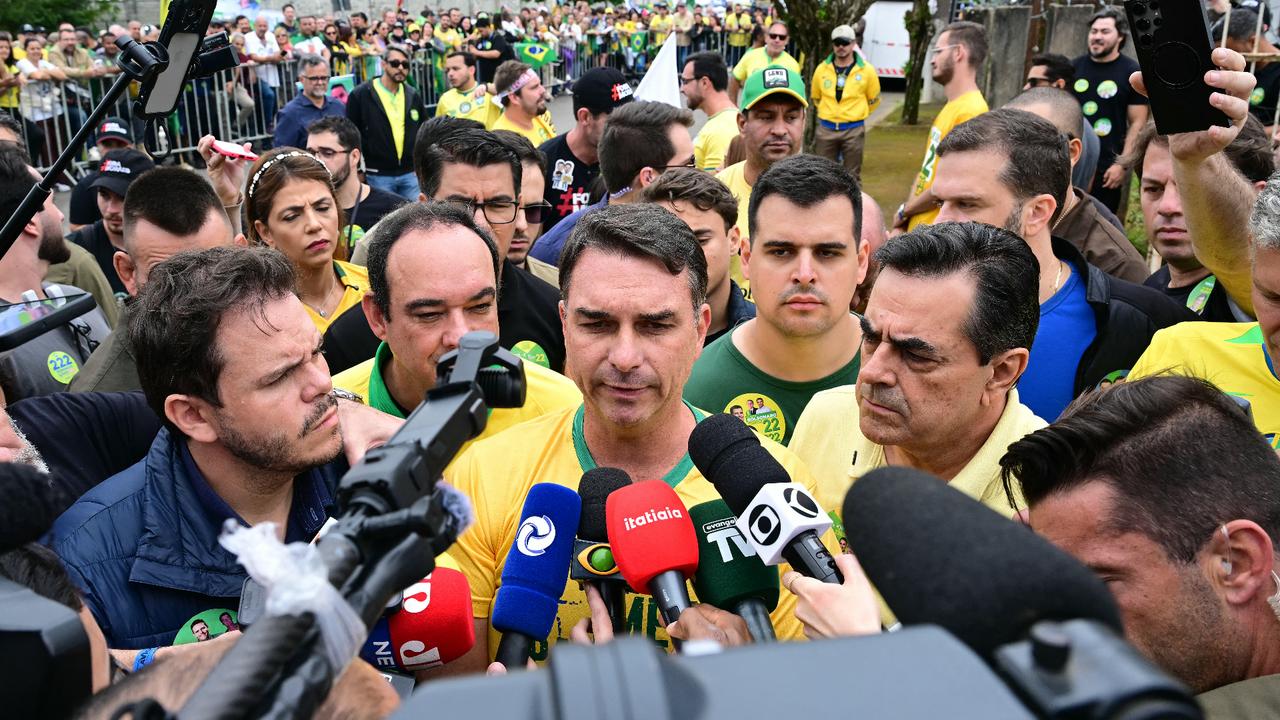
He has unveiled a 12-point security plan, Brasil sem Medo (Brazil without Fear), that would label criminal groups "narcoterrorist organizations" and fund five new maximum-security prisons modeled on El Salvador's system.
Javier Milei and Benjamin Netanyahu have both endorsed him, and Donald Trump has signaled support.
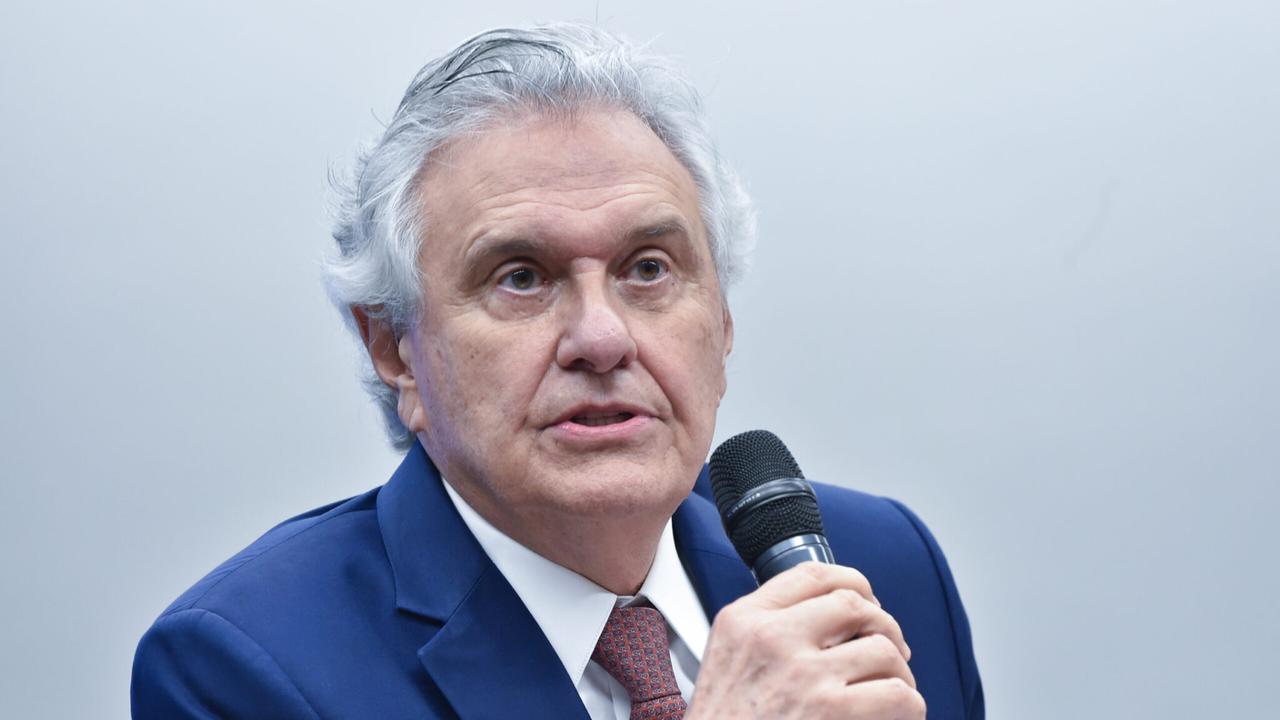
A medical doctor by training, Caiado is positioning himself as an alternative to the race's polarization.
This marks his second presidential run; he first ran in 1989, winning less than 1% of the vote.
Caiado served five terms in Congress' lower house and won a Senate seat in 2014. He governed his home state of Goias, in Brazil’s center-west agricultural heartland, from 2019 until resigning this March to run for president.
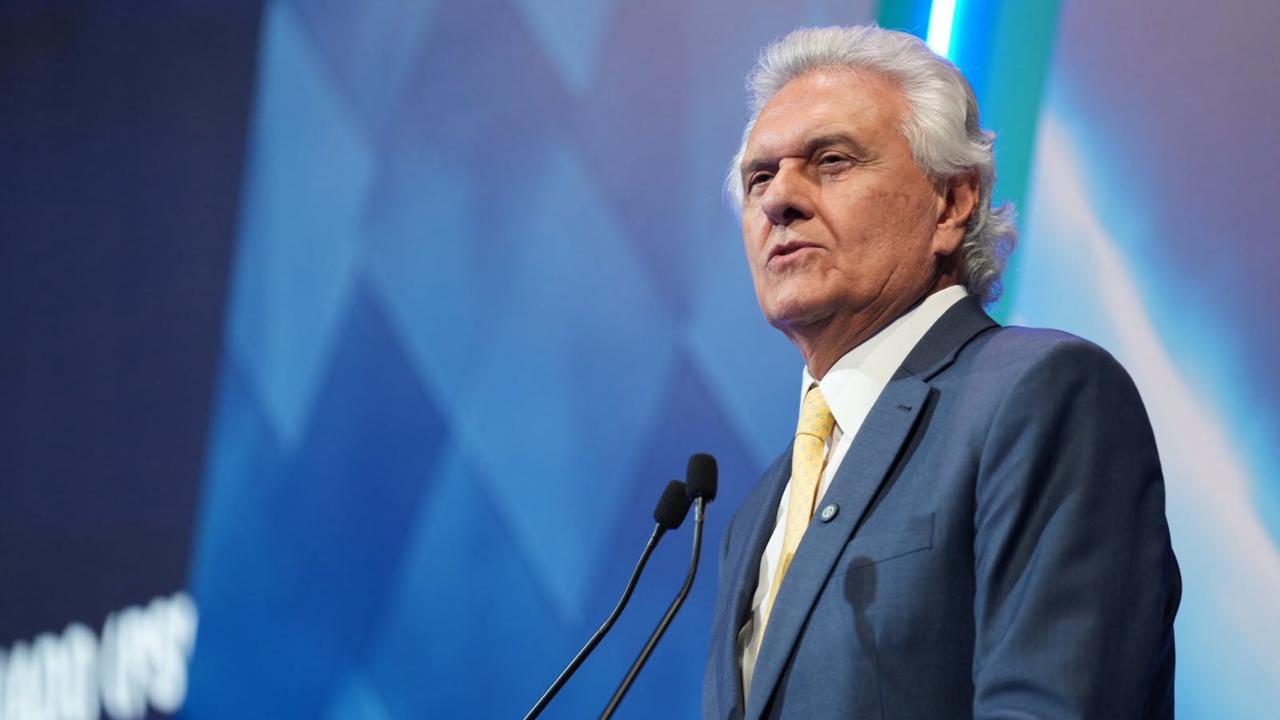
He has built a reputation as an effective governor focused on fighting crime, with longstanding ties to Brazil's powerful agribusiness sector.
Caiado has pledged that, if elected, his first act would be granting a “broad, general and unrestricted amnesty” to those involved, including the former president.
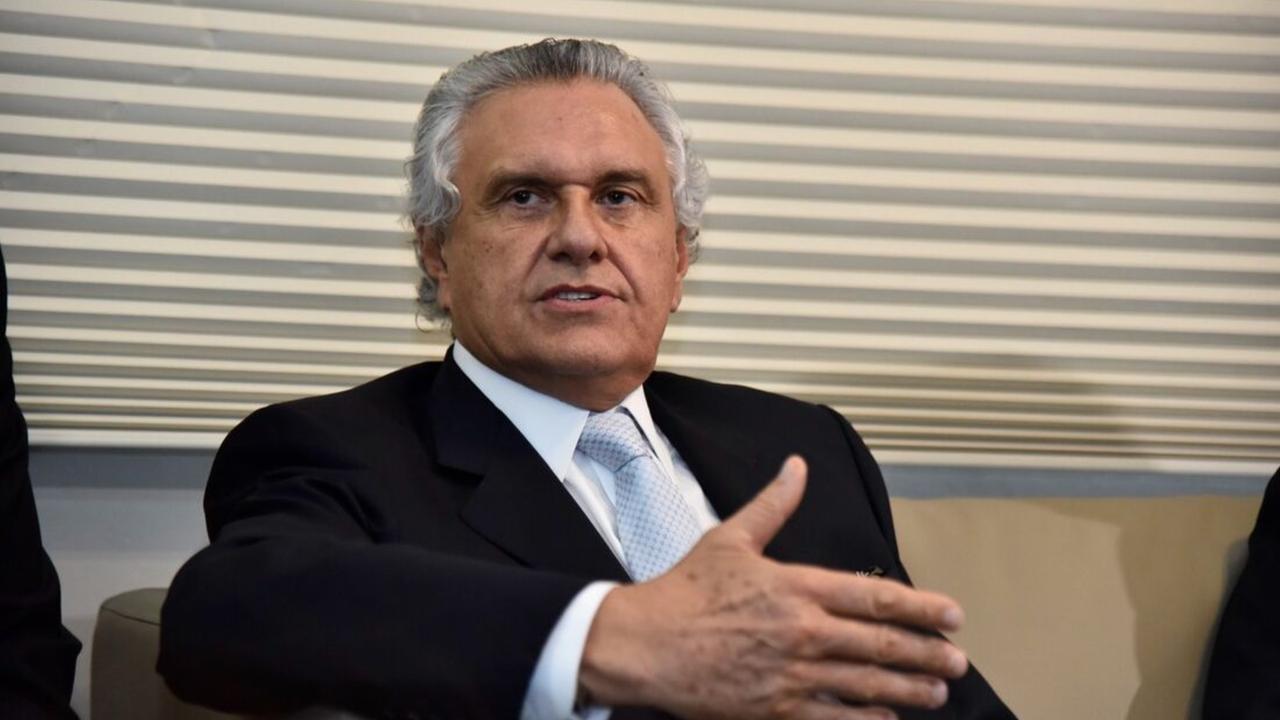
On security, he would classify criminal factions as terrorist groups and seek alliances with bordering countries and the U.S. to fight crime.
To address Brazil’s fiscal imbalance (the World Bank projects the national debt will exceed 82% of GDP in 2026), Caiado would cut the budgets of the executive, legislative, and judicial branches by 25%.
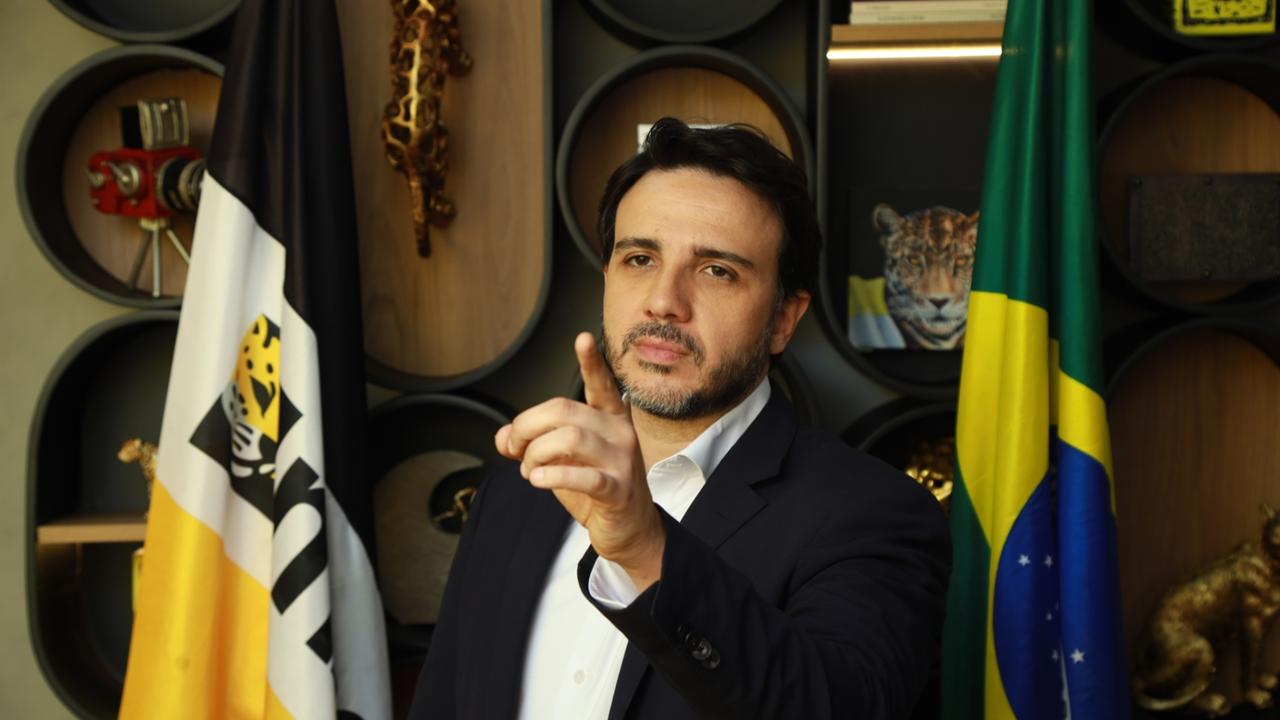
Santos, an anti-establishment and pro-market candidate from São Paulo, is running for office for the first time.
He gained prominence as one of the founders of the Movimento Brasil Livre (MBL) in 2014, and now leads the Missao party, registered just last year.
MBL was among the key groups behind the mass protests that pressured lawmakers to impeach former President Dilma Rousseff in 2016. He now brands himself as opposed to both Lula and Bolsonaro, despite having backed Jair Bolsonaro’s 2018 campaign.
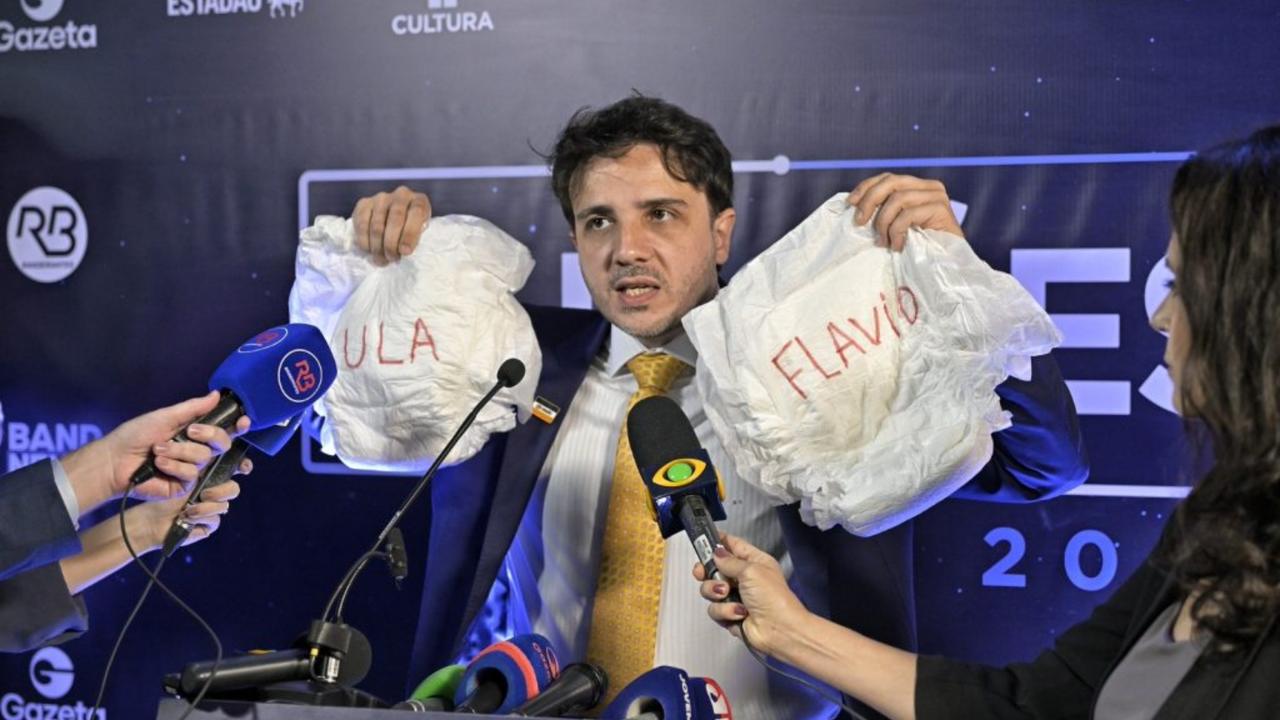
His social media presence gives him an edge, and his outsider image could draw anti-system voters. Santos has described himself as “Milei in style and Bukele in substance.”
On security, he favors federal intervention in states where criminal groups control territory, treating drug trafficking as a national security issue, and expanding international cooperation.


 Set as preferred source

 1 min read